






Snorkeling looks simple from the surface—float, breathe through a tube, and watch marine life below. But if you’re new to the water, you’ve probably wondered: do you have to know how to swim to snorkel safely? It’s a fair concern, especially for travelers, families, or beginners who want to explore reefs without formal swimming training.
The truth sits somewhere between yes and no. You don’t need competitive swimming skills to snorkel, but safety depends heavily on conditions, equipment, and preparation. This guide explains what snorkeling really requires, when it’s safe for non-swimmers, and how you can reduce risks if you’re not confident in the water.
Quick Answer: Can You Snorkel Without Knowing How to Swim?
The short reality is that you can snorkel without being a strong swimmer, but it isn’t automatically safe in every situation. When people ask do you have to know how to swim to snorkel, they’re usually picturing traditional swimming strokes like freestyle or breaststroke. Snorkeling is different. Most of the time, you’re floating on the surface while breathing through a snorkel and gently kicking to move around.
However, flotation alone doesn’t remove all risk. Water conditions, supervision, and your comfort level in water matter just as much as skill. In calm, shallow environments with proper safety gear, many beginners and weak swimmers successfully snorkel. In rough water or deeper offshore locations, lack of swimming ability can quickly become dangerous.
What Knowing How to Swim Really Means for Snorkeling
Before deciding whether snorkeling is right for you, it helps to understand what swimming ability actually contributes. The answer to do you need to know how to swim to snorkel often depends less on formal stroke technique and more on water confidence and basic survival skills.
Water Comfort vs Swimming Skill
Water comfort means staying relaxed while floating, breathing steadily, and controlling your body position. Many people who can’t swim laps still have strong water comfort, which often matters more for snorkeling.
For example, a person who can float calmly and roll onto their back if needed is usually safer than someone who knows swimming strokes but panics with their face in the water. Snorkeling requires you to keep your face submerged while breathing through a tube, which can feel unfamiliar at first. Comfort and calm breathing are the real foundations.
Minimum Skills That Make Snorkeling Safer
- Float on your back for 30–60 seconds
- Recover your breathing after mild stress or water splashes
- Use gentle flutter kicks to move slowly
- Turn your body and stop movement when needed
- Maintain position without panic
These are not performance benchmarks. Think of them as practical safety tools that help you stay in control if conditions change.

How to Snorkel Without Knowing How to Swim
If you want to snorkel without strong swimming ability, build safety into the setup instead of relying on confidence alone.
Use the Right Flotation
| Flotation Option | Best For | Key Limitation |
|---|---|---|
| USCG-approved life jacket | Maximum safety and buoyancy | Bulkier and less flexible |
| Snorkel vest | Adjustable buoyancy and mobility | Not designed as a full life-saving device |
| Float belt | Light support and comfort | Requires stronger balance and control |
Choose Beginner-Friendly Locations
- Calm bays or lagoons protected from waves
- Shallow entry points with gradual depth changes
- Clear water with visible bottom reference points
Guided tours are particularly helpful for non-swimmers because instructors monitor conditions, provide safety support, and help you stay within safe boundaries.
Avoid standing on coral reefs. Besides damaging fragile marine ecosystems, reefs are sharp and can cause injuries.
Adjust Gear to Reduce Panic
- A properly fitted mask prevents leaks and distraction
- A dry-top snorkel helps block water from entering
- Fins allow slow, energy-efficient movement
Fins improve propulsion, but they do not replace basic water control. They should be treated as support tools rather than safety guarantees.
Practice Plan Before Your First Snorkel
You don’t need weeks of training. One or two short sessions can help you feel in control.
Pool Practice That Transfers to Ocean Snorkeling
- Put your face in the water and breathe slowly through a snorkel
- Practice long, relaxed exhalations to avoid breath panic
- Learn to clear small amounts of water from your snorkel
- Float comfortably while wearing flotation gear
- Practice rolling from stomach to back to rest
The Panic Reset Technique
- Stop kicking immediately
- Roll onto your back
- Take slow, deep breaths
- Signal your buddy or guide
Snorkeling Safety Rules for Weak or Non-Swimmers
Safety habits are often more important than swimming skill. Following a few consistent rules can significantly reduce risk.
- Always snorkel with a buddy or guide
- Stay within a defined comfort zone near exit points
- Avoid rapid breathing or hyperventilation
- Check weather, tide, and current forecasts before entering water
- Exit the water immediately if you feel tired, cold, or anxious
A helpful personal rule is simple: if you feel unsure about water safety, choose calmer conditions or postpone snorkeling altogether.
When You Should Not Snorkel If You Cannot Swim
Even with flotation, there are situations where snorkeling becomes unpredictable. If you’re unsure in the water, avoid snorkeling when any of these are true:
Conditions That Increase Risk Quickly
- Strong currents or rip currents
- Large waves or heavy surge
- Deep water with no easy exit
- Low visibility that makes navigation difficult
- Long surface swims from shore
- Boat drop-off snorkeling far from land
Personal Factors That Affect Safety
- A history of panic in water
- Very low physical endurance
- Severe motion sickness
- Asthma or breathing-related medical concerns
- Anxiety about breathing with your face underwater
Alternatives If You Cannot Swim Comfortably
Snorkeling is not the only way to see marine life. If swimming ability or water anxiety makes snorkeling stressful, several alternatives still provide memorable underwater experiences.
- Glass-bottom boat tours
- Submarine or underwater observatory tours
- Shoreline wildlife viewing
- Tide pool exploration in safe areas
Boost Your Snorkeling Experience with the ASIWO Manta 2 Underwater Scooter
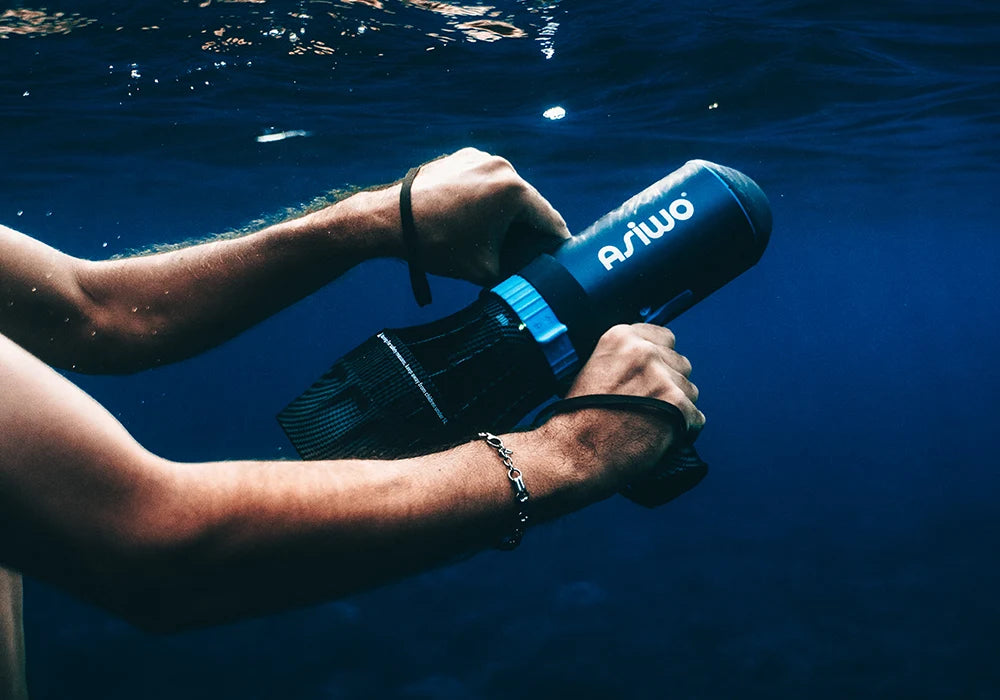
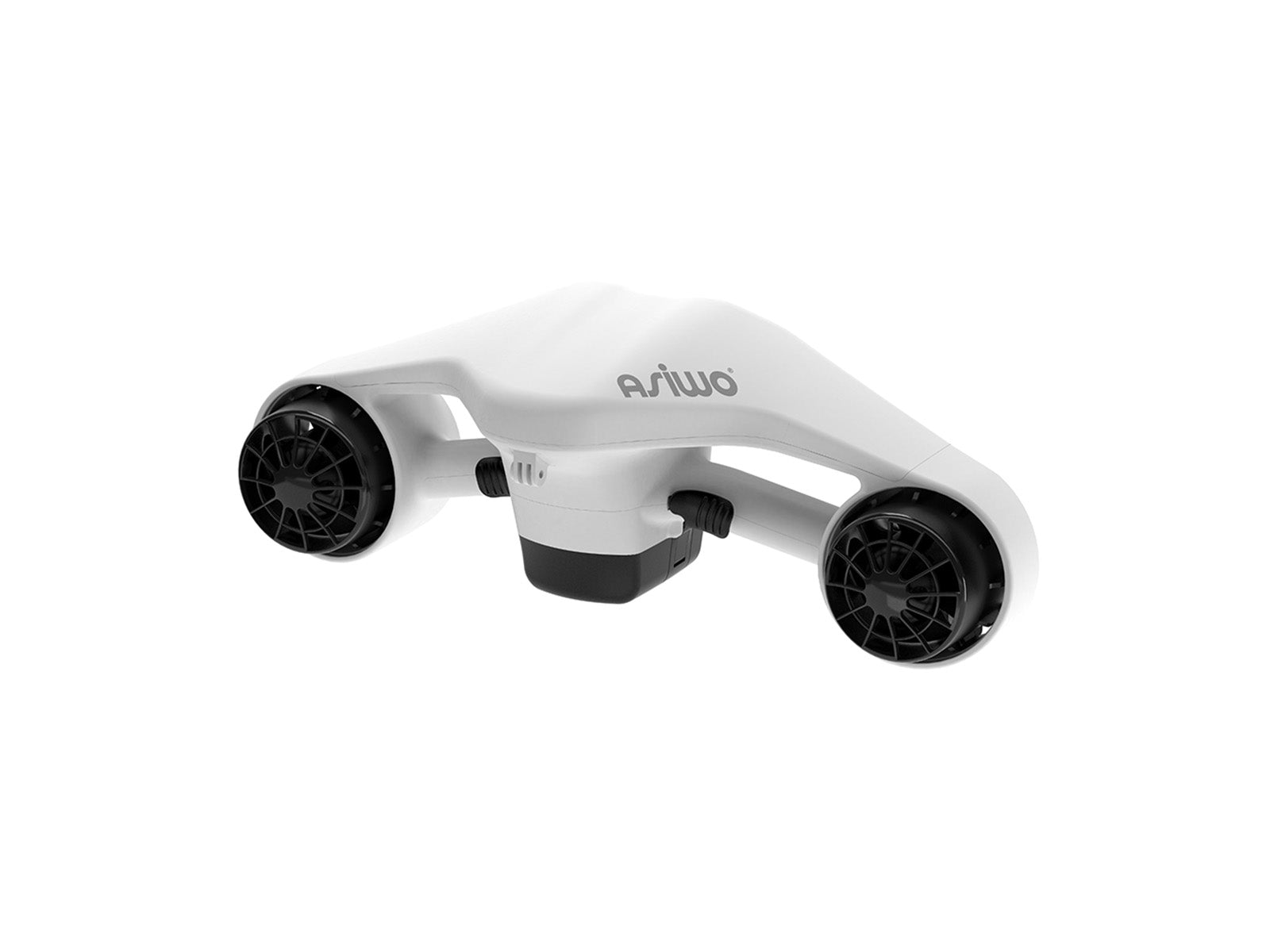
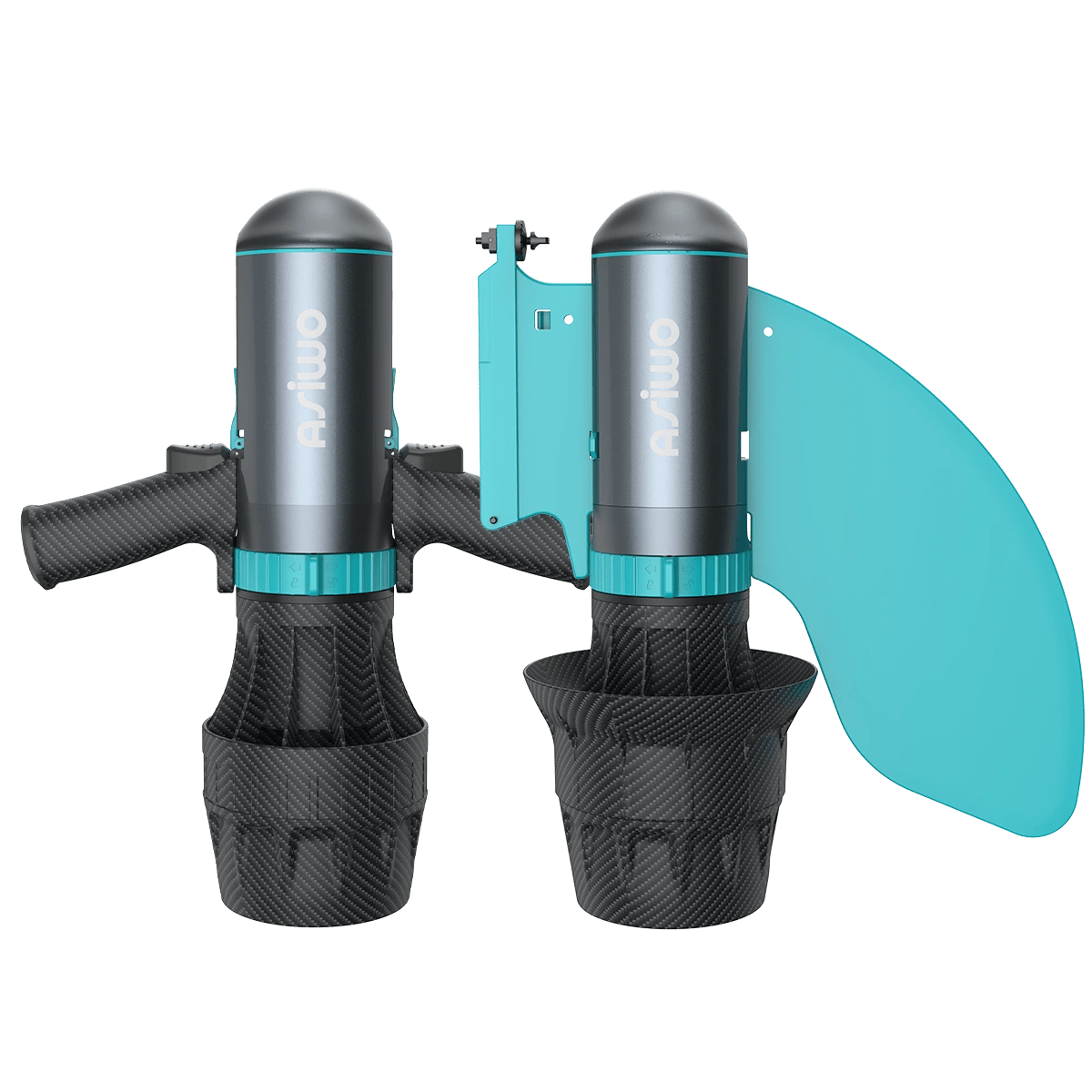
For anyone who want to snorkel without knowing how to swim, gear that enhances confidence and safety in the water can make a big difference. One way to do that is with an underwater mobility device that lets you glide through the water with minimal effort. The ASIWO Manta 2 underwater scooter helps you extend your surface time, explore more with less fatigue, and enjoy snorkeling without relying solely on strong swim skills.
Designed for both beginners and seasoned snorkelers, this powerful sea scooter offers three speed modes and long runtime, so you can spend more time spotting fish and less time tiring out. Its ergonomic build and safety features make it a strong companion for relaxed surface snorkeling or more adventurous underwater exploration — especially when visibility or currents make traditional fin-powered movement challenging

ASIWO MANTA 2 is a lightweight underwater scooter with dual motors and three speed modes, delivering smooth, safe, and effortless water exploration with less effort and more fun.
→ Learn More
Conclusion
So, do you have to know how to swim to snorkel? Not necessarily. Many beginners and weak swimmers can snorkel safely with proper flotation, calm locations, and guided supervision. What matters most is water comfort, preparation, and smart decision-making about conditions and equipment.
If you’re interested in snorkeling but unsure about your skills, start with pool practice, invest in reliable flotation, and choose beginner-friendly environments. Taking gradual steps allows you to enjoy marine life while staying safe.


Leave a comment