






Quick Answer
A snorkel is a short, open air tube. When you float face-down, its top opening stays above the water, so you can inhale surface air through the tube and exhale back through it. The snorkel does not store oxygen, create air, or connect to a tank.
The moment the top is underwater, the snorkel is no longer a reliable breathing path. A dry-top valve can reduce water entering from the top when the tube is briefly submerged, but it does not turn a snorkel into scuba equipment or let you breathe underwater.
How Does a Snorkel Work at the Surface?
The process is simple:
- You keep your body relaxed and your face in the water.
- The snorkel opening remains in the air above the surface.
- You inhale through the mouthpiece, drawing surface air down the tube.
- You exhale through the same tube, sending used air back out through the top or a purge valve.
The system is passive. Your lungs provide the work, and the tube only provides a path between your mouth and the air above the water. A mask helps you see, but it does not supply breathing air.
The Main Parts of a Snorkel
Tube
The tube carries air between the surface and your mouth. It is intentionally short. Making it much longer does not let you breathe deeper; it increases the volume of exhaled air left in the tube and can make breathing feel more difficult.
Curved tubes can sit closer to the head and reduce movement. The correct shape is the one that stays comfortable when you are wearing the mask and looking forward.
Mouthpiece
The mouthpiece creates the seal around your mouth. Bite tabs help you hold it, but you should not have to clamp down hard. A relaxed jaw reduces discomfort and makes steady breathing easier.
The mouthpiece should stay secure without forcing your jaw forward or causing pain. If it shifts, water can enter around your lips even when the top of the snorkel is clear.
Top Opening
The top opening is where air enters and water can enter. That tradeoff is part of how an open snorkel works. The opening should remain above the surface, and a splash guard or dry-top valve can reduce—but not eliminate—water entry.
Purge Valve
Some snorkels have a one-way purge valve near the bottom. It can help water drain when you exhale, so you do not need to force all the water back up the full tube. A purge valve is a clearing aid, not an air supply.
Wet, Semi-Dry, and Dry Snorkels
The names describe how the top of the snorkel manages splashes and brief submersion.
| Snorkel type | What it helps with | What it cannot do |
|---|---|---|
| Open or wet snorkel | Simple airflow and fewer moving parts | It allows more splash and water entry |
| Semi-dry snorkel | A splash guard helps reduce water from waves | It can still flood when submerged |
| Dry snorkel | A float-operated valve closes the top during brief submersion | It does not support underwater breathing or replace clearing skills |
For a more detailed comparison, see ASIWO's guide to dry vs. semi-dry snorkels. You can also read what a dry snorkel is and how it works.
Can You Breathe Through a Snorkel Underwater?
No. A snorkel is designed for surface breathing. When the top goes below the surface, the air path is submerged and water pressure makes it impossible to breathe normally through the tube. A longer snorkel does not solve that problem.
If you duck-dive, do not try to breathe through the snorkel. Return to the surface before breathing again, and clear any water from the tube if needed. Never use a snorkel as an underwater air source, and never attach it to equipment unless that equipment is specifically designed for the connection.
Scuba is different: a scuba diver breathes from a cylinder through a regulator. A snorkel, mask, and underwater scooter do not provide that breathing system.
Why Does Water Get Into a Snorkel?
Water entry is common and does not automatically mean the snorkel is defective. It can happen when:
- a wave breaks over the top;
- the top is briefly submerged;
- the snorkel points into a splash;
- the mouthpiece seal shifts; or
- the tube is not positioned correctly beside the head.
A dry top can close when submerged, but no snorkel should be treated as permanently floodproof. Water can still enter through the mouthpiece, purge valve, or a leak in the system.
How to Clear a Flooded Snorkel
Only clear a snorkel while you are stable at the surface. If you feel short of breath, panicked, dizzy, or unusually tired, remove the mouthpiece, raise your face, and breathe normally before deciding what to do next.
If you are comfortable and trained to clear the snorkel, use the method appropriate for its design:
- A purge valve may let water drain when you exhale steadily.
- Without a purge valve, a controlled, forceful exhalation can push water out through the top.
Practice clearing in calm, shallow water with a capable buddy. Clearing the tube does not make it safe to continue in conditions that are beyond your swimming ability or training.
How Body Position and Conditions Affect Breathing
Snorkeling feels easiest when you float level and keep the top of the snorkel above the water. Choppy water, a lifted head, hard kicking, and fatigue can make the tube flood more often and make breathing feel restricted.
Choose conditions that match your ability. Stay aware of currents, boat traffic, exits, and the people with you. A snorkel is a surface-breathing tool; it is not a flotation device, safety device, or substitute for supervision and water skills.
Using a Snorkel With an Underwater Scooter

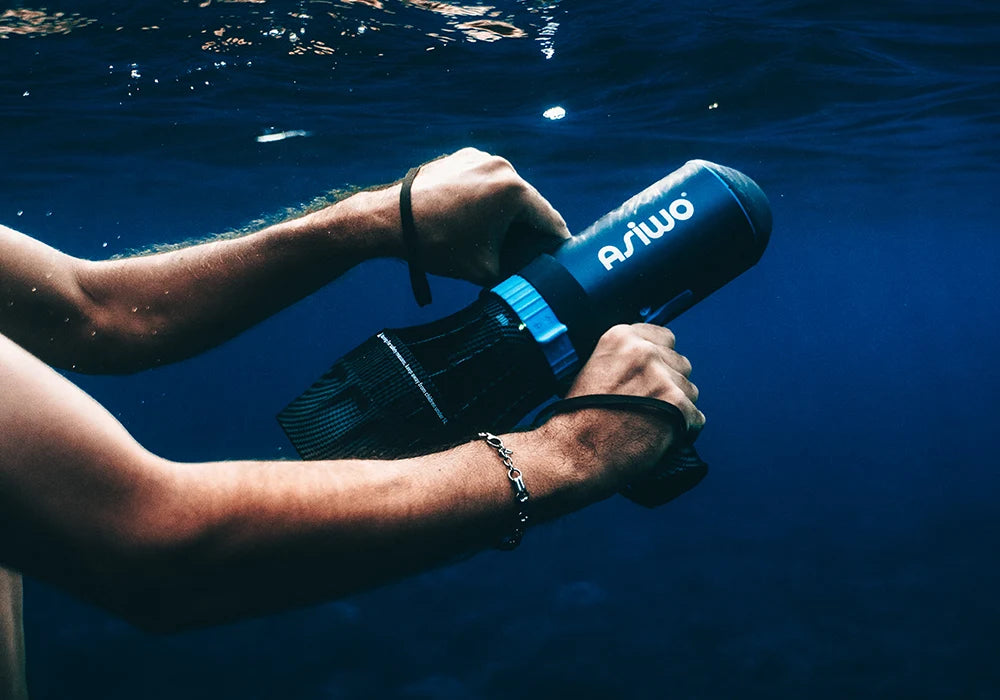
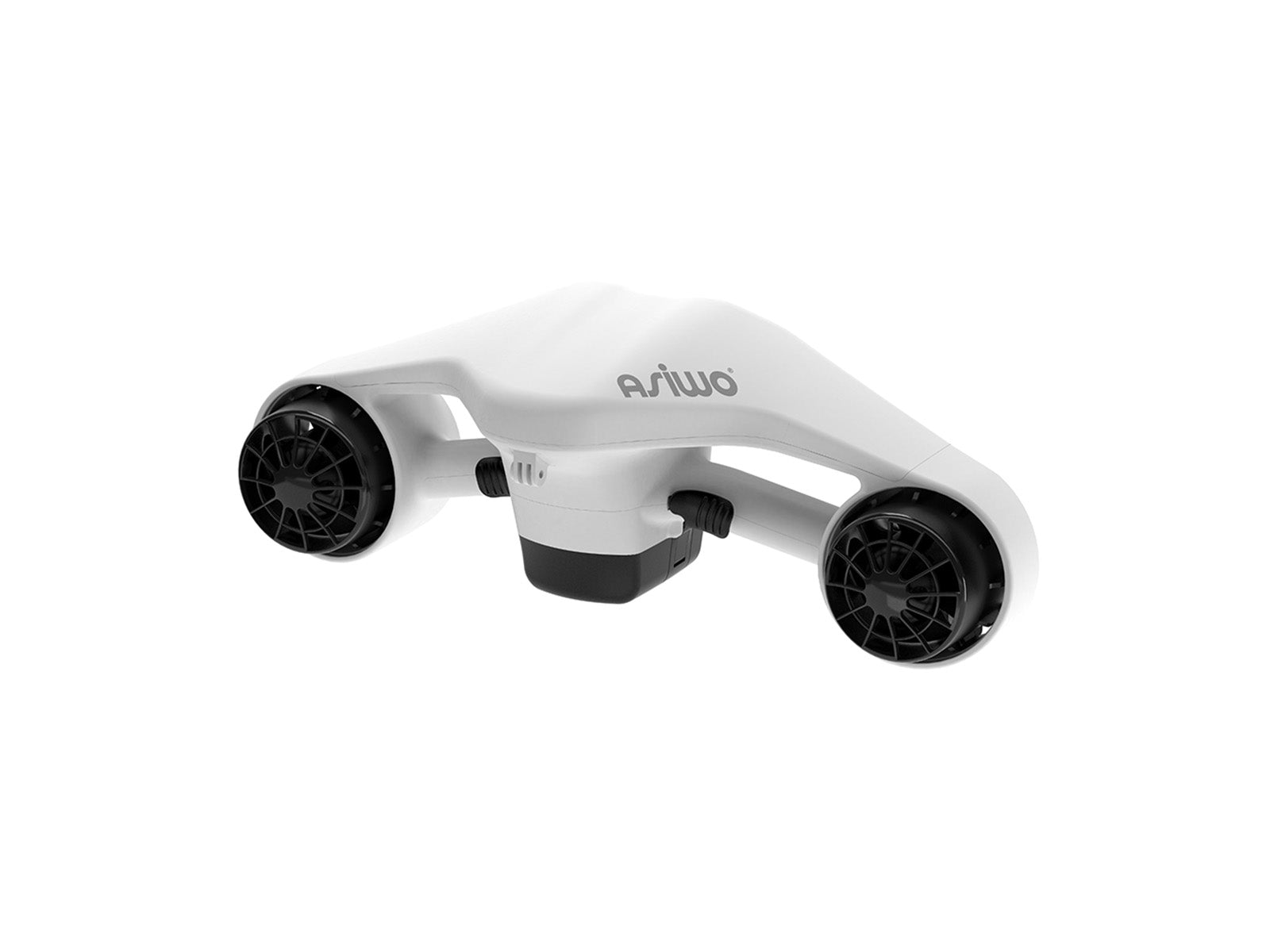
An underwater scooter changes how you move, not how a snorkel supplies air. If you use the ASIWO Manta underwater scooter while snorkeling, keep the snorkel opening above the surface whenever you breathe, stay within conditions you can manage without motor assistance, and leave the water if breathing becomes difficult.
The scooter cannot prevent flooding, provide air, or replace a buddy, a properly fitted mask, and basic water skills.

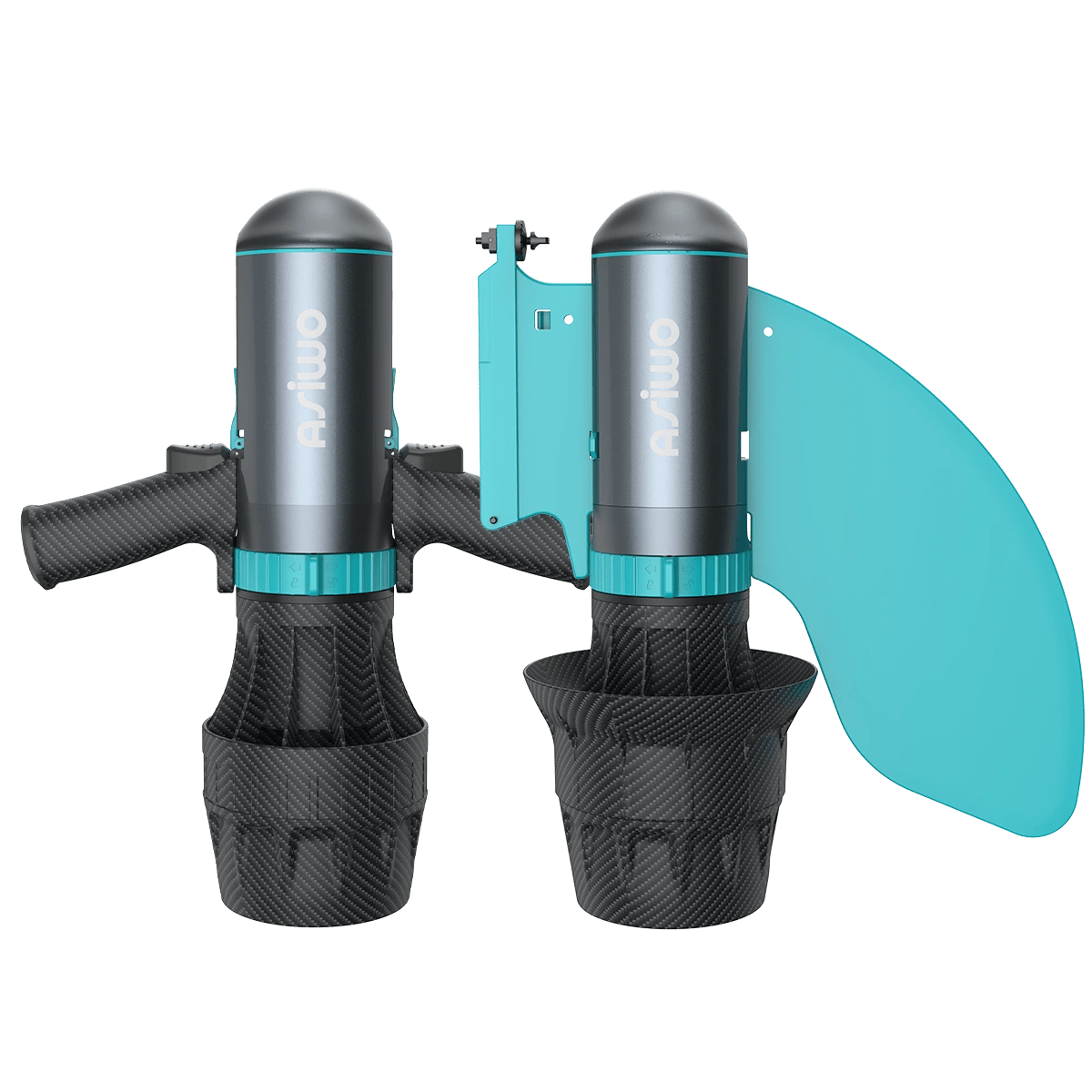
ASIWO Manta is a lightweight underwater scooter for surface snorkeling and shallow-water exploring. With three speed modes, it helps you glide smoothly, reduce fatigue, and keep a steady face-down position for easier breathing.
FAQs
Does a snorkel provide oxygen?
No. It carries ordinary surface air to your mouth. You breathe using your own lungs, and the snorkel does not create or store oxygen.
How deep can you go with a snorkel?
A snorkel is not for breathing during a descent, and this article does not provide a depth target for breath-hold diving. If you duck-dive, return to the surface before breathing again and stay within your training.
Are dry snorkels completely waterproof?
No. A dry-top valve can reduce water entering through the top during brief submersion, but it does not guarantee a dry tube in every condition. Water can still enter through the mouthpiece, purge valve, or a damaged seal.
Are dry snorkels better for beginners?
They can reduce splash and top-entry water in suitable surface conditions. Beginners still need a comfortable mouthpiece, a properly fitted mask, and the ability to remain calm and clear water safely at the surface.
Why does breathing through a snorkel feel harder?
The tube adds airflow resistance and retains a small amount of exhaled air. Water in the tube, a poor mouthpiece seal, a head position that pushes the top into waves, or hard exertion can make the sensation stronger.
Can I use a snorkel with a full-face snorkeling mask?
Only if the mask is designed with an integrated snorkel and used as directed for surface snorkeling. A traditional snorkel and a full-face snorkeling mask are different designs. Neither is a substitute for a scuba regulator.
The Bottom Line
A snorkel works as a short, passive path between your mouth and the air above the surface. The tube, mouthpiece, top design, and purge valve affect comfort and water entry, but none of them supply air underwater. Keep the top above the water, learn basic clearing, choose conditions that match your ability, and treat dry-top features as water-entry reduction—not as underwater breathing technology.


Leave a comment