






Oahu can be an amazing snorkeling island—if you pick the right shoreline for the day. A spot that looks “calm” from the sand can still have surge, current, or poor visibility once you’re in the water. This guide breaks down good snorkeling spots in Oahu by reef type, seasonal conditions, and skill level, so you can spend more time watching fish and less time second-guessing your plan.
What Makes A Good Snorkeling Spot In Oahu
A truly good snorkel spot is basically three things: clear water, a reef that holds marine life, and an entry you can handle comfortably. Oahu’s reefs are shaped by volcanic rock—think shelves, fingers, and shallow coral patches—which can create protected pockets with great visibility and fish habitat, but also sharp entries and sudden drop-offs.
Before you commit, do a quick “shore check”: Can you see the bottom in the first few feet? Are waves breaking directly on the entry? Are other snorkelers getting pushed around? Those clues usually tell you more than a map does.
Classic And Highly Rated Good Snorkeling Spots In Oahu
These are the names that show up again and again for a reason. They’re reliable when conditions cooperate, and they offer the best “wow per minute” for most visitors. Still, each one has a different personality—calm lagoon-style snorkeling is not the same as a rocky North Shore reef.
Below are the classics, with the practical details that matter once you’re standing at the waterline.
Hanauma Bay Nature Preserve
If you want the most beginner-friendly “first snorkel” on the island, this is usually it: protected water, lots of fish close to shore, and a reef layout that’s easy to explore without swimming far. The tradeoff is logistics—reservations are required for non-residents and open a limited window in advance, and the preserve has routine closure days, so you need to plan it instead of winging it.
- Book as soon as the reservation window opens, then arrive early to maximize calm water and parking.
- Stay in the sandy, shallow zones if you’re new; they still have plenty of fish.
- Treat it like a “skills day” (mask fit, breathing, finning). It’s one of the best places to build confidence.
Shark’s Cove And Three Tables
These North Shore spots are famous for lava-rock structure—swim-throughs, pockets, and dramatic formations that attract fish. The key is season: in summer, conditions are often calm enough for snorkeling; in winter, swell can turn the area into a hard no for most people.
- Three Tables is often the easier, more forgiving option (simpler entry, beginner-friendlier on calm days).
- Shark’s Cove can be incredible in flat conditions, but it’s less “casual”—surge and rocky terrain can surprise people quickly.
Kahe Point Beach Park (Electric Beach)
“Electric Beach” gets its name from warm-water outflow nearby, and it can deliver great visibility and lots of marine life—but it’s not the place to learn basic snorkeling. Currents and swim distance can make it better suited to strong swimmers who are comfortable staying oriented and returning to the same exit point.
- Go early—conditions are often best in the morning.
- Use a buddy system (always), and don’t push past your comfort zone just because visibility looks good.
- If it feels “pull-y” or you’re working too hard to stay in place, call it and pick a calmer shore.
Also worth a quick mention near town: Sans Souci Beach (Kaimana) sits by the Waikiki Marine Life Conservation District, which is one of the easiest “I’m already in Honolulu” snorkeling options with reef and fish right off the beach.
Lesser-Known and Less-Crowded Snorkeling Spots in Oahu
If the big-name sites are booked, crowded, or simply not cooperating with the weather, these alternatives can save your day. Think of them as the “Plan B that still feels like Plan A”: calmer entries, fewer people, and enough reef structure to keep things interesting.
They’re also great places to build experience before you graduate to more exposed reefs.
Ko Olina Lagoons
These sheltered lagoons behave more like protected coves than open ocean, which is why families love them. You’ll still see fish (and sometimes turtles), but the biggest benefit is the calm water and easy entry—perfect when you want low-stress snorkeling.
Makaha Beach Park
On a truly calm day, Makaha can be gorgeous—clear water and good odds of spotting turtles. The catch is that it’s an open bay, so waves and currents can ramp up fast, and the better snorkeling can require a longer swim than beginners expect.
Malaekahana Bay
This area feels more “local Oahu” than resort Oahu: scenic, spacious, and often less crowded. It’s also a place where tide and conditions matter—there are reef patches and areas around offshore islets that can be accessible in calmer water, but you should treat it as a slow, exploratory snorkel rather than a guaranteed aquarium.

When And Where To Snorkel In Oahu
Timing is what separates a crystal-clear snorkel where fish are visible from the surface from a frustrating, cloudy swim. The season determines which side of the island offers the safest, calmest conditions, while the time of day fine-tunes how clear the water actually is.
A simple rule for good snorkeling spots in Oahu is to match the shore to the season and go early in the day for the clearest water.
- North Shore: often best in summer; winter surf can make snorkeling unsafe at many sites.
- South / Leeward: tends to have more snorkelable days through the year, especially when trade winds aren’t blowing straight onshore.
Best time of day for visibility: Morning usually wins: less wind chop, less stirred-up sand, and calmer surface glare. Midday can be fine at protected coves, but shallow sandy entries get cloudy faster when wind and swimmers kick things up.
How To Choose The Right Snorkeling Spot For Your Skill Level
Most snorkeling “bad days” aren’t random—they’re mismatch problems. The spot is fine, but it’s wrong for the swimmer, the season, or the entry style. Use this quick guide to match comfort level to conditions, then upgrade your spots as your confidence improves.
Table: Oahu Snorkeling Spots by Skill Level
| Your Comfort Level | Best Places To Start | Why It Fits |
|---|---|---|
| Beginners / Families | Hanauma Bay, Kuilima Cove, Ko Olina Lagoons | Protected water, easier entry, fish close to shore |
| Intermediate | Sans Souci / Waikiki MLCD, Three Tables, calmer leeward reefs | More open water, but manageable with decent conditions |
| Advanced / Adventurous | Shark’s Cove (in summer), Electric Beach | Rocky entries/currents; requires strong swimming and good judgment |
As you get better, rotate through good snorkeling spots in Oahu on “easy mode” first (calm morning, small swell). You’ll learn faster—and enjoy it more.
Snorkeling Safety and Reef Etiquette in Oahu
Oahu’s reefs are beautiful, but they’re not forgiving. A little preparation prevents most problems, and good behavior in the water protects the very things you came to see.
Step 1: Check conditions like a local (takes 2 minutes)
- Look for posted warnings, ask a lifeguard if one is present, and pay attention to wave direction and strength.
- If waves are breaking hard on your entry point, choose a different beach.
Step 2: Protect the reef (and yourself)
- Don’t stand on coral or grab rocks; even “dead-looking” reef can be living.
- Wear a rash guard if you can; if you use sunscreen, choose reef-safe options.
Step 3: Treat wildlife with respect
- Give turtles space and let them surface—don’t chase, corner, or touch them.
- If you want turtle odds without a boat, calmer reef-backed beaches (like Makaha on a calm day) can deliver—just stay within your limits.
Optional Gear: ASIWO Manta Underwater Scooter For Longer, Easier Snorkels
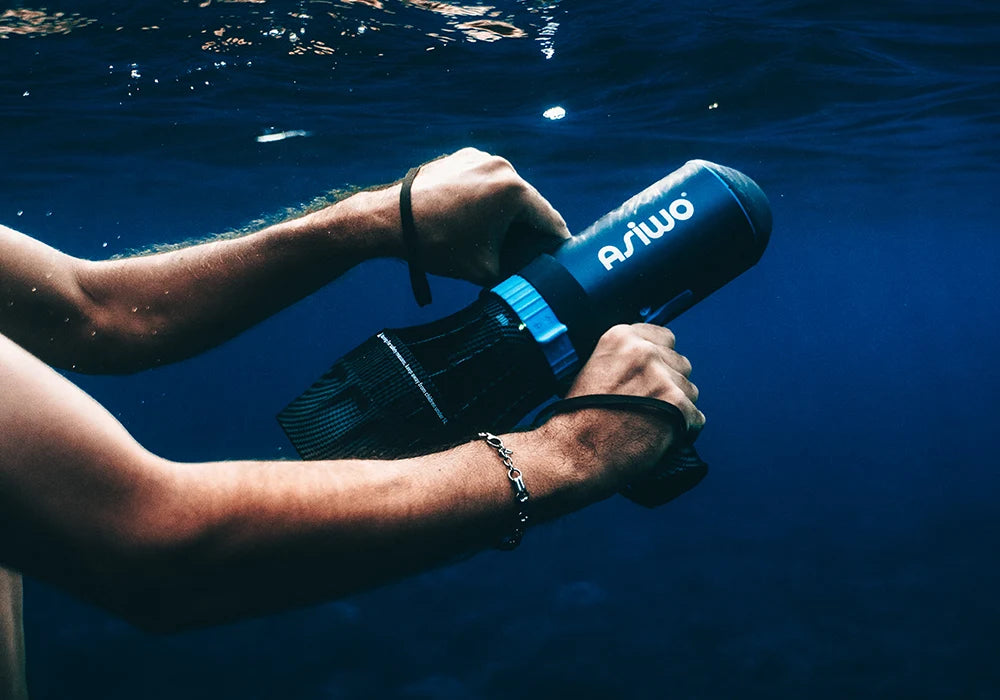
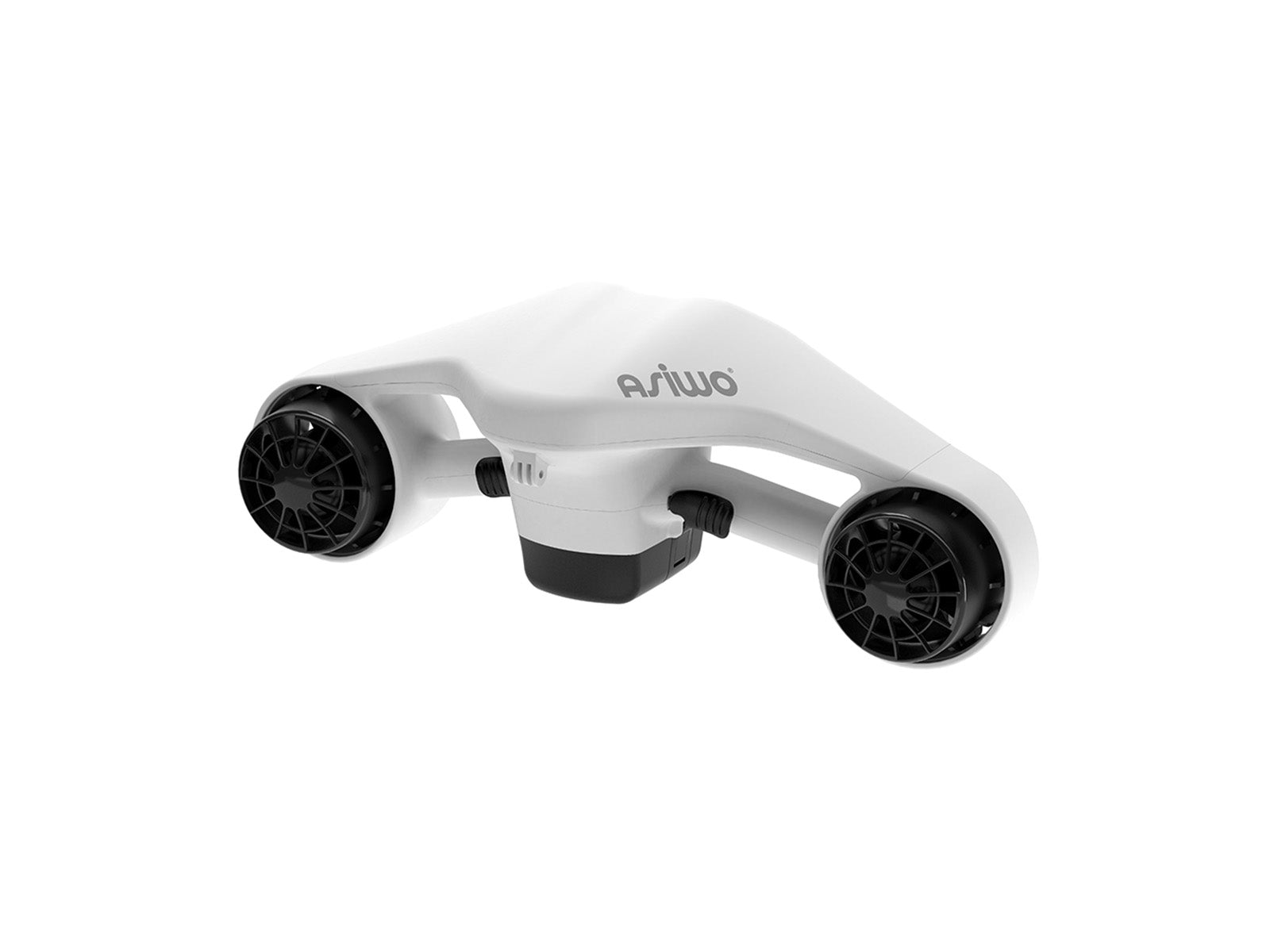
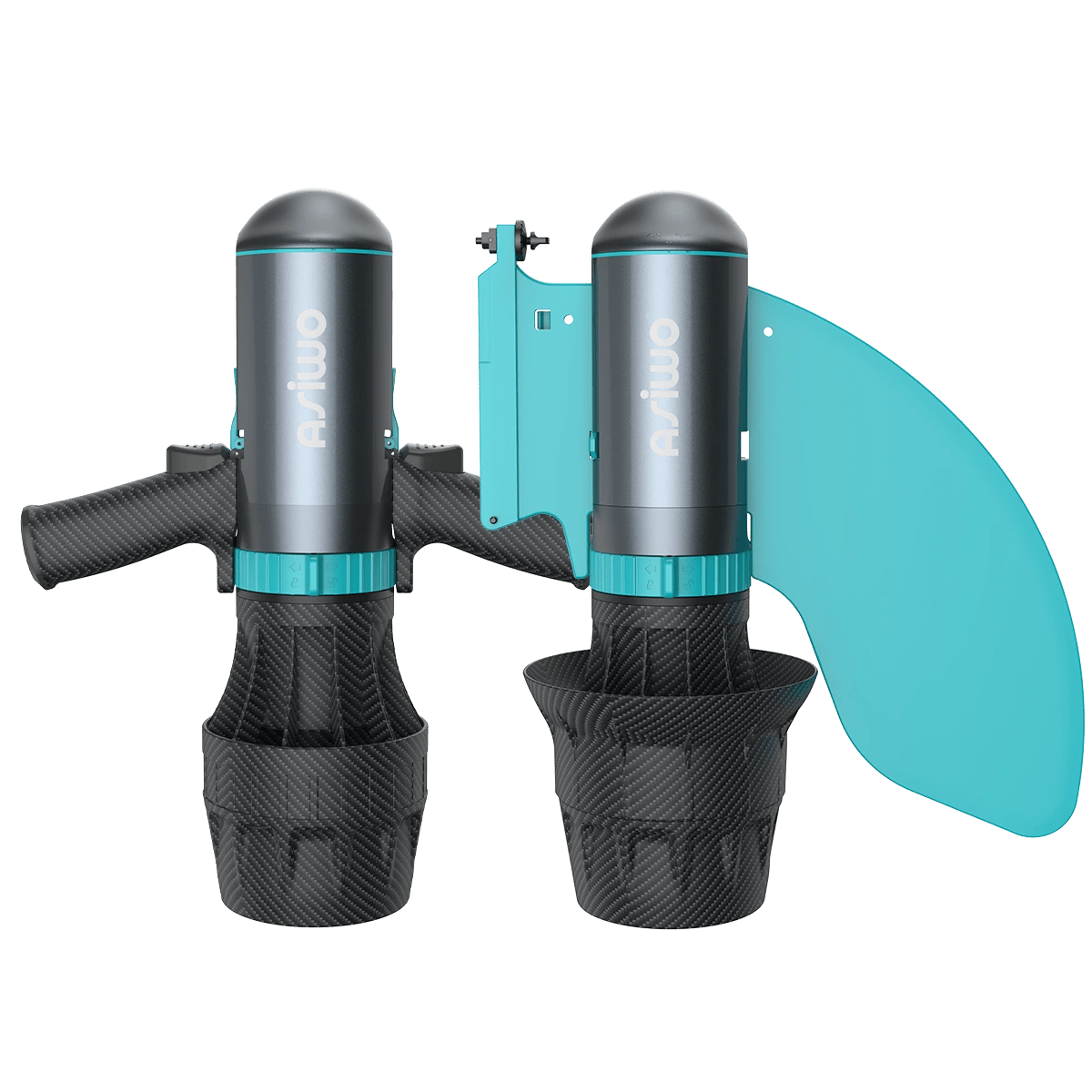
If you’re choosing between Oahu snorkeling spots based on swim distance or how quickly conditions can shift, an underwater scooter can help you save energy—without turning the day into a “go farther” mission. The ASIWO Manta underwater scooter is a good match for snorkelers who want to cover more reef with less fatigue while keeping safety and visibility checks as the priority.
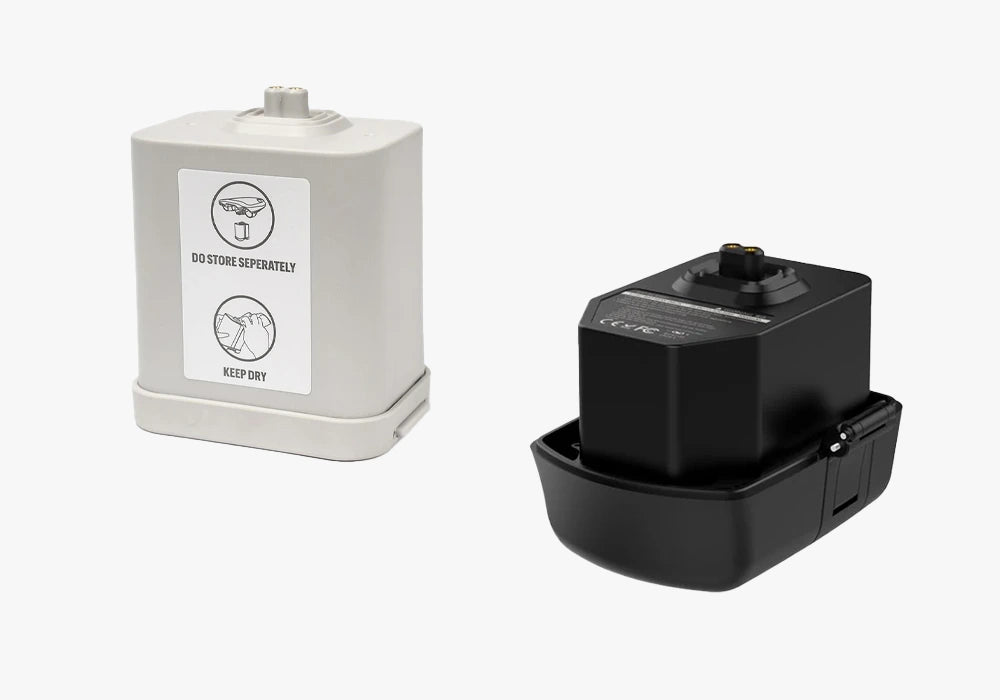
It’s 7.7 lbs and marketed as carry-on friendly, with three speed modes and up to 35 minutes of runtime—enough for a focused snorkel session. It’s also commonly listed with enclosed propellers, auto shut-off, a float-to-surface function, and a camera mount for hands-free footage.
Best use cases: calm lagoons and protected bays. Be cautious around rocky entries, surge, or current—if you’re drifting, the safer move is to exit rather than power through. Specs commonly listed: 7.7 lbs, up to 5 ft/s, up to 35 minutes, max depth 40 m / 131 ft.

ASIWO Manta is a lightweight underwater scooter for surface snorkeling and shallow-water exploring. With three speed modes, it helps you glide smoothly, reduce fatigue, and keep a steady face-down position for easier breathing.
Conclusion
The best snorkeling spots on the island come down to smart matching: pick the right coast for the season, go early, and choose an entry that fits your comfort level. Start with protected water, work up to more exposed reefs, and don’t be shy about switching plans if conditions feel off. If you use the tips above, you’ll find good snorkeling spots in Oahu that feel clear, safe, and full of life—without wasting a day driving to the wrong shoreline.
FAQs
What snorkeling spots in Oahu are best year-round?
No spot is truly “always on,” but sheltered options like Hanauma Bay (when open and reserved) and Ko Olina Lagoons tend to have more snorkelable days because they’re protected from heavy surf.
Can I see sea turtles snorkeling without a boat?
Yes. Turtles can show up at several shore spots—Makaha is one commonly mentioned option when the ocean is calm—but sightings depend on conditions and luck. Keep your distance and don’t block their path to the surface.
Are there free snorkeling beaches in Oahu?
Absolutely. Many Oahu snorkeling spots are public beaches with no entry fee (parking may still be paid in some areas). Hanauma Bay is a special case with controlled access and fees for non-residents.
Do I need reservations for Hanauma Bay?
If you’re a non-resident, yes—reservations are required and open a limited window in advance, and demand can be high.


Leave a comment