






Snorkeling here can feel incredible—or frustrating fast—depending on where you enter, what the ocean is doing that day, and how prepared you are for lava-rock shorelines. This guide to big island snorkeling breaks down what makes the island different, where to go (by region), when conditions are easiest, and the safety details many visitors learn the hard way. You’ll also get simple “pick-the-right-spot” steps, a gear checklist, and a few real-world FAQs.
Why Big Island snorkeling feels different
The Big Island’s reefs are shaped by lava first, sand second. That means clearer water in many west-side bays, dramatic coral structure along rock shelves, and more “surge-y” entries where the ocean lifts and drops you against the shoreline.
Compared with Maui and Oʻahu, you’ll see more rugged access points (great snorkeling, but not always easy). Kauaʻi has its own magic, but Big Island water clarity and protected bays, especially along Kona, often make snorkeling on Big Island feel more “aquarium-like” on calm days.
Best Big Island snorkel spots by area
Where you stay matters. The Kona side is usually the easiest for consistent visibility; the Hilo side can be beautiful but tends to be more weather-dependent. Use this section to match Big Island snorkel spots to your comfort level and driving tolerance.
Kona Coast hotspots
- Kealakekua Bay (Captain Cook Monument): A protected bay known for clear water and healthy reef. It’s popular for a reason, but access takes planning (more on that in logistics).
- Two Step at Hōnaunau Bay: World-class snorkeling with a lava “step” entry. Watch the surge, time your in/out, and protect your hands and fins around the rock and urchin holes.
- Kahaluʻu Beach Park: One of the friendliest places to practice basics—shallower areas, lots to see close to shore, and generally easier entries than pure lava shelves.
Kohala Coast locations
- Mauna Kea Beach: Often calm with a more classic sandy-beach feel.
- Beach 69 (Waialea Bay): Great for a relaxed snorkel when conditions cooperate.
- Puako reef access points: Amazing reef stretches, but entries can be rocky—booties help, and you’ll want to be comfortable with shallow water over rock.
South Kona and quieter stretches
If you’re experienced and want fewer crowds, South Kona can deliver—just expect fewer “easy-button” entries and less support nearby. Places like Miloliʻi and small coves along the Puʻuhonua coastline can be rewarding, but they’re not ideal if you’re counting on lifeguards, easy parking, or quick help.
Hilo side conditions and limitations
The east side has pretty pockets (like Richardson and Carlsmith), but it’s more exposed to wind, rain, and swell patterns. Translation: you can get a fantastic day, or you can get churned-up water with limited visibility—sometimes back-to-back. If you’re only here for a few days, think of Hilo snorkeling as a bonus on a calm day—not something to count on daily.
Best time for snorkeling on the Big Island
Timing is half the experience. You can show up to the right beach and still have a rough day if the swell direction and wind line up wrong.
Seasonally, summer tends to bring calmer ocean windows and more stable visibility, while winter can bring larger swells that make shore entries riskier—especially on exposed coasts. For big island snorkeling, many visitors find the most consistently mellow surface conditions in the late spring through early fall.
Best time of day: go early. Mornings often have flatter water and less wind texture, which usually means better visibility and an easier swim line.
Wildlife timing:
- Manta ray night snorkeling runs year-round, but winter seas can mean more cancellations; calmer months are often May–October, with rougher conditions more common in winter.
Marine life you can see while snorkeling the Big Island
You don’t need to chase “rare” sightings to have a great day. Most of the wow-factor comes from reef density, light, and how relaxed you are in the water.
On typical Kona-side snorkels, expect colorful reef fish, intricate coral/rock structure, and a real chance of seeing honu (Hawaiian green sea turtles) cruising the shallows. Spinner dolphins may pass through some bays—enjoy them from a distance and don’t try to “swim with” or intercept them.
Night snorkeling with mantas is its own category: you’re usually floating at the surface while lights attract plankton, and mantas glide up to feed. It’s unforgettable, but it’s not a “figure it out solo” activity for most people—conditions and low-light stress make guided trips the safer default.

How to choose the right spot for your skill level
The “best” spot is the one that fits your comfort level that day—entry, surge, and depth included. Use the steps below to pick a place that feels safe and enjoyable, not stressful.
Step 1 — Be honest about your entry comfort
- Prefer sand and a gradual walk-in? Start with beaches and parks with calmer zones.
- Comfortable with lava rock and timing surge? You can consider places like Two Step on a calm day.
Step 2 — Check three conditions before you commit
- Wind (is it strengthening through the morning?)
- Swell direction (is the shore break hitting the entry?)
- Water clarity (can you see the bottom in the first few minutes?)
Table: Step 3 — Decide shore vs boat
| Option | Best for | Watch-outs |
| Shore snorkeling | Flexible timing, lower cost, quick sessions | Entry/exit risk on lava, limited help in remote areas |
| Boat tours | Easier access to protected reefs, less fighting shore break | Fixed schedule, higher cost, seasickness risk |
If you’re newer, boat trips to places like Kealakekua can remove the hardest part (the entry) while putting you on top of the best reef.
Essential gear and safety details
You don’t need expensive gear, but you do need gear that fits and matches the kind of snorkeling you’re doing. On the Big Island, that often makes the difference between fighting the entry and settling in to enjoy the reef.
Must-haves
- Mask that seals (no hair under the skirt), snorkel you can clear easily, fins that don’t blister
- Reef shoes/booties if you’ll touch lava rock anywhere
- Rash guard + hat for sun management (often better than relying on reapplying lotion constantly)
Reef-safe sunscreen (important): Hawaiʻi restricts the sale of sunscreens containing oxybenzone and octinoxate without a prescription, and visitors are strongly encouraged to use reef-safer options. Look for mineral sunscreens (zinc oxide/titanium dioxide) and still use clothing as your main sun strategy.
Safety details
- Surge and shore break: if you’re getting pushed toward rock, you’re already in the “not worth it” zone. Move locations or wait for a calmer window.
- Lava hazards: algae-covered rock is slippery; keep hands off random holes (urchins), and don’t stand where waves can knock you sideways.
- Remote areas: assume limited cell service. Snorkel with a buddy, and use a bright float if you’re outside a protected cove.
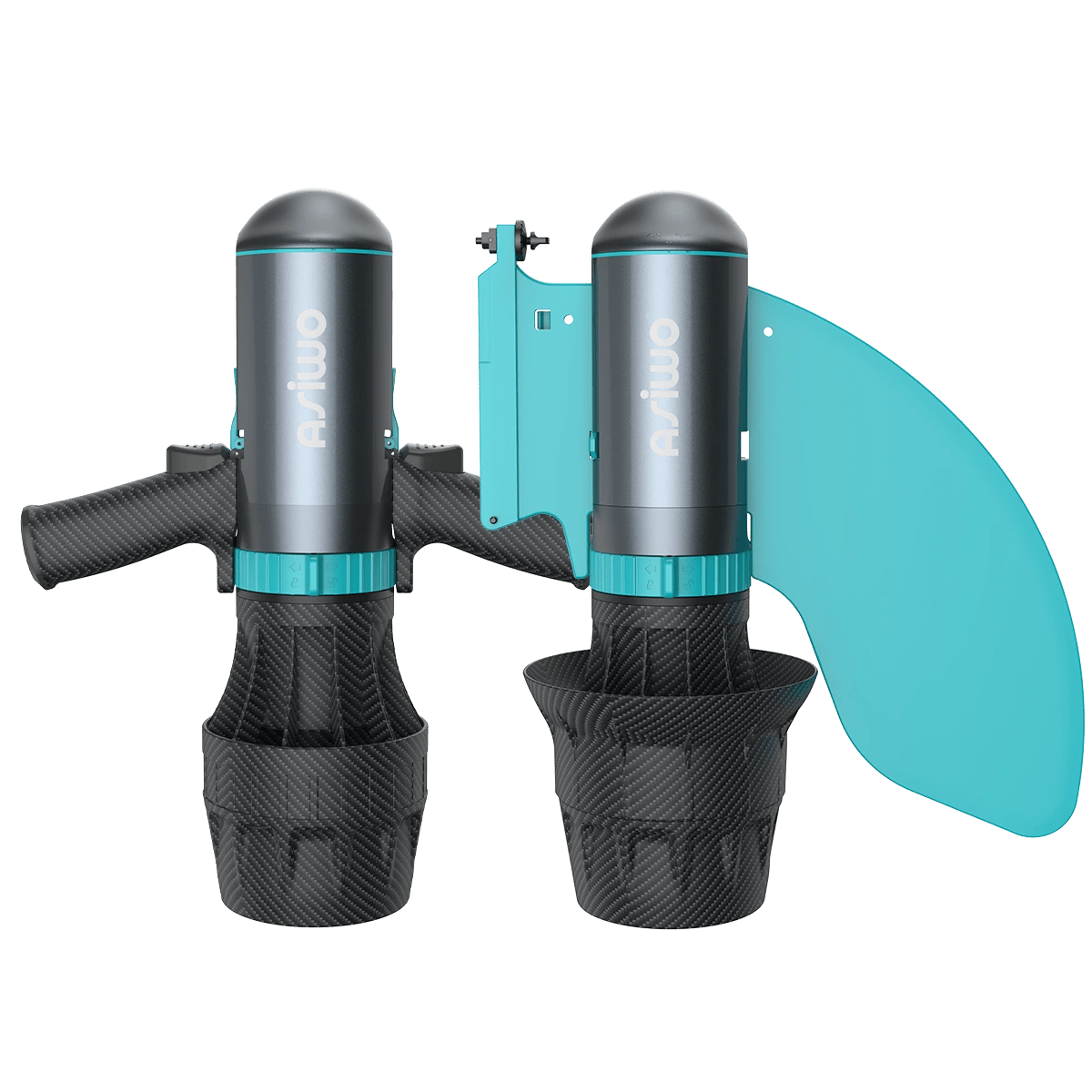
ASIWO Manta Underwater Scooter for Big Island Snorkeling
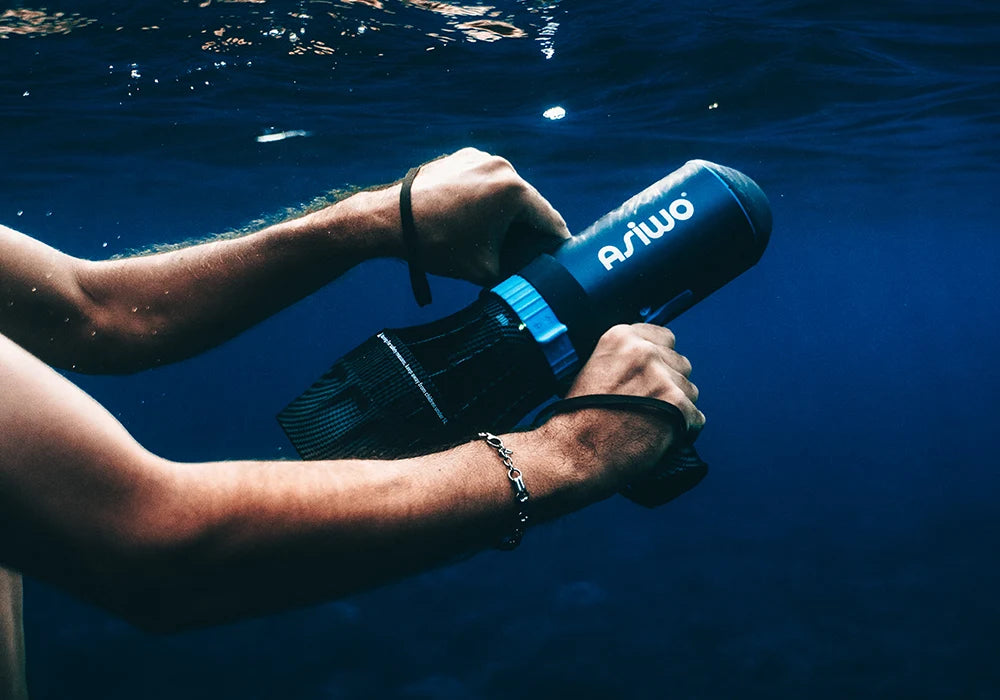
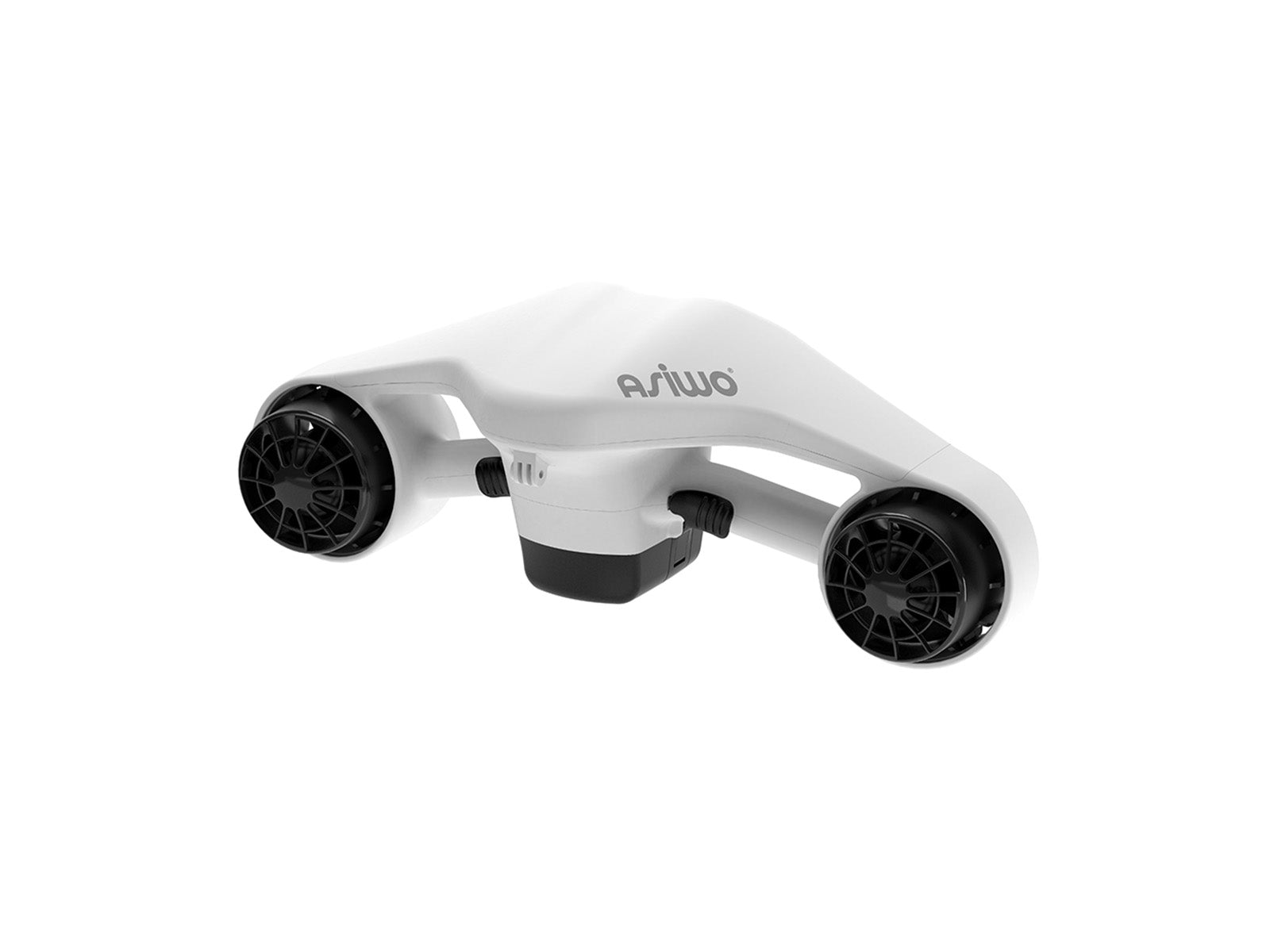
Snorkeling on the Big Island often means longer swims, lava-rock entries, and reefs that really open up once you get past the shoreline. That’s where a compact underwater scooter like the ASIWO Manta fits naturally into the experience. It helps reduce fatigue on surface swims, makes it easier to explore wider reef areas, and gives you more control in mild current or surge—without turning snorkeling into something technical or intimidating. For confident snorkelers who want to cover more ground at places like Kona-side bays or boat-access reefs, it’s a practical upgrade that supports longer, calmer, and more enjoyable time in the water.

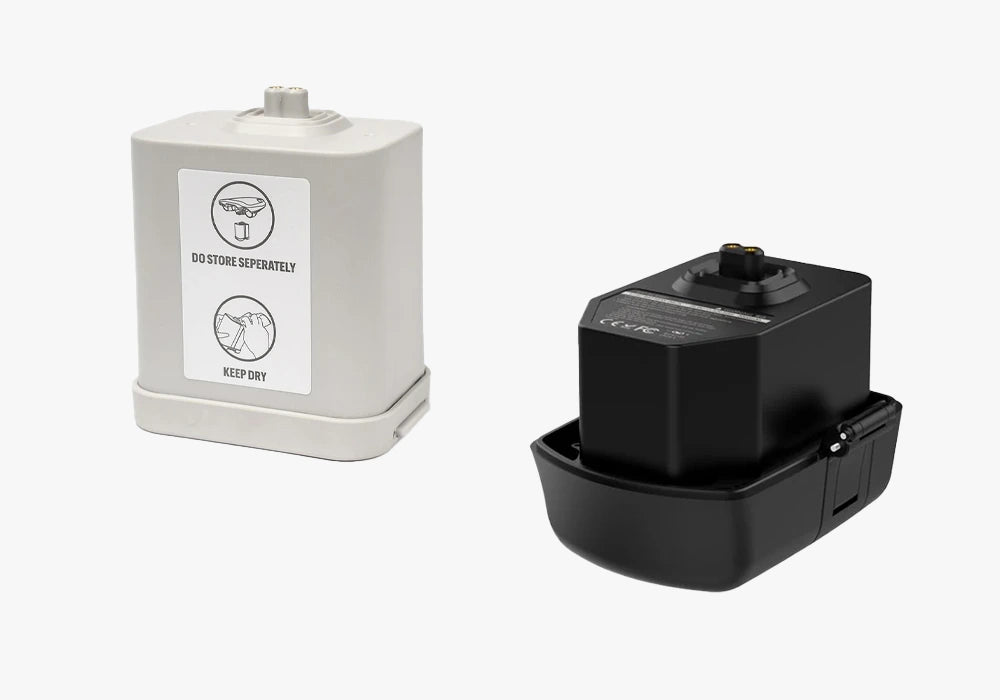
ASIWO Manta is a lightweight underwater scooter for surface snorkeling and shallow-water exploring. With three speed modes, it helps you glide smoothly, reduce fatigue, and keep a steady face-down position for easier breathing.
Conclusion
Great big island snorkeling is mostly about smart choices: go early, match the beach to your entry comfort, and don’t fight the ocean when it’s telling you “not today.” Start with easier parks to dial in your mask fit and breathing, then level up to lava-entry sites on calm mornings. If Kealakekua or mantas are on your list, sort logistics ahead of time so you spend your day in the water—not in traffic or searching for a safe way in.
FAQs
Is Big Island good for snorkeling beginners?
Yes, several beaches offer calm water and easy entry, especially along the Kona and Kohala coasts.
When is the best month for snorkeling on the Big Island?
Generally April through October provides calmer ocean conditions and better visibility.
Can you snorkel year-round on the Big Island?
Yes, but winter surf may limit access to some beaches, especially on the east and north shores.
Is night manta ray snorkeling safe?
Yes when conducted with licensed operators and proper lighting and supervision.
Do you need reef-safe sunscreen in Hawaii?
Yes, Hawaii restricts sunscreens containing harmful reef chemicals to protect coral ecosystems.


Leave a comment