






Diving is one of the most exhilarating activities, offering a unique experience beneath the waves. Whether you are a beginner or an experienced diver, safety always comes first. One of the most essential guidelines every diver should know and follow is the Golden Rule of Scuba Diving. This rule can help ensure a safe and enjoyable dive, reducing the risks that come with exploring underwater environments. But what exactly is this rule, and why is it so crucial? Let's dive into the details.
What is the Golden Rule of Scuba Diving?
The Golden Rule of Scuba Diving is an unwritten but universally accepted guideline in the diving community: "Always dive within your limits." This simple yet powerful rule is at the core of all diving practices. It emphasizes the importance of knowing and respecting your personal abilities, as well as the conditions you’re diving in. Whether you're a novice or a seasoned diver, adhering to this rule ensures that you remain safe while enjoying the underwater world.
Why Is the Golden Rule of Scuba Diving Important?
The Golden Rule is not just a recommendation; it’s a safety protocol that can be a life-saver. Diving inherently involves risks such as decompression sickness, nitrogen narcosis, and getting lost in the water. When divers push themselves beyond their capabilities—either by diving too deep, too long, or in unfamiliar environments—they increase the chances of accidents. The Golden Rule prevents these issues by ensuring that divers do not exceed what they can handle.
Safety First
By following this rule, divers prioritize safety over the thrill of pushing boundaries. It reminds divers to assess their own physical and mental state before every dive. Are you well-rested? Do you feel confident in your skills? Is your equipment in working order? These are important considerations before you even step into the water.
Preventing Accidents
Accidents in diving often happen when divers exceed their training or experience level. The Golden Rule keeps divers in their comfort zone, allowing them to manage risks appropriately and avoid unexpected dangers.
Maintaining Physical and Mental Health
Diving can be physically demanding, especially in challenging conditions. The Golden Rule encourages divers to listen to their bodies. If you feel fatigued or anxious, it’s okay to cancel or abort the dive. Your health should always be the top priority.
How the Golden Rule Improves the Diving Experience
When divers follow the Golden Rule, they enjoy a more fulfilling and worry-free experience underwater. Whether you're a beginner or a seasoned diver, the rule helps you build confidence, enjoy your dive, and explore the beauty of the ocean without unnecessary risks.
Boosting Confidence in New Divers
For new divers, following the Golden Rule can help reduce anxiety. Beginners often worry about making mistakes or being overwhelmed by the new experience. By sticking to dives within their capabilities, they can focus on enjoying the process and gradually gaining the experience needed for more advanced dives.
Enhancing the Enjoyment of the Dive
By staying within your limits, you can focus on the enjoyment of the dive itself. When you're not overexerting yourself or pushing for that extra depth, you're free to appreciate the incredible marine life, the peace of the underwater world, and the sense of adventure that diving offers.
Understanding Limits and Capabilities
Every diver has their own physical and psychological limits. Recognizing these boundaries is key to safe diving. The Golden Rule emphasizes the importance of respecting your unique abilities, preventing you from taking on more than you can handle.
10 Golden Rules of Safe Scuba Diving
Scuba diving is an extraordinary experience, but it takes place in an environment where preparation and discipline are essential. These ten foundational safety rules form the core of responsible diving practice.
1. Never Hold Your Breath
Always breathe continuously while scuba diving. Holding your breath during ascent can cause lung overexpansion injuries due to expanding air. Slow, steady breathing is critical at all depths.
2. Ascend Slowly and Respect Safety Stops
Controlled ascent protects against decompression illness. Divers should:
- Ascend at a safe, controlled rate
- Perform a safety stop (commonly at 5 meters / 15 feet for 3 minutes)
- Monitor dive computers or depth gauges carefully
Rapid ascents significantly increase risk.
3. Plan Your Dive and Dive Your Plan
Before entering the water:
- Review maximum depth
- Confirm bottom time limits
- Establish turn pressure
- Agree on communication signals
Sticking to the plan reduces confusion and emergency situations underwater.
4. Always Dive With a Buddy
The buddy system is a core safety principle in scuba diving. Your buddy:
- Monitors your air
- Assists in emergencies
- Confirms navigation
- Provides backup equipment support
Mutual awareness is essential at all times.
5. Monitor Your Air Supply Frequently
Check your pressure gauge regularly. Never wait until air is critically low. Follow the rule of thirds when appropriate:
- One-third for descent and exploration
- One-third for return
- One-third reserved for emergencies
Air management is one of the most important dive skills.
6. Maintain Proper Buoyancy Control
Neutral buoyancy prevents:
- Rapid ascents
- Accidental descents
- Coral damage
- Excessive air consumption
Effective buoyancy control protects both the diver and the marine environment.
7. Equalize Early and Often
Pressure increases rapidly with depth. To prevent ear and sinus injury:
- Equalize before discomfort begins
- Descend slowly
- Stop immediately if pain occurs
Never force equalization.
8. Check Your Equipment Before Every Dive
Perform a complete pre-dive safety check, including:
- BCD inflation and deflation
- Regulator airflow
- Tank valve fully open
- Weight system secure
- Mask and fin condition
Equipment familiarity reduces stress underwater.
9. Stay Within Your Training Limits
Only dive within the depth and conditions appropriate to your certification level. Advanced environments such as:
- Deep diving
- Wreck penetration
- Cave diving
Require specialized training.
10. Stay Physically and Mentally Fit to Dive
Do not dive if you are:
- Ill or congested
- Dehydrated
- Fatigued
- Under the influence of alcohol or drugs
Physical readiness directly affects reaction time, air consumption, and decision-making underwater.
These ten golden rules establish the foundation for safe scuba diving. Following them consistently ensures that every dive remains controlled, responsible, and enjoyable.

Common Mistakes to Avoid
Even experienced divers can make mistakes that compromise safety. Here are some common mistakes to avoid to stay within the Golden Rule.
Overestimating Your Abilities
Sometimes, divers feel the urge to take on a more challenging dive than they’re ready for. This can lead to dangerous situations. Always be honest with yourself about your abilities and skill level.
Ignoring Dive Plans
A well-laid dive plan is essential. Diving without a clear plan—such as depth, time limits, and emergency procedures—can lead to confusion and panic, increasing the risk of accidents.
Diving Without Proper Equipment
Proper equipment is crucial for every dive. Ignoring maintenance, using outdated gear, or diving with improper equipment can put you in serious danger. Always ensure your equipment is in top condition before each dive.
How to Apply the Golden Rule During Your Dive
To apply the Golden Rule, a few steps need to be considered before and during your dive.
Setting Realistic Goals
Before you dive, set goals that align with your abilities and experience level. If you're a beginner, aim for shallow dives in calm waters before considering more advanced dives.
Preparing Mentally and Physically
Take the time to prepare both mentally and physically for each dive. Consider factors such as your health, emotional state, and readiness to face the challenges underwater.
Communicating with Your Dive Team
Good communication is essential. Whether it’s through hand signals or verbal check-ins, keeping your team informed ensures everyone stays safe during the dive.
Conclusion
The Diving Golden Rule, "Always dive within your limits," is more than just advice—it’s a life-saving principle that every diver should embrace. By diving safely and respecting your abilities, you can enjoy countless thrilling dives while minimizing risk. Always remember, the ocean will still be there tomorrow, but your safety comes first.
FAQs
Q: What does the Golden Rule of diving mean?
A: It means always diving within your physical and mental capabilities to ensure safety.
Q: Why is it important to follow the Golden Rule in diving?
A: Following the rule prevents accidents, protects your health, and ensures an enjoyable experience.
Q: Can I break the Golden Rule if I am an experienced diver?
A: Even experienced divers should always adhere to the rule, as overestimating abilities can lead to dangerous situations.
Q: What should I do if I feel unwell before a dive?
A: If you're feeling unwell or fatigued, it's best to postpone the dive. Prioritize your health and well-being.
Q: How can I make sure I am following the Golden Rule?
A: Always assess your abilities, dive with a buddy, and ensure your equipment is in good condition before each dive.
Featured Articles:
- Maximize Your Dive: Must-Have Underwater Scooter Accessories
- Underwater Scooters vs. Traditional Diving Gear: Supercharge Your Dive or Stick to the Classics?
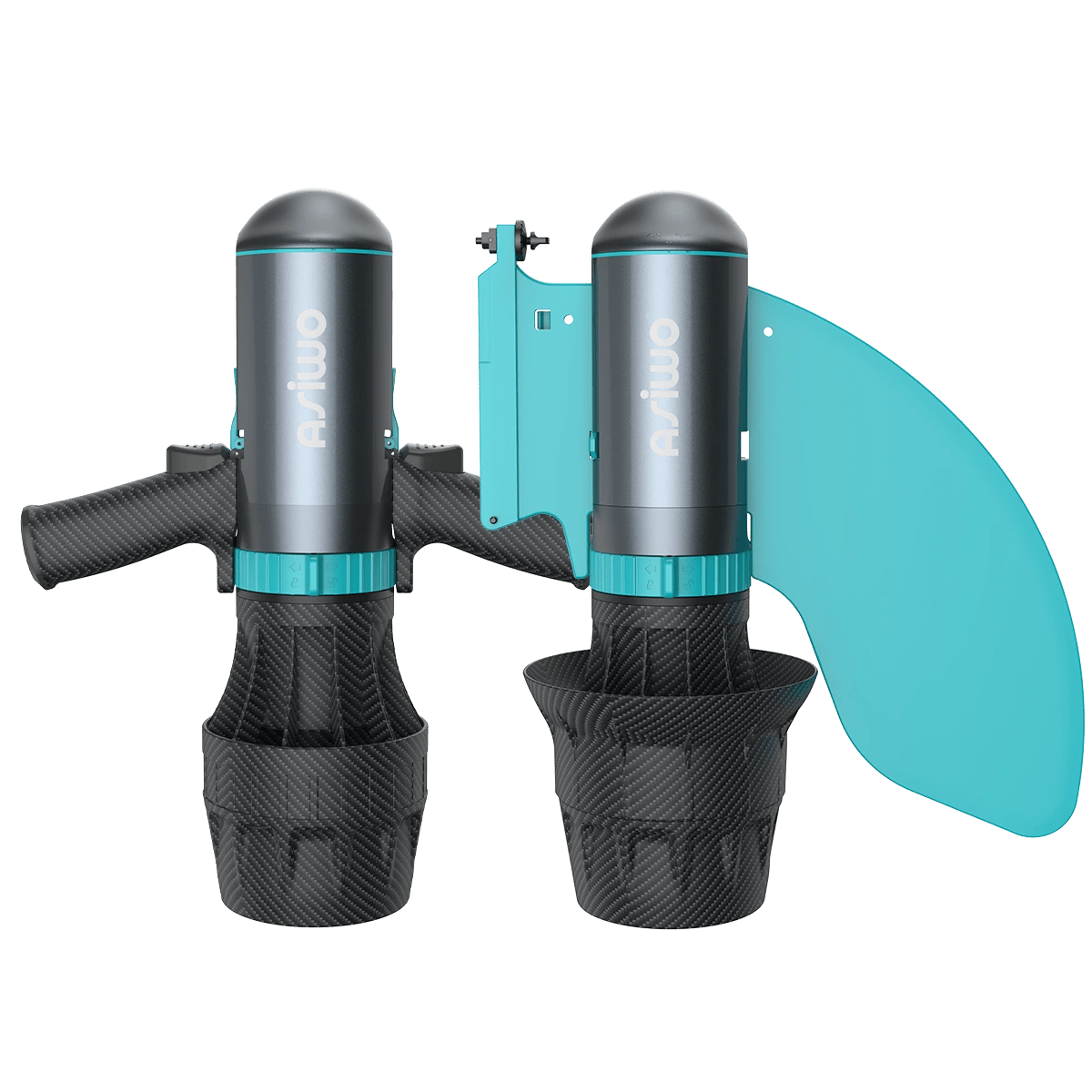
- ASIWO U1 Universal Uderwater Scooter 2-in-1 for Diving SUP/ Kayak
- Underwater Diving Scooter: Fun Ride or Risky Glide?
- Open Water Diving Diver Propulsion Vehicle Recommendations


Laissez un commentaire