






A diver propulsion vehicle usually costs anywhere from about $300 to over $10,000, depending on its size, thrust, battery capacity, runtime, depth rating, and intended use. Compact recreational underwater scooters sit at the lower end, while scuba-ready and technical diving DPVs cost much more because they need stronger motors, better sealing, larger batteries, stable handling, and more reliable underwater performance.
The right budget depends on how you plan to use it. A snorkeler in calm water does not need the same DPV as a cave diver, wreck diver, or photographer carrying heavy gear. Price should match the environment, dive depth, current, runtime needs, and safety margin.
This guide covers typical DPV price ranges, what affects cost, what different buyers actually need, and what extra expenses to consider before buying.
How Much Does a DPV Cost?
Most diver propulsion vehicles fall into four broad price ranges. Recreational underwater scooters usually cost a few hundred dollars. Scuba-ready models often move into the $800 to $4,500 range. Technical diving DPVs can reach $10,000 or more.
Here is a simple way to compare common DPV price ranges:
| DPV Type | Typical Cost | Best For |
|---|---|---|
| Recreational underwater scooter | $300–$800 | Pools, snorkeling, casual ocean use |
| Entry scuba DPV | $800–$2,000 | Light scuba use, short dives, travel |
| Mid-range diving DPV | $2,000–$4,500 | Regular divers, longer dives, training |
| Technical diving DPV | $4,500–$10,000+ | Cave, wreck, deep, expedition diving |
These ranges are not strict rules. A compact scooter with premium batteries may cost more than expected, while some entry scuba models may stay near the lower end. The key is to compare the price with the actual use case.
Recreational Models
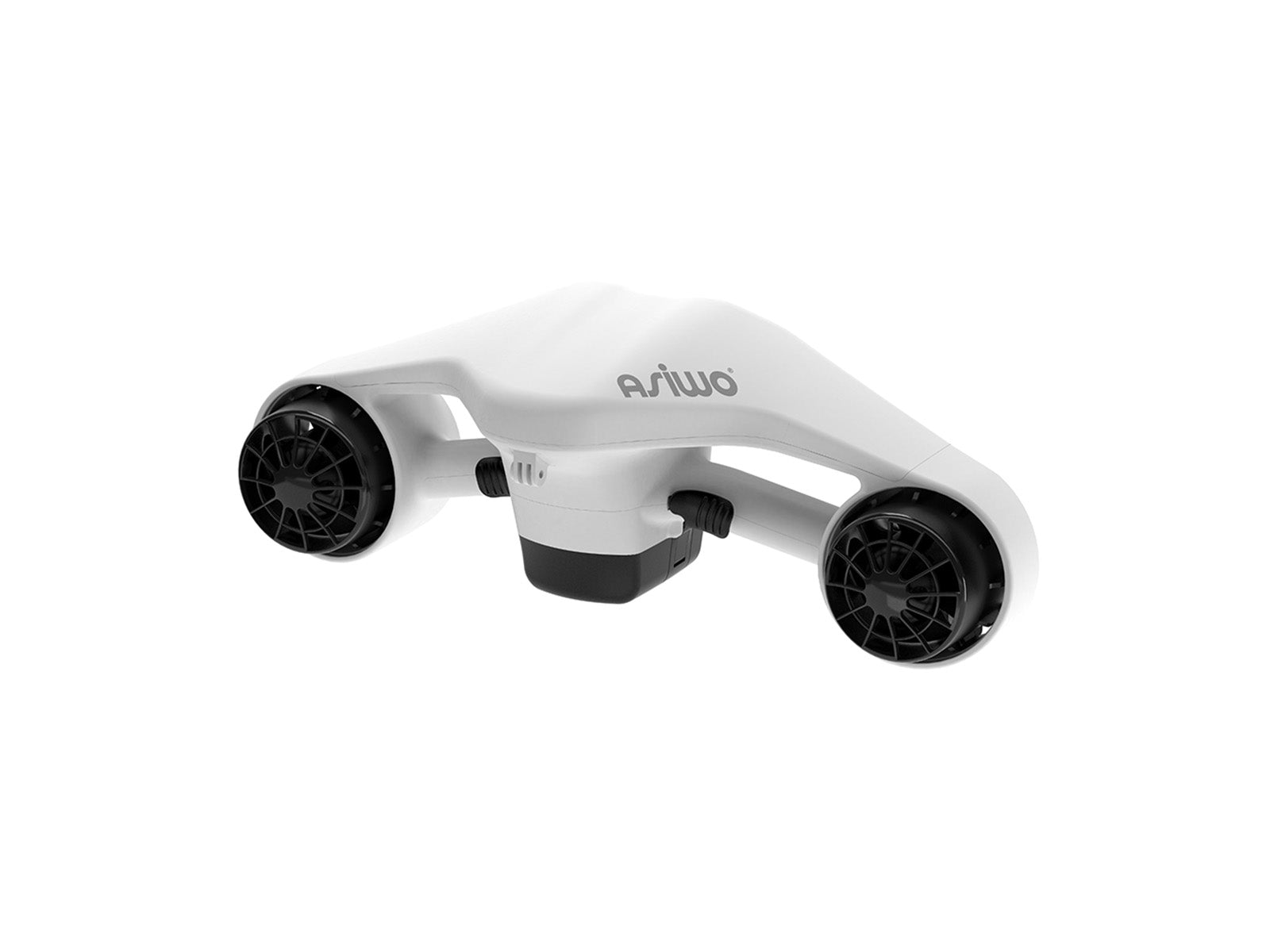
Recreational underwater scooters usually cost around $300 to $800. These models are designed for pool use, snorkeling, shallow reef cruising, family water activities, and casual ocean swimming.
They are usually smaller, lighter, and easier to travel with. Many have simple controls, shorter runtime, and lower thrust than scuba-focused DPVs. That makes them more beginner-friendly, but also less suitable for deeper dives, strong current, or heavy gear.
A recreational model is usually enough if the goal is short surface-level fun, relaxed snorkeling, or helping a swimmer move more easily in calm water.
Scuba-Ready Models
Scuba-ready DPVs usually cost around $800 to $4,500, depending on the model. These units are built for divers wearing tanks, weights, fins, and other scuba equipment. They need more thrust than a basic sea scooter because they have to move a fully equipped diver underwater.
At this level, buyers should look closely at depth rating, runtime, battery type, buoyancy, trim, control layout, and how the unit behaves during ascent, descent, and turns. A low price may look attractive, but poor handling or short runtime can limit the DPV quickly on real dives.
Scuba-ready models make sense for recreational divers who want to cover more distance, reduce kicking effort, manage mild current, or explore larger reef areas.
Technical DPVs
Technical diving DPVs can cost $4,500 to $10,000+. These models are built for demanding environments where reliability matters much more than convenience. Cave diving, wreck penetration, deep diving, and long-range exploration require more range, stronger construction, better trim, and dependable service support.
A technical DPV is not just a faster underwater scooter. It becomes part of the dive plan. Divers may use it to manage distance, gas planning, exit time, and team movement. That is why high-end models cost far more than recreational units.
For casual users, this price range is usually unnecessary. For technical divers, buying too cheap can create serious limits.
Why Do DPV Prices Vary So Much?
DPV prices vary because different models are built for very different jobs. A small underwater scooter for snorkeling does not need the same motor, sealing, battery system, or pressure resistance as a DPV used for deep dives or overhead environments.
The biggest price drivers are thrust, runtime, battery quality, depth rating, construction, buoyancy control, serviceability, and brand support.
Thrust and Speed
Thrust affects how well a DPV can move a diver through water. A casual swimmer needs much less thrust than a scuba diver carrying a tank, weights, camera gear, or stage bottles.
More thrust usually means a stronger motor, better propeller design, higher battery output, and stronger internal components. It also creates more heat and power demand, so the battery and housing must be designed to handle it.
Higher thrust matters most for:
- Scuba divers with full gear
- Divers in mild current
- Larger riders
- Underwater photographers with heavy setups
- Long reef routes
- Technical divers carrying extra equipment
Speed alone should not be the only reason to pay more. Stable control, battery life, and safe handling matter more underwater.
Battery and Runtime
Battery size has a major effect on cost. A small scooter may run long enough for a short snorkeling session, but a scuba diver may need enough runtime for a full dive plus a safety margin.
Longer runtime usually requires larger battery capacity, better battery management, stronger sealing, and safer charging systems. Swappable batteries, airline-friendly designs, fast chargers, and smart battery displays can also raise the price.
Runtime claims should be read carefully. A DPV may run longer at low speed than at high speed. Cold water, strong current, heavy gear, and frequent speed changes can reduce real-world runtime.
Depth and Build Quality
Depth rating is one of the clearest differences between a casual scooter and a serious diving DPV. A shallow-water scooter may work fine in a pool or near the surface, but deeper scuba use requires stronger sealing and pressure-resistant construction.
Higher-end DPVs often use stronger housings, better shaft seals, more reliable controls, tougher propeller guards, and designs that can handle repeated diving. These details increase cost, but they also affect safety and long-term reliability.
If a DPV will be used below recreational snorkeling depth, depth rating should be checked before price.
What DPV Price Range Fits Your Use?
The right DPV price range depends on the type of water activity, not just the buyer’s budget. A snorkeler, a recreational scuba diver, and a cave diver need very different levels of performance.
A lower-cost model can be a smart buy for casual use. A higher-cost model becomes worth considering when the dive requires more runtime, depth capability, control, and reliability.
For Snorkeling
For snorkeling, pool use, and calm-water fun, a recreational underwater scooter in the $300 to $800 range is usually enough. These scooters are easier to carry, easier to charge, and easier for beginners to control.
They work best for:
- Pools
- Calm lakes
- Shallow reefs
- Casual snorkeling
- Travel-friendly water fun
- Short ocean sessions near shore
They are not ideal for deep scuba dives, rough current, long distances, or situations where the scooter becomes part of a safety plan.
For Recreational Scuba
For recreational scuba, a budget of $800 to $4,500 is more realistic. Scuba divers need to look beyond the sticker price. A DPV should match the dive depth, expected current, total gear weight, and planned runtime.
A scuba diver should check:
- Maximum depth rating
- Runtime at normal speed
- Thrust level
- Battery type
- Weight and buoyancy
- Trim underwater
- Control comfort
- Charging time
- Service and parts availability
An entry scuba DPV may work for simple reef dives in calm water. More frequent divers may benefit from a stronger mid-range model with better handling and longer runtime.
For Technical Diving
For technical diving, the budget often starts around $4,500 and can go much higher. Technical divers use DPVs in environments where failure has bigger consequences. Range, reliability, trim, tow systems, service support, and battery planning matter more than low price.
A technical DPV may be used for:
- Cave diving
- Wreck penetration
- Deep diving
- Long-range exploration
- Stage bottle transport
- Team-based dive plans
- Professional or expedition use
This is not the right category for beginners who only want a fun water toy. It is for trained divers who understand gas planning, redundancy, navigation, and failure procedures.
What Extra Costs Should You Expect?
The purchase price is not the full cost of owning a diver propulsion vehicle. Extra costs can include spare batteries, chargers, travel cases, harnesses, tow cords, mounts, maintenance parts, and service.
These costs matter more as the DPV becomes more advanced.
Batteries and Chargers
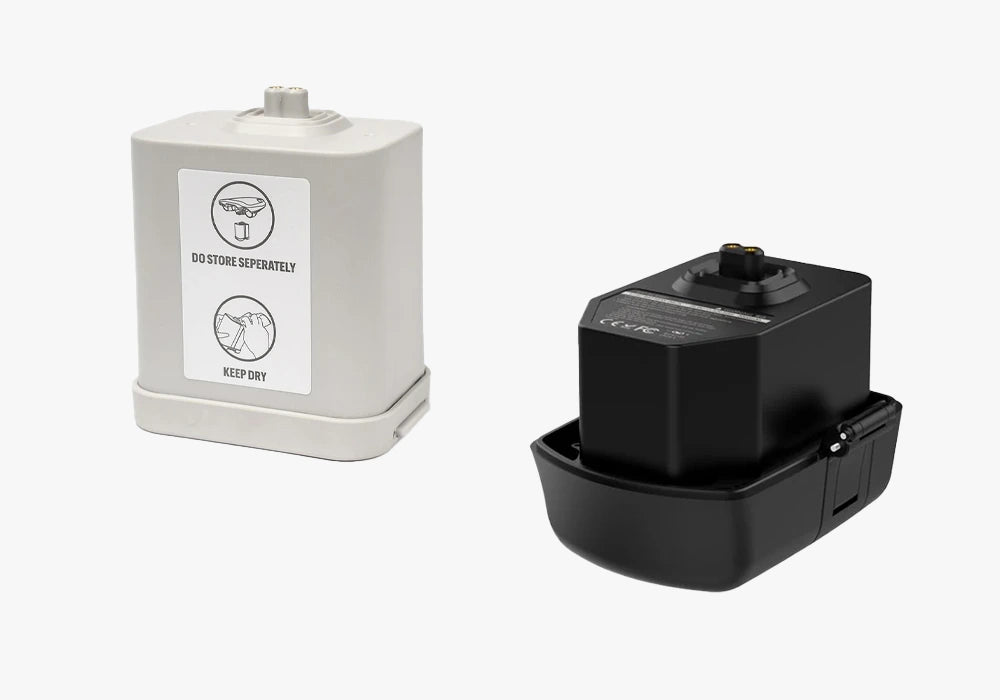
Batteries can be one of the biggest extra costs. A spare battery may be useful for travel, back-to-back dives, or longer days on the water. Some higher-end batteries can cost hundreds or even thousands of dollars.
Charging equipment also matters. Some models include a charger, while others may offer faster chargers or additional charging accessories. Battery replacement cost should be checked before buying because all rechargeable batteries age over time.
Travel can add another layer. Large lithium batteries may face airline restrictions, so divers who fly often should check battery size and transport rules before choosing a model.
Mounts and Harnesses
Some DPVs work best with tow cords, harnesses, clips, handles, or camera mounts. Casual users may not need many extras, but scuba and technical divers often do.
Common accessories include:
- Tow cords
- Harness attachments
- Carry handles
- Camera mounts
- Spare propellers
- Nose clips or ballast parts
- Travel bags or hard cases
- Replacement seals or O-rings
Small accessories can add up, especially if the DPV is used often or transported frequently.
Maintenance and Service
A DPV has moving parts, seals, electronics, and batteries. That means maintenance is part of ownership.
Common long-term costs can include:
- O-rings
- Seals
- Propeller parts
- Battery contacts
- Chargers
- Trigger or control parts
- Pressure checks
- Factory or dealer service
- Replacement batteries
Higher-end DPVs may need more specialized service. That is not always a negative. Good service support can make an expensive DPV a better long-term value than a cheaper model with poor parts availability.
Is a More Expensive DPV Worth It?
A more expensive DPV is worth it when the extra performance directly supports the way you dive. Paying more can bring stronger thrust, longer runtime, better depth rating, stronger construction, better trim, and more reliable control.
But expensive does not automatically mean better for every buyer. A casual snorkeler may be happier with a compact scooter that is light and simple. A technical diver should not rely on a low-cost recreational model for serious dives.
When Paying More Makes Sense
Paying more makes sense when the DPV is used for scuba, current, deeper water, longer routes, or frequent diving. Better models usually offer more predictable performance and stronger build quality.
A higher budget makes sense if you need:
- Longer underwater runtime
- Stronger thrust with full scuba gear
- Better depth rating
- Stable trim
- Reliable controls
- Better battery management
- Stronger sealing
- Service support and spare parts
- Better performance in current
For regular divers, a higher-quality DPV can also reduce frustration. Better balance, smoother speed control, and longer runtime can make dives easier and more enjoyable.
When Budget Models Are Enough
Budget models can be enough for light, casual use. If the DPV is mainly for swimming pools, family trips, snorkeling, or short reef sessions, a recreational model may be the smarter buy.
A lower-cost scooter works best when:
- The water is calm
- The depth is shallow
- The session is short
- The rider is not carrying scuba gear
- The DPV is for fun, not safety
- Travel weight matters more than high thrust
For many beginners, a simple model is easier to handle and maintain.
When Not to Buy Cheap
Do not buy the cheapest DPV if the dive plan requires depth, distance, current handling, or safety-critical reliability. A low-cost scooter can become risky if it is used outside its intended range.
Avoid choosing only by price if you plan to use the DPV for:
- Deep scuba dives
- Strong current
- Long-distance underwater travel
- Wreck penetration
- Cave diving
- Cold water with heavy gear
- Professional diving
- Any dive where scooter failure affects exit planning
A DPV should match the dive. Saving money upfront is not worth much if the scooter lacks the thrust, runtime, or reliability needed for the environment.
How Should You Choose a DPV Budget?
Choose a DPV budget by starting with the use case, not the lowest price. Match the budget to water conditions, depth, runtime, travel needs, and safety expectations.
A buyer who only wants a pool scooter can stay in the lower price range. A scuba diver should budget for performance and safety. A technical diver should focus on reliability, parts, training, and service support.
Match Cost to Dive Type
Your dive type should decide your budget.
For casual snorkeling, a $300 to $800 recreational scooter is often enough. For light scuba use, expect to spend closer to $800 to $2,000. For regular scuba diving or longer underwater routes, $2,000 to $4,500 is more realistic. For technical diving, plan for $4,500 to $10,000+.
The deeper, longer, colder, or more complex the dive, the less price should dominate the decision.
Compare Runtime and Depth
Two DPVs can cost similar amounts but perform very differently. One may have better runtime. Another may have a higher depth rating. Another may be lighter and easier to travel with.
Compare these specs before buying:
- Runtime at normal speed
- Maximum depth rating
- Thrust level
- Speed settings
- Battery capacity
- Charging time
- Total weight
- Buoyancy and trim
- Control design
- Service access
The best value is not always the cheapest model. It is the model that fits the actual dive without paying for features you will not use.
Check Support and Parts
Support affects long-term value. A cheaper DPV can become expensive if batteries, chargers, seals, or replacement parts are hard to find.
Before buying, check:
- Warranty length
- Battery availability
- Replacement charger cost
- O-ring and seal availability
- Propeller parts
- Local service options
- Dealer support
- User manual quality
- Travel and storage guidance
A DPV with strong parts support can be easier to own for years.
Conclusion
A diver propulsion vehicle can cost around $300 to $800 for casual recreational models, $800 to $4,500 for scuba-focused options, and $4,500 to $10,000+ for technical diving DPVs. The wide price range comes from differences in thrust, runtime, battery capacity, depth rating, sealing, build quality, handling, and service support.
For snorkeling and pool fun, a compact recreational scooter may be enough. For scuba diving, current, depth, or longer routes, runtime and reliability matter more than the lowest price. For technical diving, the DPV becomes part of the dive plan, so range, trim, redundancy, service support, and training should guide the budget.
The best DPV is not the most expensive one. It is the one that safely matches where, how, and how often you will use it.
FAQs
What is the average cost of a diver propulsion vehicle?
A diver propulsion vehicle usually costs between $300 and $10,000+. Recreational underwater scooters often cost $300 to $800, while scuba-ready and technical diving DPVs can cost several thousand dollars.
Why are technical diving DPVs so expensive?
Technical diving DPVs cost more because they need stronger motors, longer runtime, better sealing, deeper depth ratings, stable trim, and dependable service support. They are often used in demanding environments like caves, wrecks, and deep dives.
Is a cheap underwater scooter good for scuba diving?
A cheap underwater scooter may work for very light use, but it is usually not ideal for serious scuba diving. Scuba divers should check depth rating, thrust, runtime, buoyancy, battery safety, and control quality before using any scooter underwater.
How much should a beginner spend on a DPV?
A beginner snorkeler may only need a $300 to $800 recreational scooter. A beginner scuba diver should usually budget more, often around $800 to $2,000 or higher, depending on depth, current, and planned dive time.
Are DPVs expensive to maintain?
DPV maintenance costs vary by model. Casual scooters may only need basic cleaning and battery care, while higher-end DPVs may require replacement seals, O-rings, batteries, chargers, propeller parts, and periodic service.


Laissez un commentaire