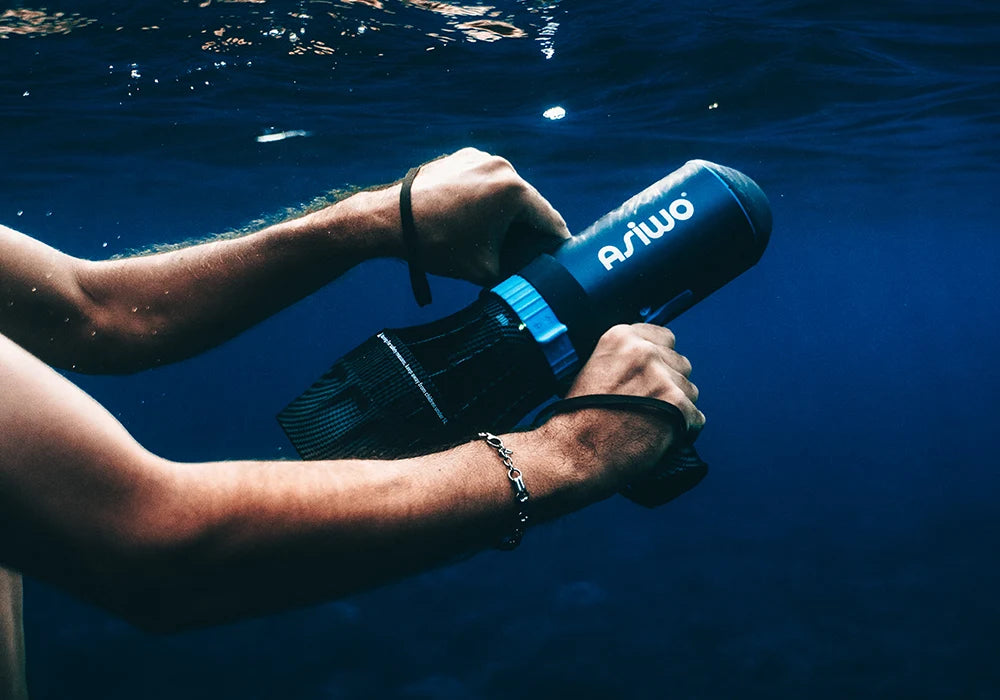







To use an Underwater Scooter in different water conditions, adjust your speed, body position, and route instead of riding the same way everywhere. Calm water is best for practice, while ocean chop, current, and low visibility make control harder. Most beginners should start in shallow, clear water and progress gradually. A sea scooter is easy to use, but water conditions affect performance more than the specs, so good technique comes down to control, visibility, and managing your return.
This guide explains how to use an underwater scooter effectively in different water conditions.
Quick Comparison Table for Different Water Conditions
This table shows how riding technique should change from one condition to another.
| Water condition | Best speed approach | Main risk | Best rider action |
|---|---|---|---|
| Calm water | Low to moderate | Oversteering, wasted battery | Practice starts, stops, wide turns |
| Ocean chop | Moderate | Unstable launch, poor surface control | Choose cleaner entry, stay conservative |
| Mild current | Moderate | Fast battery drain, difficult return | Work across or with current, save reserve |
| Murky lake | Low | Hidden obstacles, short reaction time | Use short routes, increase bottom clearance |
| Cold or mixed conditions | Low to moderate | Fatigue, tense steering | Shorten session, stay close to exit |
What Is the Best Way to Control an Underwater Scooter?
The best way to control an underwater scooter is to keep a streamlined body position, start at low speed, and make small steering corrections instead of sudden movements. Good control comes from balance and restraint, not from fighting the scooter.
Before using a scooter in the ocean, a lake, or low-visibility water, basic handling should already feel automatic. If you still struggle with straight tracking or wide turns in calm water, harder conditions will expose that quickly.
How Should You Hold Your Body and Grip?
Keep your body long and aligned behind the scooter. A flatter, more streamlined position reduces drag and helps the scooter track in a straighter line. Bent knees, raised shoulders, and a lifted chest usually create wobble and wasted battery.
Hold the handles firmly, but do not over-grip. Tight arms make steering jerky. Most direction changes come from small shifts in wrist angle, forearm pressure, and body alignment rather than sharp arm movements.
If you are snorkeling near the surface, keep your head stable and your breathing rhythm relaxed. Riders who constantly lift their head or tense their shoulders usually lose control more easily in chop.
How Should Beginners Practice Speed, Turning, and Stopping?
Start on the lowest speed mode. Most beginners gain more from 10 controlled minutes at low power than from a few fast passes with poor form. Lower speed gives more time to react and makes it easier to understand how the scooter pulls through the water.
Practice in this order:
- straight runs over a short distance
- gentle wide turns
- stop-and-reset drills
- small depth changes in calm water
If you can launch cleanly, hold direction, make a smooth turn, and stop without drifting into the bottom or surface repeatedly, you are ready for slightly more variable conditions.

How Should You Use an Underwater Scooter in Calm Water?
The best way to use an underwater scooter in calm water is to treat it as a training environment. Calm water helps you learn throttle response, steering, drag reduction, and battery habits without dealing with extra variables.
Pools, sheltered coves, and quiet bays are the best starting points because they give you room to make mistakes without also forcing you to manage current or poor visibility.
Why Are Pools and Quiet Bays Best for Practice?
Pools and protected bays give immediate feedback. You can tell whether poor movement comes from your body position or from the scooter itself, because the water is not pushing you off line.
That makes it easier to learn:
- how quickly the throttle responds
- how much the scooter pulls at each speed
- how far you drift after easing off power
- how body position changes battery efficiency
For surface snorkeling, calm water also helps you settle into a breathing rhythm. That matters because rushed breathing often leads to rushed handling.
What Technique Works Best in Flat Water?
Smooth movement works best. Avoid fast starts. Let the scooter pull first, then settle your body behind it. Most beginners kick too much even though the scooter already provides the main forward force. Extra kicking often adds fatigue without adding useful control.
Flat water is also the right place to understand battery behavior. If a scooter is rated for roughly 30 to 60 minutes, real runtime often falls 20% to 40% when riders use higher speed modes, restart repeatedly, create extra drag, or ride against moving water. That is why calm-water practice should include low-speed efficiency, not only handling.
How Do You Use an Underwater Scooter in Ocean Water?
To use an underwater scooter in ocean water, lower your ambition and raise your caution. Ocean conditions change speed, direction, fatigue, and battery use far more than most beginners expect. The right approach is a conservative launch, a simple route, and enough battery left for a comfortable return.
Ocean sessions feel different because surface chop, surge, and current can act on both the rider and the scooter at the same time. The scooter may still function normally, but the environment makes control less exact.
How Should You Handle Waves and Surface Chop?
Surface chop affects launch stability first. If you cannot settle into position in the first minute, the session is already telling you something. Beginners should not force a rough start near rocks, surf, or a crowded shoreline.
Use these adjustments:
- enter from the calmest practical point
- get stable before adding more throttle
- stay at moderate speed near the surface
- avoid sharp turns in broken water
More throttle does not fix bad surface conditions. In chop, higher speed often creates more bounce, more spray, and less control. A moderate, steady pull is usually the better choice.
How Should You Ride in Current?
The safest way to use an underwater scooter in current is to work with the water, not against it. Even a capable unit can feel weak if you aim straight into moving water for too long.
A simple planning rule works well: leave with the expectation that the return will be harder. That means using only part of the battery on the outward leg and avoiding long runs that depend on perfect conditions.
Warning signs that current is too strong include:
- you are not making clear forward progress
- your exit point keeps drifting sideways
- you need high power just to hold line
- the return already looks difficult early in the session
For most casual riders, any current strong enough to move the body noticeably while floating still is not a good learning condition.
How Should You Use an Underwater Scooter in Lakes or Murky Water?
Use an underwater scooter more slowly and more conservatively in lakes or murky water. Flat water may look easy, but low visibility, weeds, soft bottom, and debris often make lake use less forgiving than clear coastal water.
The main issue is reaction time. In clear water, riders can spot the bottom, obstacles, and route changes early. In murky water, that margin disappears quickly.
What Changes in Low Visibility?
Low visibility demands lower speed and shorter routes. If you can only see 6 to 10 feet ahead, speed that feels harmless in clear water can become excessive because you do not have enough time to react.
In these conditions:
- stay farther from the bottom
- leave extra space from docks, rocks, and weed lines
- use simple out-and-back routes
- stay near a known exit area
If visibility is poor enough that you cannot judge direction or bottom spacing comfortably, the session should stay short and close to shore.
How Do Bottom Conditions Affect Control?
Bottom conditions matter more than many riders expect. Silt can cloud the water within seconds if the prop wash gets too close to the bottom. Vegetation can add drag or create entanglement. Branches, fishing line, and submerged debris are easy to miss in dark water.
A safer approach is to ride with more bottom clearance and avoid tight passes over soft sediment or weed beds. Flat water does not remove risk. It only removes wave motion.
Cold water adds another layer. Even if the scooter battery is fine, hands, breathing comfort, and body relaxation may deteriorate much sooner than expected. That often makes a 30-minute session unrealistic for a beginner.
How Should You Adjust Technique in Tough Conditions?
The right way to adjust technique in tough conditions is to simplify everything: lower the speed, shorten the route, widen the turns, and stay closer to your exit. Tough water is not the place to test limits.
Some conditions can be managed with skill. Others simply should not be ridden. The key difference is whether you still have control, visibility, and reliable return margin.
What Technique Works Better in Cold or Choppy Water?
Cold or choppy water usually requires shorter sessions and cleaner technique. Riders tense up more, grip harder, and make more abrupt corrections. That reduces steering quality and increases fatigue.
A better method is:
- use moderate speed only
- shorten each pass
- turn earlier
- stay closer to shore, boat support, or your launch point
- stop before fatigue changes your decision-making
Published runtime numbers are not the same as useful session time. In harder water, real usable time is often much shorter than the maximum battery figure.
When Are Conditions Too Difficult to Ride?
Conditions are too difficult when control starts breaking down or safe return becomes uncertain. At that point, the problem is not confidence. It is judgment.
Stop the session if you notice any of these:
- strong current with weak forward progress
- heavy surf at the entry or exit
- poor visibility combined with obstacles
- repeated drifting off line
- unstable launches near the surface
- rising fatigue, stress, or discomfort
A scooter should expand safe fun, not pressure you into proving you can handle bad conditions.
What Safety Checks Matter Before Any Underwater Scooter Session?
The most useful safety check is a quick system check before you enter and a simple return plan before you start moving. That matters in calm water and matters even more in current or low visibility.
A short check takes less than a minute and prevents a lot of avoidable mistakes.
What Should You Check on the Scooter First?
Check the scooter before every session, especially after transport, storage, or saltwater use.
Look at these points first:
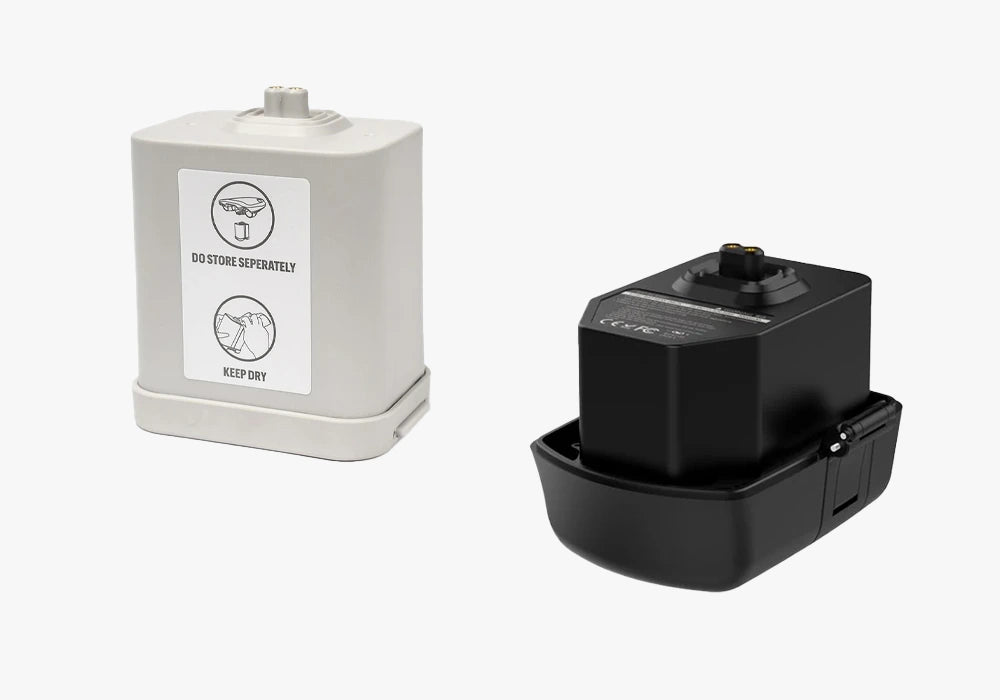
- battery charge level
- seal and latch closure
- propeller area for sand, weed, or debris
- housing for cracks or impact damage
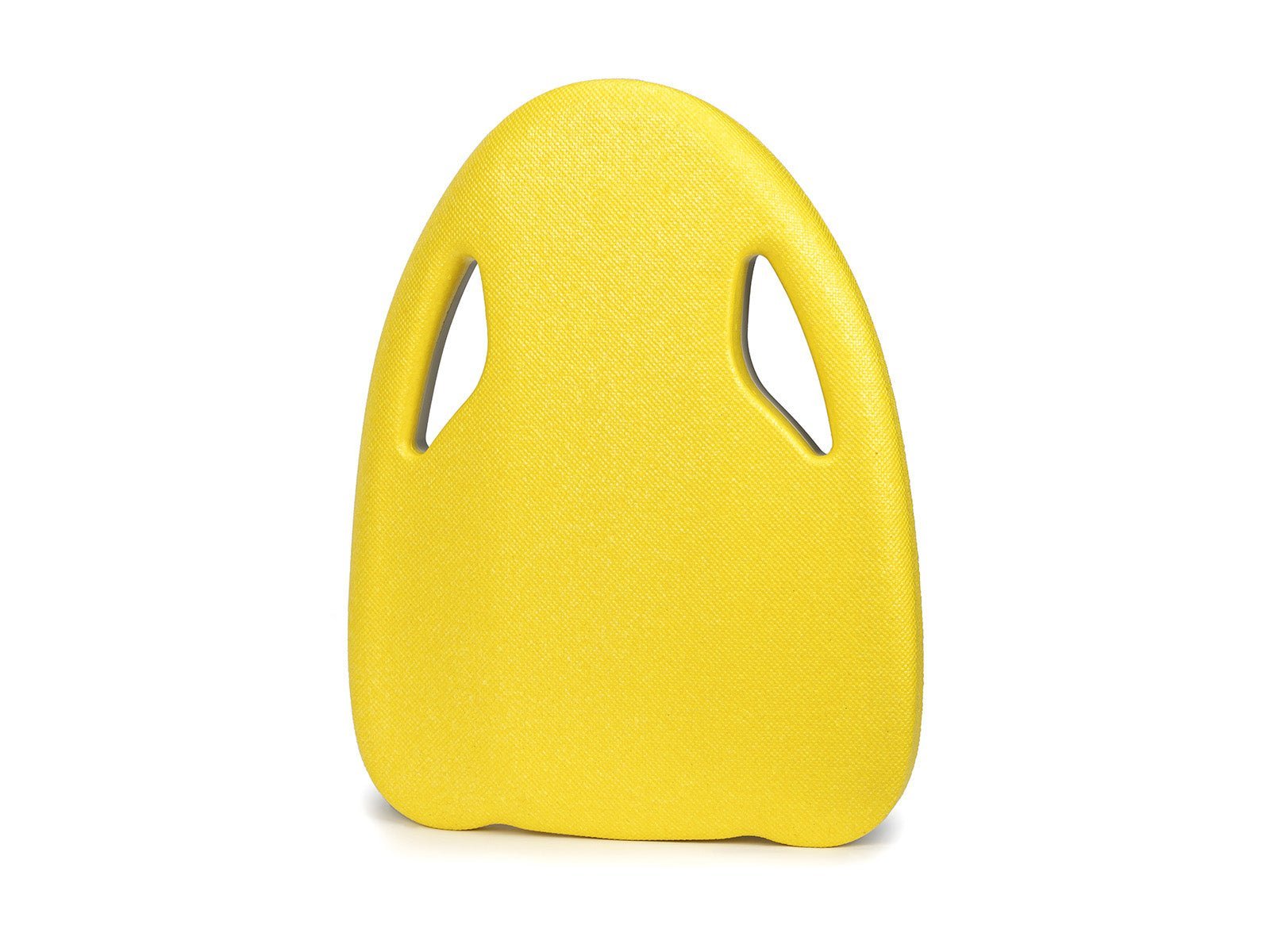
- floatability accessory or leash attachment
- trigger and handle response
If the scooter has been used in salt water, rinse it thoroughly after the session and inspect the same points again. Salt, sand, and trapped debris are common sources of wear.
What Is the Safest Way to Plan a Ride?
The safest ride plan is short, simple, and reversible. Do not build the whole outing around the scooter’s maximum advertised runtime. Build it around your exit point, your energy, and the likelihood that conditions may worsen.
A practical ride plan should include:
- never riding alone
- keeping at least 30% to 50% battery in reserve for the return
- staying inside the unit’s depth and range limits
- knowing your exit point before launch
- avoiding boat traffic and crowded swim areas
- respecting reefs, marine life, and local rules
The return plan matters as much as the outward route. Riders often cover distance faster than they expect, especially when current or excitement hides how far they have drifted.
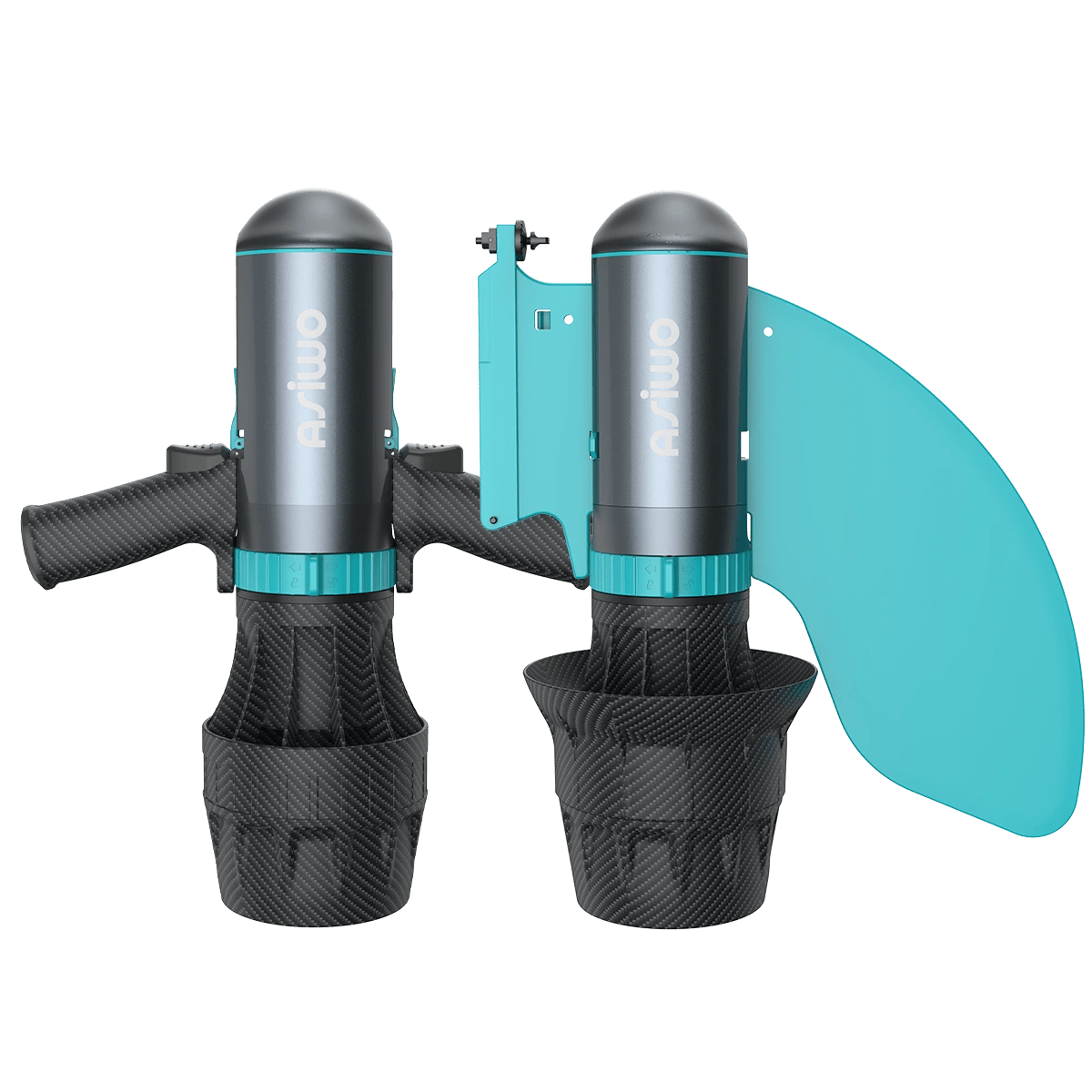
ASIWO Manta Underwater Scooter for Different Water Conditions
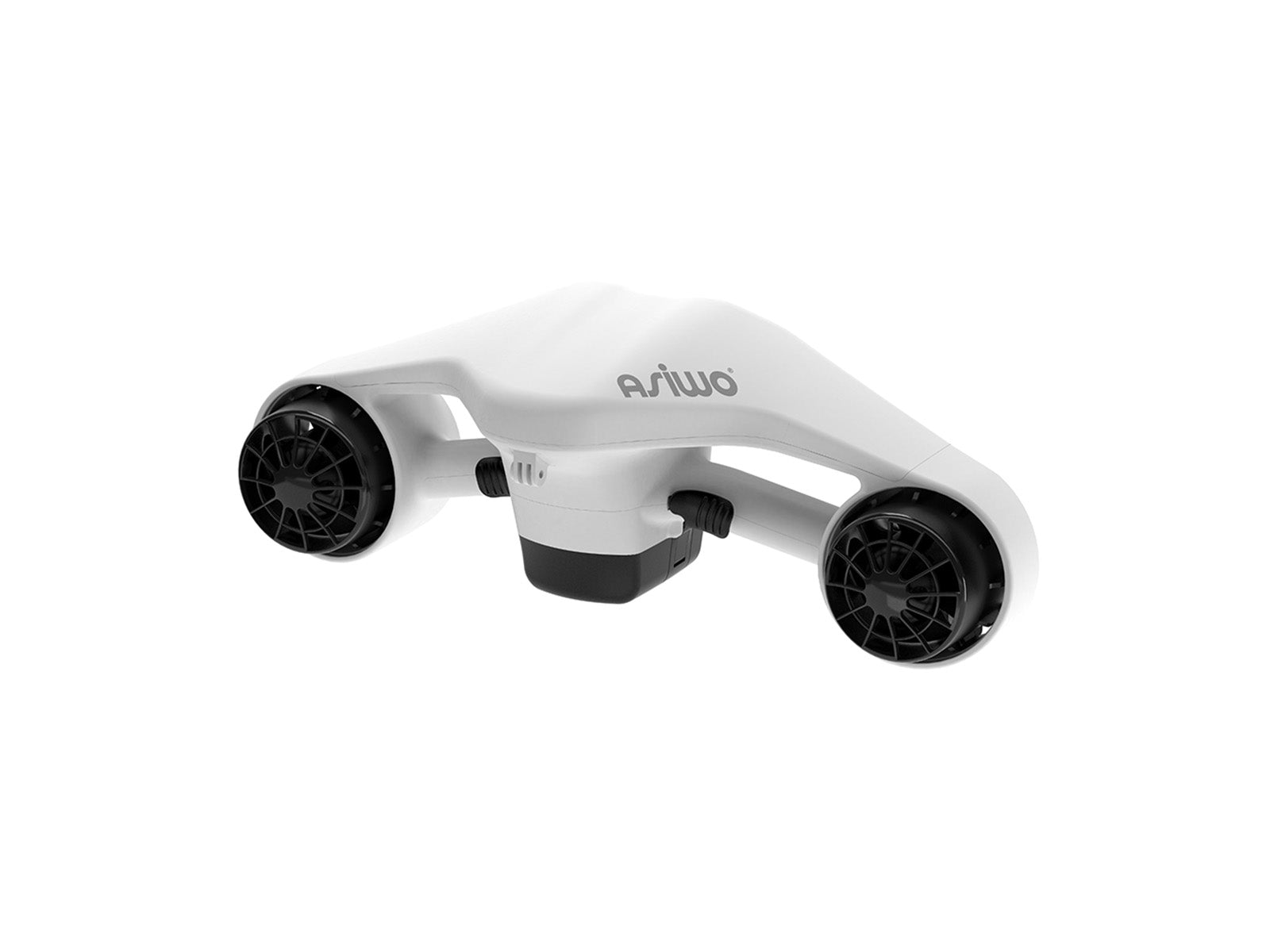
The ASIWO Manta underwater scooter is built for casual snorkeling and light diving use across calm water, coastal areas, and controlled open water conditions.
It uses a dual-motor setup that delivers stable forward pull without feeling too aggressive, which helps beginners stay in control while still giving enough thrust for longer swims.
With a runtime of up to around 35–45 minutes depending on speed and usage, it fits short exploration sessions where battery planning still matters.
Its compact, travel-friendly size makes it easier to carry to beaches or lakes, and the buoyant design helps prevent sinking if released.
In real use, it works best in clear, low-current water, but with proper technique, it can handle mild ocean chop and light current while maintaining steady control.

ASIWO Manta is a lightweight underwater scooter for surface snorkeling and shallow-water exploring. With three speed modes, it helps you glide smoothly, reduce fatigue, and keep a steady face-down position for easier breathing.
Conclusion
The best way to use an underwater scooter in different water conditions is to adjust the ride to the water, not force the water to fit the ride. Calm water is for learning. Ocean water requires cleaner entries, better timing, and more battery discipline. Lakes and murky water require lower speed and more clearance. Tough conditions require simpler technique and stricter limits.
For most riders, the right progression is straightforward: start in clear, shallow, low-current water, master control first, then step up one variable at a time. A sea scooter feels easy only when the rider respects visibility, return margin, and the fact that water conditions shape the whole experience.
FAQs
1. Can beginners use an underwater scooter in the ocean?
Yes, but only in mild ocean conditions. A protected bay or calm coastal area is far better than open surf or strong current. Beginners should avoid conditions that make clean launch, stopping, and return planning difficult.
2. How much battery should you save for the return?
A good rule is to keep 30% to 50% battery in reserve, especially in current, chop, or unfamiliar water. Harder conditions drain battery faster than calm-water practice.
3. Is a sea scooter safe in murky water?
It can be, but speed should stay low and routes should stay short. Murky water reduces reaction time and makes weeds, docks, rocks, and debris harder to avoid.
4. What is the best water condition for first-time use?
Calm, shallow, clear water with minimal current and an easy entry point is the best first condition. Pools, quiet bays, and sheltered beaches are ideal for early practice.
5. When should you stop a session immediately?
Stop if you lose clear forward progress, drift off line repeatedly, face heavy surf at the exit, struggle with visibility, or start feeling tired, tense, or uncomfortable. Those are practical warning signs, not small annoyances.


Laissez un commentaire