






Scuba diving types usually fall into four main groups: recreational, technical, specialty, and professional diving. For most people, recreational diving is the starting point, covering common styles like open water, night, drift, deep, and wreck diving. As skills grow, divers may move into more advanced forms with greater depth, stricter conditions, or specialized goals.
The right type depends on your training, the environment, and what you want from the dive. This guide covers the main types of scuba diving, how they differ, and how to choose the one that fits your skill level and interests.
Table: What Are the Main Types of Scuba Diving?
Scuba diving is not one single activity. It includes several types built around depth, environment, purpose, and training level.
A simple way to understand it is to break it into these categories:
| Main Category | What It Focuses On | Typical Diver |
|---|---|---|
| Recreational diving | Enjoyment, travel, marine life, basic exploration | Beginners to intermediate divers |
| Technical diving | Greater depth, overhead environments, decompression, mixed gases | Advanced divers with extra training |
| Specialty diving | Specific goals or environments | Divers with focused interests |
| Professional diving | Work, instruction, operations, or commercial tasks | Career divers |
What Are the Recreational Types of Scuba Diving?
Recreational scuba diving is the most common entry point. It is designed for personal enjoyment rather than work or advanced technical objectives. Most beginner certifications lead into this category, and most vacation dives fit here as well.
Open Water Diving
Open water diving is the standard starting point for new divers. It usually means diving in open environments such as the ocean, lakes, quarries, or calm coastal sites with direct access to the surface.
For newly certified divers, the typical training limit is around 18 meters or 60 feet. Conditions are usually chosen to be manageable, with decent visibility, mild current, and straightforward entry and exit points.
This type suits:
- beginners
- travel divers
- reef and marine life viewing
- anyone building basic buoyancy and breathing control
It does not suit divers looking for overhead environments, extreme depth, or complex navigation.
Night Diving
Night diving takes place after sunset or in very low light. The same dive site can feel completely different at night because visibility narrows to the beam of your torch, and many marine species behave differently after dark.
Night dives often show:
- nocturnal fish and invertebrates
- bioluminescence in some locations
- a quieter, more focused underwater experience
This type is exciting, but it requires comfort with buoyancy, communication, and light use. It is usually better for divers who already feel calm underwater during the day.
Drift Diving
Drift diving means moving with the current instead of fighting it. In many cases, the current carries the diver along a reef wall, channel, or slope while the group focuses on buoyancy, position, and navigation.
The main appeal is efficiency. You cover a lot of ground with less kicking, which makes drift diving popular in places with strong but predictable current.
It works well for:
- reef sightseeing
- experienced recreational divers
- divers who want a smoother, more effortless route
It is less suitable for beginners who are still learning position control and underwater awareness in moving water.
Deep Diving
Deep diving usually refers to diving deeper than the standard recreational comfort zone, often beyond 18 meters / 60 feet, and up to the recreational limit set by training agencies, commonly 40 meters / 130 feet with proper training.
The deeper you go, the more important gas management, narcosis awareness, ascent control, and bottom time become. Light also fades with depth, and small mistakes become more serious.
Deep diving appeals to divers who want:
- access to deeper reefs or walls
- larger pelagic species
- deeper wrecks or topography
It is not a good fit for new divers without extra training and solid control skills.
Wreck Diving
Wreck diving focuses on sunken ships, aircraft, and other submerged structures. Some wreck dives stay outside the structure, while others involve entering it. That is a major difference.
Non-penetration wreck diving is still recreational in many settings. Penetration diving can quickly become more advanced because it adds overhead risks, tighter spaces, and more navigation demands.
Wreck diving attracts divers who enjoy:
- maritime history
- structure and atmosphere
- fish life that gathers around artificial reefs
- exploration beyond open reef terrain
Its main downside is that wrecks often involve sharp surfaces, entanglement hazards, silt, and stronger navigation demands than a standard reef dive.
What Are the Technical Types of Scuba Diving?
Technical scuba diving goes beyond standard recreational limits. That can mean deeper dives, decompression obligations, overhead environments, or gas mixes other than standard air. The margin for error is smaller, and the training, planning, and equipment are much more demanding.
Cave Diving
Cave diving takes place in fully enclosed underwater cave systems where the diver does not have direct vertical access to the surface. This is one of the most demanding forms of scuba diving because visibility, navigation, and emergency exit options are limited.
Cave diving requires:
- line use and navigation skill
- excellent buoyancy control
- calm response under pressure
- redundant gas and light systems
This type is for highly trained divers only. It is not an advanced version of casual open water diving. It is a separate discipline with its own procedures and risks.
Ice Diving
Ice diving takes place under a frozen surface, usually through a single cut entry point. That means access to the surface is restricted, and the environment is cold, enclosed, and equipment-sensitive.
Specialized safety procedures often include:
- tether systems
- surface support teams
- cold-water exposure planning
- careful regulator and drysuit management
Ice diving offers a striking experience, but it is not forgiving. It suits divers who already have strong cold-water control and advanced training.
Decompression Diving
Decompression diving involves staying deep or long enough that you cannot make a direct ascent to the surface without staged decompression stops. These stops allow dissolved gases to leave the body more safely.
The benefit is extended bottom time and access to deeper or more complex dive profiles. The tradeoff is much tighter planning and a more serious consequence if something goes wrong.
This type requires:
- detailed dive planning
- backup gas strategy
- precise ascent control
- strong understanding of decompression procedures
Trimix Diving
Trimix diving uses a breathing gas mix that includes oxygen, helium, and nitrogen. Helium helps reduce the effects of nitrogen narcosis at greater depths, making deeper dives more manageable for trained divers.
Trimix is commonly used in:
- very deep wreck diving
- deep technical exploration
- dives where air would create too much narcosis risk
This is highly specialized diving. It demands advanced gas planning, deep training, and disciplined execution.

What Are the Specialty Types of Scuba Diving?
Specialty scuba diving includes dives defined by purpose, skill focus, or environmental interest rather than just depth. These types often build on recreational foundations but add a more specific goal.
Underwater Photography Diving
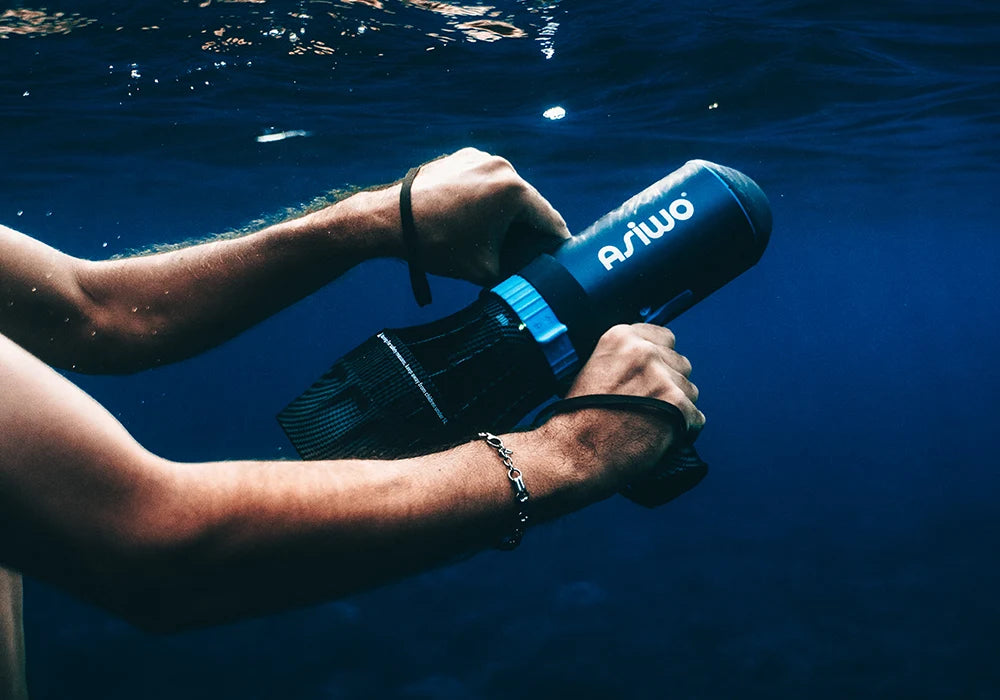
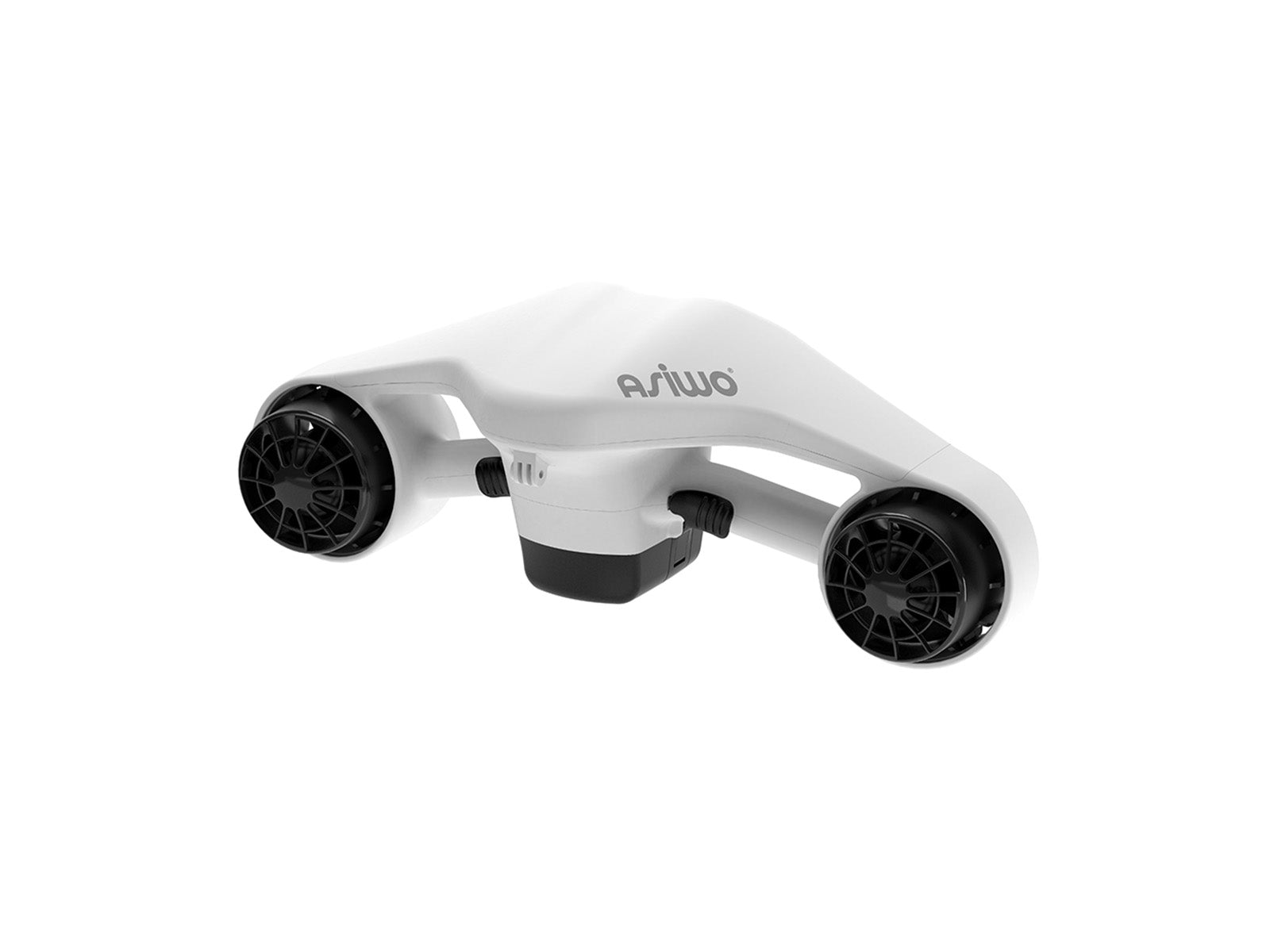
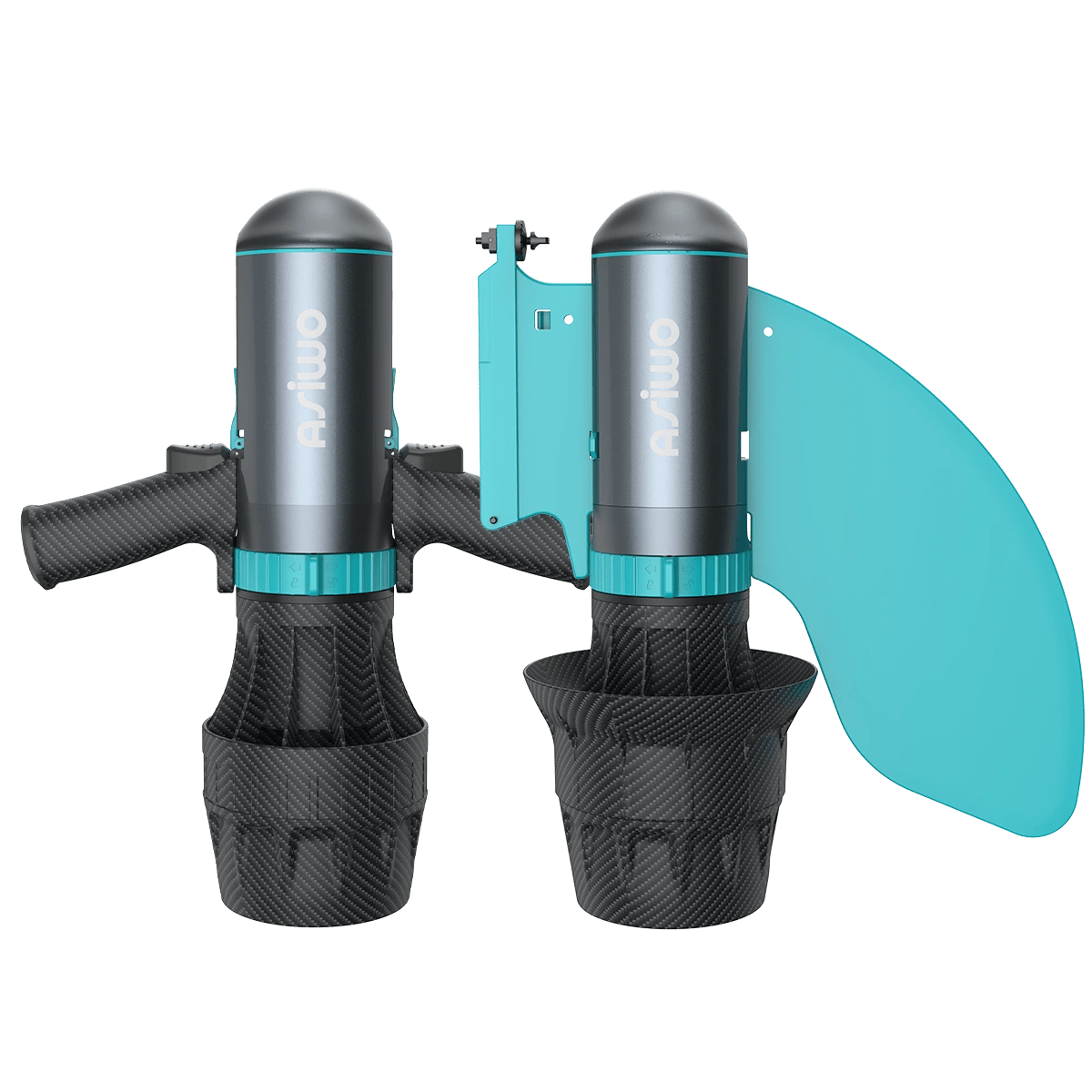
Underwater photography diving focuses on capturing marine life, behavior, reef scenes, or wide underwater landscapes. Good images depend less on expensive gear than many people expect and more on buoyancy control, patience, and positioning. In some conditions, an underwater scooter can also help photographers move more smoothly over longer distances, keep pace with marine life, or save energy during wider reef or open-water shots.
Photographers need to manage:
- distance to the subject
- fin movement around reef or silt
- camera stability
- awareness of gas, depth, and buddy position
This type is a strong fit for observant divers who enjoy slower, more controlled dives. It is less ideal for people who already feel overloaded underwater or have trouble managing multiple tasks at once.
Scientific Diving
Scientific diving supports research, surveys, habitat monitoring, sample collection, and underwater data work. It is often conducted by trained professionals, university teams, or research organizations.
Unlike leisure diving, the purpose is not simply to enjoy the dive. The diver may need to:
- collect measurements
- follow strict site protocols
- document species or coral condition
- perform repeated task-based work underwater
This type suits divers who enjoy precision, environmental work, and structured field activity.
Search and Recovery Diving
Search and recovery diving focuses on locating and retrieving lost objects underwater. That might include anchors, equipment, evidence, or personal items. This kind of diving depends heavily on navigation, pattern control, and calm, methodical execution.
Common skills include:
- compass use
- circular and jackstay search patterns
- lift bag use in some settings
- low-visibility teamwork
It is more task-focused than scenic. Divers who enjoy structure and problem-solving often find it satisfying.
Rescue Diving
Rescue diving centers on diver safety, stress recognition, accident prevention, and emergency response. It teaches divers how to identify problems early and respond effectively in the water and at the surface.
This type helps build:
- awareness of diver stress
- emergency management habits
- self-rescue ability
- stronger confidence under pressure
Many divers say rescue training changes how they think underwater. It makes them more observant, more disciplined, and less likely to miss early signs of trouble.
What Are the Professional Types of Scuba Diving?
Professional scuba diving turns diving into a job or formal role. The work can range from guiding tourists to conducting underwater construction. The training standard, risk level, and daily routine vary widely depending on the path.
Commercial Diving
Commercial diving includes underwater construction, welding, inspection, repair, and industrial support. These divers may work on bridges, pipelines, ports, dams, or offshore structures.
Commercial diving is physically demanding and often high risk. It usually involves:
- heavy equipment
- surface-supplied systems in some jobs
- poor visibility
- strict work procedures
- long training progression
This is a career field, not an extension of holiday diving.
Military Diving
Military diving supports defense, salvage, engineering, clearance, and specialized operations. Training is highly structured, physically demanding, and mission-focused.
Military divers may work in:
- ship maintenance
- underwater search
- tactical missions
- ordnance-related operations
- salvage and recovery
This path is for operational service, not recreational exploration.
Diving Instructor and Divemaster
Diving instructors and divemasters work within the recreational industry. Divemasters often guide certified divers, assist with training, and help supervise activities. Instructors teach certification courses and develop new divers.
This path suits people who enjoy:
- teaching
- dive travel
- guiding groups
- turning experience into a profession
The main advantage is working in diving full time. The drawback is that it is still a professional responsibility role, not just fun underwater time.
How Do You Choose the Right Type of Scuba Diving?
The right type depends on your current skill, your reasons for diving, and the places you actually plan to dive.
Table: Based on Skill Level
Skill level should come first. A new diver does not need to think about trimix or cave diving. Open water and simple recreational dives are the right starting point for most people.
A practical progression looks like this:
| Skill Level | Best Starting Types |
|---|---|
| Beginner | Open water diving, easy reef dives |
| Early intermediate | Night diving, drift diving, basic wreck diving |
| Advanced recreational | Deep diving, more demanding conditions |
| Technical track | Cave, decompression, trimix, ice diving with formal training |
| Professional track | Rescue, Divemaster, Instructor, commercial pathways |
Choosing a type beyond your current skill level usually makes the experience less enjoyable and less safe.
Based on Interest
Interest shapes the best path just as much as certification level.
Different goals often match different dive styles:
- Adventure and movement: drift diving, deep diving, wreck diving
- Wildlife and scenery: open water diving, night diving, photography diving
- Exploration: wreck diving, cave diving, technical diving
- Task and precision: scientific diving, search and recovery
- Career: instructor, divemaster, commercial diving, military diving
A diver who loves marine life may get more from underwater photography than from chasing depth. A diver who enjoys structure and procedures may prefer rescue or scientific diving.
Based on Environment
The environment changes the experience as much as the dive type itself. Warm tropical reef diving feels very different from cold quarry diving, cave systems, or under-ice conditions.
Before choosing a type, think about:
- ocean vs lake conditions
- current strength
- water temperature
- visibility
- entry and exit difficulty
- overhead vs open-surface access
A diver may love wrecks in warm coastal water but dislike cold, low-visibility wreck diving inland. The environment is not a small detail. It often decides whether a dive style feels enjoyable or stressful.
Conclusion
Scuba diving includes many different styles, but the right choice usually becomes clear once you know your skill level, interests, and environment. Open water diving is the most common place to begin. From there, divers can branch into night diving, drift diving, wrecks, photography, rescue, technical training, or professional work. The wider the challenge, the more important training, planning, and control become. Good divers do not choose the most extreme type first. They choose the type that fits them now and build from there.
FAQs
1. What is the most common type of scuba diving?
Open water recreational diving is the most common type. It is the standard starting point for new divers and the format most vacation and entry-level dives follow.
2. What is the difference between recreational and technical diving?
Recreational diving stays within simpler limits, usually with direct access to the surface and no staged decompression requirement. Technical diving goes beyond those limits through deeper dives, overhead environments, decompression, or mixed gases.
3. Is wreck diving recreational or technical?
It can be either. Non-penetration wreck diving often stays recreational. Penetration wreck diving can move into technical territory because it adds overhead and navigation risks.
4. Which type of scuba diving is best for beginners?
Open water diving is best for most beginners. It builds the basic skills needed for buoyancy, breathing, communication, and safe ascent.
5. Can you try specialty diving before technical diving?
Yes. Many specialty dives such as underwater photography, night diving, or rescue training are common before technical diving. They help build control and experience without requiring full technical certification.


Laissez un commentaire