






Snorkeling is supposed to feel easy. But for a lot of people, it turns into a short, tiring session of heavy breathing, sore legs, and the constant thought of “I should head back.” The good news is that endurance in the water isn’t just about being “fit.” It’s mostly about efficiency: how you breathe, how you float, how you kick, and how you choose your conditions. This guide breaks down how to snorkel longer without getting tired with practical, in-water techniques you can use on your very next trip, plus simple prep you can do at home to last longer and feel calmer.
Why Snorkeling Feels Tiring So Quickly
Most fatigue starts early, often in the first five minutes. The problem usually isn’t “weak stamina” as much as small inefficiencies stacking up: tense breathing, extra drag, and fighting the ocean instead of working with it. Once you know what’s draining you, it’s much easier to fix, and your time in the water can double without feeling like you’re pushing harder.
Inefficient Breathing and Oxygen Imbalance
Rapid, shallow breathing through a snorkel tends to spike your heart rate. You might not notice it at first, but it creates a loop: faster breathing makes you feel more urgent, which makes you breathe even faster.
A big piece of this is CO₂ management. If you’re taking quick, incomplete breaths, you don’t fully clear CO₂. That can make you feel “air hungry” even when oxygen is available, and that feeling often gets mislabeled as panic.
What you’ll notice in real life:
- You’re breathing faster than you want to
- Your shoulders creep up
- You feel like you can’t “get a full breath”
When that happens, your goal is not “breathe more.” Your goal is “breathe slower and more completely,” which we’ll cover in the next section.
Poor Body Position and Movement Efficiency
Snorkeling gets exhausting when your body becomes a plow. If your legs drop below your torso, you create drag. If you lift your head to look forward, your hips sink even more, and your neck and lower back do extra work the whole time.
Another common energy leak is constant micro-corrections. When you’re slightly off-balance, you unconsciously kick more, scull with your hands, and tense your core. It doesn’t feel dramatic, but it burns energy fast.
Quick self-check: if your calves feel like they’re working nonstop, your body position is probably too vertical.
Currents, Waves, and Tidal Resistance
A mild current can turn an easy snorkel into a workout. If you swim against it, your heart rate climbs, your breathing gets shallow, and fatigue hits early. Wind chop creates a similar issue: you spend energy stabilizing yourself instead of gliding.
Two practical habits help immediately:
- Watch how floating debris moves before you go far.
- Start your snorkel swimming into the easier direction first, so the return is not a battle.
If you have access to tide info, use it. Even a basic tide chart can help you avoid entering at the wrong time and having to “pay” for it later.
Temperature and Environmental Stress
Cold water doesn’t just make you feel chilly—it increases energy demand. Even mild cold can elevate heart rate and make breathing feel tighter, which shortens your session. A thin wetsuit or rash guard can make the difference between “I’m fine” and “I’m done.”
Sun exposure matters too. Heat speeds up dehydration, and dehydration makes your muscles cramp and tire sooner. If you’re trying how to snorkel longer on a trip, go earlier in the day when the water is calmer and the sun isn’t draining you.

How to Snorkel Longer Without Getting Tired With Better Breathing
Breathing is the fastest lever you can pull. It affects your heart rate, your calmness, and how efficient your movement feels. The goal isn’t to force big breaths, it’s to create a steady rhythm that keeps your body relaxed. If you only fix one thing in this entire article, fix this. It’s the most reliable way to snorkel longer without feeling wiped out.
Slow Diaphragmatic Breathing Technique
Try this the moment your face goes in the water:
- Inhale slowly for about 3–4 seconds.
- Exhale longer than you inhale, about 4–6 seconds.
- Keep your shoulders down and your jaw loose.
That longer exhale is the secret. It helps clear CO₂ and tells your nervous system you’re safe.
Pre-Snorkel Breath Preparation
A lot of fatigue starts before you even begin swimming. If you enter the water hurried, already slightly out of breath, your body stays “revved up” longer than it should.
Right before you put your face in:
- Float for 20–30 seconds without moving.
- Take 3 slow breaths with longer exhales.
- Begin with a gentle kick, not a sprint.
Avoid hyperventilating. It can make you lightheaded and doesn’t help endurance.
Managing Anxiety to Conserve Energy
Anxiety burns oxygen like a leak in a tire. The ocean feels bigger, your breathing speeds up, and you start moving more than necessary.
A simple trick that works for many swimmers: pick one visual anchor, coral, a rock, a patch of sand, and keep your gaze soft on it while you settle into your breathing rhythm. Also, staying horizontal helps your body feel supported and stable, which reduces that urge to “fight” the water.
Once breathing is under control, your next big gain comes from movement efficiency.
Reduce Energy Burn While Snorkeling
Now the goal is to achieve the “easy glide” feeling. Efficient snorkeling often looks almost effortless: small kicks, long glides, and minimal splashing. At this stage, the difference between swimming hard and snorkeling smart becomes clear. If your goal is to snorkel longer without getting tired, this section helps turn that goal into more actual minutes in the water.
Use Small, Controlled Fin Kicks
Most people kick like they’re trying to outrun something. That creates turbulence and burns the legs fast.
Instead:
- Shorten your kick amplitude.
- Kick from the hips, not the knees.
- Add a brief glide after every 2–3 kicks.
If your fins are breaking the surface or you’re making a lot of splash, you’re spending energy without getting much speed.
Maintain a Horizontal, Streamlined Position
Think “face down, hips up.” The more your body resembles a straight line, the less drag you create.
Try this in the water:
- Relax your neck so you’re not lifting your head
- Let your chest and belly float
- Keep your arms still or lightly in front of you
You’ll feel your legs stop working so hard. That’s a clear sign you’re moving toward efficiency.
Take Micro-Breaks Without Leaving the Water
You don’t need to end the session to recover. You just need to stop spending energy for a moment.
Micro-break options:
- Float still and do 4 slow breaths
- Hold a gentle scull with your hands while resting your legs
- If safe, lightly hold onto a float line or the edge of a boat ladder without climbing out
Climbing back onto the boat repeatedly can actually make you more tired, because you spike effort, then start over.
Your technique can be great, but uncomfortable gear can still drain you. That’s the next piece.
Snorkeling Gear That Helps You Stay Longer
Gear can’t replace proper breathing and technique, but it can eliminate small sources of friction that quietly drain your energy, like leaks, cramped calves, or constant adjustments. With the right setup, snorkeling feels smoother and more relaxed.
Properly Fitted Mask and Snorkel
A leaky mask is tiring because it keeps your body on alert. You’re constantly clearing water, adjusting the strap, or blinking away salt. That tension builds.
Quick fit test on land:
- Put the mask on your face without the strap
- Inhale gently through your nose
- If it sticks for a second or two, the seal is likely good
For snorkels, comfort matters. If breathing feels restricted or noisy, you’ll unconsciously breathe faster and fatigue earlier.
Fins That Match Your Leg Strength
Fin choice is one of the most overlooked endurance factors. Overly stiff fins can feel powerful for the first few minutes, then your calves start to burn and cramp. That burning feeling is your muscles producing more fatigue byproducts because they’re working too hard for the workload.
A simple rule:
- Beginner or casual snorkeler: softer or shorter fins
- Stronger legs / rougher conditions: medium stiffness
- Very stiff fins: only if you know you tolerate them well
If your calves get tight early, the fins are often part of the problem, not your fitness.
Buoyancy Support Options
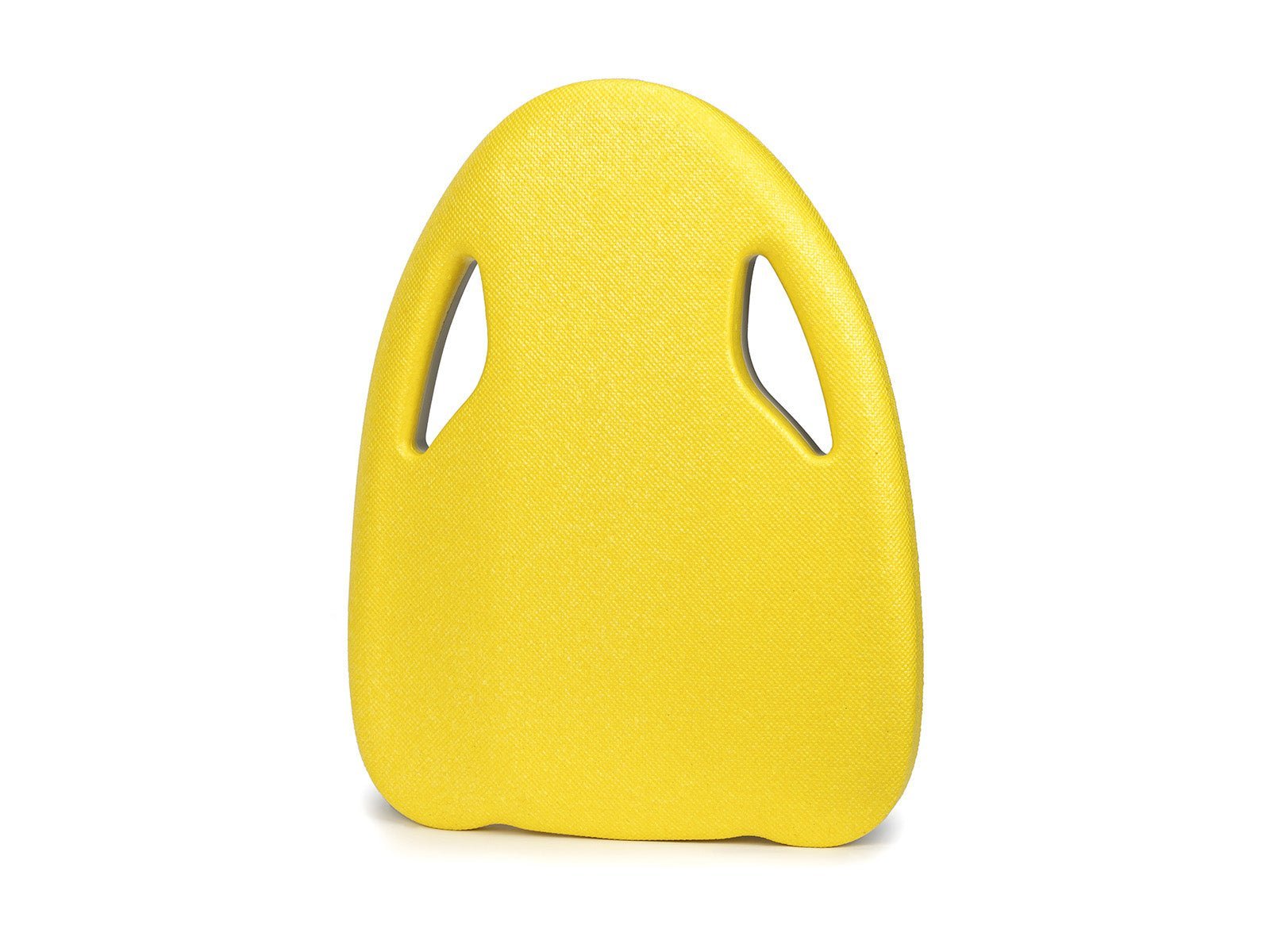
A snorkel vest can be a game-changer for endurance, especially for beginners or anyone who tends to sink at the hips. Gentle buoyancy means your legs aren’t constantly fighting to keep you up.
This is also a confidence tool: calmer swimmers breathe slower, and slower breathing helps you stay out longer.
Gear helps, but if you want endurance that travels with you anywhere, some basic preparation makes a big difference.
Build Stamina Before Your Snorkeling Trip
You don’t need intense training to last longer. You need targeted practice that mimics what snorkeling actually feels like: steady breathing, light kicking, and staying relaxed for extended time. A little prep makes the “first 10 minutes” feel easy, which is often the hardest part for people learning how to snorkel longer without getting tired.
Swim Training for Snorkel Endurance
If you have access to a pool, keep it simple:
- Swim easy for 2 minutes
- Rest 30 seconds
- Repeat 4–6 rounds
Then add controlled breathing drills:
- Exhale slowly underwater
- Stay calm during the exhale
- Surface, inhale, repeat
The goal is comfort, not speed.
Core and Leg Conditioning
A stable core helps you stay horizontal without constant corrections. You don’t need a gym routine, just consistency.
Good options:
- Planks (20–40 seconds)
- Bodyweight squats
- Calf raises
- Ankle mobility stretches (stiff ankles waste energy in fins)
Better ankle flexibility often leads to smoother kicks and less cramping.
Hydration and Nutrition Strategy
Dehydration is one of the sneakiest reasons people tire early and cramp in saltwater. Start hydrating before you get to the beach, not after you feel thirsty.
Practical approach:
- Drink water steadily in the hours before snorkeling
- If you sweat a lot or it’s hot, include electrolytes
- Eat something light with carbs beforehand (banana, toast, yogurt)
Heavy meals can make you feel sluggish; no food can leave you flat. Aim for “light but fueled.”
Once you have the basics down, you can extend sessions even more by planning how you snorkel, not just how you swim.
Advanced Ways to Snorkel Longer Without Overexertion
Smarter planning often matters more than simply using more effort. Experienced snorkelers don’t necessarily move more, they move more efficiently and select conditions that help conserve energy. These strategies can turn an average session into a longer, more relaxed one, especially for anyone looking for tips to snorkel longer in open water.
Plan Short Exploration Zones
Instead of trying to cover one long stretch nonstop, break the area into mini-zones.
- Pick a landmark (buoy, rock, reef edge).
- Explore a small area slowly for 5–10 minutes.
- Float-rest for 30–60 seconds and reset your breathing.
- Move to the next zone.
You’ll see more, feel less rushed, and your heart rate stays lower.
Use Assisted Propulsion Responsibly
Assisted propulsion can reduce leg fatigue and help you cover more reef with less effort—especially helpful for long surface swims or when you want to spend energy on looking, not just moving. The key is to use it to stay relaxed, not to go fast. If you’re tense and speeding, you’ll still burn out.
If you choose to use assistance:
- Keep your breathing slow
- Maintain a streamlined position
- Take breaks the same way you would without it
Used correctly, this can be one of the most effective ways to snorkel longer without overexertion.
Know When to End the Session
Staying longer is good. Staying past your limit is how people end up exhausted, chilled, or unsafe.
Stop when you notice:
- Muscle tremors or repeated cramps
- Breathing that won’t slow down even after resting
- Loss of coordination or sloppy kicking
- Feeling cold in a way that doesn’t improve
Ending one session early is better than making the next one impossible.
Common Mistakes That Make You Tire Out Fast
Small mistakes add up quickly and are often the reason a session feels hard even in calm water. Fixing just one of these can noticeably extend your time.
- Starting too fast: the first 2 minutes set your breathing pattern for the next 20.
- Lifting your head to look forward: it sinks your hips and forces your legs to work nonstop.
- Kicking too big: splashy kicks waste energy and trigger cramps.
- Ignoring conditions: mild current plus wind chop can double your workload.
- Using stiff fins “to go faster”: speed is useless if your calves fail at minute ten.
Snorkel Longer With Less Leg Fatigue: ASIWO Manta Underwater Scooter
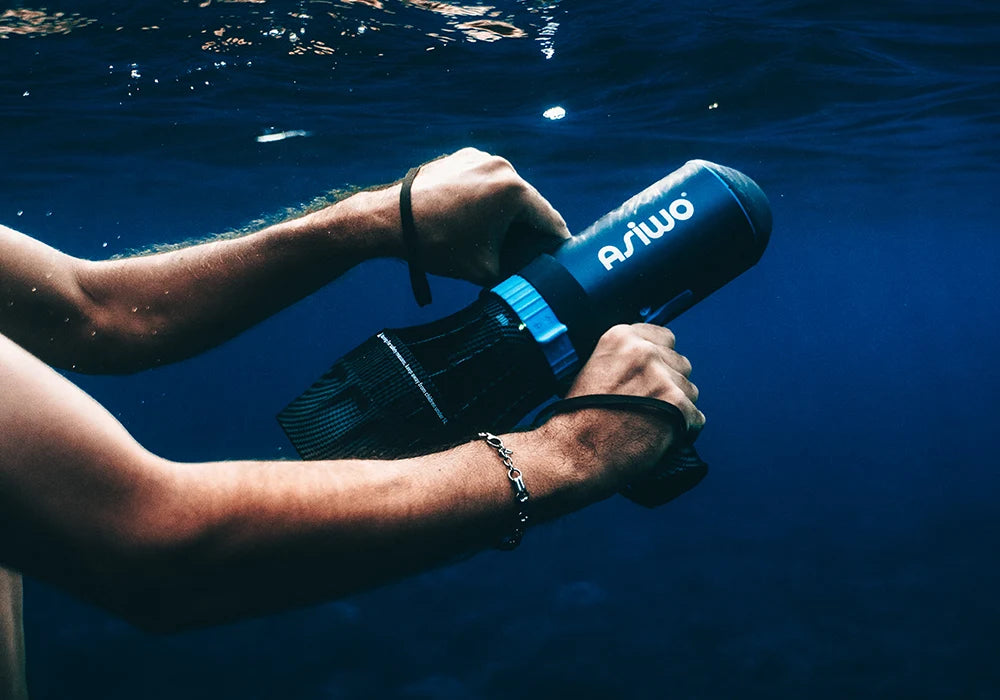
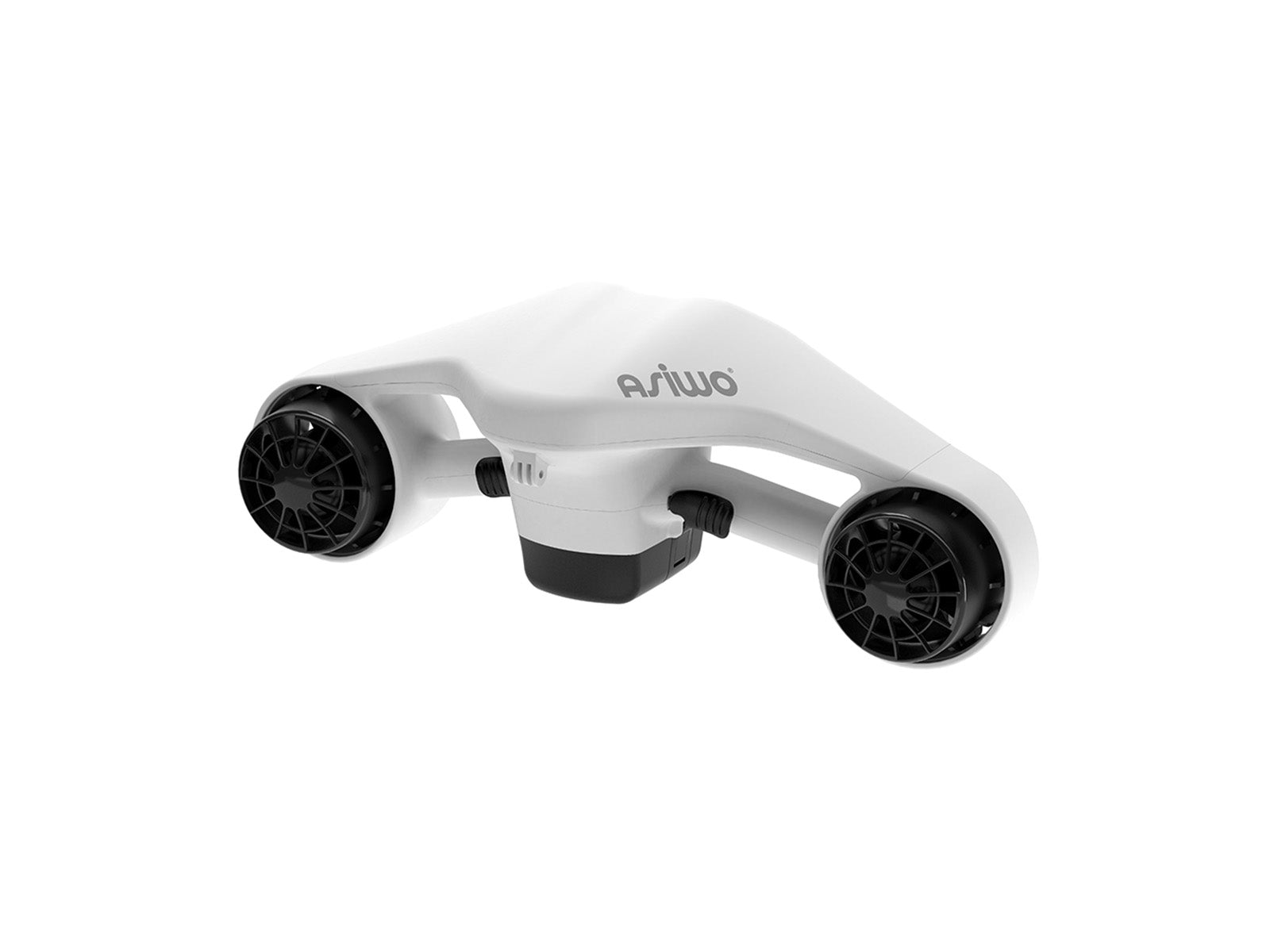
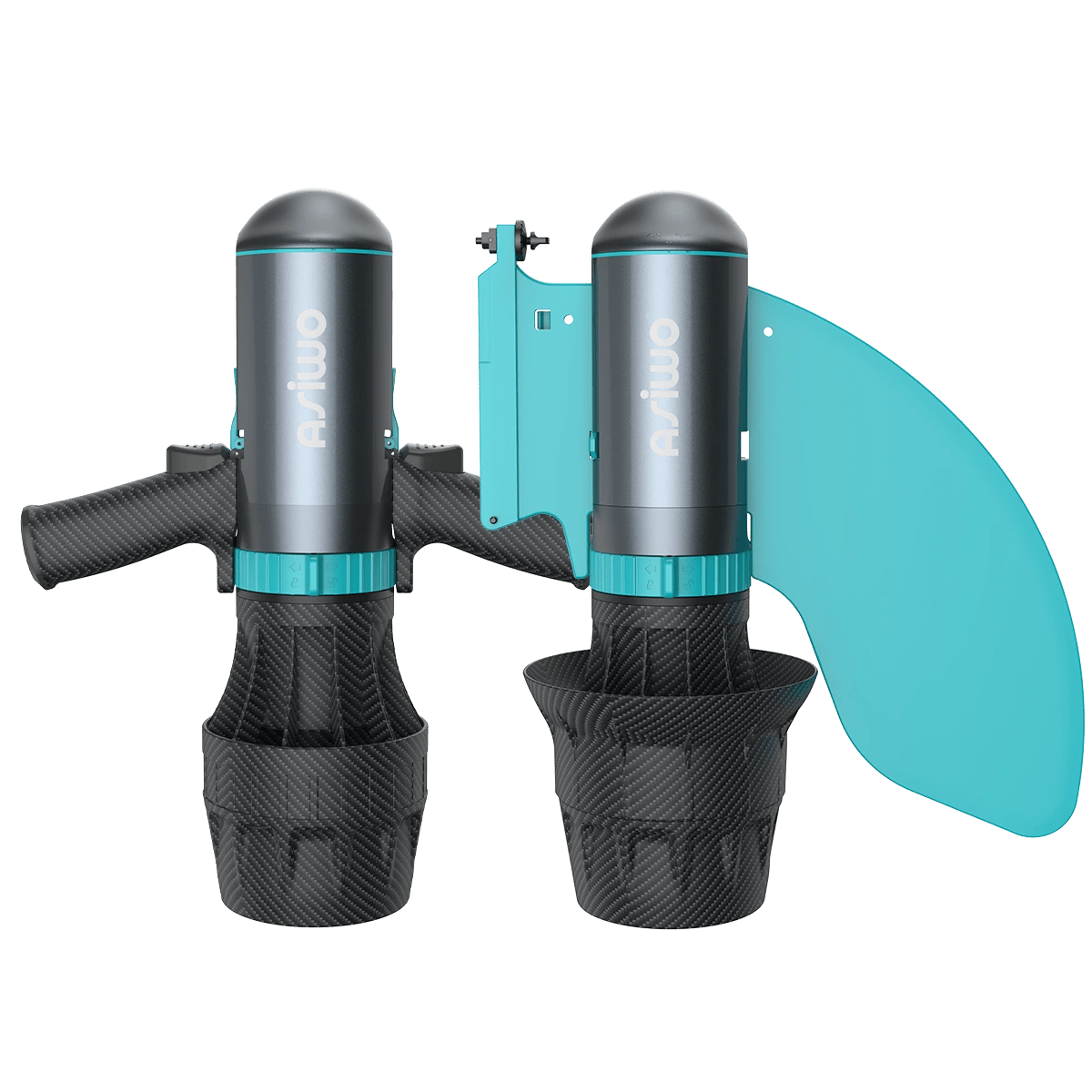
If you’re getting tired fast while snorkeling, it’s usually your legs that quit first, not your interest. You can have solid breathing and decent technique, but nonstop fin kicking and small currents still add up. The ASIWO Manta underwater scooter helps by taking a lot of that workload off your legs, so you can glide between spots instead of constantly powering yourself forward. It’s especially handy for longer swims from shore, exploring a bigger stretch of reef, or keeping your pace steady when the water is a little choppy. Used the right way, it’s less about going fast and more about conserving energy so you can stay in the water longer and actually enjoy the snorkeling.

ASIWO Manta is a lightweight underwater scooter for surface snorkeling and shallow-water exploring. With three speed modes, it helps you glide smoothly, reduce fatigue, and keep a steady face-down position for easier breathing.
Conclusion
Lasting longer in the water isn’t about powering through. It’s about removing the small things that quietly drain you: rushed breathing, bad alignment, inefficient kicking, and conditions that make you work harder than you need to. Start with slow breathing and a flat body position, then refine your kick and choose gear that doesn’t fight your legs. If you build a little swim comfort and show up hydrated, the difference is huge. Use these steps on your next session and you’ll feel exactly what it means to snorkel longer without getting tired—calmer, steadier, and able to enjoy what you came to see.
FAQs
How long can you snorkel before getting tired?
Most people feel fatigue after 20–45 minutes, but with calm breathing, efficient kicking, and short float breaks, many can comfortably snorkel for 60 minutes or more.
What’s the fastest way to stop getting tired while snorkeling?
Slow your breathing and lengthen your exhale, then switch to smaller fin kicks with short glides—those two changes usually reduce fatigue within minutes.
Why do my legs cramp or burn so quickly when snorkeling?
Common causes are stiff fins, big splashy kicks, dehydration, and cold water—any of these can overload your calves early.
Do fins help you snorkel longer or do they make you tired?
The right fins help you snorkel longer by improving efficiency, but fins that are too stiff or too long can tire your legs faster and trigger cramps.
How can I snorkel longer if there’s current or choppy water?
Start by snorkeling into the easier direction first, stay streamlined, take micro-breaks to reset your breathing, and avoid fighting the current head-on whenever possible.


Laissez un commentaire