






Quick Answer
Snorkeling keeps you mainly at the surface and uses a mask, snorkel, and fins. It usually requires less training, equipment, planning, and cost. Scuba diving uses a regulator connected to a compressed-gas cylinder, requires formal training for independent recreational diving, and allows longer and deeper underwater exploration. Choose snorkeling for simple shallow-water viewing; choose scuba diving when you want extended underwater access and are prepared for structured training and dive planning.
Snorkeling vs. Scuba Diving at a Glance
| Factor | Snorkeling | Scuba Diving |
|---|---|---|
| Where it happens | Primarily at the surface | Fully underwater |
| How you breathe | Through a snorkel while its opening remains above water; submerging requires a breath-hold | Through a regulator connected to a compressed-gas cylinder |
| Typical depth | Surface viewing with optional, brief breath-hold duck dives | Limited by certification, training, the dive plan, local rules, conditions, and operator requirements |
| Time in the water | Depends on swimming ability, temperature, conditions, and fatigue; a snorkel does not provide air underwater | Limited by gas supply, depth, no-decompression limits, the dive plan, and environmental conditions |
| Training | Formal certification is generally not required, but swimming ability, equipment practice, a buddy, and a site briefing still matter | Formal certification is the standard requirement under training-agency and dive-operator rules for independent recreational diving; supervised introductory programs are limited exceptions |
| Core equipment | Mask, snorkel, fins, and suitable exposure protection | Mask, fins, regulator, cylinder, BCD, weights, exposure protection, gauges, and a dive computer |
| Typical cost and planning | Lower equipment and activity cost; easier to arrange | Higher training, equipment, gas-fill, and operator costs; requires more planning |
The main difference is not simply depth. Snorkeling is a surface activity that may include short breath-hold descents. Scuba diving is a trained compressed-gas activity in which breathing, buoyancy, ascent control, gas management, and emergency procedures all form part of the dive plan.
Depth, Time, and What You Can See
Snorkelers usually observe shallow reefs, lagoons, seagrass beds, and marine life from the surface. In clear, calm water, shallow reefs can provide excellent wildlife viewing without requiring a descent below the surface. Brief duck dives may offer a closer look, but the snorkeler must hold their breath and return to the surface to breathe.
Scuba equipment allows a trained diver to remain underwater for longer periods, but no single depth or dive-time range applies to everyone. Limits depend on certification, experience, gas supply, the dive computer, no-decompression limits, local rules, environmental conditions, and the individual dive plan.
Under PADI training limits, Open Water Divers are trained to dive to a maximum of 18 m / 60 ft, Advanced Open Water Divers to 30 m / 100 ft, and divers with appropriate deep-diving training may reach the 40 m / 130 ft recreational limit. A diver must follow any lower limit imposed by local law, the operator, conditions, or the diver’s actual training and experience.
Training and Skill Requirements
Snorkeling is easier to begin, but it still requires water confidence and practical skills. A snorkeler should be able to fit and clear a mask, breathe calmly through a snorkel, use fins efficiently, recognize fatigue, and return to the entry point without relying on powered equipment.
Scuba diving adds formal instruction in:
- Regulator use and continuous breathing
- Buoyancy and trim
- Ear equalization and pressure awareness
- Gas monitoring and dive planning
- Controlled ascents, descents, and safety stops
- Buddy checks and emergency procedures
Introductory scuba experiences allow uncertified participants to try scuba under direct professional supervision and within program limits. They are not equivalent to certification for independent recreational diving.
Snorkeling therefore requires surface-water comfort and basic equipment skills. Scuba diving adds a life-support system and formal responsibility for pressure, gas, buoyancy, and ascent management.
Equipment for Snorkeling and Scuba Diving
Snorkeling Equipment
A basic snorkeling setup includes:
- A well-fitting mask
- A conventional snorkel
- Fins suited to the user’s strength and conditions
- Suitable exposure protection, such as a rash guard or wetsuit
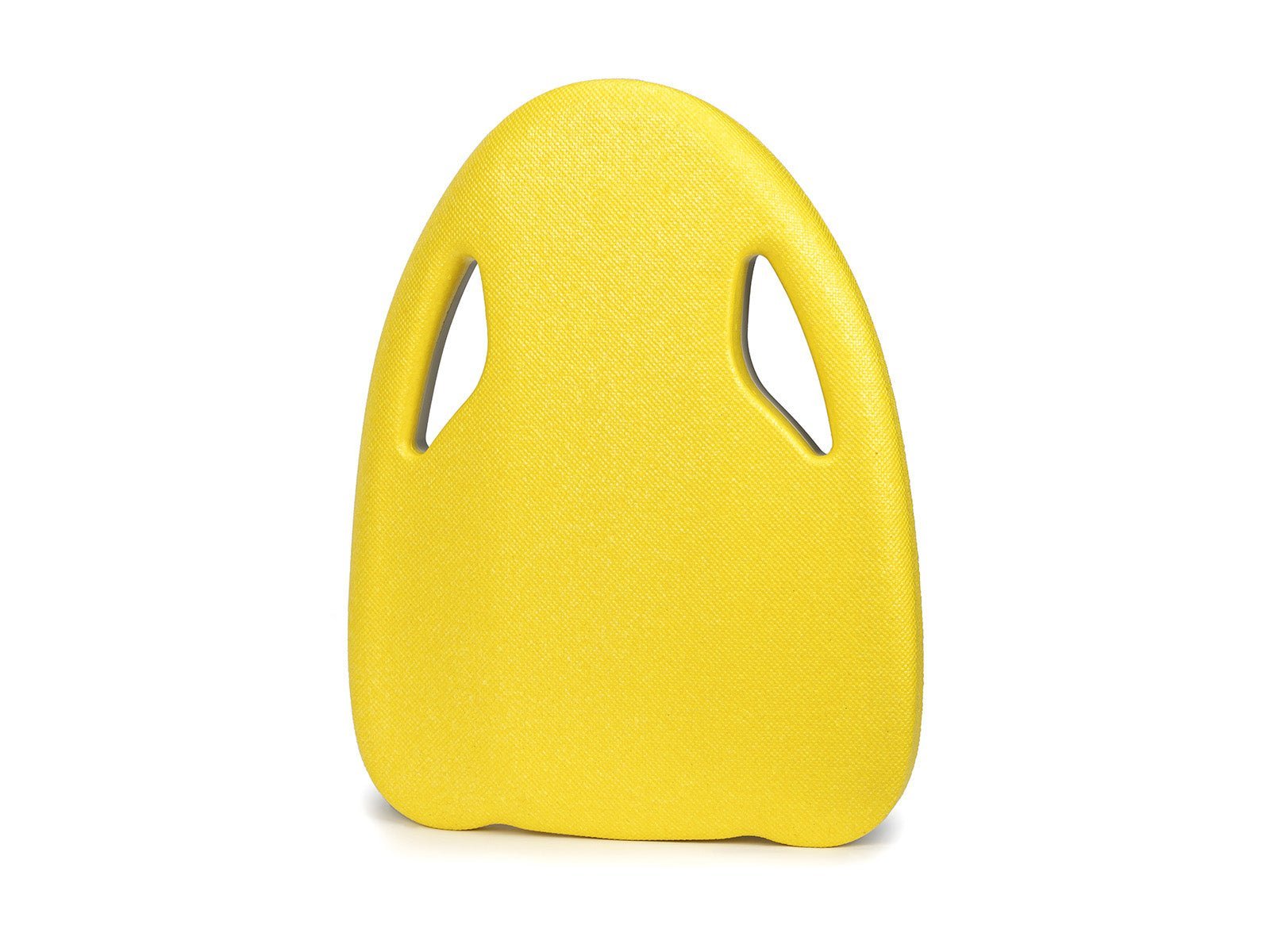
- A flotation aid when appropriate for the user, site, and local rules
Mask fit matters more than extra features. A leaking or uncomfortable mask can increase stress and make calm breathing more difficult. If you are choosing equipment, see ASIWO’s guide to whether you need fins to snorkel.
Scuba Equipment
Scuba diving uses a complete breathing and buoyancy system. A typical recreational setup includes a regulator, compressed-gas cylinder, buoyancy control device, weights, exposure protection, pressure gauge, dive computer, mask, and fins. Equipment configuration and required accessories vary by location, training agency, operator, and dive conditions.
Full-Face Snorkel Masks
Full-face snorkel masks are not all identical, and the available research should not be used to claim that every model is unsafe. Their airflow systems depend on correctly functioning one-way valves and internal air channels, so fit, design, maintenance, and appropriate use matter.
A simulated-snorkeling study of selected full-face masks found that test runs crossed the study’s prespecified carbon-dioxide stopping threshold more often than runs using a conventional snorkel. A separate 2025 case series reported serious incidents involving three children under six who were using full-face masks. Those pediatric cases should not be generalized to all adults or every mask, but they support a cautious approach, particularly for young children and inexperienced swimmers.
Use only a correctly sized model from a manufacturer that provides clear operating instructions. Full-face snorkel masks are intended for surface snorkeling and should not be used for breath-hold diving unless the manufacturer explicitly authorizes that use. Leave the water immediately if breathing becomes difficult or unusual, or if you experience dizziness, confusion, chest discomfort, or unusual fatigue.
Cost and Travel Planning
Snorkeling is usually the lower-cost option. Basic equipment can be rented or purchased with relatively little preparation, and many sites can be accessed from a beach or guided boat trip.
Scuba diving usually costs more because it involves training, professional supervision for beginners, equipment rental or ownership, gas fills, dive computers, and often boat or site fees. It also requires more scheduling, including dive plans, buddy checks, surface intervals, and post-dive altitude or flight planning.
Neither activity should be treated as spontaneous when conditions are unfamiliar. Check weather, currents, entry and exit points, boat traffic, site rules, and operator requirements before entering the water.
Safety Differences Between Snorkeling and Scuba Diving
Both activities can be enjoyable when participants stay within their abilities and conditions, but their hazards are different.
Snorkeling Safety
Common snorkeling hazards include fatigue, waves, currents, boat traffic, poor supervision, cold, and traveling farther than the swimmer can comfortably return. Snorkel with a capable buddy, stay in designated areas, check local conditions, and keep enough energy for the return route.
Breath-hold duck diving introduces hypoxic-blackout risk. Do not hyperventilate before submerging, do not compete for time or depth, and do not practice breath-hold diving alone. A snorkel does not supply air once its opening is underwater.
Ear pressure can also matter during shallow descents. Equalize early and gently, and stop descending if you feel pain. Never force equalization through congestion or persistent discomfort.
Scuba Diving Safety
Scuba diving adds pressure- and gas-related risks, including barotrauma, decompression sickness, arterial gas embolism, and nitrogen narcosis. Training, continuous breathing, controlled ascent, gas monitoring, buddy procedures, and conservative dive planning are essential. For a more detailed overview, read how dangerous scuba diving is and how its risks are managed.
Flying After Scuba Diving
| Dive profile | DAN minimum suggested preflight surface interval |
|---|---|
| One no-decompression dive | At least 12 hours |
| Multiple dives in one day or diving on multiple days | At least 18 hours |
| Dives requiring decompression stops | Substantially longer than 18 hours |
These are minimum recommendations for divers without symptoms of decompression sickness and for typical commercial-aircraft cabin altitudes. They reduce risk but do not eliminate it. A longer interval is more conservative. Anyone with possible decompression-sickness symptoms should seek medical advice and should not fly.
How Conditions Affect Each Activity
Snorkelers remain at or near the surface, so wind, chop, waves, glare, and surface currents can directly affect breathing comfort, visibility, navigation, and energy use. Conditions that look manageable from shore can still make the return swim difficult.
Scuba divers may move below some surface turbulence, but underwater currents, visibility, depth, temperature, navigation, and ascent control introduce different demands. Deeper water should never be described as automatically calmer or safer.
In both activities, the correct choice depends on the actual site and the participant’s abilities—not only on whether snorkeling or scuba appears easier in general.
Using the ASIWO MANTA 2 for Snorkeling or Recreational Diving

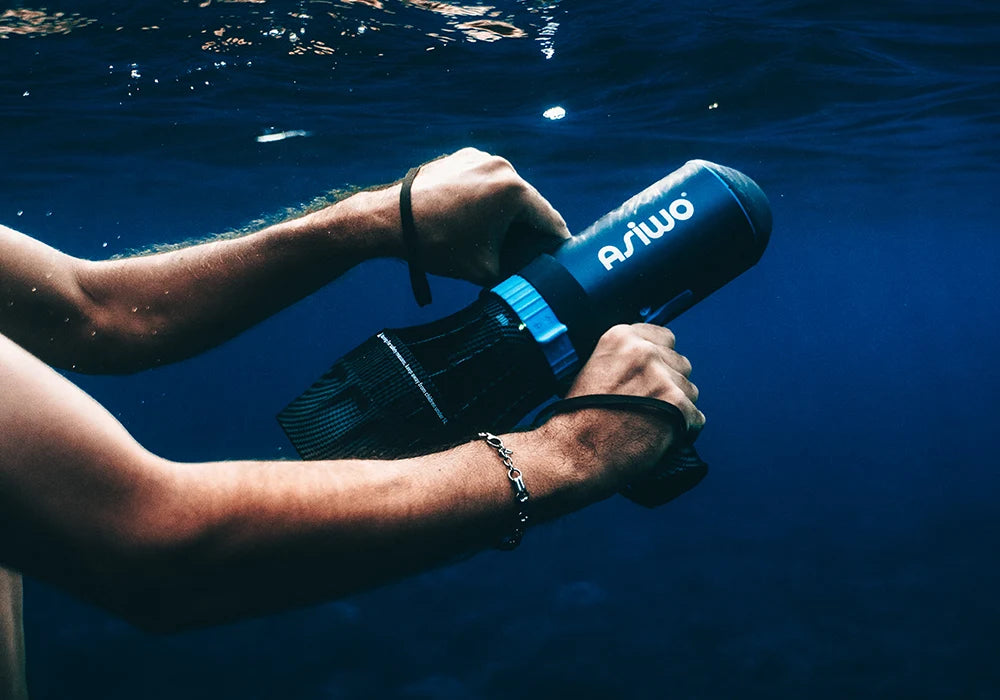
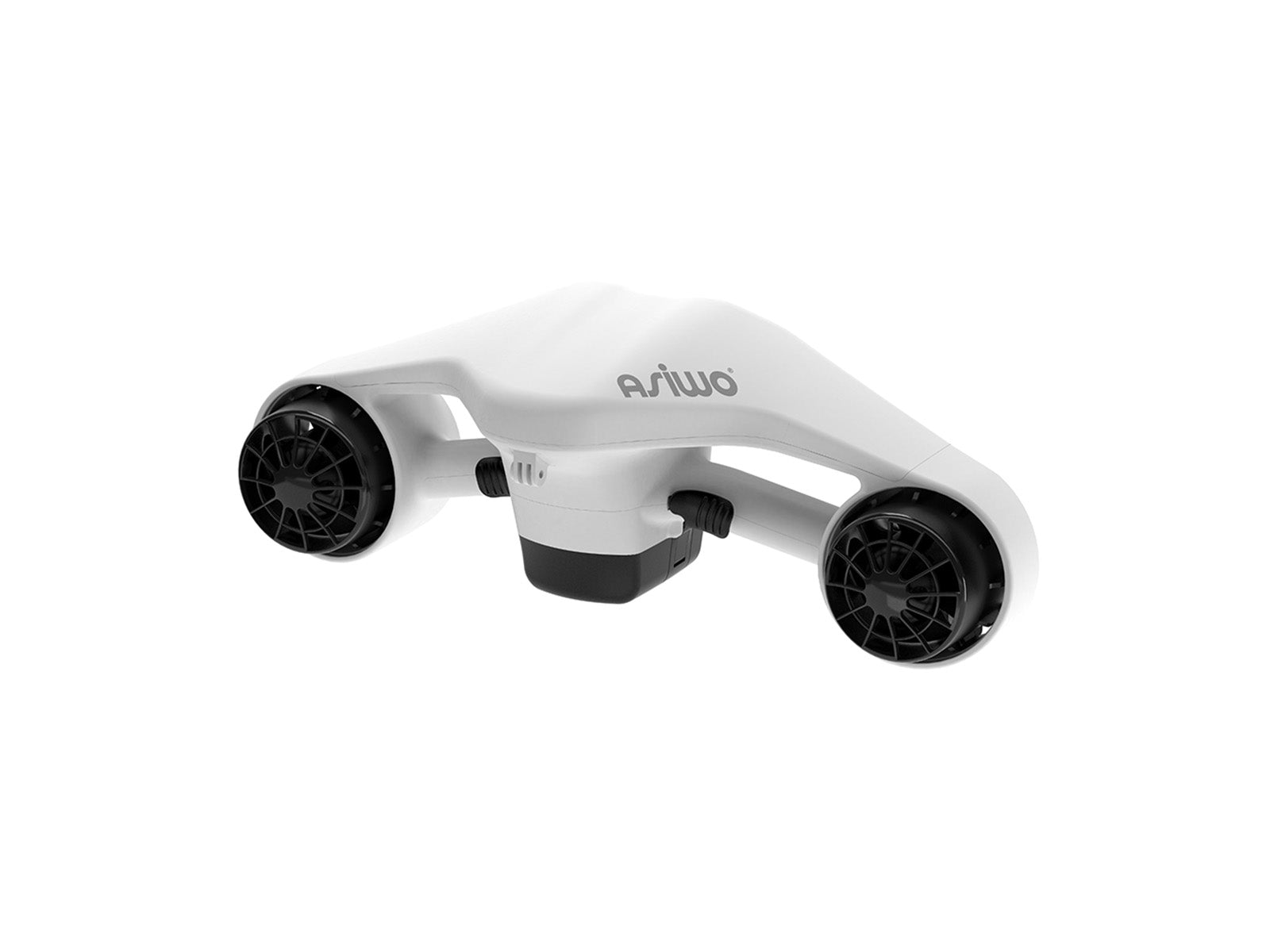
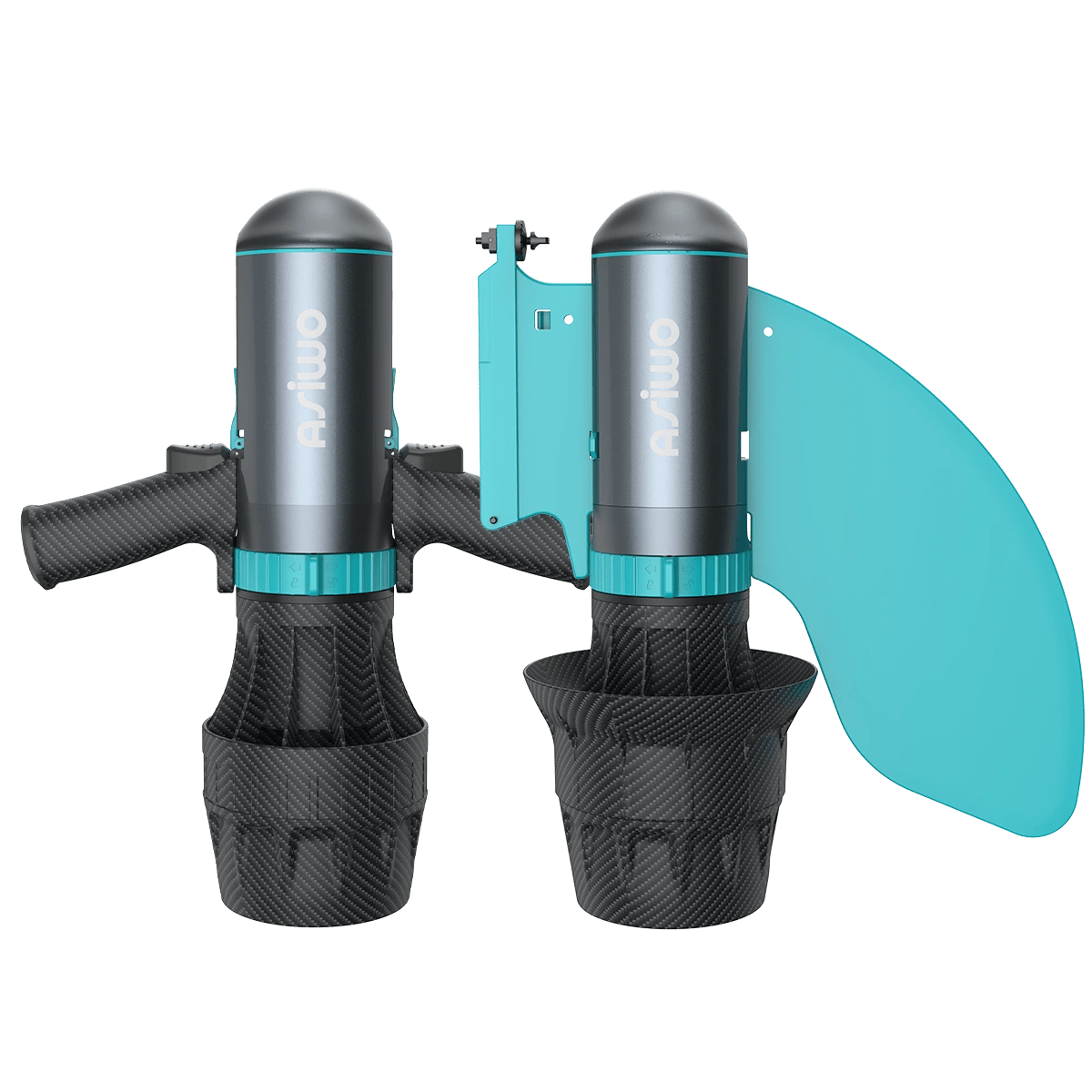
For users who want powered assistance during suitable snorkeling routes or recreational dives, the ASIWO MANTA 2 provides three speed modes: 2 ft/s, 6.5 ft/s, and 8.2 ft/s. Published maximum runtimes are up to 90 minutes at low speed, 30 minutes at middle speed, and 13 minutes at high speed. Actual runtime varies with speed, rider load, temperature, battery condition, and water conditions.
The MANTA 2 is a propulsion device, not a flotation or lifesaving device. Its 40 m / 131 ft device rating is not a recommended diving depth. Users must stay within their certification, training, conditions, local rules, and operator requirements. Never plan a route that you could not safely complete if powered assistance stopped, and never use a scooter as a reason to separate from a buddy or exceed the dive plan.
Review the MANTA 2 user guide, operating limits, and care instructions before use.
View MANTA 2 specifications and operating limits
Snorkeling vs. Scuba Diving: Which Should You Choose?
Choose snorkeling if you want:
- A simpler and generally lower-cost way to view shallow marine life
- Less equipment and no standard certification requirement
- Flexible surface exploration in suitable conditions
- A first step toward becoming more comfortable in open water
Choose scuba diving if you want:
- Longer underwater observation
- Access to deeper reefs, walls, or wrecks within your training
- Formal instruction in underwater breathing, buoyancy, and dive planning
- A structured activity with professional operators and established safety procedures
Snorkeling is usually easier to start. Scuba diving provides greater underwater access but requires more training, planning, equipment, and responsibility. Neither option is universally better; the right choice depends on your water confidence, goals, budget, health, available training, and the conditions at the site.
FAQs
Can you scuba dive without certification?
Uncertified participants can join supervised introductory scuba programs offered by qualified professionals. Independent recreational diving normally requires certification under training-agency and operator standards. Introductory participation does not replace full certification.
Do you need to equalize while snorkeling?
Not while remaining at the surface. During breath-hold duck dives, pressure changes can cause ear pain or injury, so equalize early and gently and stop descending if equalization is uncomfortable.
How long should you wait to fly after scuba diving?
DAN recommends a minimum of 12 hours after one no-decompression dive and 18 hours after multiple dives in one day or diving on multiple days. Dives requiring decompression stops call for a substantially longer interval. Do not fly with possible decompression-sickness symptoms.
Are full-face snorkel masks safe?
Designs differ, so evidence about selected masks cannot prove that every model is safe or unsafe. Correct fit, clear manufacturer instructions, functioning valves, maintenance, surface-only use, close supervision, and immediate exit if breathing feels abnormal are important.
Is snorkeling safer than scuba diving?
Snorkeling involves fewer pressure- and gas-related hazards, but it still carries risks from drowning, fatigue, currents, waves, boats, cold, poor supervision, and breath-hold blackout. Scuba diving adds hazards that require formal training and disciplined dive planning.
Can snorkeling prepare you for scuba diving?
Snorkeling can help build mask comfort, fin control, surface awareness, and confidence in the water. It does not teach regulator use, buoyancy control, gas management, ascent procedures, or scuba emergency skills, so it does not replace professional scuba training.


Laissez un commentaire