






Snorkeling is often described as one of the easiest ways to explore the ocean. But many beginners quickly run into a practical question: can you snorkel with a life jacket? If you’re not a confident swimmer or you’re joining a guided tour, wearing flotation might seem like the safest option.
The short answer is yes, but it depends on how you plan to snorkel and the conditions you’re in. A life jacket can add safety and confidence, especially for beginners, but it can also affect your body position and movement in the water. This guide explains when snorkeling with a life jacket works well, when it can cause problems, and how to use one properly so your time in the water stays safe and comfortable.
Why Some Snorkelers Choose a Life Jacket
There are several practical reasons people use life jackets while snorkeling. For many beginners, the added flotation makes the entire experience feel less stressful and more manageable.
One major benefit is confidence. If you are new to snorkeling or not a strong swimmer, the knowledge that the jacket will keep you afloat can reduce anxiety. When your body feels supported, breathing becomes slower and more relaxed, which makes snorkeling much easier.
Life jackets can also help in rougher conditions. Small waves or light currents can tire inexperienced swimmers quickly. Extra buoyancy lets you pause, float, and rest without kicking constantly.
Some guided tours also require flotation devices. Boat operators and snorkeling guides sometimes provide life jackets to reduce risk, particularly for children or first-time snorkelers. In these cases, snorkeling with a life jacket is simply part of the safety procedure.
Who Should Use a Life Jacket for Snorkeling
A life jacket isn’t just for emergencies, it can be a practical tool that helps you relax, breathe slower, and enjoy the view without constantly thinking about staying afloat. Here are the groups it helps most.
First-Time Snorkelers
Your first snorkel session can feel weird: breathing through a tube, floating face-down, and dealing with waves all at once. A life jacket takes the “will I sink?” worry off the table, so you can focus on the basics, getting your mask seal right, learning to breathe calmly, and moving without splashing.
Weak or Non-Swimmers
If you can’t comfortably tread water or you tire quickly, a life jacket is a smart safety backup. It keeps you afloat during breaks and gives you a margin of safety if you swallow a little water, get hit by a small wave, or feel a moment of panic. You’ll still want to stay close to shore or a guide, but the flotation can prevent a minor issue from turning into a stressful situation.
Children and Family Snorkeling Trips
For kids and family groups, life jackets make snorkeling calmer and easier to supervise. Kids can float and rest without clinging to an adult, and parents can keep the group together without constant “stay up!” reminders. It’s also helpful when the water is deeper than expected or visibility is low and everyone needs more margin for safety.
Downsides Of Snorkeling With A Life Jacket
While flotation adds safety, it can also change how snorkeling feels in the water. Understanding these limitations helps you decide whether a life jacket is the right choice for your situation.
One common issue is body position. Life jackets are designed to keep people upright in emergencies. When you try to snorkel, this design can push your upper body upward and your legs downward. That position creates more drag and makes swimming slightly harder.
Another limitation is diving. Many snorkelers like to perform short “duck dives” to get closer to fish or coral. Because life jackets provide strong buoyancy, they make diving below the surface difficult.
Breathing position can also be affected. Bulky jackets with thick collars may push your head upward, which can change how the snorkel mouthpiece sits in your mouth. If the angle feels awkward, breathing through the snorkel may become uncomfortable.
These drawbacks don’t mean you shouldn’t use flotation. They simply mean snorkeling with a life jacket works best for surface observation rather than active underwater exploration.

Table: Life Jacket Vs Snorkel Vest
Many experienced snorkelers eventually switch from a life jacket to a snorkel vest. Both provide flotation, but they function differently in the water.
Here is a quick comparison.
| Feature | Life Jacket | Snorkel Vest |
|---|---|---|
| Buoyancy | Fixed foam flotation | Inflatable and adjustable |
| Body position | Tends to keep you upright | Allows horizontal swimming |
| Mobility | Bulkier | Lightweight and flexible |
| Best for | Beginners, tours, safety backup | Recreational snorkeling |
A snorkel vest allows you to add or release air as needed. This adjustability makes it easier to maintain a natural swimming position.
For beginners or supervised tours, a life jacket can still be the safest choice. But for frequent snorkelers who want more freedom of movement, a snorkel vest often becomes the preferred option.
How To Snorkel Safely With A Life Jacket
If you decide to use flotation, a few simple adjustments can make snorkeling with a life jacket much more comfortable.
Choose a low-profile design
Avoid large foam collars that push your head forward. Slimmer jackets designed for paddling or snorkeling usually work better.
Adjust the fit properly
The jacket should feel snug but not restrictive. If it rides up toward your chin while floating, tighten the straps.
Practice floating first
Before swimming, spend a minute floating face down while breathing through the snorkel. This helps you get used to the balance and breathing rhythm.
Use slow, relaxed kicks
Large, fast kicks waste energy. Gentle fin movements keep you moving while allowing the flotation to support your body.
When used correctly, snorkeling with a life jacket can be both comfortable and safe, especially for people still learning the basics.
When You May Not Need A Life Jacket
As your skills improve, you may find that a life jacket becomes less necessary. Many experienced snorkelers prefer minimal flotation so they can move more freely in the water.
Calm conditions are a major factor. In clear, flat water with little current, maintaining buoyancy is easy. Snorkelers wearing fins naturally float and move efficiently without extra support.
Another reason is diving. If you want to occasionally dip below the surface to look closer at marine life, strong flotation becomes a limitation.
Comfort also matters. Some people simply find bulky jackets restrictive during long sessions in the water. In those situations, a snorkel vest or no flotation at all may feel more natural.
Still, even experienced swimmers sometimes use flotation in unfamiliar locations or deeper water. Deciding can you snorkel with a life jacket often comes down to balancing safety and freedom of movement.
Tips for More Comfortable Snorkeling With Flotation
A life jacket can make snorkeling safer, but comfort depends on how you use it. The goal is to let the flotation support you while you stay in a smooth, face-down snorkeling position. These tips help you avoid the common “upright and tired” feeling.
Keep Your Body Relaxed and Horizontal
Instead of fighting the buoyancy, let it hold your chest up while you stretch your body long behind you. Think “flat like a board,” not “standing in the water.” If your legs keep dropping, slow down, relax your hips, and give a few gentle fin kicks to bring yourself back to a level position.
Use Slow, Efficient Fin Kicks
Fast, choppy kicks waste energy and splash water into your snorkel. Use slower kicks from your hips (not just your knees), and keep your fins underwater. You’ll move farther with less effort, and your breathing will stay calmer, especially important if you’re new to snorkeling with a life jacket.
Take Regular Floating Breaks
One underrated benefit of flotation is how easy it makes resting. If your breathing starts to feel rushed or your legs get tired, stop kicking and simply float. Look down, reset your breathing, and restart only when you feel steady again. Short breaks prevent fatigue and help you stay relaxed the whole session.
A Tool That Makes Snorkeling Easier in the Water
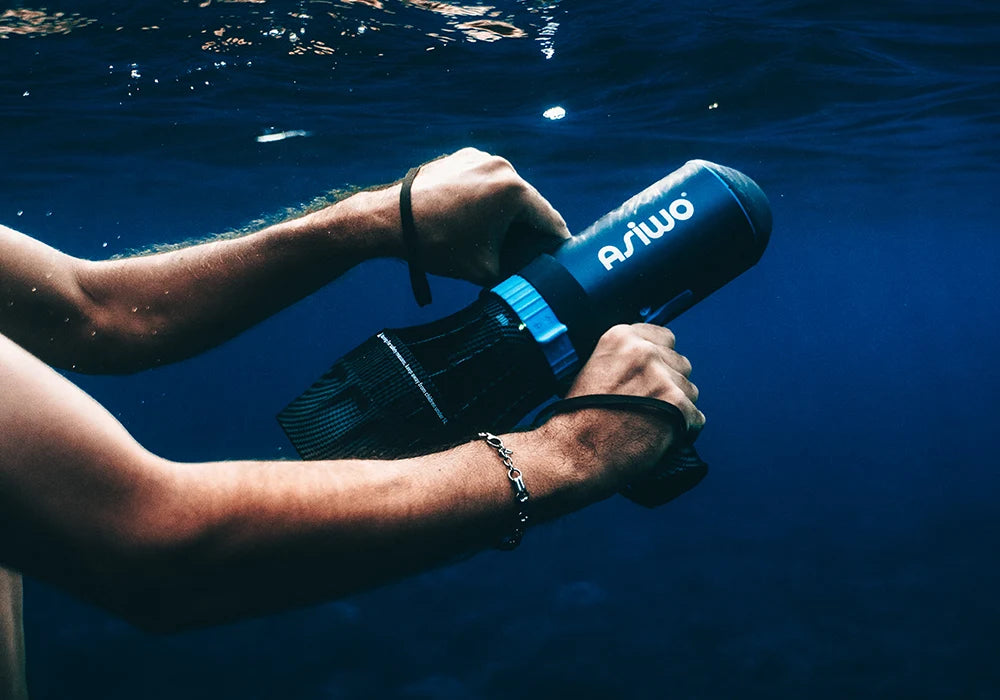
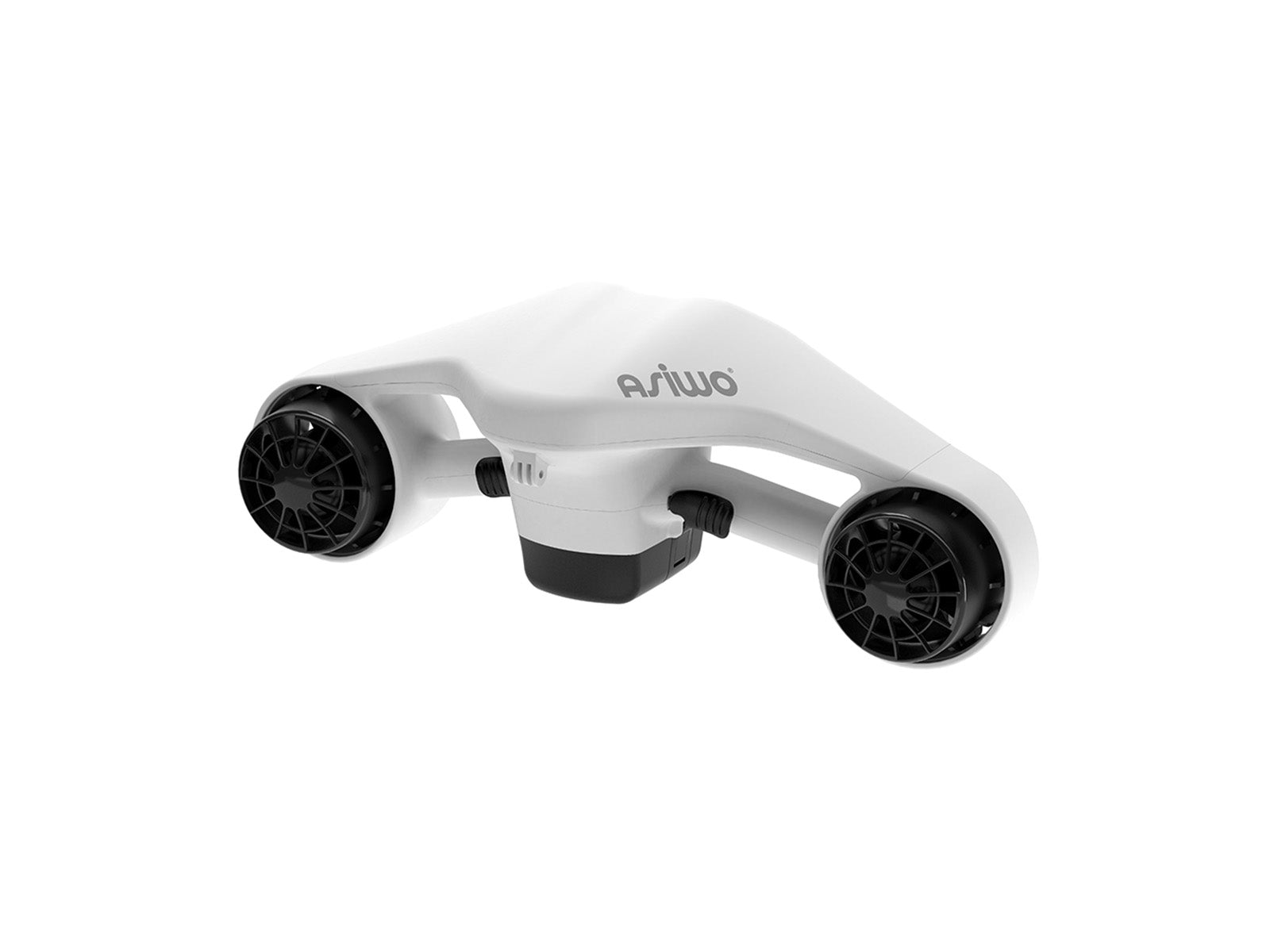
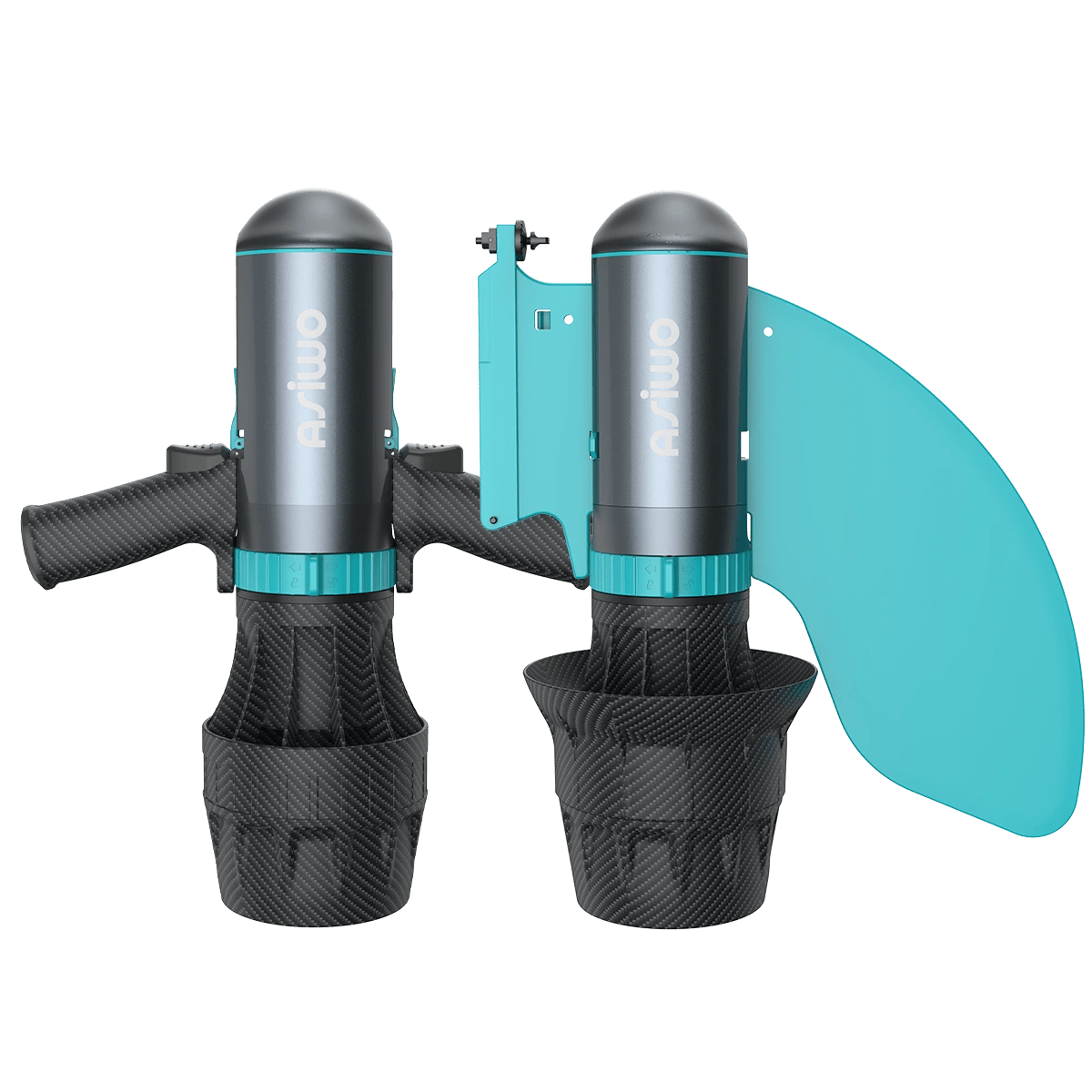
For snorkelers who want to move through the water with less effort, a small underwater propulsion device can make a noticeable difference. The ASIWO Manta Underwater Scooter is designed to assist surface swimmers and snorkelers by providing gentle electric propulsion while you hold the handles and glide forward. Instead of kicking constantly to stay in position, the scooter helps you move smoothly across reefs or shallow coastal areas while you keep your attention on the marine life below.
For beginners who may already be wearing flotation, this can be especially helpful. When you’re snorkeling with a life jacket, strong kicking isn’t always efficient because the buoyancy keeps your body higher in the water. A compact propulsion device like the Manta helps maintain forward movement without tiring your legs, making it easier to stay relaxed and keep a steady breathing rhythm through your snorkel.
The scooter is lightweight and travel-friendly, making it practical for casual snorkeling trips. Key highlights include:
- Top speed: up to 1.5 m/s for smooth surface cruising
- Depth rating: up to 30 m for underwater exploration
- Dual-motor propulsion for stable forward movement
- Lightweight design: about 3.5 kg for easy transport
- Safety features: protective propeller guards and auto shut-off
Used alongside basic snorkeling gear, devices like the Manta can make longer sessions more comfortable, especially when you want to explore a larger area without constant kicking.

ASIWO Manta is a lightweight underwater scooter for surface snorkeling and shallow-water exploring. With three speed modes, it helps you glide smoothly, reduce fatigue, and keep a steady face-down position for easier breathing.
Conclusion
So, can you snorkel with a life jacket? Yes, and for many beginners it can actually make the experience safer and more enjoyable. The extra buoyancy helps you relax, conserve energy, and stay afloat while you focus on breathing and exploring the water.
At the same time, life jackets can affect body position and make diving harder, which is why many regular snorkelers eventually switch to snorkel vests or lighter flotation. If you’re just starting out, using a life jacket is a perfectly reasonable choice. As your comfort and swimming skills improve, you can experiment with different flotation options and find what works best for your snorkeling style.
FAQs
Can You Snorkel With A Life Jacket If You Can’t Swim?
Yes, many beginners who cannot swim well still snorkel with a life jacket. The flotation keeps you on the surface so you can focus on breathing and observing the water below. It’s still important to stay in calm water and snorkel with a guide or partner.
Is A Life Jacket Better Than A Snorkel Vest?
It depends on experience level. Life jackets provide fixed buoyancy and are often used by beginners or tours. Snorkel vests are inflatable and adjustable, making them more comfortable for experienced snorkelers who want better movement and control.
Can You Dive Underwater While Wearing A Life Jacket?
Not easily. Life jackets are designed to keep you floating on the surface, so strong buoyancy makes duck diving difficult. They work best for surface snorkeling rather than short underwater dives.
Do Snorkeling Tours Require Life Jackets?
Some tours do, especially beginner-friendly trips or tours in deeper water. Guides may provide life jackets or snorkel vests to help participants stay safe and relaxed during the activity.
Is It Harder To Breathe Through A Snorkel With A Life Jacket?
Usually no. Breathing through the snorkel remains the same, but bulky life jackets may slightly change your head position. A well-fitted, low-profile jacket usually keeps breathing comfortable.


Dejar un comentario