






Yes, saltwater can damage a diver propulsion vehicle if the unit is not rinsed, dried, inspected, and stored properly after use. Most DPVs are built for ocean use, but saltwater can still leave corrosive residue on metal hardware, seals, propeller areas, battery contacts, screws, buttons, latches, and charging points. The risk usually builds over time, especially when salt, sand, and moisture stay on the scooter after repeated dives.
Saltwater damage rarely comes from one normal ocean dive with a properly sealed DPV. It usually starts with poor post-dive care. A saltwater-rated scooter can handle seawater during use, but it still needs fresh water rinsing, careful drying, and regular inspection.
Can Saltwater Damage a Diver Propulsion Vehicle?
Saltwater can damage a DPV because it contains dissolved salts that cling to surfaces after the water dries. Those salts can speed up corrosion, form crystals around moving parts, and trap moisture near seals, contacts, and screws.
A DPV has more risk points than a simple piece of dive gear. It has a motor, propeller, battery system, buttons, seals, charging points, and sometimes removable battery compartments. These parts need to stay clean and dry between uses.
The good news is simple: saltwater damage is highly preventable. A few minutes of post-dive care can protect the scooter’s waterproofing, motor performance, battery connection, and service life.
Saltwater Use vs Saltwater Neglect
Using a DPV in saltwater is normal if the model is designed for ocean use. The problem begins after the dive, especially when the scooter is packed away wet or left with salt residue inside small gaps.
Saltwater neglect usually looks like this:
- The scooter is not rinsed after ocean use.
- Sand stays around the propeller or trigger.
- The battery area is opened while wet.
- The unit is stored in a bag before fully drying.
- O-rings are not checked before the next dive.
- Charging contacts are exposed to salt residue.
A DPV can tolerate saltwater during a dive. It cannot tolerate repeated storage with salt and moisture trapped around sensitive parts.
Why Salt Is Hard on DPVs
Salt is hard on DPVs because it does not disappear when the scooter looks dry. As seawater evaporates, salt crystals can remain around screws, buttons, latches, seals, propeller edges, and charging points.
Over time, salt can cause several problems:
- Corrosion on exposed metal parts
- Sticky buttons or triggers
- Rough or gritty latches
- Poor battery contact
- Stiff propeller movement
- Seal contamination
- Higher leak risk
Saltwater also carries sand, silt, and organic debris. That mix can collect around moving parts and make the scooter feel less smooth after repeated use.
Which DPV Parts Can Saltwater Damage?
Saltwater usually affects small, exposed, or moving parts first. The main concern is not only the outer shell. The bigger risk is where water, pressure, motion, and electricity meet.
A diver propulsion vehicle should be checked carefully after saltwater use, especially around seals, the propeller area, the motor housing, and the battery connection points.
Seals and O-Rings
Seals and O-rings help keep water away from the battery compartment and internal electronics. They only work well when they sit cleanly and evenly in place.
Salt crystals, sand, hair, lint, or small grit can stop an O-ring from sealing properly. Under pressure, even a tiny gap can allow moisture to enter. That risk increases when the scooter is opened after a dive without drying the area first.
User-serviceable seals should be inspected often. If the manual allows it, they may need a light layer of approved silicone grease. Too much grease can attract grit, so the goal is a clean, smooth seal, not a heavy coating.
Propeller and Motor Area
The propeller and motor area face constant water movement. Salt, sand, seaweed, small shells, fishing line, and other debris can collect around the propeller, intake, duct, or motor housing.
If the area is not cleaned, the scooter may become:
- Noisier than usual
- Less efficient
- Harder to spin
- More likely to vibrate
- Slower to respond
- More stressful on the motor
A quick surface rinse may not remove debris trapped near the propeller. The propeller area often needs focused flushing with low-pressure fresh water after saltwater use.
Battery Contacts and Charging Points
Battery contacts, terminals, charging ports, and connection points are sensitive because they combine moisture and electricity. Salt residue in these areas can lead to poor charging, intermittent power, weak startup, or unexpected shutdowns.
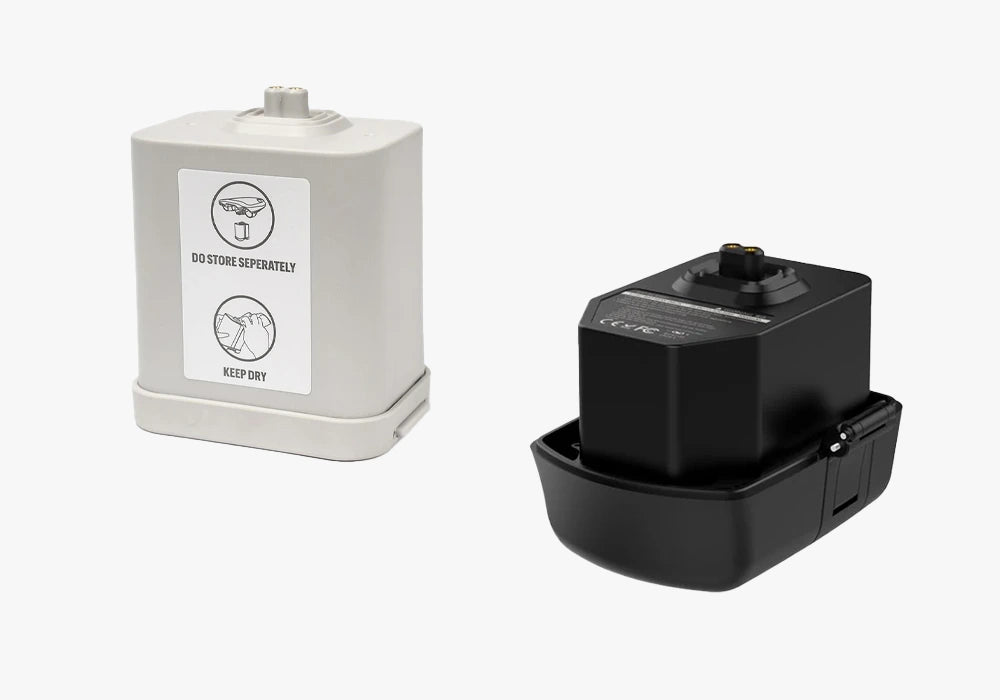
The battery housing interior should stay dry. If saltwater reaches the battery compartment, the scooter should not be used or charged until the issue is handled correctly. In many cases, the battery and compartment need careful rinsing, drying, and inspection according to the manufacturer’s manual.
Never charge a DPV if the battery contacts, port, or battery compartment are wet or show signs of salt residue. Moisture and charging do not mix.
How Does Saltwater Damage a DPV Over Time?
Saltwater damage is often gradual. A DPV may still run after several poorly cleaned dives, but small deposits can slowly affect performance, waterproofing, and reliability.
The damage often starts in places that are easy to miss: screw heads, seal grooves, charging points, propeller edges, trigger gaps, and battery latches.
Corrosion Starts on Exposed Parts
Corrosion often begins on metal hardware. Screws, pins, terminals, shafts, springs, and small fittings can corrode when salt remains on the surface.
Early signs may include:
- White powder
- Green residue
- Rust spots
- Dull metal surfaces
- Rough texture
- Discoloration near screws or contacts
Small corrosion spots may not stop the scooter immediately, but they can spread. They can also weaken parts, interfere with electrical contact, or make future maintenance harder.
Salt Crystals Can Affect Moving Parts
Saltwater dries into crystals. These crystals can form around buttons, latches, trigger mechanisms, propeller edges, seal grooves, and seams.
A button that once moved smoothly may start to feel sticky or gritty. A latch may become harder to close. A propeller may feel rough when turned by hand. These small signs often mean salt or sand is sitting where it should not.
Moving parts need clean surfaces. Salt buildup creates friction and can make the DPV feel older than it is.
Moisture Can Reach Sensitive Areas
The greatest risk is moisture reaching the battery compartment, motor electronics, or internal control system. A small leak may not be obvious right away. The scooter may still power on, but trapped moisture can cause corrosion inside the unit.
Repeated pressure cycles can make the problem worse. A seal that barely leaks once may leak more during future dives if salt or grit remains in the sealing area.
Any sign of water inside the battery compartment should be treated seriously. Stop using the DPV, dry it properly, and follow the manual before charging or diving again.
How Should You Clean a DPV After Saltwater Use?
The best way to prevent saltwater damage is simple post-dive care: rinse, flush, inspect, dry, and store correctly. The routine does not need to be complicated, but it should happen after every ocean use.
A practical post-saltwater routine can look like this:
- Turn the unit off and remove it from direct sun.
- Rinse the outside with low-pressure fresh water.
- Flush the propeller, intake, buttons, and handle areas.
- Soak only if the manual allows full-body soaking.
- Inspect seals, O-rings, battery area, and contacts.
- Dry the unit fully before storage.
- Store the battery according to the manual.
Rinse With Fresh Water
Rinse the DPV as soon as possible after saltwater use. Use low-pressure fresh water from a hose, shower, or rinse tank. Avoid high-pressure spray because it can push salt, sand, or grit deeper into seams, buttons, and seal areas.
Pay extra attention to:
- Propeller area
- Intake openings
- Trigger or button gaps
- Handle areas
- Latches
- Charging port cover
- Battery cover edges
- Screw heads and seams
Some DPVs can be soaked in fresh water for 15 to 30 minutes after ocean use, but only do this if the manual allows it. Not every model is designed for full-body soaking outside normal operation.
Clean Seals and Contact Areas
Seals, O-rings, and contact areas need careful attention. A rushed rinse may leave salt or sand in the exact place that protects the scooter from leaks.
Before opening a battery cover or compartment, dry the outside area first. This helps prevent water from dripping inside. Then check for sand, hair, salt crystals, cracks, flattening, or twisted O-rings.
If the manual allows seal lubrication, use only the recommended type of grease. Marine-grade silicone grease is common for some user-serviceable seals, but the product manual should always come first.
Battery contacts and charging points should be clean and dry before charging or storage.
Dry Before Storage
Drying is as important as rinsing. A damp DPV stored in a closed bag can trap moisture around screws, seals, buttons, charging points, and battery contacts.
After rinsing, let the scooter air dry in a shaded, ventilated place. Avoid long exposure to direct sun, especially for batteries, plastic parts, and rubber seals.
Before storage, check that:
- The outer shell is dry.
- The propeller area is free of debris.
- The charging port is dry.
- The battery area is dry.
- Seals are clean and seated properly.
- No salt residue remains around buttons or latches.
A clean, dry DPV is much less likely to develop corrosion between dives.
What Are Signs of Saltwater Damage?
Early warning signs are often small. Catching them early can prevent larger problems with leaks, motor performance, or battery connection.
A DPV should feel smooth, responsive, and consistent. Any change after saltwater use deserves attention.
Visible Corrosion
Visible corrosion may appear around screws, charging contacts, metal pins, terminals, or propeller hardware. It can look like rust, white powder, green residue, rough metal, or dark discoloration.
Small corrosion marks should not be ignored. They may signal that salt is staying on the unit after rinsing or that moisture is reaching an area that should stay dry.
Sticky Buttons or Latches
Buttons, triggers, locks, or battery latches should move cleanly. If they feel sticky, stiff, gritty, or slow to return, salt or sand may be trapped inside the gap.
Do not force sticky controls. Rinse and flush the area gently with fresh water, then let it dry fully. If the problem remains, check the manual or contact service support.
Power or Charging Problems
Power and charging issues can point to saltwater damage, especially around battery contacts or charging points.
Common warning signs include:
- Poor charging connection
- Flickering power
- Unexpected shutdowns
- Weak thrust
- Intermittent startup
- Battery error lights
- Corrosion near terminals
- Moisture inside the battery area
Do not keep testing the scooter in water if power feels unreliable. A DPV that cuts out underwater can create a real safety problem, especially far from shore or boat.
How Can You Prevent Saltwater Damage Long Term?
Long-term protection comes from consistent care. Treat a DPV like ocean gear with electronics inside: rinse it every time, inspect it regularly, and never store it wet.
A few habits make the biggest difference.
Follow the Manual First
Every DPV has its own sealing system, battery design, soaking rules, lubrication needs, and storage instructions. The manufacturer’s manual should override generic advice.
Check the manual for:
- Saltwater use limits
- Rinsing instructions
- Whether soaking is allowed
- Battery removal rules
- Charging precautions
- O-ring care
- Approved lubricants
- Long-term storage temperature
- Battery storage level
Using the wrong grease, opening the wrong compartment, or soaking a model that should not be soaked can create problems instead of preventing them.
Inspect Before Each Dive
Pre-dive inspection helps catch saltwater-related problems before they become underwater failures.
Before diving, check:
- Propeller movement
- Intake and duct area
- Battery compartment seal
- O-rings and gasket surfaces
- Screws and housing
- Charging port cover
- Control buttons
- Battery level
- Any cracks or discoloration
Also check for old salt residue. A clean DPV should not feel gritty around buttons, seams, or latches.
Store It Clean and Dry
Store the DPV in a cool, dry, shaded place after rinsing and drying. Do not leave it wet in a gear bag, hot car trunk, sandy beach box, or direct sun.
Battery storage matters too. Many lithium battery products should not be stored fully drained or left in extreme heat. Follow the manual for battery charge level, removal, and storage temperature.
Good storage prevents corrosion, protects seals, and helps the scooter stay reliable for the next dive.
Conclusion
Saltwater can damage a diver propulsion vehicle, but the damage is usually preventable. The real problem is not normal ocean use. The problem is leaving salt, sand, and moisture on the scooter after the dive.
The most vulnerable areas are seals, O-rings, propeller parts, motor housing, screws, buttons, latches, battery contacts, and charging points. Rinse the DPV with fresh water after every saltwater use, clean the propeller and seal areas, dry it fully, and store it according to the manual.
A well-maintained DPV can handle ocean use much better than one that is packed away wet. The care routine is simple, but it needs to be consistent.
FAQs
Can I use a diver propulsion vehicle in saltwater?
Yes, you can use a diver propulsion vehicle in saltwater if the model is designed for ocean use. Always check the manufacturer’s manual for saltwater rating, rinsing steps, and battery care instructions.
Do I need to rinse my DPV after every ocean dive?
Yes. Rinse your DPV with fresh water after every saltwater dive. Salt residue can collect around seals, buttons, propellers, screws, and charging points even if the scooter looks clean.
Can saltwater damage the battery compartment?
Yes. The battery compartment should stay dry. Saltwater inside the battery housing can cause corrosion, poor electrical contact, charging problems, or internal damage. Do not charge the unit if the battery area is wet.
Should I soak my DPV after saltwater use?
Only soak the DPV if the manual allows it. Some scooters can be soaked in fresh water after ocean use, while others should only be rinsed. Use low-pressure fresh water and avoid forcing water into seams or ports.
What should I do if I see corrosion on my DPV?
Stop using the DPV until you inspect the affected area. Clean and dry the unit according to the manual. If corrosion appears near battery contacts, charging points, seals, or internal areas, contact the manufacturer or a qualified service provider before using it again.


Dejar un comentario