






Most people assume a snorkel lets you “breathe underwater,” so the next question becomes: how long can you stay underwater with a snorkel? The honest answer is that a snorkel doesn’t extend your underwater time the way people imagine. It mainly helps you breathe comfortably at the surface without lifting your head. Once you dive down, you’re on a breath-hold like any freediver, with a hard limit set by oxygen, CO₂, effort, and safety. This guide explains why snorkels stop working below the surface, what typical underwater times look like, and how to increase your bottom time without taking dangerous shortcuts.
Why You Cannot Breathe Underwater Through a Snorkel
A snorkel is a surface-breathing tool, not an underwater airway. It works because the top of the tube is in open air, and your lungs can draw air in and push air out with relatively small pressure differences. As soon as you go below the surface, physics and physiology team up to shut that idea down.
Snorkel length and air pressure limits
Even a small depth change matters. At around 30 cm / 12 in below the surface, the water pressure on your chest is noticeably higher than the air pressure in the snorkel. Your breathing muscles aren’t designed to overcome that extra pressure continuously, so inhaling becomes extremely difficult (and quickly unsafe). That’s why “long snorkels” aren’t a solution—beyond a certain length, you can’t pull air down the tube effectively.
Carbon dioxide buildup inside the tube
A snorkel also creates dead space. The volume of air in the tube that gets re-breathed. If the tube is too long or wide, more of each breath is “used air” you just exhaled, which raises CO₂ faster. High CO₂ is what triggers that urgent “I need to breathe” feeling, and it can shorten your snorkeling underwater time limit even if you still have oxygen left.
Safety design limits of snorkels
Most snorkels are intentionally sized to balance airflow, CO₂ clearance, and comfort on the surface. Features like purge valves help clear water, not enable deep breathing. The design goal is simple: easy breathing while floating face-down, not staying submerged.
The Direct Answer: Can You Stay Underwater While Using a Snorkel?
A snorkel does not let you remain underwater and keep breathing. If your face and snorkel tip are submerged, you either get water in the tube or you’re attempting to inhale against water pressure. Both are a fast route to panic and accidents. So if the question is how long you can stay underwater with a snorkel, what it really means is: “How long can I dive down while snorkeling before needing to surface?”
Why snorkels only work at the surface
Snorkels work when the top opening is in air and the pressure difference between your lungs and the outside world is small. Underwater, pressure increases with depth, and your lungs cannot pull air down a tube that’s below the surface in any practical or safe way.
The real time limit when diving down with a snorkel
When you duck dive, the snorkel is basically just extra drag. Your underwater time becomes a breath-hold. For many recreational snorkelers, that means seconds to around a minute, depending on comfort, fitness, and how hard they kick. Your “limit” should always be set by safe technique and calm surfacing, not by pushing until you feel desperate.

What Affects How Long You Can Stay Underwater With a Snorkel?
Even though the snorkel itself doesn’t extend bottom time, your choices and conditions absolutely do. If you’re trying to improve how long can you stay underwater with a snorkel (meaning your breath-hold dives during snorkeling), focus on the factors below—you can often gain time just by wasting less energy and managing recovery better.
Lung capacity and breath control
Some people naturally have larger lung volume, but breath-hold is not just lung size. Calm, controlled breathing before a dive and a relaxed mindset matter more than “taking the biggest breath possible.” A smooth inhale, a comfortable hold, and a controlled ascent usually beats a strained “max breath” attempt.
Physical effort and swimming efficiency
Effort is the biggest time killer. Overkicking, tense shoulders, and fighting buoyancy burn oxygen fast. Efficient movement, small fin kicks, streamlined posture, and fewer frantic adjustments, can noticeably improve average time underwater snorkeling without any risky tricks.
Water conditions and temperature
Cold water and waves raise stress and oxygen demand. Currents force harder kicking. Even mild chop can shorten your snorkeling underwater time limit because you need more recovery breaths and you’re spending energy just staying positioned.
Snorkel, mask, and fin design
Comfort reduces stress, and stress reduces time. Leaky masks, stiff fins that fatigue your legs, or a poorly fitting snorkel mouthpiece can make dives shorter by forcing you to work harder and surface sooner. Gear won’t give you superpowers, but bad gear will steal seconds.
How Long Do Most People Stay Underwater When Snorkeling?
This varies a lot, but most casual snorkelers are not doing long breath-holds, and they don’t need to. If you’re comparing yourself to videos, remember that many clips show trained freedivers, not typical vacation snorkeling.
- Beginner breath-hold dives: often 10–25 seconds before they feel uncomfortable
- Average recreational snorkeler: commonly 20–45 seconds on a relaxed duck dive
- Comfortable, practiced snorkelers: may reach 45–90 seconds when conditions are calm and effort is low
If you’re tracking average time underwater while snorkeling, use these only as rough ranges instead of targets. Water conditions and personal comfort matter far more than chasing a specific number.
Safe Ways to Stay Underwater Longer While Snorkeling
If you want more bottom time, the safest gains come from better preparation, better technique, and better recovery, not from forcing it. The goal is to make each dive feel easy and repeatable.
Step 1: Breathing prep at the surface
Before a dive, take 3–5 slow, relaxed breaths with long exhales. This lowers stress and helps control CO₂. Avoid “big gulping” breaths that make you lightheaded or tense. Right before you dive, take one comfortable, full inhale, full, not strained.
Step 2: Duck dive with less effort
A good duck dive gets you below the surface quickly without burning your legs.
- Tip forward, lift your hips, and let your upper body drop
- Use one strong fin kick to get momentum
- Streamline: arms forward or along your body, head neutral
Less thrashing early means more seconds later. This alone can change how long can you stay underwater with a snorkel on each dive.
Step 3: Move like you’re trying not to stir the water
Underwater, go slow and clean:
- Smaller fin kicks, slower cadence
- Stay horizontal and streamlined
- Don’t chase fish with sprinting kicks. Position yourself and wait
Step 4: Use proper surface recovery intervals
Do not “rapid-fire” dives. After surfacing, take at least 2–3 calm recovery breaths (more if you feel winded) before the next duck dive. Good recovery is how you keep your dives consistent and safe.
Common Mistakes That Reduce Snorkeling Dive Time
A lot of people plateau because they’re doing one risky or wasteful thing without realizing it.
- Hyperventilating before diving: This can make you feel like you can hold your breath longer, but it mainly lowers CO₂ (your urge to breathe) without adding much oxygen. That increases blackout risk and is not worth it.
- Overkicking or swimming against current: If you’re fighting water movement, your “bottom time” turns into a sprint. When current picks up, shorten your dives and stay closer to the surface where breathing is easy.
- Poor body position and buoyancy control: If your hips drop and your knees bicycle-kick, you waste energy. Streamline, relax your ankles, and let your fins do the work.
- Skipping recovery breaths: If you surface and immediately dive again, your next dive will be shorter, then shorter, then uncomfortable. Recovery is part of performance.
When Staying Underwater Becomes Unsafe
It’s easy for the desire to gain a few extra seconds to turn into pushing beyond safe limits. Recognize the warning signs early and view them as a clear signal to stop, not something to push through.
Early warning signs of oxygen depletion
Surface immediately if you notice:
- sudden anxiety or “air hunger” that spikes fast
- tunnel vision, tingling, or weakness
- confusion or poor coordination
- unusually slow, heavy kicks you can’t explain
Shallow water blackout risks
Blackout can happen near the surface, sometimes without dramatic warning, especially after hyperventilation or repeated dives with short recovery. It’s rare in casual snorkeling, but the consequences are severe, so the prevention is simple: no hyperventilating, no solo breath-hold dives, and don’t push to the point of desperation.
Why breath-hold snorkeling alone is dangerous
If something goes wrong underwater, you may not be able to help yourself. A buddy who is watching you (not just “near you”) is the difference between a scare and a tragedy.
Extend Your Underwater Time With the ASIWO Manta Underwater Scooter
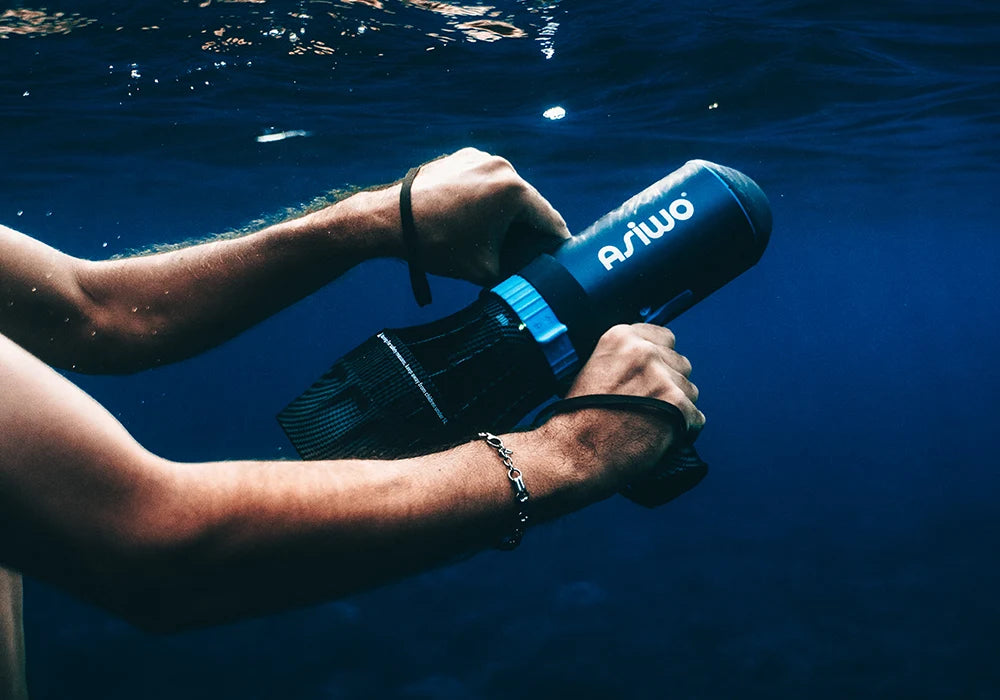
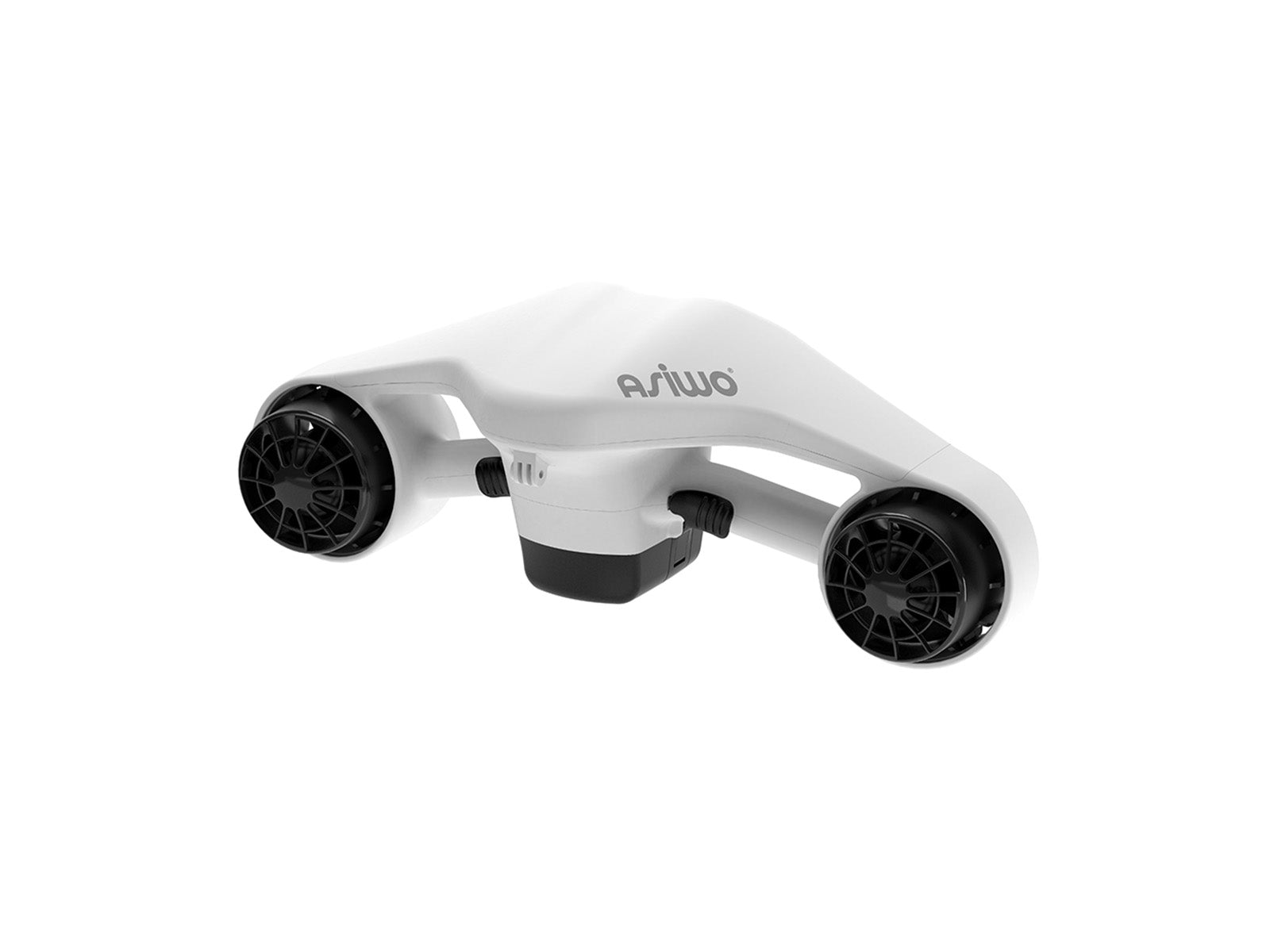
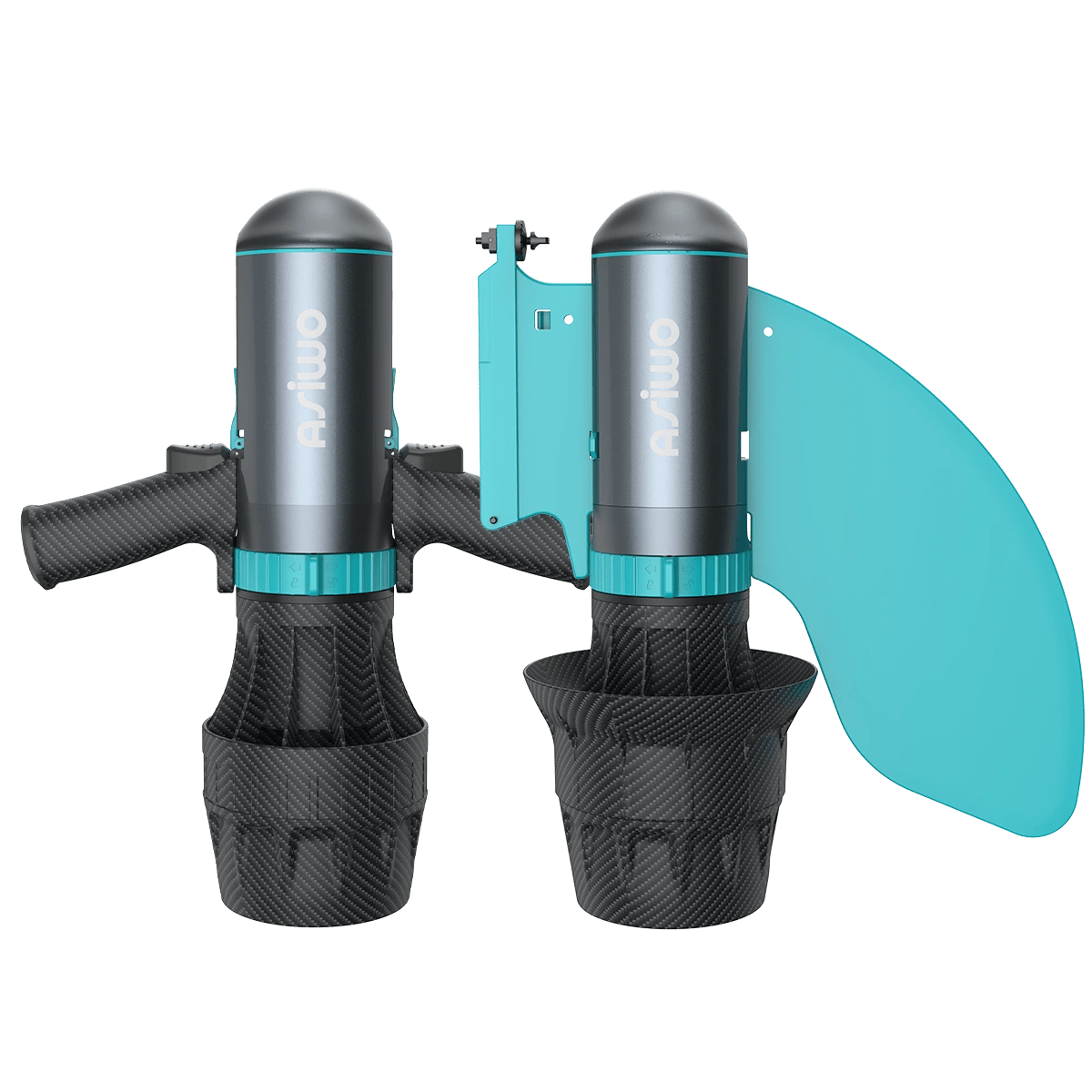
If you want to explore longer without pushing your breath-hold limits, an underwater scooter like the ASIWO Manta offers a practical alternative. Instead of staying down longer on a single breath, it helps you move farther and more efficiently while snorkeling, reducing physical effort and oxygen use. By letting the scooter handle propulsion, you can enjoy deeper or longer underwater views with shorter, safer dives and relaxed surface intervals, which makes it a smart option for snorkelers who want more underwater time without added strain or risk.

ASIWO Manta is a lightweight underwater scooter for surface snorkeling and shallow-water exploring. With three speed modes, it helps you glide smoothly, reduce fatigue, and keep a steady face-down position for easier breathing.
Conclusion
A snorkel helps you breathe at the surface; it doesn’t let you breathe underwater. So how long can you stay underwater with a snorkel comes down to your breath-hold, your technique, and your safety habits. Most people sit somewhere in the tens of seconds, and that’s perfectly normal. If you want longer dives, focus on calm breathing prep, an efficient duck dive, slow streamlined movement, and generous recovery at the surface. If you ever feel symptoms that don’t match “normal effort,” end the session and reset.
FAQs
Can you breathe underwater with a snorkel?
No. A snorkel only works at the surface. Once the snorkel tip goes underwater, you can’t safely inhale air through it.
How long can the average person stay underwater while snorkeling?
Most recreational snorkelers stay underwater for about 20–45 seconds per dive, depending on comfort, fitness, and conditions.
Does a longer snorkel let you stay underwater longer?
No. Longer snorkels make breathing harder and increase CO₂ buildup, which can actually shorten your underwater time and raise safety risks.
Is it safe to hyperventilate before diving while snorkeling?
No. Hyperventilating increases the risk of shallow water blackout and does not safely extend breath-hold time.
What’s the safest way to increase underwater time while snorkeling?
Use calm breathing before diving, move efficiently underwater, and take enough recovery breaths at the surface between dives.


Lascia un commento