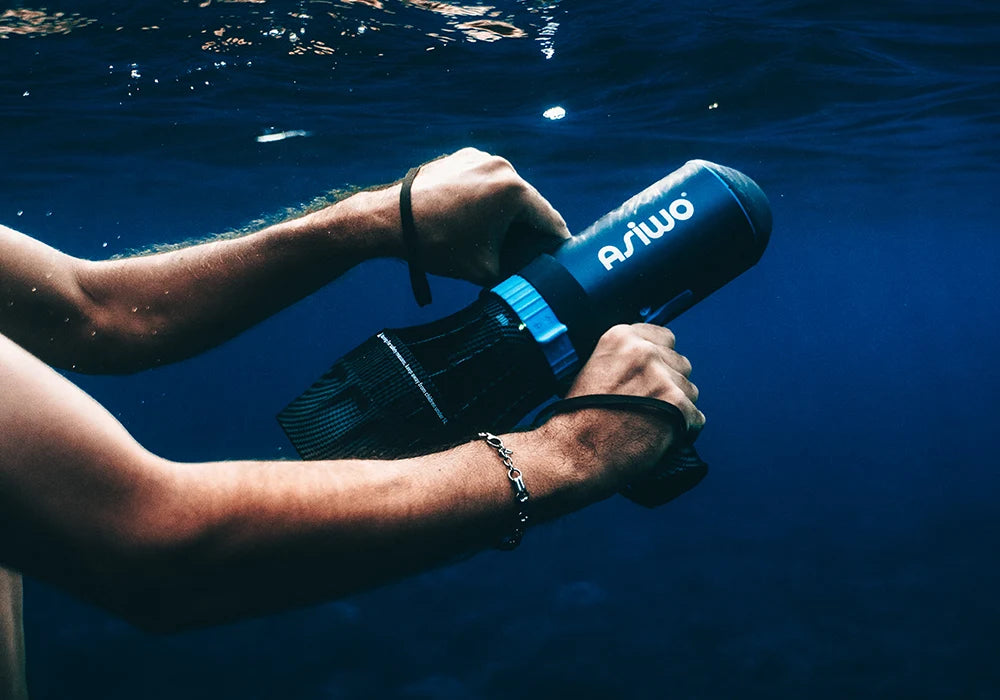







When a swim school looks at a powered kickboard, the first reaction is usually mixed. It looks fun. Students will probably want to try it. Parents may notice it right away. But the real question is not whether the board gets attention. The real question is whether it helps a lesson stay calm, visible, and teachable.
That is how ASIWO would look at MAKO in a swim-school setting. It should not become the center of the class. It works better as a short, supervised station that gives the instructor one more way to help a student feel steady at the surface, move forward without rushing, and practice stopping before the wall.
If a program can give MAKO a clear role, it can add energy to a lesson without turning the lane into free play. If the class is already crowded, noisy, or hard to supervise, the board will not fix that. It will only make the weak points more obvious.
Quick Answer
The ASIWO MAKO electric kickboard can make sense for swim schools that already run structured pool lessons and want a controlled surface-water station. It is strongest for confident beginners, returning swimmers, camp sessions, and short confidence drills where the instructor can watch one rider at a time.
It is not a shortcut for students who are not ready to follow instructions in the water. The best use is simple: one rider, one clear lane, slow mode first, a short travel distance, and an instructor who decides when the ride starts and ends.
For swim schools, MAKO is less about adding speed and more about creating a moment where a student can say, "I can move forward and still stay in control."
The Real Question For A Swim School
A family pool owner may ask whether a product is fun. A swim school has to ask something more practical: where does this fit inside a lesson that already has goals?
MAKO can fit when the goal is surface confidence. Some students already know how to hold a board, but they tense up when asked to move across the lane. Some can kick, but they rush. Some are comfortable near the wall but lose confidence once the lane opens up. A short powered glide can give the instructor a way to slow the moment down.
The mistake would be to use the board as a reward with no teaching purpose. Students will naturally want to go faster, compare turns, or ride farther. The instructor's job is to make the activity small enough to teach from: hold the board, look ahead, stay relaxed, release to stop, return to the group.
When MAKO is framed that way, it feels less like a gadget and more like a teaching prop.
Where MAKO Feels Useful In A Lesson
The best MAKO lesson is not a long ride. It is a short repeatable pass that the instructor can explain in ten seconds.
One example: a student starts at a marked point, uses slow mode, glides a short distance, releases before the stop marker, and tells the instructor how it felt. The instructor can then adjust body position, grip, breathing, or lane awareness before the next pass.
MAKO is most useful when:
- The student can listen and respond quickly.
- The water is calm and the lane is not crowded.
- The instructor can see the rider the entire time.
- The activity supports posture, direction, and stopping.
- The board is used for a few minutes, not the whole class.
ASIWO lists MAKO with three speed modes at 2 ft/s, 3.3 ft/s, and 5 ft/s. In a swim school, the most important number is usually 2 ft/s. Slow mode gives the student time to think, and it gives the instructor time to coach. The 5 ft/s mode may be listed on the product, but it rarely belongs in a normal lesson unless the student, lane, and instructor plan clearly justify it.
The First Session We Would Run
For a first class, we would keep the setup almost boring on purpose. Boring is good when a powered product is new.
The instructor explains the board on deck first. Students should see where the hands go, how propulsion starts, and how the board stops when controls are released. Then one selected student enters the water with the motor off. The first pass is short, slow, and close enough that the instructor can step in immediately.
The first session should answer three questions:
- Can the student start without panic?
- Can the student release and stop before the marker?
- Can the student return attention to the instructor after the ride?
If the answer is no, the board goes away for that student that day. That is not a failure. It is good teaching judgment.
If the answer is yes, MAKO can become a small rotation station inside the lesson. The electric kickboard quick start guide is the right follow-up for instructors who need the basic setup steps before they design a class routine.
Battery And Care Without Turning It Into Extra Work
The operational side matters because swim schools run on schedules. A board that is fun for ten minutes but messy to charge, rinse, and store will slowly disappear into the equipment room.
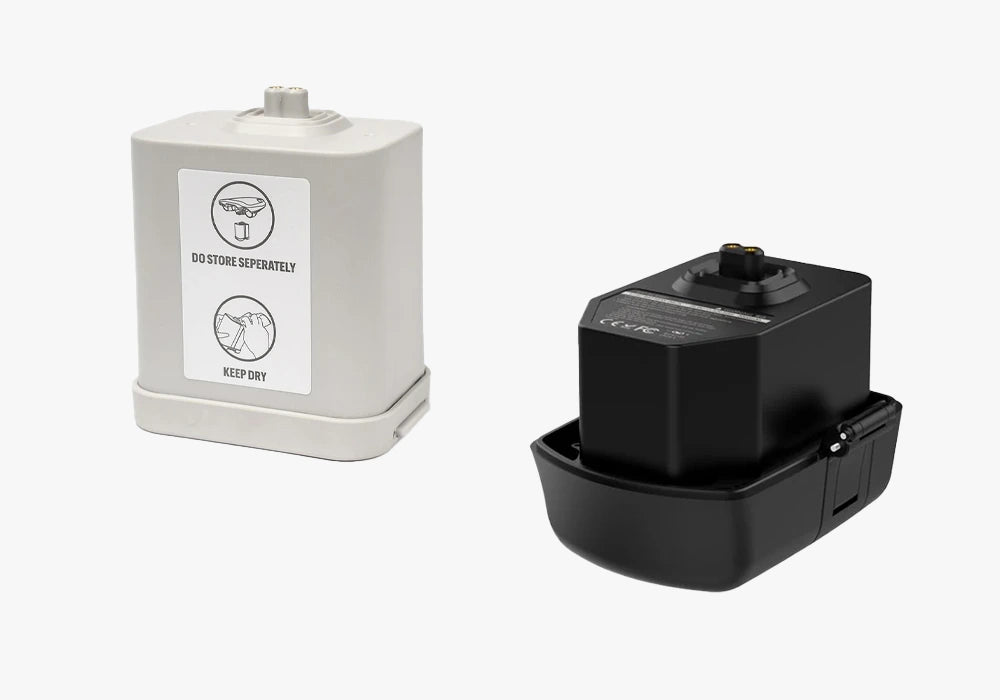
ASIWO lists MAKO with a 92.5Wh removable lithium-ion battery, up to 60 minutes in slow mode, and a 3-4 hour charging time. A school should treat those numbers as planning inputs, not promises for a full teaching day.
A practical routine is enough:
- Charge before the teaching block.
- Use slow mode for lessons.
- Keep turns short.
- Assign one instructor to check the board after class.
- Remove the battery, rinse the board, dry both parts, and store them away from wet deck traffic.
That last part matters. Chlorine, wet hands, loose hair, and rushed storage are what make pool equipment age badly. The ASIWO MAKO maintenance guide is the better resource for the after-class routine.

Final Recommendation For Swim Schools
ASIWO MAKO is worth considering when a swim school has a clear instructional use for it. It works best as a controlled surface station for students who are ready to follow directions, not as a toy for the whole class.
Our recommendation is to start with one board, one instructor, and one short drill. Watch how students respond. Watch how easy it is to rotate. Watch whether the board helps students relax or makes the class harder to manage. That observation is more useful than any product spec.
Choose MAKO if you want a supervised electric kickboard for surface confidence, lane rhythm, and short instructor-led drills. Skip it if the class environment is too crowded or if the goal is simply to entertain students with speed.
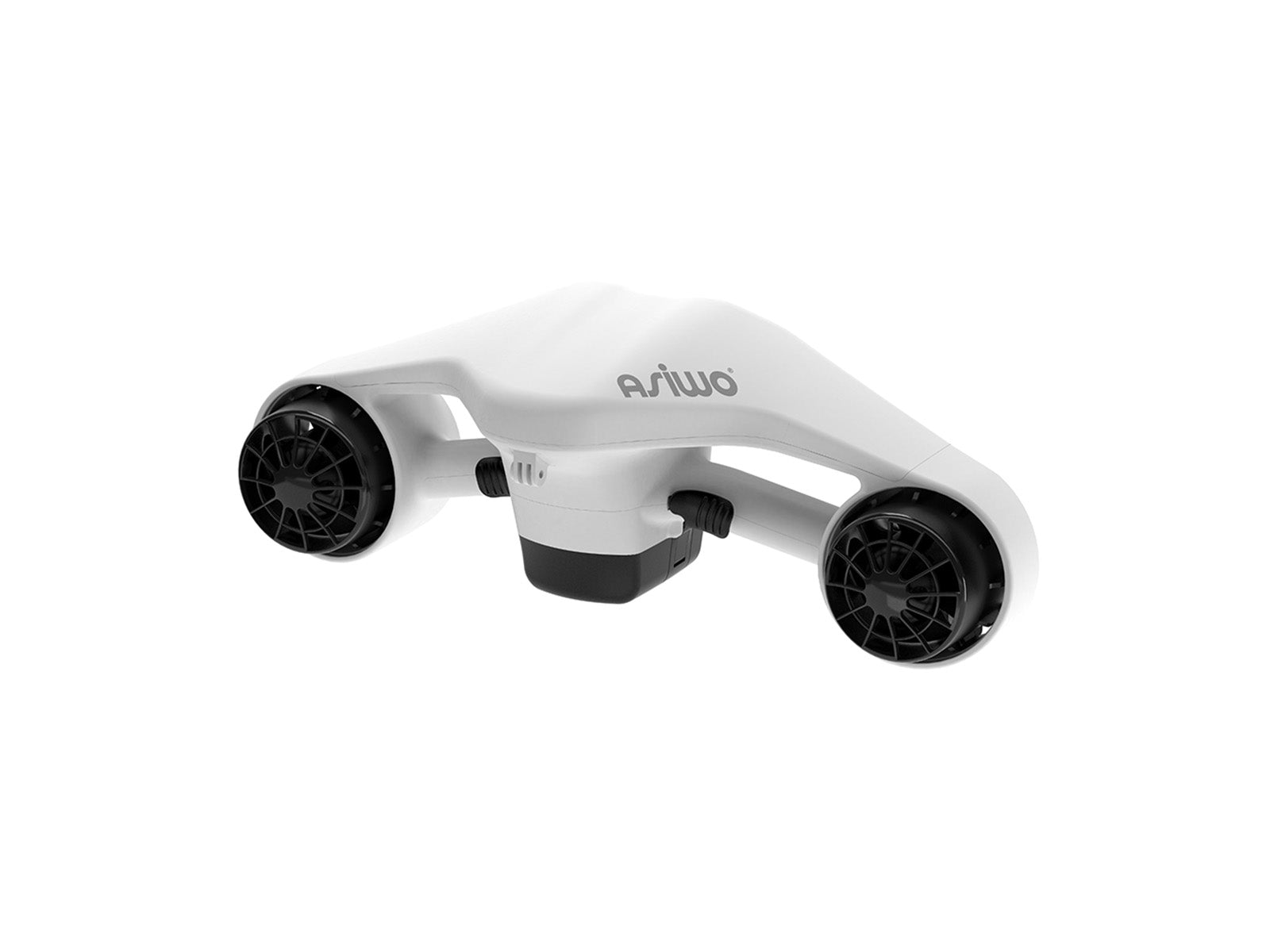
If your program is comparing broader water products, the ASIWO underwater scooters collection can help you see the full lineup. For swim schools, though, MAKO is the natural starting point because it keeps the student at the surface and keeps the instructor in control of the lesson.
Can a swim school use ASIWO MAKO with beginner swimmers?
Yes, but only with careful selection. MAKO fits students who can listen, stay calm, and stop on command. It is not for a first water-comfort session.
Is MAKO a replacement for normal kickboard drills?
No. Traditional drills still matter. MAKO is better as a short confidence station that supports a lesson, not as the lesson itself.
How many boards should a swim school start with?
Start with one. If one board cannot be managed cleanly in class flow, more boards will not solve the problem.
Which speed should instructors use first?
Use slow mode first. In most lesson settings, that is the mode that gives both the student and instructor enough time to stay calm.
What should instructors check after class?
Check that the board is rinsed, dry, free of debris around the propulsion area, and stored with the battery handled separately.


Laissez un commentaire