






The best swimming aid for a beginner depends on the skill being practised: a regular, non-powered kickboard for leg kicks, a pull buoy for arm-stroke practice, fins for kicking drills, or a pool noodle for supported floating exercises. Ask your swimming teacher which tool suits your current ability; you do not need to buy every item. Swim England explains these four training aids.
This guide focuses on supervised pool learning. Caps and goggles are accessories, while electric kickboards provide powered assistance rather than replacing swimming lessons. None of these items makes a non-swimmer safe without supervision or replaces an appropriate life jacket. Start with lessons, a supervised swimming area, and equipment your teacher has shown you how to use. Read the American Red Cross water-safety guidance.
Best Swimming Aids for Beginners
Kickboards
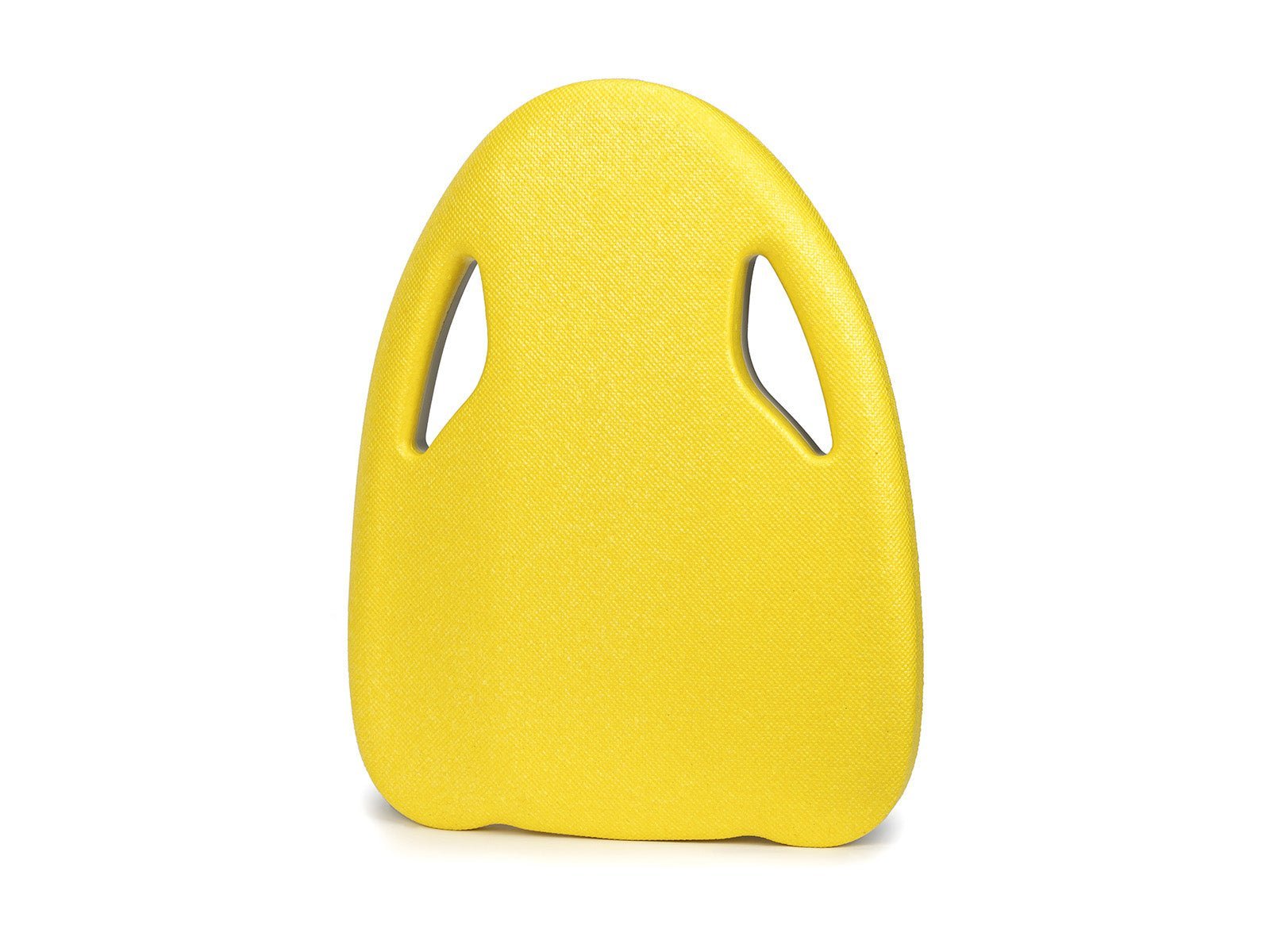
One of the most common and useful swimming aids for beginners is the kickboard. Kickboards are designed to help swimmers focus on their legs and kicking technique while keeping the upper body buoyant. By using a kickboard, beginners can isolate their leg movements and work on building strength and stamina in the legs.
To use a kickboard, simply hold it in front of you while floating on your stomach. Focus on your flutter kicks or other kicking techniques. This will help you build the power needed to swim efficiently. Kickboards can also be used with fins for an added challenge.
Pull Buoys
A pull buoy is another effective swimming aid for beginners. This buoy is typically placed between the legs to keep the swimmer’s body afloat while isolating the arm movements. By using a pull buoy, swimmers can focus on their upper body strokes without the distraction of leg movements.

Pull buoys are particularly useful for those working on improving their stroke technique. By eliminating the need to kick, beginners can focus entirely on refining arm movements and breathing techniques. This isolation promotes better body alignment and can significantly improve efficiency in swimming.
Fins
Fins are optional swimming aids for beginners, used for kicking drills rather than required for every lesson. Ask your swimming teacher whether they suit your current ability and the skill you are practising.

Fins provide extra propulsion during kicking practice. Use them for drills your teacher has demonstrated, with attention to controlled movement rather than speed. Moving faster with fins does not by itself show that your kicking technique has improved.
Noodles
A pool noodle is a flexible foam tube that offers versatile support in the water. It’s a popular swimming aid for beginners due to its ability to assist with balance, floating, and gentle exercises. Beginners can use a noodle under their arms, between their legs, or even as a seat to keep them afloat and comfortable.
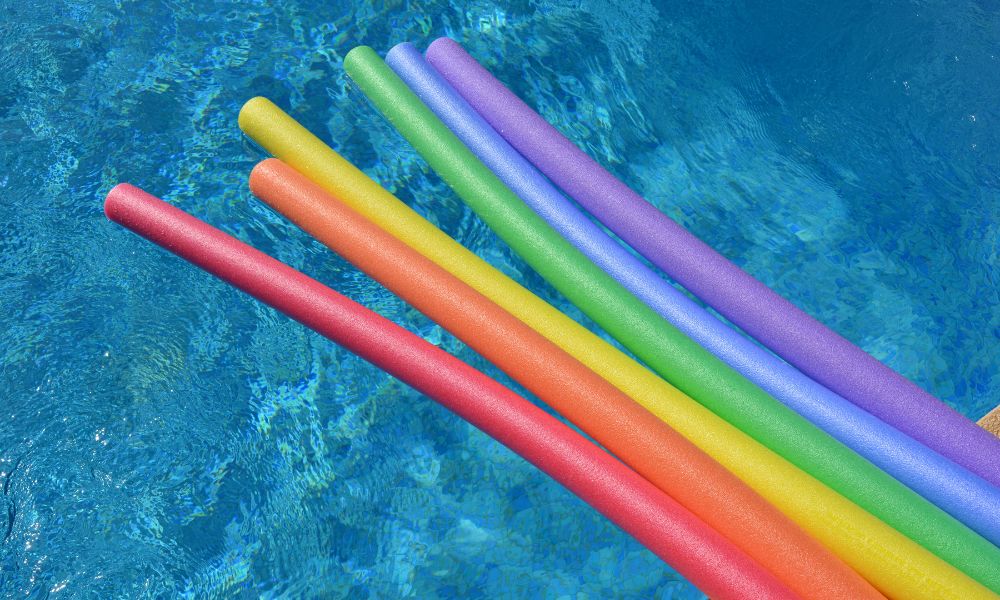
A noodle can support floating and gentle exercises, but it is not suitable for every learner or drill. Ask your swimming teacher to choose an exercise that matches your ability and show you how to position the noodle. Use it under supervision, not as a life-saving device.
Swim Caps
A swim cap helps keep longer hair contained and out of the way. It is an accessory, not a flotation aid or a requirement for learning every swimming skill. Check your pool's rules before your lesson: some pools require caps, while others do not. Choose one that fits comfortably. Swim England's swimming-kit checklist explains what to bring and when a cap can be useful.
Goggles
Goggles can make underwater viewing more comfortable, but they are not compulsory for every beginner or lesson. Ask your swimming teacher about the lesson's requirements before buying a pair. For children's first lessons, Swim England notes that goggles are not usually needed and that pools may have their own policies. If goggles are appropriate for your session, choose a comfortable fit; they do not replace supervision or water-safety skills.
How to Combine Swimming Aids for Maximum Effect
You do not need to combine several swimming aids in every session. With your swimming teacher's guidance, select equipment for your current ability and practice goal: a kickboard for kicking, a pull buoy for arm-stroke practice, or fins for kicking drills. Use a combination only when your teacher recommends it for the exercise.
Ask your teacher when you are ready to practise a skill without an aid, and continue in a supervised setting. Progress should follow demonstrated ability rather than a promise that using more equipment will make you learn faster.
Recommended: Portable Water Toys: Fun and Convenience for Summer Adventures
Where Electric Kickboards Fit
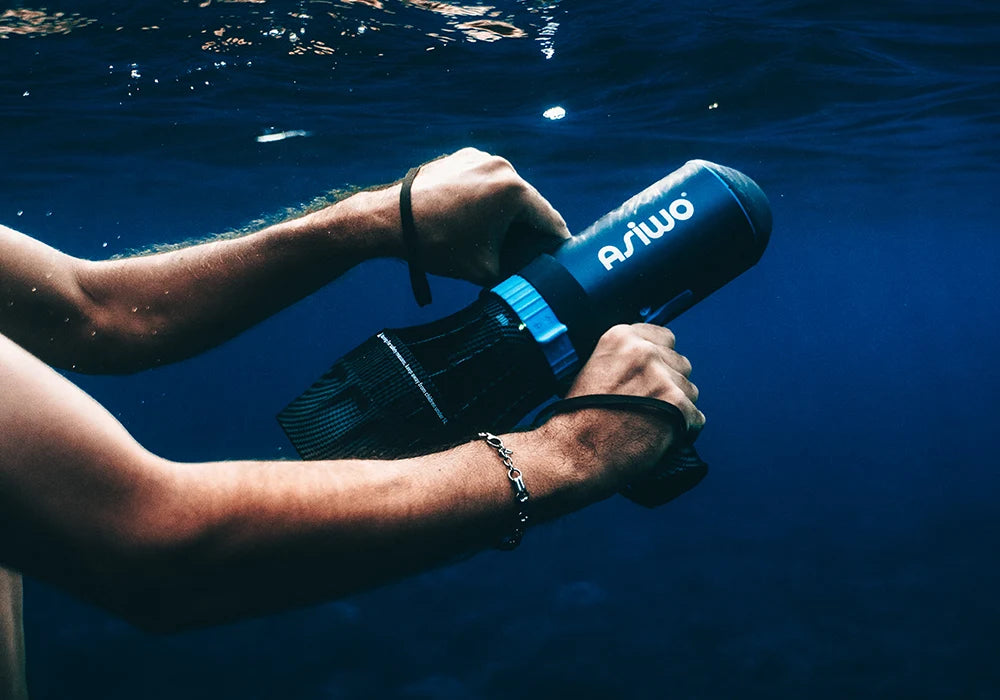
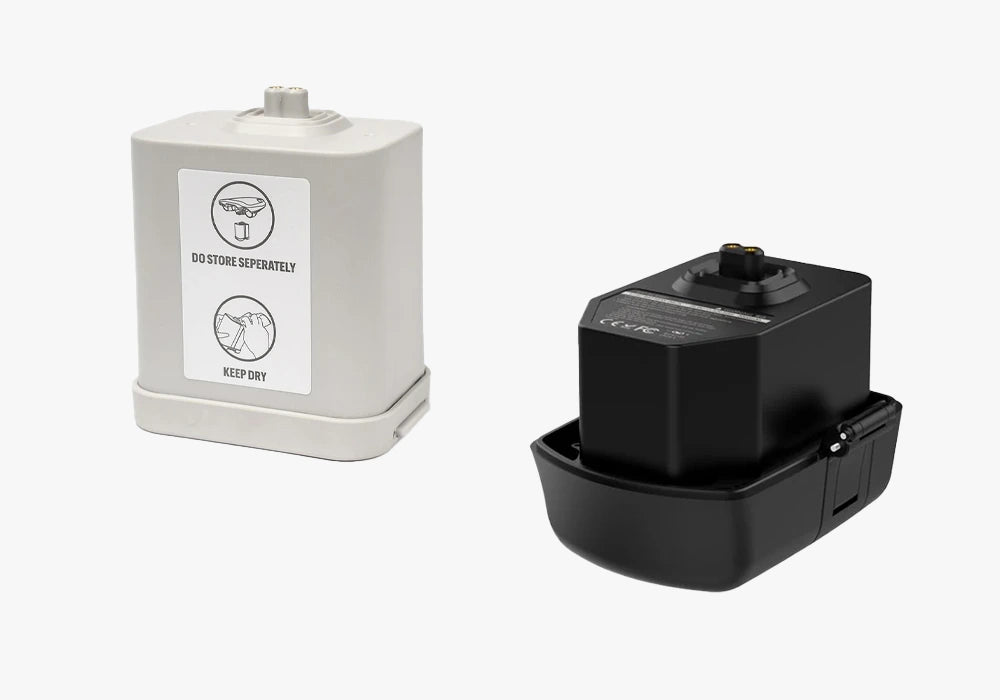
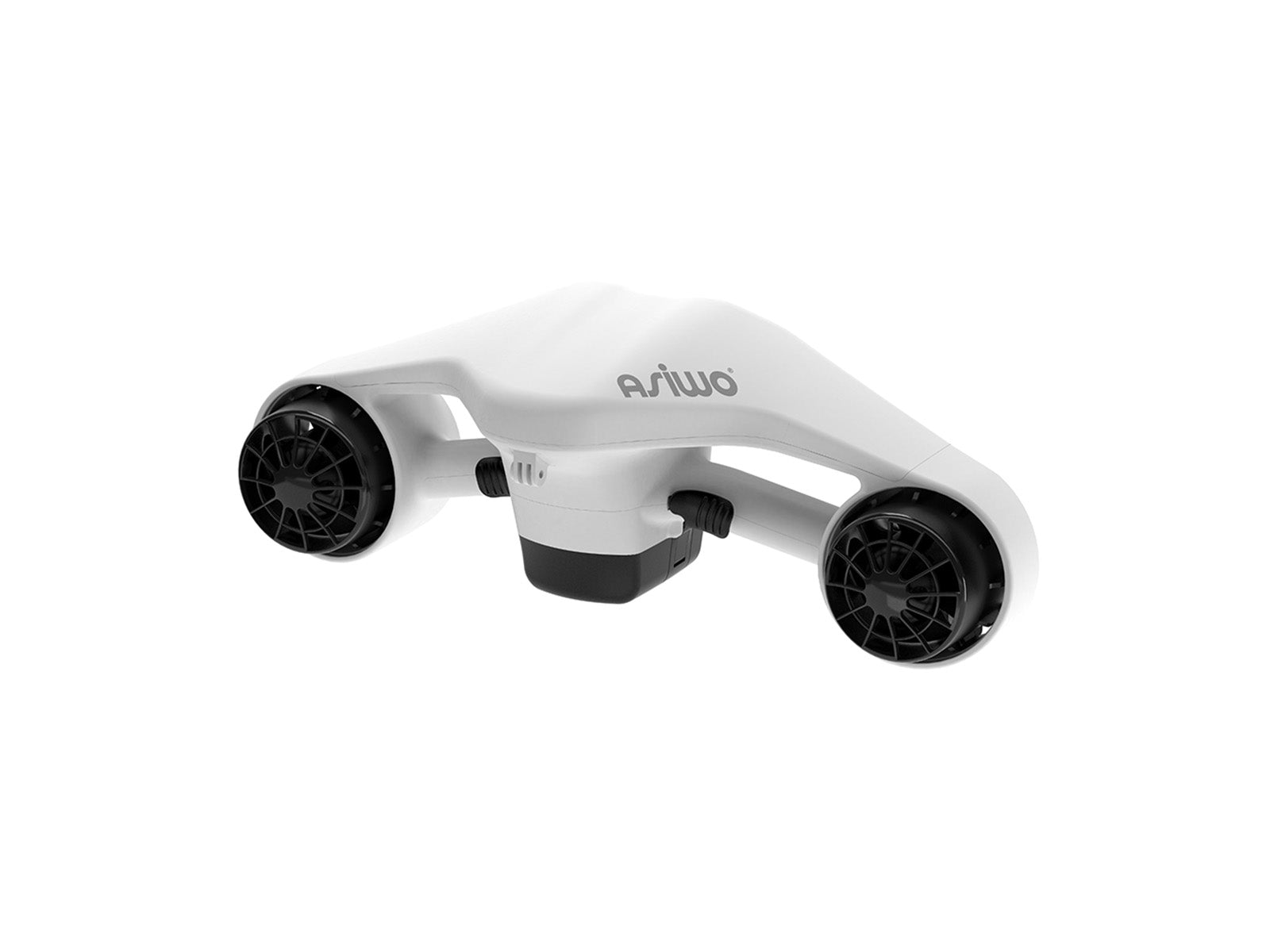
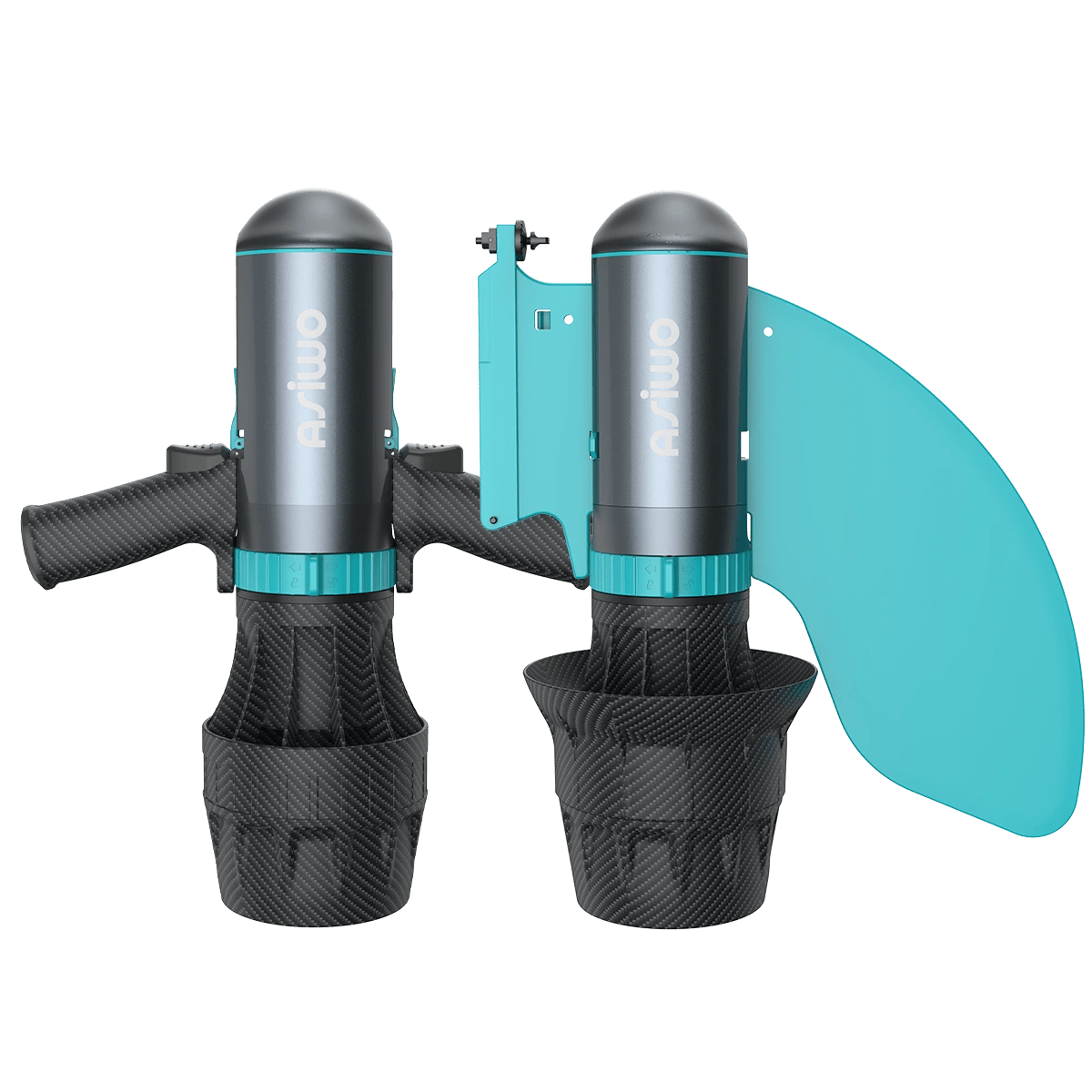
Electric kickboards, such as the ASIWO MAKO electric kickboard, add motor-powered propulsion for recreational surface-water use. They serve a different purpose from the regular kickboard used in the kicking drills above. Powered movement is not evidence that a learner has mastered a stroke, and it should not be presented as a guarantee of faster learning or correct technique.
The MAKO is not a life-saving device. Non-swimmers should wear an appropriate life jacket and remain under close adult supervision, as stated in the official MAKO FAQ linked above. Keep children under adult supervision as well, and follow the current manual and user requirements. If your goal is learning to swim, ask your teacher whether a powered device belongs in the session at all. For recreation, check the product's intended use and safety instructions before choosing it.

Conclusion
Learning to swim as a beginner can be challenging, but with the right swimming aids, the process becomes more enjoyable and effective. By using kickboards, pull buoys, fins, noodles, and other helpful tools, beginners can focus on building technique and gaining confidence in the water. The key is to start slow, practice regularly, and gradually reduce reliance on aids as your skills improve.
Whether you're swimming for fitness, recreation, or as a life skill, the proper swimming aids will help you unlock your potential in the water. So, take your time, enjoy the process, and remember that every stroke brings you closer to your swimming goals!
FAQs
Q: Are swimming aids necessary for beginners?
While not mandatory, swimming aids for beginners provide valuable support, build confidence, and allow you to focus on improving specific swimming techniques.
Q: How do I choose the right swimming aid for my needs?
Choose a swimming aid with your teacher's guidance, based on your current ability and the area you want to practise: a kickboard for kicking, a pull buoy for arm strokes, fins for kicking drills, and noodles for supported balance exercises.
Q: Can I use swimming aids in open water?
Do not treat pool training aids as open-water safety equipment. A kickboard or noodle is not a substitute for an appropriate life jacket, swimming ability, or supervision. For beginners, start in a supervised pool rather than using an aid to venture into open water. If you plan an open-water activity, check the location and conditions with a qualified provider, follow its participant requirements, and never swim alone. The American Red Cross recommends life jackets in oceans and open water, with the type and fit matched to the activity and wearer.


Dejar un comentario