






An underwater scooter losing power quickly usually points to one of five causes: the battery is not fully charged, the battery is aging, the scooter is being used at high speed for too long, water conditions are adding drag, or the propeller and motor are working against debris or mechanical resistance. In many cases, the scooter itself is not “broken.” It is simply drawing more power than expected because the battery, riding style, water temperature, or maintenance condition has changed.
A scooter that once ran for 45 minutes but now feels weak after 15 or 20 minutes needs a closer check. The key is to separate normal battery drain from signs of a real fault. A short runtime after high-speed use in current is different from a scooter that cuts out suddenly in calm water with a fully charged battery.
Why Does an Underwater Scooter Lose Power Quickly?
An underwater scooter loses power quickly when the motor has to draw more energy than normal or when the battery can no longer deliver its full capacity. Battery problems are the most common cause, but they are not the only one.
A scooter’s runtime depends on battery size, speed setting, rider weight, water resistance, propeller condition, water temperature, and how well the battery has been charged and stored. Even a healthy scooter can drain faster than expected if it is used at full speed in waves or current.
The Battery May Not Be Fully Charged
The first thing to check is the simplest: whether the battery actually received a full charge. A loose charging cable, dirty contact point, weak wall outlet, or charger issue can leave the battery partially charged even if the light turns green.
Many underwater scooters use lithium-ion batteries, and charging time often ranges from about 2 to 5 hours depending on the model and battery size. If your scooter normally needs 3 hours to charge but the indicator changes after 30 minutes, the battery may not be taking charge properly.
Check these basic points before assuming the battery is bad:
- The charger is firmly connected to both the wall and battery.
- The charging port is dry and clean.
- The indicator light follows the normal pattern in the manual.
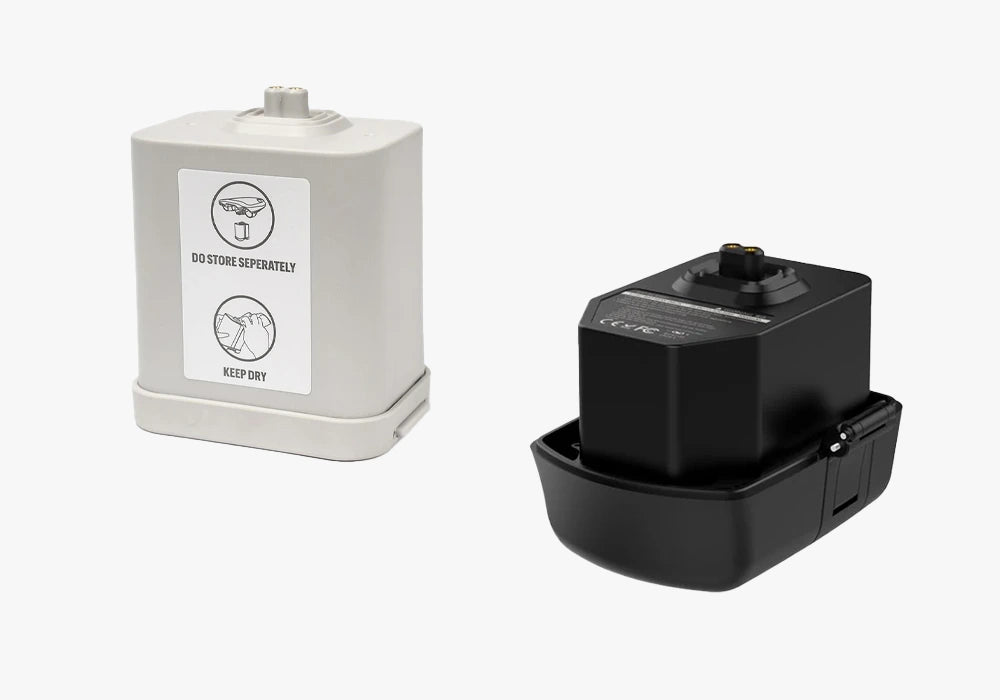
- The battery is seated correctly before use.
- The scooter was not stored with a nearly empty battery.
A scooter can turn on with a partial charge, but the motor may feel weak once it meets real water resistance.
The Battery May Be Aging
If your underwater scooter used to run much longer on the same route and speed setting, battery aging may be the reason. Lithium-ion batteries lose usable capacity over time. Repeated charge cycles, long storage at very low charge, heat exposure, and poor storage habits can all shorten battery life.
An aging battery may still look normal. It may charge, power the display, and run the motor on land. The problem appears under load. Once the scooter is underwater and pushing against resistance, the battery voltage may drop faster than it used to.
Common signs of an aging battery include:
- Runtime is much shorter than before.
- Power drops quickly after the first few minutes.
- The scooter feels normal at first, then suddenly weakens.
- Charging finishes unusually fast.
- The battery gets warm during normal use or charging.
If the battery is more than a few seasons old and has seen frequent use, reduced runtime is not unusual.
The Scooter May Be Working Too Hard
A scooter drains faster when the motor has to fight more resistance. This can happen even with a healthy battery.
Strong current, surface chop, poor body position, bulky gear, towing another person, or holding the scooter at an awkward angle can all increase load. The motor then pulls more current from the battery to maintain speed.
For example, cruising slowly in calm water may give close to the expected runtime. Holding top speed against a current may cut that runtime sharply. A scooter rated for up to 60 minutes in ideal use may feel much shorter in rougher open water.
How Riding Style Drains Scooter Battery Faster
Runtime is not fixed. The same underwater scooter can last much longer with smooth, moderate use than with constant full-throttle riding.
Speed setting has the biggest effect. A higher speed mode gives stronger pull, but it also uses energy faster. The difference can be obvious during snorkeling, reef exploring, or open-water use where the scooter stays under load for long periods.
High-Speed Mode Uses More Power
High-speed mode is useful when you need extra pull, but it drains the battery quickly. The motor must spin faster and push more water through the propeller. That requires more current from the battery.
Many riders use high speed because it feels more fun, especially at the start of a session. The trade-off is shorter runtime. If your scooter has multiple speeds, using the lower or middle setting for relaxed cruising can make a noticeable difference.
A practical approach is simple:
- Use low or medium speed for normal exploring.
- Save high speed for short bursts.
- Slow down when swimming with a group.
- Avoid fighting current at full power for long stretches.
This matters most for recreational snorkelers who want longer sessions instead of maximum speed.
Stop-and-Go Use Wastes Energy
Repeated starts also drain the battery faster. A scooter uses more power when accelerating from a stop than when cruising steadily.
This happens often during casual snorkeling. You stop to look at fish, restart, stop for a photo, restart again, then accelerate to catch up with someone. Each burst asks the motor for extra power.
Smooth riding is easier on the battery. Instead of constant on-off use, keep a steady pace when conditions allow. Use short pauses when needed, but avoid rapid trigger tapping or aggressive acceleration.
Strong Current Adds Load
Current is one of the fastest ways to reduce underwater scooter runtime. The scooter may be doing more work than you realize, especially if the water looks calm on the surface.
A current moving against you increases drag. Waves and surge can also push your body out of position, which makes the scooter pull harder. If your fins, arms, camera gear, or body angle create more resistance, the motor has to compensate.
If the scooter feels weaker only in open water, rough water, or current, the battery may not be the main problem. The riding environment may simply be demanding more power.
Battery and Charging Problems to Check
If riding style and water conditions do not explain the fast drain, check the power system. Battery seating, terminals, charging contact, and the charger itself can all affect runtime.
A small connection problem can make a scooter feel unreliable. Saltwater makes this more common because it can leave residue or corrosion around metal contact points.
Loose Battery Connection
A loose battery connection can cause weak power, short runtime, or sudden cutouts. If the battery does not sit firmly in place, the scooter may lose consistent electrical contact once it vibrates, moves, or meets water resistance.
Before each use, check that the battery is locked in correctly. Look for sand, grit, or small debris around the battery compartment. Even a tiny obstruction can prevent a secure fit.
Signs of a poor connection include:
- The scooter powers on and off unexpectedly.
- Power feels uneven.
- The battery indicator changes suddenly.
- The scooter works on land but cuts out in water.
- The battery compartment does not close smoothly.
Never force the battery into place. If it does not seat naturally, inspect the compartment first.
Corroded Battery Terminals
Corroded or dirty terminals can limit power flow between the battery and scooter. Saltwater exposure, moisture, and poor drying habits can leave residue on contact points. Over time, this can create resistance and reduce performance.
Corrosion may look like white, green, gray, or crusty buildup around metal contacts. Dirt and salt residue can cause similar problems even before heavy corrosion appears.
After saltwater use, rinse the scooter with fresh water according to the manual, dry the battery area carefully, and store it with the port covers or seals properly closed. Do not scrape contacts with sharp tools. If the contacts look damaged or heavily corroded, service may be needed.
Faulty Charger or Charging Dock
A faulty charger can make a good battery seem bad. If the charger is not delivering the correct output, the battery may never reach full capacity.
This is especially likely if charging behavior changes suddenly. For example, the charger light may turn green too soon, stay red too long, flicker, or fail to turn on. A damaged cable or loose plug can also interrupt charging.
A few practical checks can help:
- Try a different wall outlet.
- Inspect the charger cable for bends or damage.
- Check whether the charger gets unusually hot.
- Confirm the charger matches the scooter model.
- Avoid third-party chargers unless approved by the manufacturer.
Using the wrong charger can damage the battery or create safety risks, so this is not a place to guess.
Water Conditions That Reduce Scooter Runtime
Water conditions can make a good scooter feel weak. Cold water, saltwater, sand, seaweed, and debris all affect performance in different ways.
This is why runtime in real use often differs from the advertised maximum. Published runtime is usually measured under controlled or ideal conditions. Real water adds more variables.
Cold Water Reduces Battery Output
Cold water can reduce battery output and make the scooter drain faster. Lithium-ion batteries generally perform best in moderate temperatures. In colder conditions, chemical reactions inside the battery slow down, which can reduce usable capacity and voltage delivery.
You may notice shorter runtime during early morning sessions, winter snorkeling, quarry diving, or cold coastal water use. The scooter may recover some performance after warming up, but the session itself can still feel shorter.
Cold water does not always mean the battery is damaged. If runtime returns to normal in warmer conditions, temperature was likely part of the problem.
Saltwater Can Increase Wear
Saltwater does not directly “use” battery power, but it can increase wear if the scooter is not rinsed and dried properly. Salt residue can affect seals, contacts, moving parts, and propeller areas. Over time, this can create more resistance and reduce efficiency.
A scooter used often in saltwater needs more careful maintenance than one used in a pool or freshwater lake. The key steps are fresh-water rinsing, drying, and checking seals before storage.
Pay attention to these areas after saltwater use:
- Propeller housing
- Battery contacts
- Charging port
- Seals and O-rings
- Trigger and handle areas
- Any small gaps where salt can dry
Good rinsing habits protect both runtime and long-term reliability.
Debris Can Slow the Propeller
Debris around the propeller can make the motor work harder and drain the battery faster. Seaweed, sand, hair, fishing line, and small plastic pieces can wrap around the propeller shaft or block smooth water flow.
A partially blocked propeller may still spin, but it will not move water efficiently. The scooter may sound louder, vibrate more, or feel weaker than normal.
Turn the scooter off before inspecting the propeller area. Remove visible debris carefully and check for anything wrapped near the shaft. If the propeller looks bent, cracked, or uneven, avoid using the scooter until it is repaired.
When Power Loss Means a Mechanical Issue
Fast battery drain is not always a battery problem. Mechanical resistance, motor wear, water intrusion, overheating, or electronics issues can also cause power loss.
A mechanical issue is more likely if the scooter loses power suddenly, makes unusual noise, vibrates, smells hot, or performs poorly even with a fully charged battery in calm water.
The Motor Feels Weak
A weak motor may be struggling against internal resistance, damaged seals, heat, or electrical faults. If the scooter feels underpowered at every speed setting, the issue may go beyond normal battery drain.
Motor problems can show up as:
- Weak pull even at full charge
- Unusual buzzing or grinding sounds
- Burning smell
- Strong vibration
- Sudden loss of thrust
- Power that fades within minutes
Do not keep testing a scooter that shows these signs. Continued use can make the damage worse, especially if water has entered the motor housing.
The Propeller Spins Slowly
A slow-spinning propeller can be caused by low battery voltage, debris, propeller damage, shaft resistance, or motor trouble. The propeller should spin smoothly without grinding or wobbling.
If it spins slowly on land, check the battery charge and propeller area first. If it spins normally on land but loses power underwater, the scooter may be struggling under load. That points back to battery health, motor strength, or water resistance.
A bent propeller blade can also reduce thrust. Even small blade damage can make the scooter less efficient because the propeller no longer moves water cleanly.
The Scooter Cuts Out Suddenly
Sudden cutouts are different from gradual battery drain. A scooter that stops suddenly may be triggering battery protection, losing electrical contact, overheating, or reacting to water intrusion.
Many lithium-ion battery systems have protection circuits that shut down power when voltage drops too low, current draw becomes too high, or temperature moves outside a safe range. This protects the battery, but it also means the scooter may stop instead of slowly fading.
Possible causes include:
- Weak or aging battery
- Loose battery contact
- Overload from debris or current
- Faulty battery management system
- Water inside the electronics
- Overheating motor or controller
If the scooter cuts out more than once in normal use, stop using it until you find the cause.
How to Make Your Underwater Scooter Last Longer
You can extend runtime by reducing motor load, protecting the battery, and keeping the scooter clean. Small habits matter because underwater scooters work in a harsh environment: pressure, salt, sand, current, and repeated charging all add wear.
The goal is not just longer sessions. Good care also helps prevent sudden power loss and expensive repairs.
Charge and Store the Battery Properly
Charge the battery with the correct charger, follow the recommended charging time, and avoid storing it completely empty. Long storage at very low charge can shorten lithium-ion battery life.
For seasonal storage, many manufacturers recommend storing lithium batteries partially charged rather than full or empty. A common storage range is around 40% to 60%, but always follow the specific manual for your scooter.
Good battery habits include:
- Charge indoors in a dry area.
- Let the battery cool before charging if it feels warm.
- Do not leave it plugged in for days.
- Avoid storing it in hot cars or direct sun.
- Recharge periodically during long storage.
- Keep charging contacts dry and clean.
If your scooter sits unused for months, check the battery before your first water session.
Rinse and Dry After Every Use
Rinsing and drying protect the parts that keep the scooter efficient. Salt, sand, and grit can collect around the propeller, seals, battery contacts, and trigger area. If left there, they can increase friction, damage seals, or affect electrical contact.
After saltwater use, rinse with fresh water and let the scooter dry before storage. Open only the parts the manual says are safe to open. Make sure the charging area is dry before plugging in the charger.
A clean scooter usually runs smoother, makes less noise, and puts less strain on the motor.
Use Lower Speed When Possible
Lower speed usually extends runtime because the motor draws less current. For relaxed snorkeling, reef viewing, and casual exploring, medium or low speed is often enough.
High speed is best for short use, not the whole session. If your scooter has two or three modes, use the lower mode when you are close to a reef, swimming with others, or moving with light current. Save full power for repositioning, returning to the entry point, or short open-water stretches.
This is one of the easiest ways to get more time from the same battery.
Replace the Battery When Needed
Replace the battery when fast drain continues after proper charging, cleaning, and normal low-load use. If the scooter loses power quickly in calm water on a full charge, the battery may no longer hold enough usable capacity.
Battery replacement makes sense when:
- Runtime has dropped sharply and does not recover.
- The battery drains quickly at all speeds.
- Charging finishes too quickly or behaves oddly.
- The battery case is swollen, cracked, or leaking.
- The scooter cuts out under normal load.
- The battery is old and has many charge cycles.
Do not use a swollen or damaged lithium battery. Stop charging it and contact the manufacturer or a qualified service provider.
Conclusion
An underwater scooter usually loses power quickly because of battery condition, charging problems, high-speed use, strong water resistance, cold water, debris, or mechanical wear. Start with the easy checks first: full charge, correct charger, clean contacts, secure battery fit, and clear propeller area. Then compare performance in calm water at a lower speed.
If runtime improves, the scooter was likely overloaded by speed, current, cold water, or debris. If it still drains fast after proper charging and cleaning, the battery or motor may need service. Treat sudden cutouts, unusual noise, overheating, or visible corrosion as warning signs, not normal wear.
FAQs
How long should an underwater scooter battery last?
Many recreational underwater scooters run for about 30 to 60 minutes, but the actual time depends on battery size, speed setting, water conditions, rider drag, and temperature. High-speed use, current, and cold water can shorten runtime a lot.
Why does my underwater scooter battery drain faster at high speed?
High-speed mode makes the motor spin faster and push more water. That requires more electrical current from the battery. Using high speed continuously can reduce runtime much faster than cruising at low or medium speed.
Can cold water make my underwater scooter feel weak?
Yes. Cold water can reduce lithium-ion battery performance. The scooter may still work, but the battery may deliver less usable power, especially during longer sessions or high-load use.
Why does my underwater scooter cut off even when the battery is charged?
Sudden cutoffs can come from a weak battery, loose connection, overload protection, overheating, water intrusion, or a battery management system issue. If it happens repeatedly, stop using the scooter until the cause is checked.
Should I replace the battery if my scooter loses power quickly?
Replace the battery only after checking charging, contacts, propeller debris, speed use, and water conditions. If the scooter still drains quickly in calm water after a full charge, the battery may be aging or damaged.


Dejar un comentario