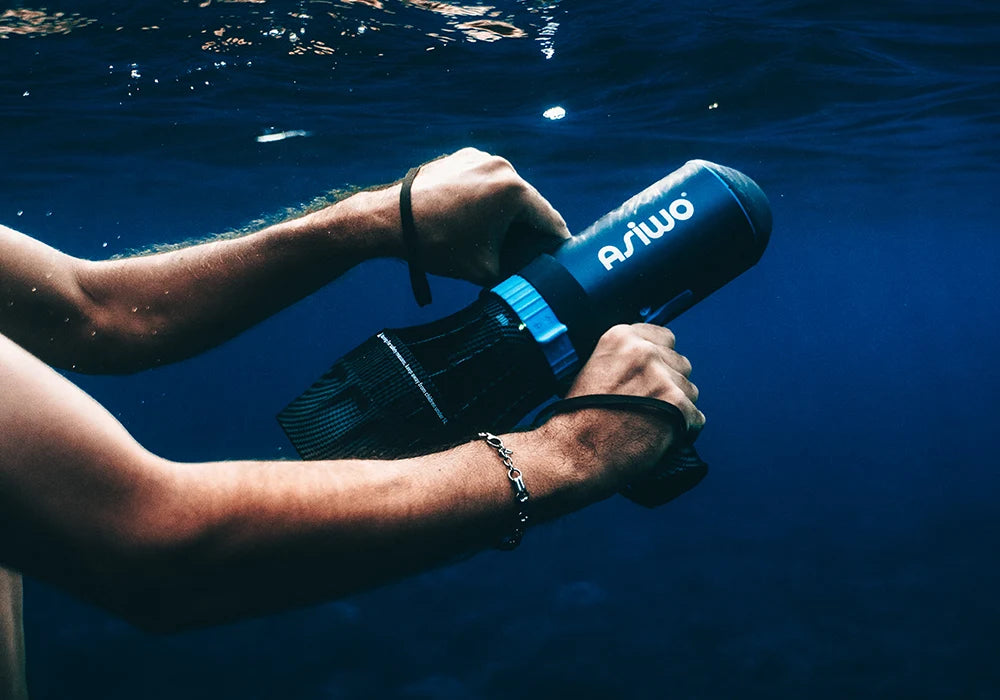







Yes, you can use an Electric Kickboard in the ocean, but only in the right conditions. Calm water, short distances, good visibility, and close shoreline access make a big difference. The ocean is much less predictable than a pool, so the question is not just whether the board can work there, but whether the environment is suitable for the rider and the device at that moment.
For casual coastal use, snorkeling near shore, or light water play in protected areas, an Electric Kickboard can be practical and fun. In rough surf, strong current, or open water, it becomes much harder to control and much easier to get into trouble
This guide breaks down when using an electric kickboard in the ocean actually makes sense, where it works best, and the situations you should avoid.
Is an Electric Kickboard Safe for Ocean Use
An Electric Kickboard can be safe in the ocean when the water is calm and the rider stays within a manageable area. It is not a substitute for ocean skills, and it should not be treated like a rescue device or something that can overpower difficult water conditions. The biggest safety issue is that ocean movement changes constantly, even when the surface looks mild.
How Waves Affect Stability
In a pool, the water stays relatively flat and predictable. In the ocean, even small waves can change how the board feels under your hands and chest. A passing swell can lift the nose, push the board off line, or force you to readjust your balance more often than expected.
For beginners, control is much easier when your body stays aligned with the board. Once the water starts moving you up and down or side to side, handling becomes less stable and predictable. Ocean use is still possible, but calm conditions are far more suitable than choppy water.
Dealing With Currents
Currents are one of the main factors that make ocean use more risky. A board may feel strong in still water, but once the water starts moving, the situation changes quickly. If you’re being pushed sideways or pulled away from shore, the motor has to work harder just to keep position, and the battery drains faster than expected.
Currents also affect how quickly you get tired. Even with powered assistance, you’ll need to steer more, brace against the water, and sometimes swim to correct your direction. Electric kickboards are better suited to light coastal conditions rather than areas with strong drift or constantly moving water.
Visibility and Awareness
Using an Electric Kickboard in the ocean requires constant awareness of both the water and your surroundings. Glare on the surface, small waves, swimmers, paddleboards, boats, and floating objects can all make it harder to read the area and react quickly.
Clear visibility and lower traffic make a noticeable difference. In crowded water, movement becomes less predictable, and there is less time to adjust your direction or avoid obstacles safely.
Where an Electric Kickboard Works Best in the Ocean
Not every ocean environment suits this kind of use. More stable conditions and easy access back to shore make a noticeable difference. If a spot already feels challenging without any equipment, it usually adds unnecessary risk once you bring a board into the water.
Calm Coastal Areas
Shallow coastal areas with minimal wave activity and easy shoreline access tend to be more manageable. They give you space to understand how an Electric Kickboard behaves in saltwater without dealing with constant changes in the water.
In these conditions, you can:
- stay close to land
- rest easily if needed
- turn back without difficulty
- keep track of changing water conditions
Snorkeling Spots
Calm snorkeling areas can work well, especially where the water is clear and routes stay close to shore. An Electric Kickboard helps reduce effort between viewing points and makes longer surface movement feel more manageable.
Keep expectations realistic. The board can assist with movement, but it does not replace the need to judge distance, current, and weather. It works as support, not a substitute for awareness or decision-making in ocean conditions.
Protected Bays and Lagoons
Protected bays and lagoons are often more manageable than exposed beaches, as the water is usually calmer and more contained. With less direct wave energy, handling an Electric Kickboard feels more stable and there’s less chance of being pushed off course.
For beginners, this type of location is generally more forgiving. An Electric Kickboard moves more smoothly, steering requires less effort, and the overall ride feels more controlled and relaxed.

When You Should Not Use It in the Ocean
Some ocean conditions push beyond what an Electric Kickboard can handle comfortably. In these situations, the limitation comes from the environment rather than the device itself.
Strong Currents or Open Water
Avoid areas with strong currents, rip movement, or offshore pull. The same applies to open water where the shoreline is far away or difficult to return to. A powered board can assist movement, but it should not be relied on to fight changing sea conditions over distance.
Open water also reduces your margin for error. If the battery drains faster than expected, fatigue sets in, or conditions shift, getting back safely becomes much more difficult.
Rough Waves or Windy Conditions
Windy days often make the ocean feel more manageable from the beach than it actually is once you get in. Rough surface chop can make steering annoying, tiring, and unpredictable. A board that feels smooth in flat water may start bouncing, drifting, or fighting your line.
If waves are actively breaking hard or the wind is creating uneven surface texture, it is better to skip the session. An Electric Kickboard is much more enjoyable in stable water than in conditions that constantly interrupt control.
Crowded or Restricted Areas
Avoid crowded swim zones, surf zones, marina traffic areas, and places with local restrictions. Even when the board itself is compact, you still need room to move safely and react to others. In a tight area, that buffer disappears.
Some beaches and coastal parks also have rules about where powered water devices can be used. Before going in, check whether the location allows it.
How to Use an Electric Kickboard in Saltwater Safely
Using an Electric Kickboard in the ocean requires a simple, controlled approach. Shorter rides, calm water, and a clear return path help keep the experience manageable.
Start Close to Shore
One common mistake is drifting farther out because the ride feels easy at the beginning. Stay within a distance where returning is still easy if the battery drops faster than expected or conditions change. Ocean sessions work better when they begin with short, controlled runs instead of long routes.
Use the first few minutes to observe how the board tracks, how the water behaves, and whether the area is more active than it appeared from shore.
Check Battery and Runtime
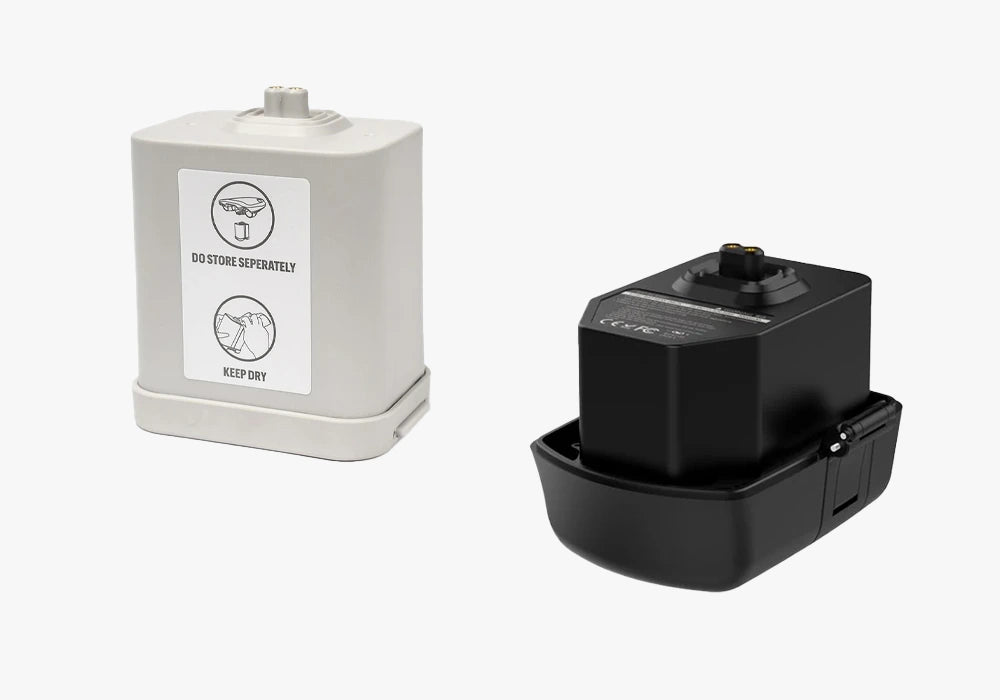
Battery behavior in the ocean can differ from what you experience in a pool. Waves, current, and constant steering adjustments often reduce runtime, especially when using higher speed modes.
Before getting in the water:
- make sure the battery is fully charged
- confirm seals and latches are properly closed
- avoid starting with a partly drained battery
- keep a comfortable reserve instead of running it close to empty
Use Safety Gear
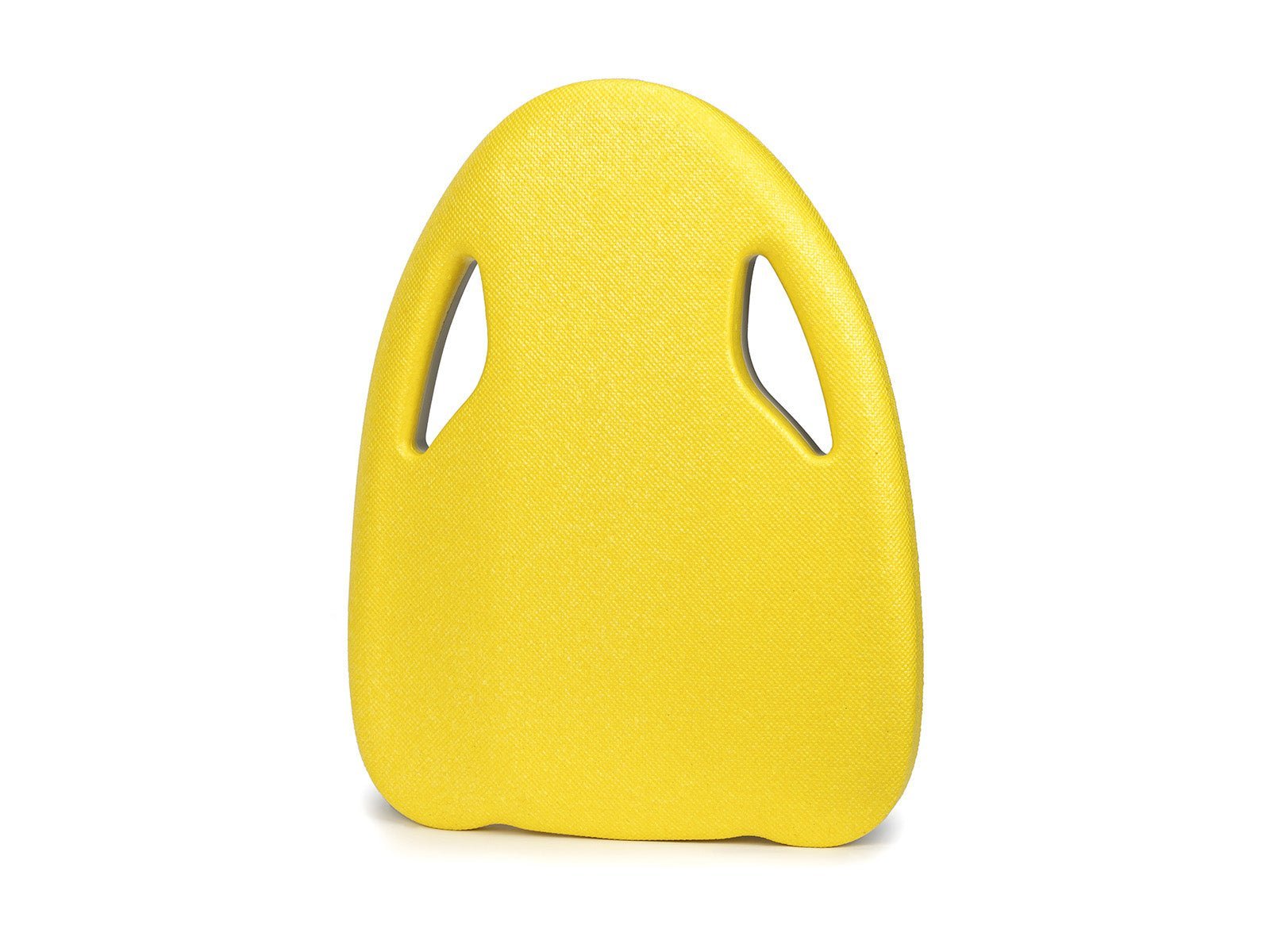
A flotation aid, mask or goggles, and bright, easy-to-see swimwear are all useful depending on the setting. In some cases, fins can also help if you need extra support getting back in.
If you are entering from a rocky or uneven shoreline, water shoes can help too. Small preparation steps make a bigger difference in the ocean than many people expect.

Electric Kickboard in Ocean vs Pool: Key Differences
People often assume that if a board works well in a pool, it will feel similar in the ocean. In practice, the experience is very different. A pool gives the device a controlled setting. The ocean adds moving variables all at once.
Water Movement and Control
In a pool, the board mainly responds to your input. In the ocean, it reacts to both your input and the movement of the water around you. That affects steering, body position, and overall stability.
Even riders who feel fully comfortable in a pool often need time to adjust in coastal water. The Electric Kickboard may perform normally, but the surrounding conditions make control less precise.
Safety and Predictability
A pool is easier to read. You can usually see the edges, judge the distance, and expect the conditions to stay mostly stable. The ocean offers none of that consistency. Wind can rise, current can shift, and visibility can change during the same session.
That does not make ocean use a bad idea. It just means it should be approached with more caution and less assumption.
Table: Electric Kickboard in Ocean vs Pool: Key Differences
| Factor | Pool | Ocean |
|---|---|---|
| Water conditions | Stable | Less predictable |
| Control | Easier | More affected by waves and current |
| Safety | More controlled environment | Needs more caution and awareness |
| Visibility | Usually clear and consistent | Can change with glare, waves, and activity |
| Suitability for beginners | Very suitable | Better only in calm coastal areas |
ASIWO MAKO - A Better Fit for Calm Ocean Use
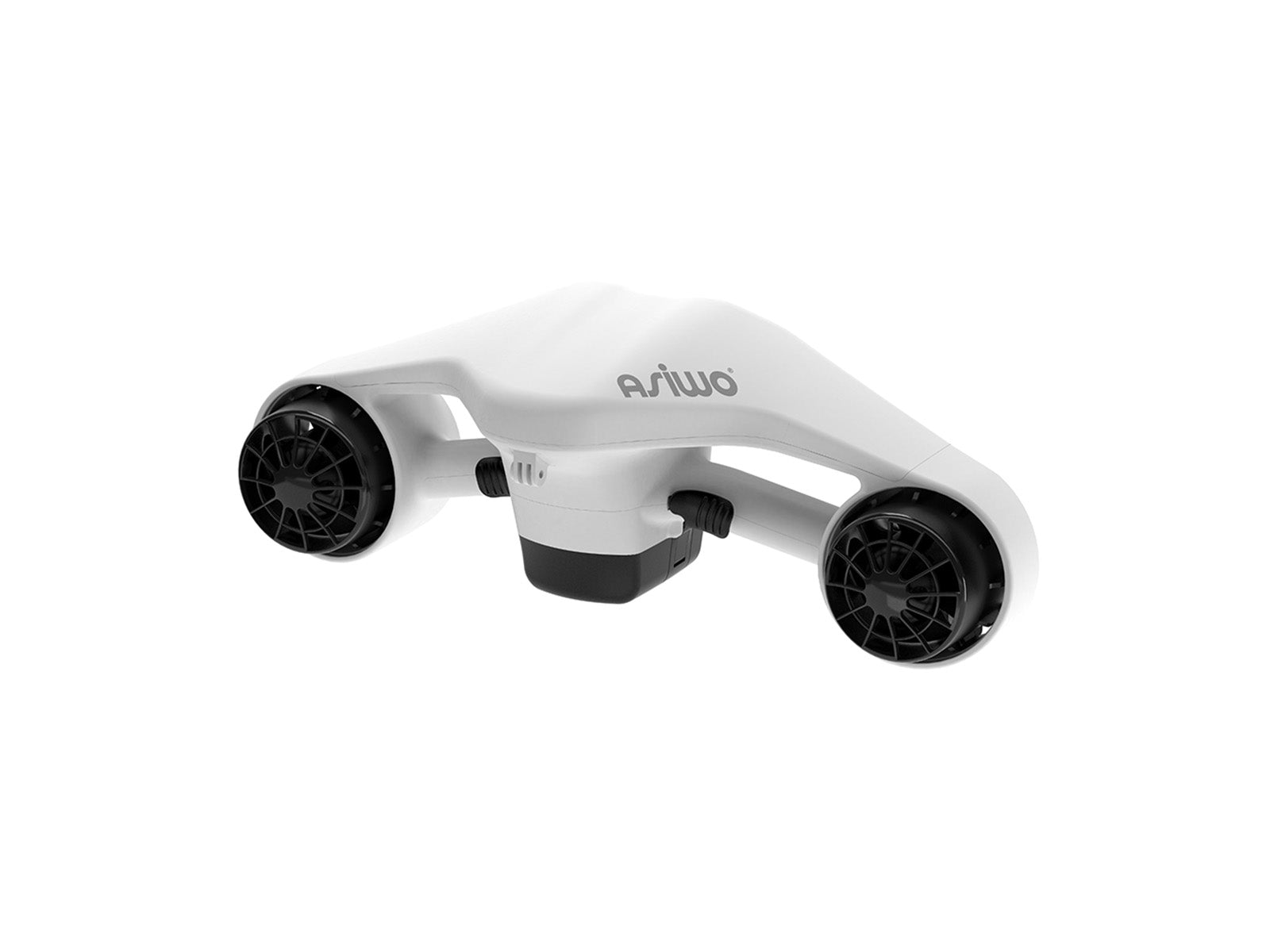
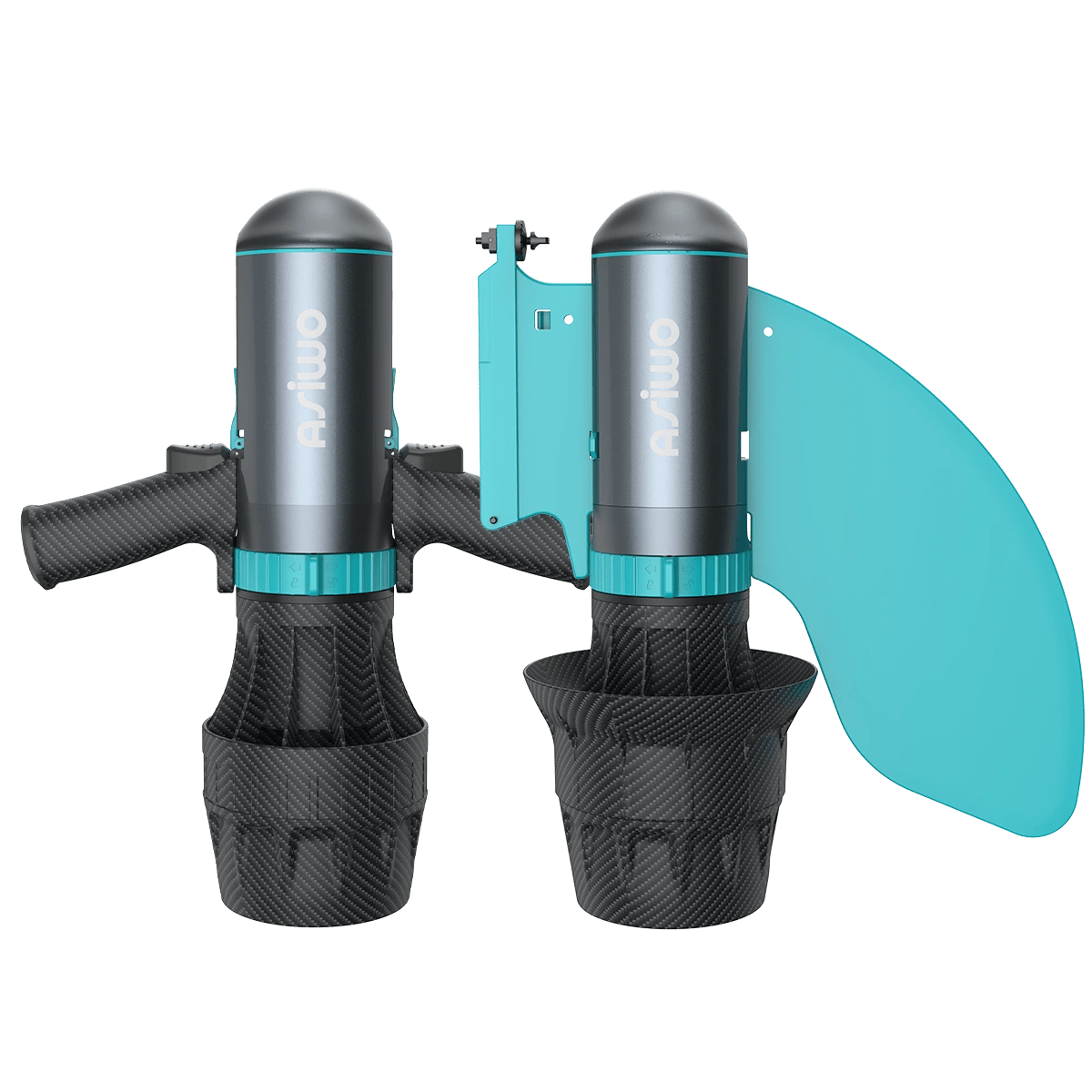
For near-shore ocean use, the ASIWO MAKO Electric Kickboard is a more practical match than a larger underwater scooter. It is made for surface riding, so it feels more natural in calm coastal water, shallow beach areas, and protected bays where control matters more than speed. Its buoyant design also makes it easier to manage when pausing in the water, which is helpful in the ocean where conditions are less stable than in a pool.

ASIWO Mako is an electric kickboard designed for fun water adventures and easy riding on the surface. It offers smooth propulsion, multiple speed modes, and a lightweight build that makes exploring the water more enjoyable and less tiring.
Conclusion
An Electric Kickboard can work in the ocean, but only when the conditions are right. Calm water, short distances, and staying close to shore make the biggest difference. In those settings, it can feel smooth, easy to control, and genuinely useful for light exploration or snorkeling.
Once you move into rough waves, strong currents, or open water, the experience changes quickly. Control becomes less stable, and the board is no longer something you can rely on. The safest approach is to treat it as a near-shore tool, not an all-condition device.
FAQs
1. Can you use an Electric Kickboard in saltwater?
Yes, most Electric Kickboards can be used in saltwater, but they should be rinsed with fresh water after each use to prevent corrosion and keep components working properly.
2. Is an Electric Kickboard strong enough for ocean currents?
Not really. It can help in light movement, but it is not designed to fight strong currents or offshore conditions. It works best in calm, near-shore water.
3. Is it safe to use an Electric Kickboard at the beach?
It can be safe in quiet, uncrowded areas with small waves. Avoid busy swim zones, surf areas, and places with boats or strong water movement.
4. Can beginners use an Electric Kickboard in the ocean?
Yes, but only in calm coastal areas. Beginners should stay close to shore and avoid using it in rough or unpredictable conditions.
5. How far can you go with an Electric Kickboard in the ocean?
That depends on battery life and water conditions, but it is better to keep distances short. Ocean conditions can change quickly, so staying within easy return range is important.


Dejar un comentario