






Standing on the beach with your mask and snorkel in hand, you might look at a pair of long, awkward flippers and wonder if they are really worth the hassle. It is a valid question, especially for travelers trying to pack light or beginners who feel clumsy wearing them.
So, do you need fins to snorkel? Technically no, you can physically enter the water and look down without them. However, snorkeling without fins significantly changes your experience, affecting everything from how quickly you tire out to how safe you are in changing currents. This guide breaks down exactly when you can skip the gear and when fins are an absolute necessity for a safe trip.
The Short Answer: Can You Snorkel Without Fins?
Yes, you can snorkel without fins, but it is generally not recommended unless you are in very specific, controlled conditions. Fins are not just about speed; they are your primary engine in the water. Without them, you rely entirely on your arms and natural kicking power, which is surprisingly inefficient for moving a human body through water.
Situations Where Snorkeling Without Fins Works
- Shallow, protected water where you can stand up safely if needed
- Short, close-to-shore sessions where you’re not traveling far
- Still lagoons or calm bays with little to no current
- Comfortable swimmers who can tread water and turn around easily
In these situations, going finless can feel simple: float, kick lightly, and focus on breathing and sighting.
Limitations of Snorkeling Without Fins
Without fins, most people notice the same issues quickly:
- You move slower, so covering distance takes longer
- You fatigue faster because your kick is less efficient
- You have less steering control, especially if you need to stop or change direction
- Small currents feel bigger, because you don’t have extra “push” to get back
Why Fins Are Commonly Recommended for Snorkeling
Fins are recommended so often because they solve the most common snorkeling problems: getting tired, drifting, and struggling to control your body position. They don’t just make you faster—they make every kick count more, so you spend less energy doing the same job.
Improving Swimming Efficiency and Speed
Fins increase the surface area of your kick, which means you move more water with less effort. In real terms, you can:
- keep up with a group without sprinting
- return to your entry point more easily
- handle mild chop without feeling like you’re “stuck”
Even if you prefer a slow pace, efficiency matters because it keeps your breathing calmer.
Reducing Fatigue and Energy Use
Snorkeling is supposed to be leisurely. Without fins, you often have to use your arms to swim, which splashes the surface and scares away fish. Fins allow you to keep your arms at your sides (streamlined) and use the large muscles in your legs. This conserves oxygen and energy, allowing you to stay out in the water for an hour rather than heading back after 15 minutes.
Helping Maintain Stable Body Position
New snorkelers often lift their head and drop their legs, which creates drag and makes breathing feel harder. Fins help keep your legs higher and your body flatter at the surface. That stable position usually means:
- less splashing
- less effort to move forward
- a more relaxed, steady breathing rhythm

How Fins Change Safety While Snorkeling
Beyond comfort, the question of "do you need fins to snorkel" is often a safety issue. The ocean is unpredictable, and having propulsion power acts as a safety buffer.
Handling Currents and Unexpected Waves
Currents can be subtle. You might not notice you’re drifting until you look up and realize you’re far from where you started. Fins help you correct your direction sooner, so you don’t waste energy fighting to get back. In choppy water, fins also help you keep forward motion and avoid feeling pinned in place.
Conserving Energy in Deeper Water
In deeper water, you can’t stand up to reset, rest, or reorient as easily. If you’re suddenly uncomfortable, the ability to move efficiently matters. Fins help conserve energy so you can:
- return to shore or the boat calmly
- keep a steady pace without overkicking
- stay composed if you need to pause and float
Improving Control During Entry and Exit
Entries and exits are where many snorkel mishaps happen—rocky shorelines, small surf, or climbing a boat ladder. Fins improve your control in the water so you can time your movement better and avoid being pushed around. If you’ve ever tried to exit in shallow surge, you’ll understand why fins can feel “essential” in practice.
When Fins Become Essential for Snorkeling
There are specific environments where snorkeling without fins shifts from "inconvenient" to "negligent." If you plan to do any of the following, you must have proper footwear.
Snorkeling in Currents or Open Water
Open water can change fast. Even mild current can push you sideways, and wind chop can make progress tiring. Fins let you correct your position and return safely without exhausting yourself.
Exploring Large Reef Areas or Long Distances
If the best coral is 200 yards offshore, swimming there barefoot is a bad idea. You will likely be too tired to enjoy the reef once you arrive, and the swim back will be a struggle. Fins make the distance manageable and safe.
Cold Water or Heavy Gear Conditions
If you are wearing a thick wetsuit for cold water, the suit adds buoyancy and bulk that creates drag. You need the extra power of fins to overcome that resistance and move smoothly through the water.
Types of Snorkeling Fins and How They Affect Performance
If you have decided that you do need fins, the next challenge is choosing the right type. You don't need expensive professional freediving gear, but the right choice depends on your trip.
- Full Foot vs. Open Heel: Full foot fins are lighter and meant for warm water (barefoot). Open heel fins use a strap and are worn with booties, making them better for entering via rocky shores or cold water.
- Short (Travel) Fins vs. Long Fins: Short fins are easier to pack and great for beginners in calm water. Long fins provide maximum power and are better for strong currents, though they take up more luggage space.
- Split Fins vs. Paddle Fins: Split fins cut through the water with less resistance, which is great for people with weak knees. Paddle fins offer more raw power for fighting currents.
How to Decide if You Personally Need Fins for Snorkeling
Here’s the decision-making section: rather than guessing, you can quickly decide by considering yourself, the environment, and your snorkeling plan. If you’re unsure about do you need fins to snorkel, the checks below will help you make a practical choice.
Skill Level and Swimming Confidence
Ask yourself:
- Can you tread water calmly for a few minutes?
- Can you swim back to shore if you drift?
- Do you stay relaxed when water gets choppy?
If any of these are “not really,” fins are a smart upgrade.
Environment and Water Conditions
Fins are strongly recommended if you expect:
- any noticeable current
- waves or wind chop
- deeper water where standing isn’t possible
- a rocky or tricky exit
Trip Length and Activity Goals
If you’re doing a quick float near shore, fins may be optional. If you want to explore a longer reef route, follow a guide for 45–60 minutes, or cover distance, fins will make the experience smoother and less tiring.
Using an Underwater Scooter Instead of Fins
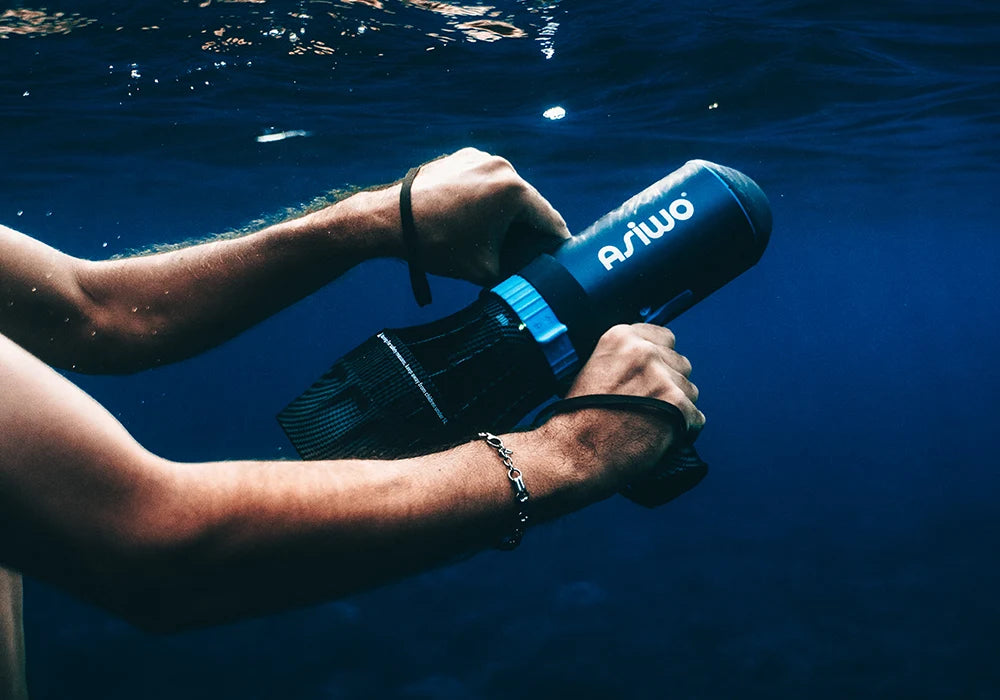
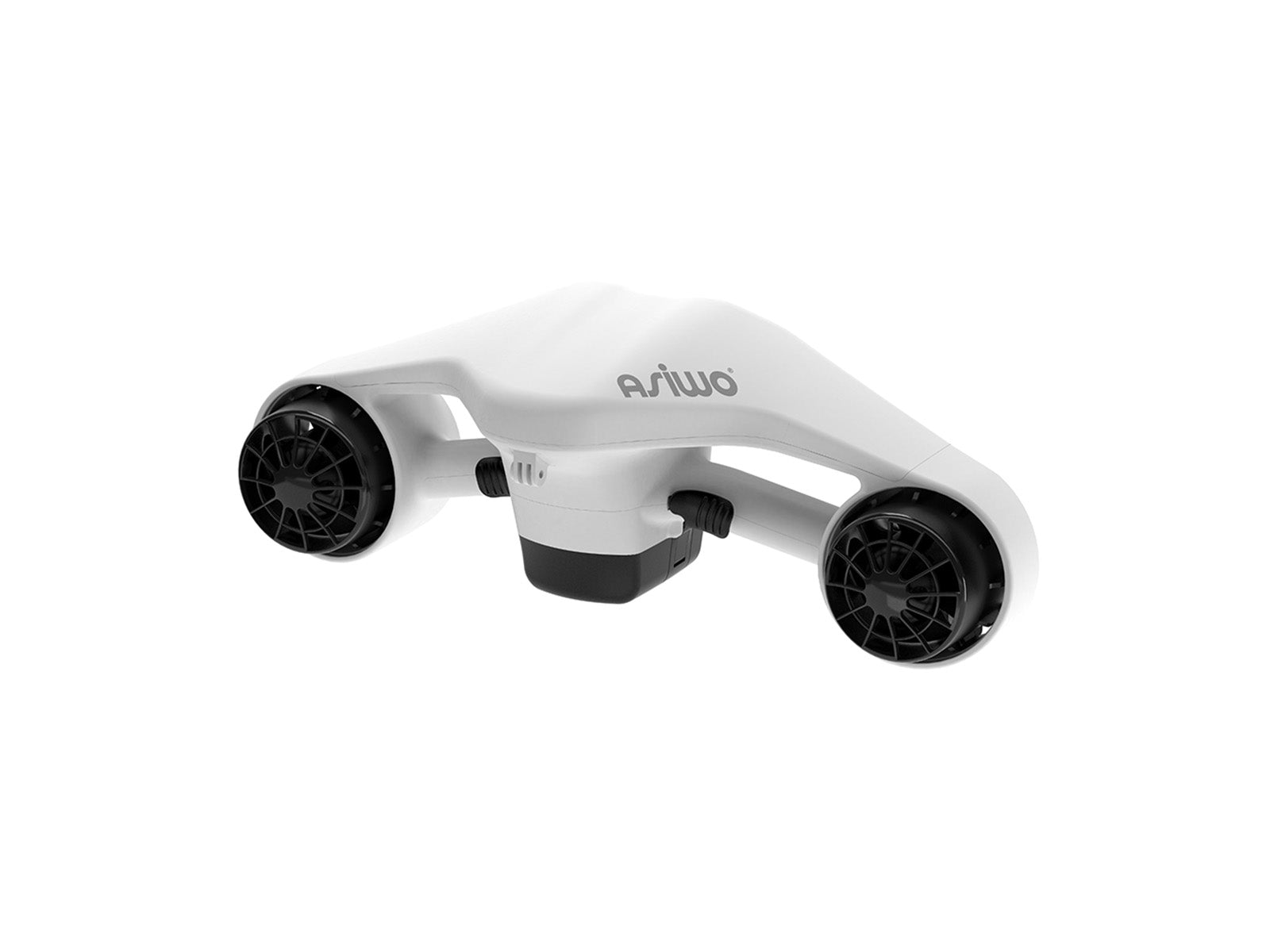
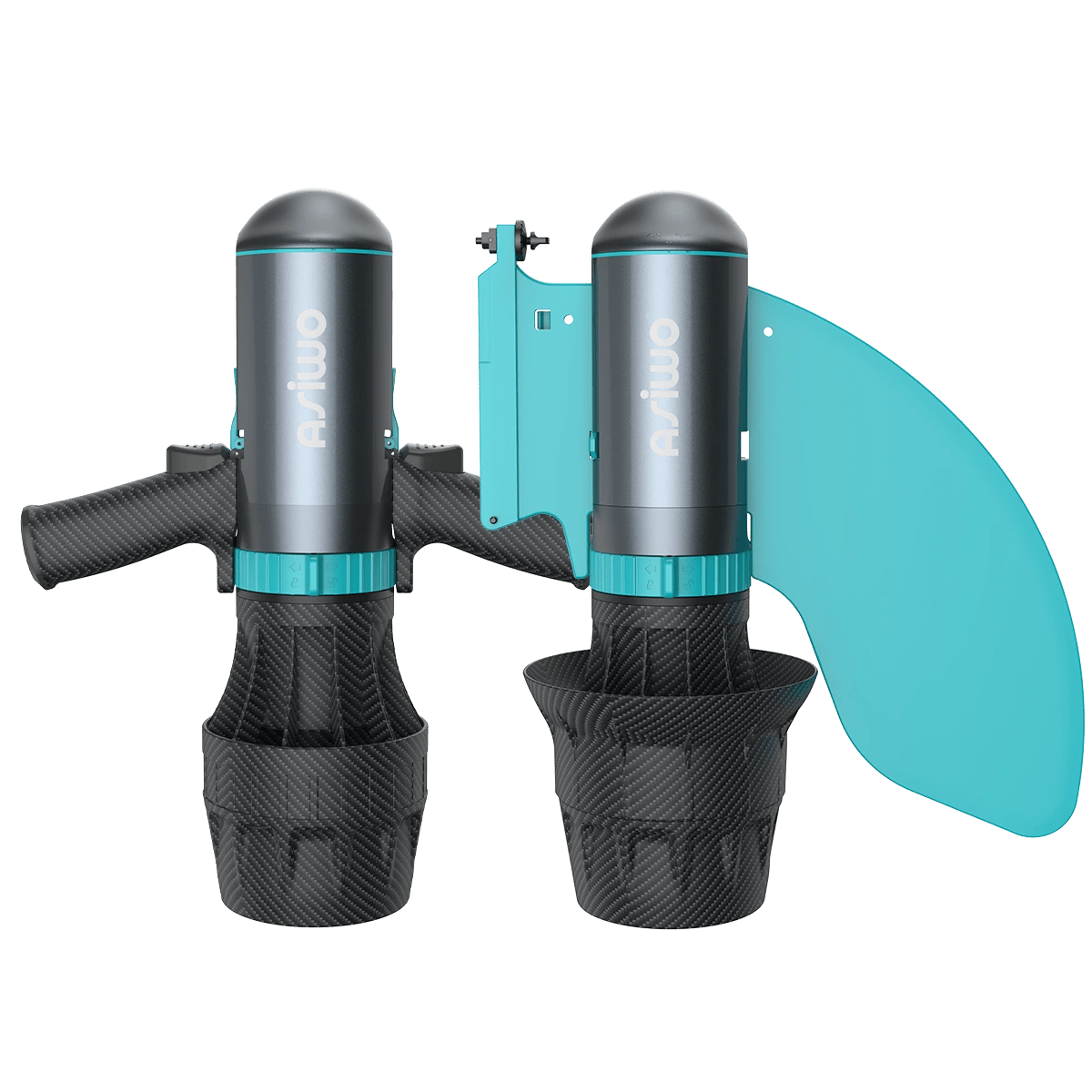
If you’re wondering whether fins are necessary for snorkeling, it’s also worth considering modern propulsion alternatives. An underwater scooter like the ASIWO Manta offers a different way to move through the water without relying entirely on leg power. Instead of generating thrust through constant kicking, you hold the scooter with both hands and let its dual-motor system provide steady forward movement.
This approach can be especially helpful for beginners who tire quickly with fins, travelers who prefer lighter packing, or snorkelers exploring larger reef areas where extended range matters. The ASIWO Manta weighs about 3.5 kg (7.7 lbs), offers multiple speed modes, and provides up to 45–60 minutes of runtime, making it a practical alternative for surface exploration in calm conditions. While fins remain a simple and effective tool, an underwater scooter can reduce fatigue and expand your snorkeling range without requiring strong, continuous kicking.

ASIWO Manta is a lightweight underwater scooter for surface snorkeling and shallow-water exploring. With three speed modes, it helps you glide smoothly, reduce fatigue, and keep a steady face-down position for easier breathing.
Conclusion
So, do you need fins to snorkel? Not always. In calm, shallow, protected water, especially for short sessions, snorkeling without fins can work. But fins are commonly recommended because they improve efficiency, reduce fatigue, and give you better control in currents, deeper water, and tricky entries/exits. If you’re unsure, choose the conservative option: wear fins when conditions are unknown or when you plan to cover distance. That one choice usually makes the whole snorkel feel easier, safer, and more enjoyable.
FAQs
Are fins required for beginner snorkelers?
They’re not required, but for most beginners they’re strongly recommended. Fins reduce fatigue, make movement easier, and help you feel more in control.
Can kids snorkel without fins?
In calm, shallow water with close supervision, yes. In most real snorkeling spots, fins help kids move safely and avoid tiring quickly.
Do fins help you stay underwater longer while snorkeling?
They don’t increase breath-hold directly, but they reduce effort. Less effort usually means calmer breathing and more comfortable time at the surface.
Are short fins good for snorkeling?
Yes. Short fins are often ideal for beginners and casual snorkeling because they’re easy to kick and still improve propulsion.
Can you snorkel safely in shallow lagoons without fins?
Often yes—if the lagoon is protected, you stay close to your entry, and there’s little current. If you’re working hard to move or drifting, fins are the safer choice.


Hinterlassen Sie einen Kommentar