






Snorkeling can look like the perfect “easy” vacation activity—floating, slow kicks, pretty fish—until you remember you’re pregnant and suddenly every decision feels higher stakes. If you’re wondering Can You Snorkel While Pregnant, the honest answer is: often yes for uncomplicated pregnancies, but it depends on your symptoms, trimester, water conditions, and how conservative your clinician wants you to be. This guide breaks down what tends to be low-risk, what’s worth avoiding, how pregnancy changes your body in the water, and the specific signs that mean “get out now.” Use it as a safety checklist, not a dare.
Can you snorkel while pregnant from a medical point of view
Most clinicians view gentle water activity as pregnancy-friendly, especially when it stays moderate and you can stop anytime. That said, “water activity” doesn’t automatically mean every water sport is equal.
Why snorkeling is usually considered low impact
At the surface, snorkeling is closer to light swimming than to diving: your joints are supported, you can keep effort low, and you’re not dealing with depth pressure changes. Major medical organizations generally support exercise like swimming during pregnancy for most people.
A key distinction: scuba diving is the clear “no” during pregnancy because of decompression and gas bubble risk to the fetus.
When doctors may advise against snorkeling
Even if the activity is “low impact,” your provider may recommend skipping snorkeling during pregnancy if you have:
- Bleeding, leaking fluid, or signs of preterm labor
- A placenta issue (like placenta previa) or cervical concerns
- Uncontrolled high blood pressure/preeclampsia symptoms
- Significant anemia, heart/lung disease, or severe dizziness/fainting
These aren’t “maybe push through” situations—these are “choose something else.”
Pregnancy changes that affect snorkeling safety
Even strong swimmers feel different in the water while pregnant. The goal isn’t to prove you can do it—it’s to avoid situations where a small problem turns into a fast one.
Breathing efficiency and oxygen demand
Pregnancy increases oxygen demand and changes how your lungs feel as the uterus grows. Add a snorkel (which can feel “restricted” to some people), and you may get winded sooner than expected. If you notice you’re breathing faster than normal, that’s your cue to slow down or stop—not to power through.
Balance, buoyancy, and center of gravity shifts
Your center of gravity shifts forward, and your balance on slippery rocks or boat ladders can be worse than usual. Many snorkeling injuries happen before you even get in the water—stepping awkwardly, slipping on wet decks, or getting knocked by a small surge.
Circulation changes and overheating risks
Blood volume and circulation change during pregnancy, and overheating/dehydration can sneak up quickly—especially in tropical sun. Most “bad snorkeling days” for pregnant travelers aren’t dramatic emergencies; they’re heat stress, nausea, and exhaustion that could’ve been prevented with shorter sessions and more shade.
Trimester-by-trimester guide to snorkeling while pregnant
If you’re trying to decide whether Can You Snorkel While Pregnant applies to your week of pregnancy, trimester matters mostly because symptoms and mobility change—not because there’s a magic “safe month.”
First trimester: managing fatigue and nausea
First trimester is often the hardest for energy and nausea. If you’re queasy on land, a rocking boat plus a snorkel mouthpiece can be miserable. Keep plans flexible:
- Choose shore entry over boats when possible
- Keep sessions short (10–20 minutes) and see how you feel
- Skip anything that requires long surface swims
Second trimester: often the most comfortable stage
For many, the second trimester is the sweet spot: nausea may ease, and the bump is manageable. This is when snorkeling during pregnancy is most likely to feel “normal”—as long as you keep conditions easy and avoid long swims.
Third trimester: mobility, energy, and safety limits
By third trimester, stamina and mobility drop for a lot of people, and boat ladders or rocky entries can be a real risk. If you snorkel late in pregnancy:
- Keep it very close to shore
- Use flotation (more on that below)
- Avoid any spot where you’d need to fight current to get back
When snorkeling during pregnancy is not recommended
This is the “don’t negotiate with it” section. If any of these apply, the safer choice is to skip snorkeling and pick a calmer water activity (or just enjoy the beach).
High-risk pregnancy situations to avoid
Avoid snorkeling if you’ve been told you have a high-risk pregnancy or you’re currently dealing with warning symptoms (bleeding, contractions, fluid leakage, reduced fetal movement, severe headaches/vision changes, chest pain, or fainting). When in doubt, follow your OB/midwife’s guidance over vacation plans.
Environmental conditions that increase risk
Even with a low-risk pregnancy, it’s smart to skip snorkeling when:
- There’s noticeable current, surge, or waves
- The entry/exit is rocky or slippery
- Visibility is poor (you’ll work harder and feel less in control)
- The spot requires a long surface swim from shore
A calm bay beats a “famous” spot every time.
Safe snorkeling tips and gear tweaks for pregnancy comfort
If your pregnancy is uncomplicated and your provider is fine with light water activity, you can make snorkeling much safer by treating it like a controlled workout, not an adventure.
Here’s a simple approach for is snorkeling safe while pregnant planning:
Step 1 — Pick the easiest possible site
Calm, shallow water, lifeguards when available, and an easy exit.
Step 2 — Use flotation on purpose (not pride)
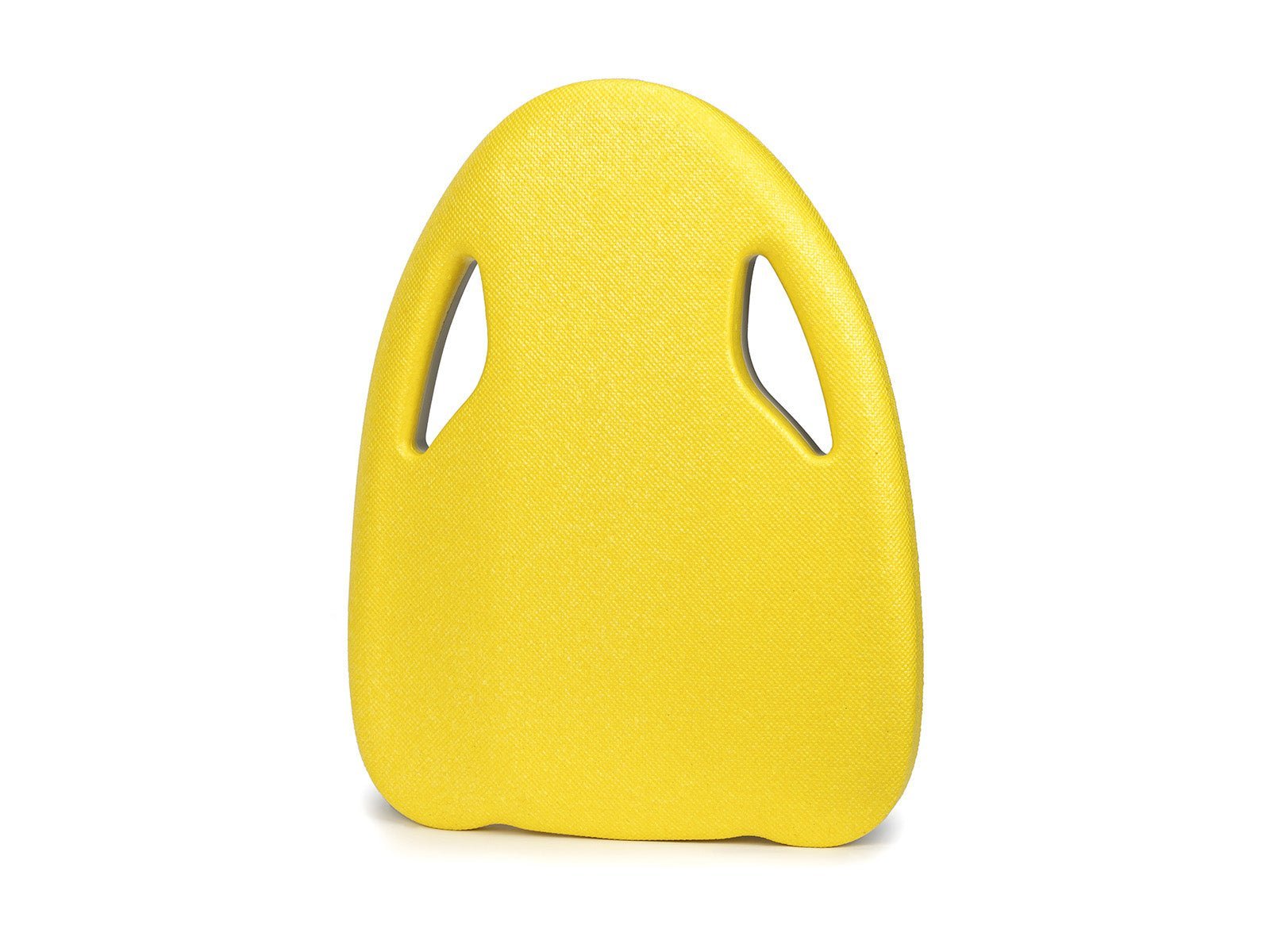
A snorkel vest, kickboard, or noodle reduces effort and lowers the chance you’ll overdo it.
Step 3 — Set a time limit before you start
Try 15–25 minutes, then rest in shade and reassess. Short sessions prevent the “I felt fine… until I didn’t” problem.
Step 4 — Stay hydrated and manage heat
Drink before and after, wear sun protection, and avoid the hottest part of the day. If you start feeling flushed, shaky, or headachy, end the session.
Gear notes that matter while pregnant
- Mask/snorkel comfort: If the snorkel makes you feel air-hungry, stop. Consider a wider-bore snorkel or simply switch to gentle face-down floating without pushing distance.
- Wetsuit fit: Avoid anything that compresses your abdomen. A too-tight suit can feel claustrophobic and may worsen reflux.
- Fins: Shorter, softer fins can reduce calf cramps and keep effort moderate.
Travel and medical access planning before you snorkel pregnant
Vacation snorkeling adds one more variable: how quickly you can get help if you need it.
If you’re planning to snorkel while pregnant, do a quick “access check”:
- How far are you from urgent care/hospital care?
- Is the tour operator conservative about conditions and safety briefings?
- Will they let you sit out without pressure?
Also think through insurance and disclosures. Some policies treat pregnancy-related care differently, and some tours have their own participation rules. Being upfront protects you if plans change.
Warning signs to stop snorkeling immediately
This is where you listen to your body fast. Being cautious isn’t overreacting—it’s good judgment.
Warning signs that mean you should exit now
Stop snorkeling and get out of the water if you notice:
- Vaginal bleeding, fluid leakage, or cramping that doesn’t settle quickly
- Dizziness, faintness, new shortness of breath, chest pain, or palpitations
- Severe headache, vision changes, or unusual swelling
- Sudden weakness, confusion, or feeling “not right”
- Overheating signs: nausea, chills, pounding pulse, or inability to cool down
If symptoms are significant or persistent, contact a clinician or seek urgent care.
Using an Electric Kickboard for Gentle Water Movement During Pregnancy
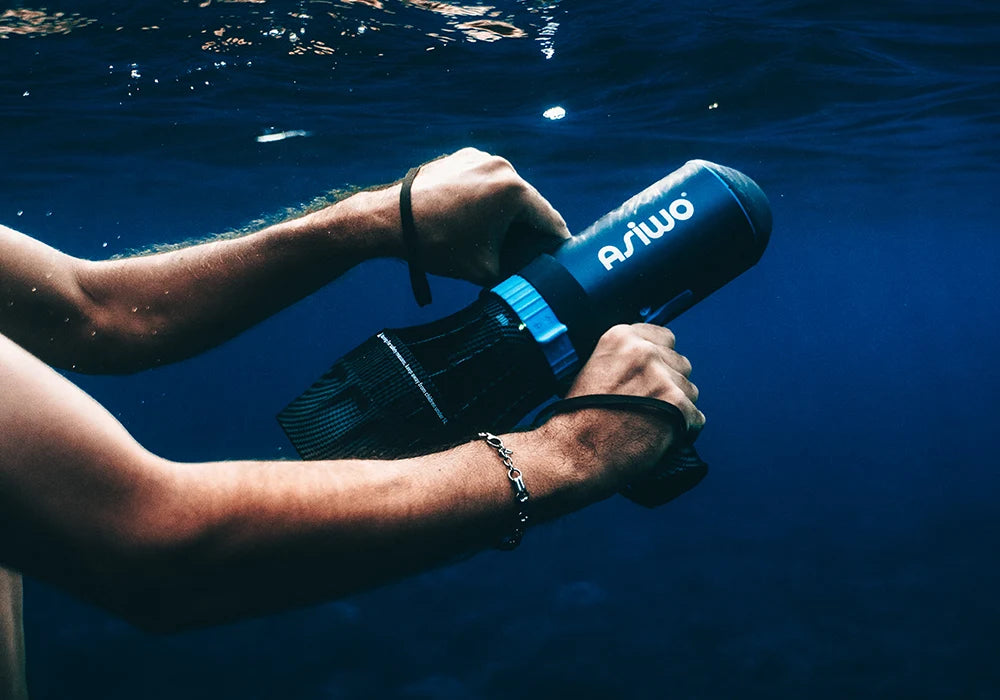
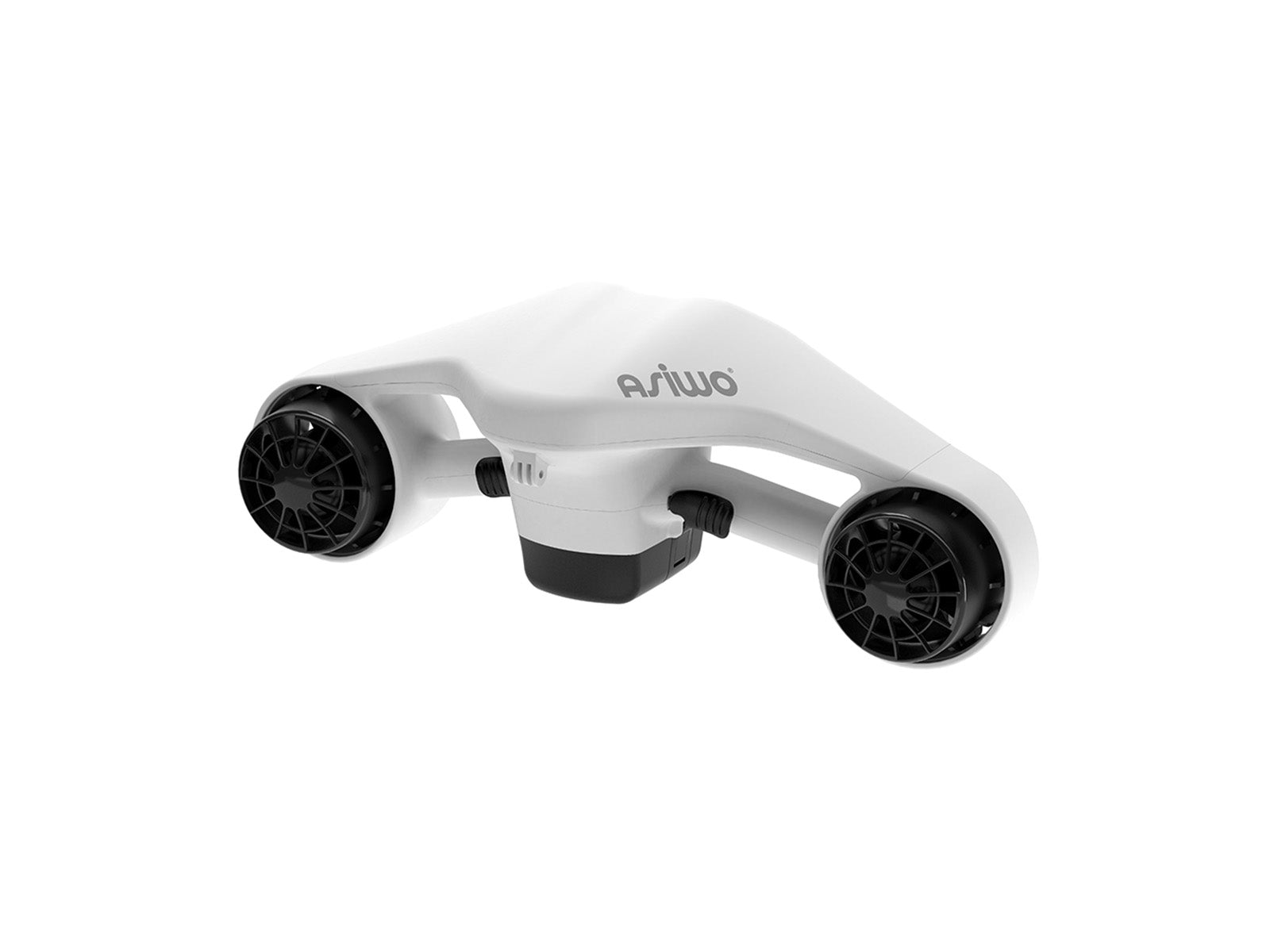
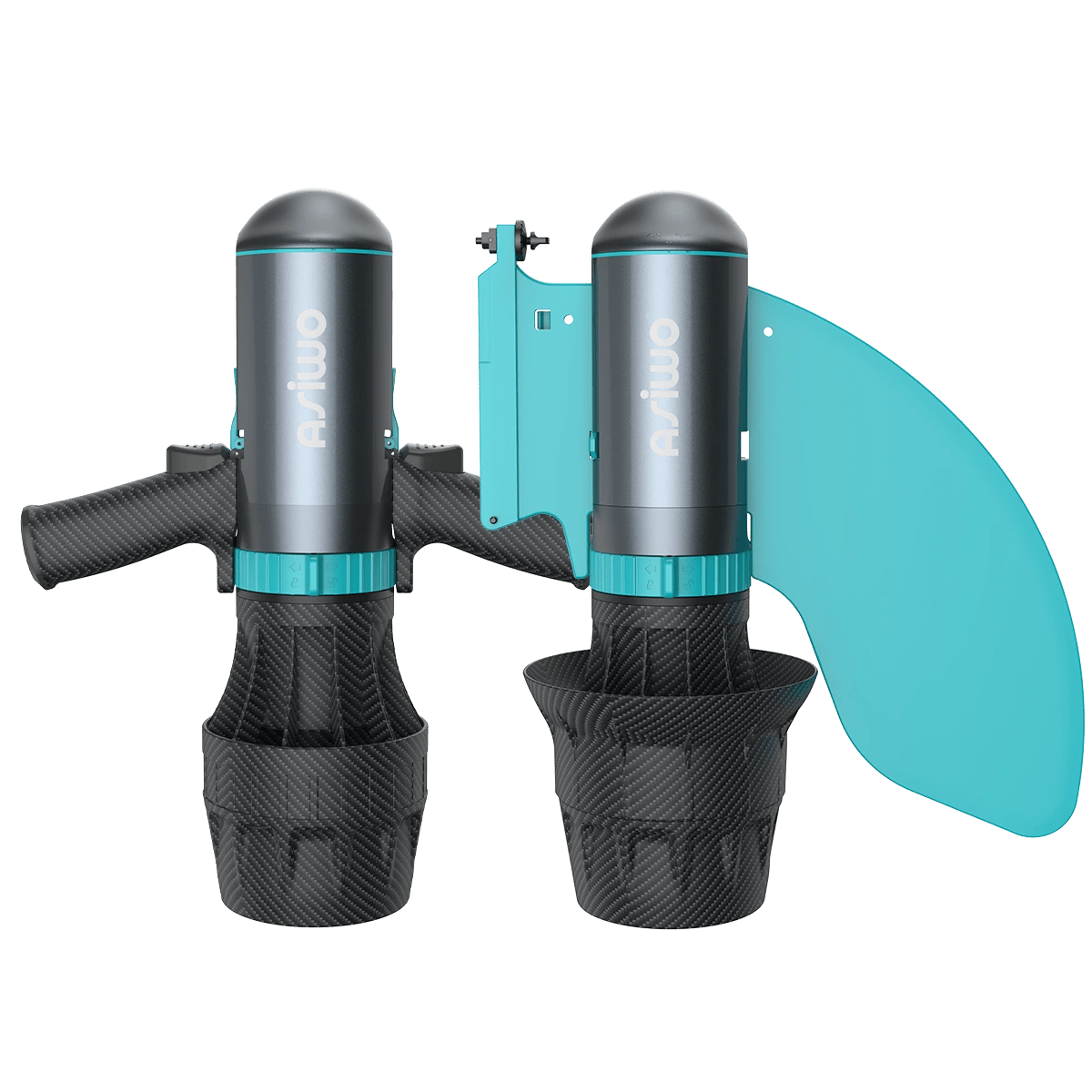
If you’re snorkeling while pregnant, energy conservation and controlled movement become more important than speed or range. An Electric Kickboard like the ASIWO MAKO can offer a low-impact way to move comfortably in calm water without relying on constant leg kicking. Instead of generating propulsion through repetitive fin strokes, you hold the board with both hands and let its steady motor assist your forward glide.
The ASIWO MAKO is lightweight at around 3.5 kg (7.7 lbs) and features dual-trigger activation, meaning the motor stops immediately if either hand releases. Its controlled speed modes allow for relaxed, surface-level movement in pools or very calm water. While it should never replace medical advice or proper supervision, an Electric Kickboard can help reduce lower-body strain and conserve energy for expectant mothers who want gentle, supported water activity rather than physically demanding swimming.

ASIWO Mako is an electric kickboard designed for fun water adventures and easy riding on the surface. It offers smooth propulsion, multiple speed modes, and a lightweight build that makes exploring the water more enjoyable and less tiring.
Conclusion
For many uncomplicated pregnancies, gentle surface snorkeling can be reasonable—but it’s only “safe” when you keep conditions calm, effort low, and your exit easy. Treat it like light exercise, not a challenge: use flotation, cap your time, avoid currents, and don’t ignore early warning signs. If you have any high-risk factors or concerning symptoms, skip it and choose a lower-risk way to enjoy the water. When you’re still unsure, your OB or midwife can help you decide based on your history—because Can You Snorkel While Pregnant is ultimately a personal risk call, not a one-size-fits-all rule.
FAQs
Can You Snorkel While Pregnant if you’re not a strong swimmer?
If you’re not confident in the water, pregnancy isn’t the time to “learn in the ocean.” Choose shallow, calm water, use flotation, stay right by shore, or skip it.
Is snorkeling safe while pregnant if it’s just off the beach?
Shore snorkeling in calm conditions is usually the lowest-risk setup because you can stop instantly. Currents and tricky exits are what change the equation.
What about breath-holding for duck dives?
Skip breath-hold dives while pregnant. They add exertion and can trigger that rushed, air-hungry feeling.
Can I do a boat snorkel tour?
Only if seas are calm, the operator is safety-focused, and you’re comfortable climbing ladders and managing motion sickness. Otherwise, shore spots are simpler and safer.


Hinterlassen Sie einen Kommentar