






Snorkeling looks simple from the surface—float, breathe, and watch marine life—but many first-timers struggle with foggy masks, water entering the snorkel, or feeling tense in the water. Understanding how do you snorkel properly makes the experience safer, more comfortable, and far more enjoyable. This guide breaks the process into clear, practical steps you can follow, whether you're trying snorkeling for the first time or refining your technique.
What You Need Before You Snorkel
Before learning how to snorkel, having properly fitted equipment matters more than buying expensive gear. Poor fit is one of the main reasons beginners experience leaks, fogging, or discomfort. Reliable gear helps you stay relaxed in the water, conserve energy, and see clearly underwater. Start by focusing on the essentials, then consider optional equipment that improves safety and comfort.
Essential Snorkeling Gear Explained
Basic snorkeling gear includes three core items:
- Mask: Creates an air space so you can see underwater clearly.
- Snorkel tube: Allows you to breathe while floating face down.
- Fins: Help you move through water with less effort.
Modern snorkels often include dry-top or semi-dry designs that reduce water entry. Masks vary in shape and lens size, but comfort and seal quality matter more than style.
How to Choose Gear That Fits Properly
- A mask should seal gently against your face without straps. If it stays in place when you inhale lightly through your nose, it fits well.
- The snorkel mouthpiece should feel comfortable without forcing you to bite down tightly.
- Fins should feel snug but not tight enough to restrict circulation.
Trying gear on dry land and adjusting straps before entering the water prevents most beginner problems.
Optional Equipment That Improves Comfort and Safety
- Snorkel vest for extra flotation
- Anti-fog solution or mask treatment
- Rash guard or wetsuit for warmth and sun protection
- Reef-safe sunscreen to protect marine ecosystems
How to Snorkel Underwater for Beginners Step by Step
Understanding how to snorkel step by step removes uncertainty and builds confidence quickly. The goal is to create a smooth sequence, from gear checks to safe exit, so you can stay focused on breathing and observation rather than troubleshooting problems in the water.
Preparing and Checking Your Equipment
- Adjust mask straps so the mask sits evenly without pressure points.
- Attach the snorkel to the mask strap and position the mouthpiece comfortably.
- Check fins for proper fit and secure straps if adjustable.
- Apply anti-fog solution or rinse the mask with seawater.
Taking two minutes for equipment checks prevents interruptions once you are in the water.
Entering the Water Safely
- From shore: Walk backward carefully if wearing fins, then float once the water is deep enough.
- From a boat: Use a controlled step or seated entry as instructed by the crew.
Pause briefly after entering to adjust breathing and confirm gear positioning.
Breathing Through a Snorkel Correctly
When learning how do you snorkel underwater, the key is calm, steady breathing through the mouth.
- Keep your face relaxed and submerged.
- Take slow, controlled breaths instead of deep or rapid ones.
- Avoid lifting your head frequently, which disrupts breathing rhythm.
Most beginners adjust to snorkel breathing within a few minutes once they stay relaxed.
Floating and Moving Efficiently
Maintain a horizontal body position with your face pointing downward. This reduces drag and keeps your snorkel above water.
Use slow, steady kicks from your hips rather than bending your knees too much. Efficient fin movement conserves energy and helps you stay balanced.
Clearing Water From Your Snorkel and Mask
Water occasionally enters even advanced snorkel designs.
To clear a snorkel:
- Exhale sharply through the mouthpiece to push water out.
To clear a mask:
- Press the top of the mask gently and exhale through your nose while lifting the lower edge slightly.
Practicing these techniques in shallow water improves confidence quickly.
Exiting the Water Safely
Plan your exit before fatigue sets in. Approach shore slowly, remove fins in shallow water, and stand carefully to avoid slipping. When exiting from a boat, wait for stable positioning and assistance if needed.

How to Breathe and Stay Relaxed While Snorkeling
Many people searching how do you snorkel worry about breathing comfort. Relaxation directly affects air control, visibility, and overall safety. When your body is calm, your breathing naturally slows, which reduces fatigue and helps you stay in the water longer.
Breathing Techniques for Beginners
- Inhale slowly for two to three seconds
- Exhale fully but gently
- Maintain a consistent rhythm
Avoid quick or shallow breathing, which can create anxiety and increase fatigue.
How Body Position Affects Breathing
Keeping your body flat on the surface helps maintain smooth airflow through the snorkel. If your head tilts upward too much, the snorkel opening may dip underwater, causing water to enter.
Think of your body as floating like a plank on the water surface. This position supports both breathing efficiency and visibility.
Managing Panic or Water Inhalation
- Lift your head above water.
- Remove the snorkel mouthpiece.
- Take several slow breaths before resuming.
Stopping briefly is safer than trying to continue while uncomfortable.
Where to Snorkel Safely as a Beginner
Location plays a major role in determining how easy it is to learn how to snorkel for beginners. Calm, clear water reduces stress and makes it easier to focus on technique instead of environmental challenges.
Choosing Calm and Clear Water Conditions
- Minimal wave activity
- Good underwater visibility
- Protected bays or lagoons
- Low boat traffic
These environments allow beginners to practice skills without strong currents or rough surface movement.
Understanding Weather, Tides, and Visibility
Weather and tides directly affect snorkeling safety. Morning hours often provide calmer water and clearer visibility. Checking tide charts helps you avoid strong outgoing currents that can make returning to shore difficult.
Identifying Safe Entry and Exit Points
Observe the shoreline or reef area before entering. Avoid rocky sections with strong waves. Choose gradual slopes or sandy areas that allow easy movement in and out of the water.
Common Beginner Mistakes When Learning How to Snorkel
Even after understanding how to snorkel safely, beginners often develop habits that reduce comfort and efficiency. Recognizing these mistakes early helps you improve faster.
Lifting Your Head Too High
Raising your head forces your snorkel underwater and strains your neck. Keeping your face relaxed and downward maintains better airflow and visibility.
Kicking Too Hard or Too Fast
Fast kicking wastes energy and creates turbulence that scares marine life. Slow, controlled kicks help you move smoothly and extend your snorkeling time.
Ignoring Equipment Fit and Seal Checks
Small leaks often result from loose straps or poor mask positioning. Adjusting gear before entering the water prevents repeated interruptions.
Snorkeling in Unsafe Conditions
Entering water during strong waves, poor visibility, or heavy boat traffic increases risk significantly. Safe conditions matter more than location popularity.
How to Snorkel Responsibly Around Marine Life
Learning how do you snorkel also includes protecting underwater environments. Responsible snorkeling keeps ecosystems healthy and improves wildlife encounters.
Safe Distances From Wildlife
Maintain a respectful distance from fish, turtles, and other animals. Sudden movements or attempts to touch wildlife can cause stress or defensive reactions.
Protecting Coral and Sensitive Habitats
Avoid standing on coral reefs or stirring sediment with fins. Coral structures are fragile and can take years to recover from damage.
Using Reef-Safe Practices and Sunscreen
Choose reef-safe sunscreen and avoid chemical products harmful to marine ecosystems. Wearing protective clothing can also reduce sunscreen use.
Tips to Improve Your Snorkeling Skills and Confidence
Once you understand the basics of how to snorkel, small adjustments can improve endurance and enjoyment. Skill development focuses on efficiency, comfort, and water confidence.
Practicing in Pools or Shallow Water First
Practicing breathing, floating, and clearing water in controlled environments helps you build muscle memory without environmental distractions.
Improving Fin Technique and Energy Efficiency
Use smooth, relaxed kicks powered by your hips. Keeping movements small reduces fatigue and improves directional control.
Extending Snorkeling Time Without Fatigue
Take short floating breaks while keeping your face in the water. Staying hydrated and pacing yourself helps maintain energy during longer sessions.
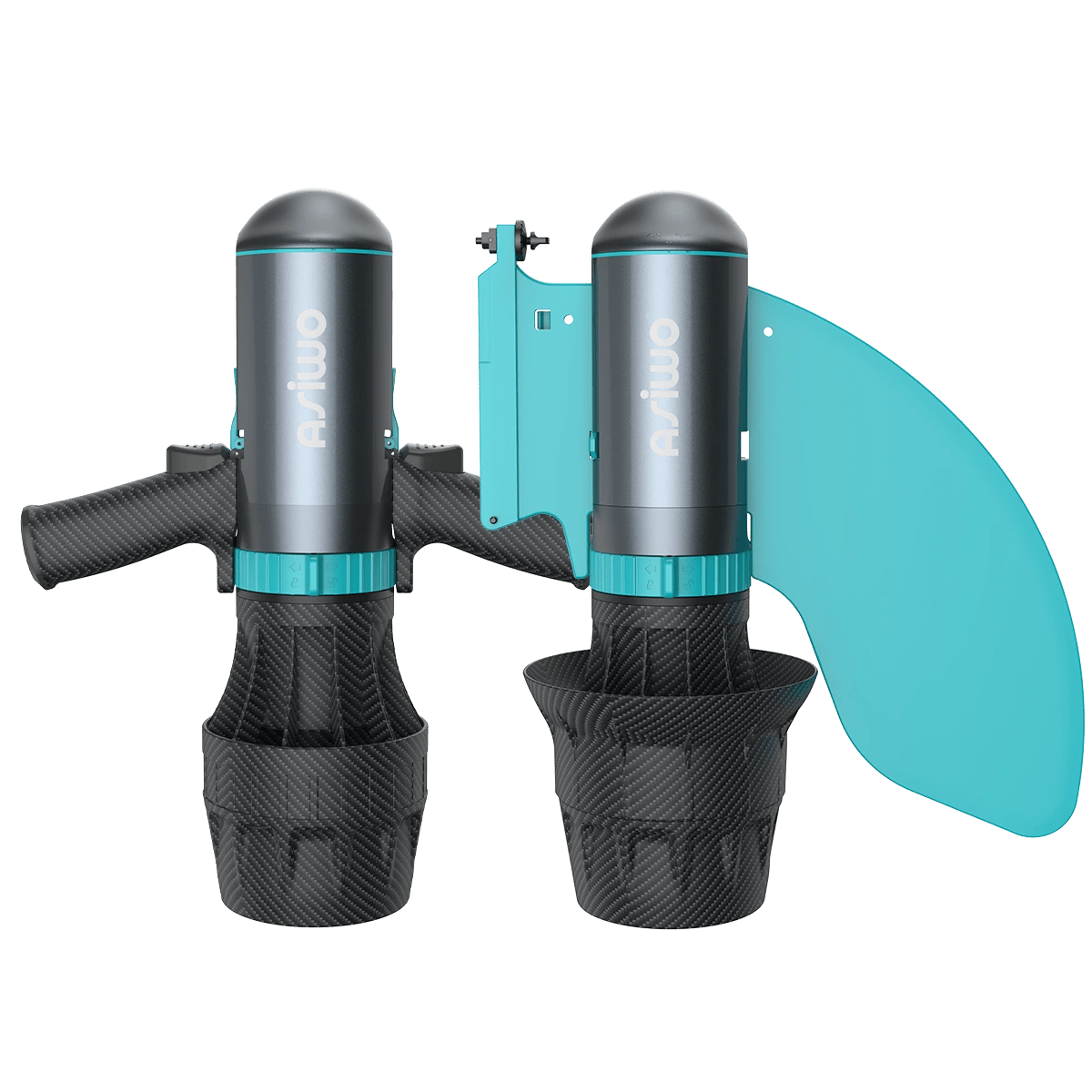
Enhance Your Snorkeling Adventure with the ASIWO MANTA 2 Underwater Scooter
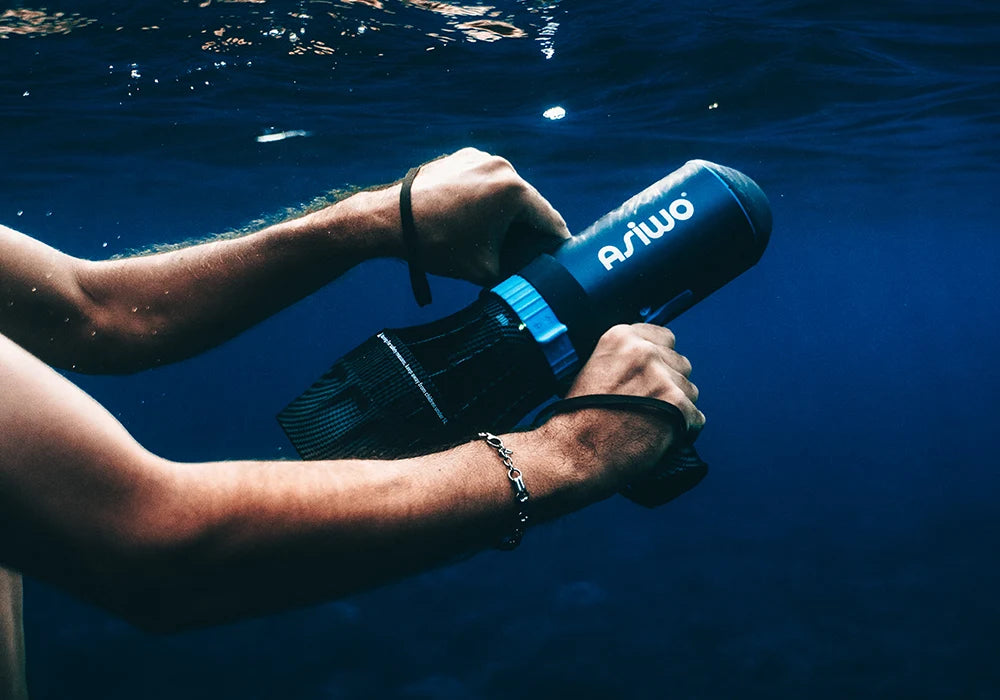
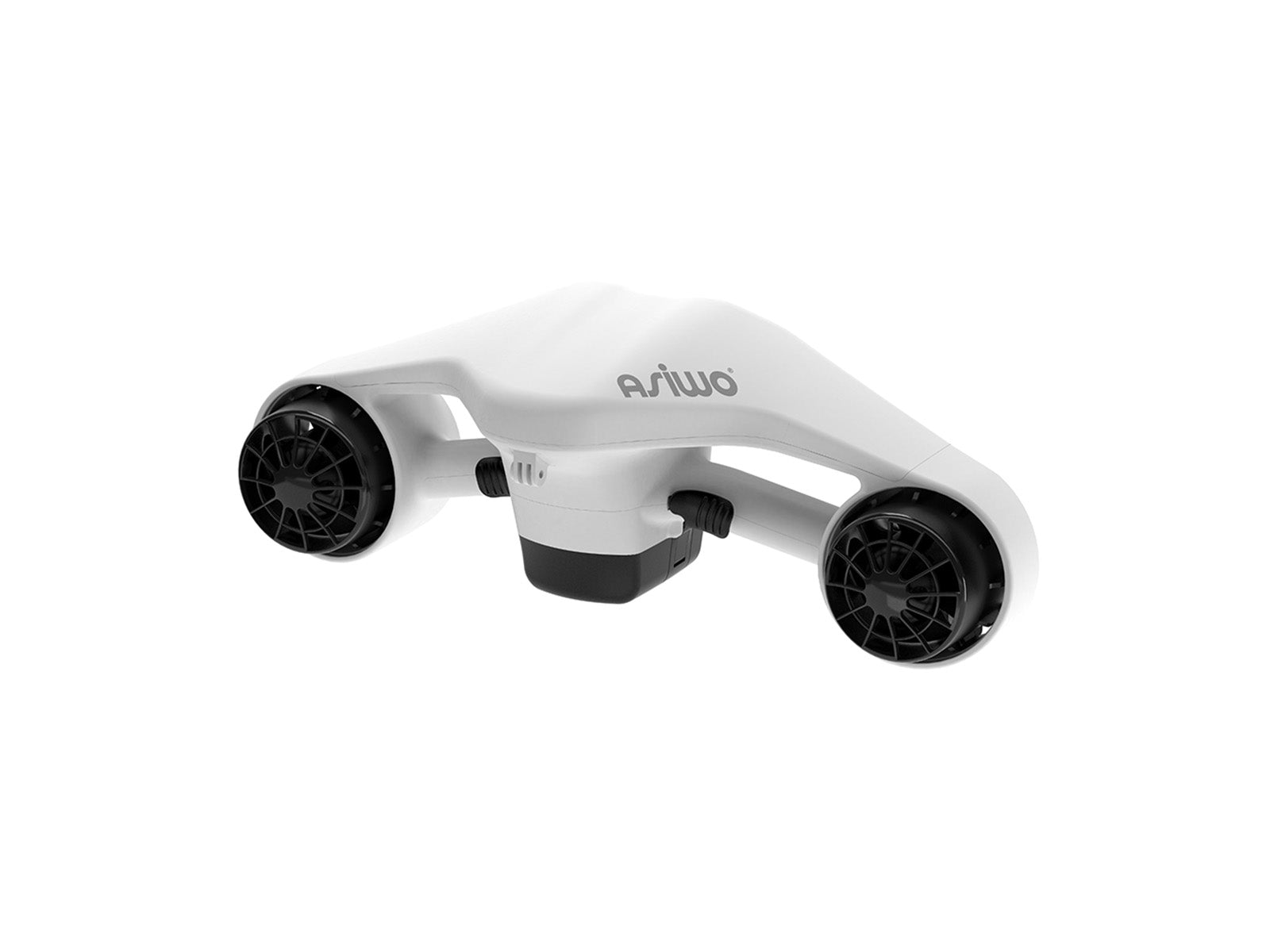
If you love snorkeling and want to go further and see more underwater with less effort, a sea scooter can be a game changer. The ASIWO MANTA 2 Underwater Scooter is designed to complement your snorkeling experience by helping you cover distance smoothly, stay energized longer, and explore beneath the surface more confidently.
Unlike traditional snorkeling that relies solely on kicking and floating, this underwater scooter gives you powered propulsion with adjustable speeds — letting you glide alongside reefs, follow marine life, or swim against mild currents without tiring quickly.
- Three speed modes let you customize your pace — from relaxed cruising to brisk exploration.
- Lightweight and travel-friendly design means you can bring it on trips without extra hassle.
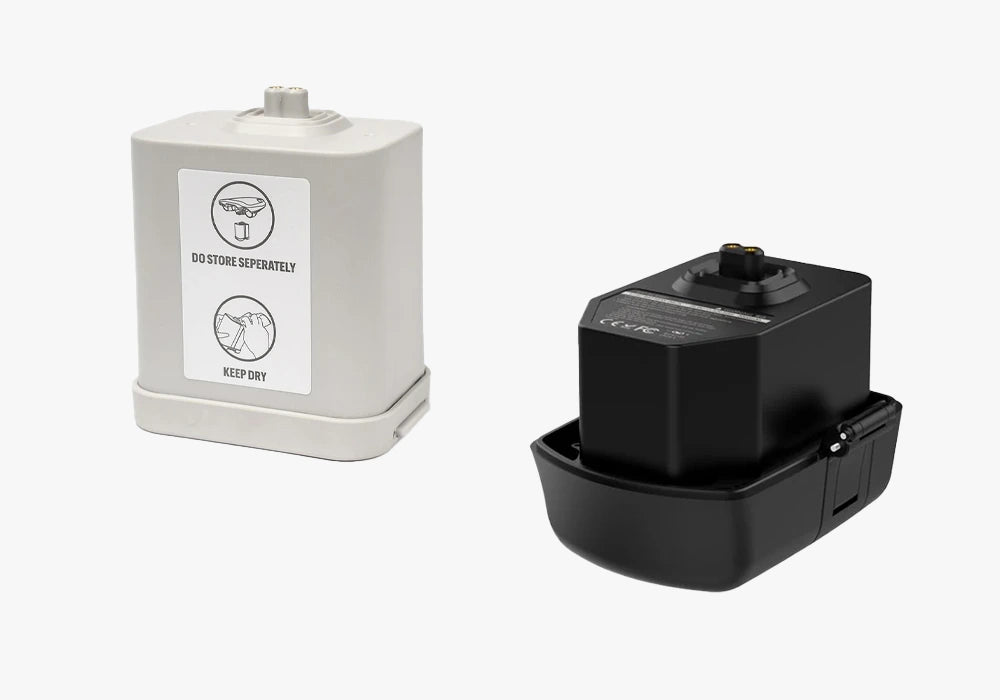
- Safety-thoughtful features like enclosed propellers and automatic shut-off let you focus on the experience rather than equipment worries.
Pairing this scooter with good snorkeling technique allows you to extend your underwater time and see more without exhausting your legs or lungs, making it perfect for both beginners and experienced snorkelers who want to enhance their adventure.

ASIWO MANTA 2 is a lightweight underwater scooter with dual motors and three speed modes, delivering smooth, safe, and effortless water exploration with less effort and more fun.
→ Learn More
Conclusion
Learning how do you snorkel comes down to preparation, calm breathing, and efficient movement in the water. Choosing well-fitted gear, practicing step-by-step techniques, and selecting safe snorkeling locations can dramatically improve your experience. Start in calm, shallow water, take time to build confidence, and focus on slow, controlled breathing. With practice, snorkeling becomes a relaxing way to explore marine life while staying safely on the surface.
FAQs
Is snorkeling hard for beginners?
Most beginners adapt quickly once they learn breathing control and use properly fitted gear. Practicing in calm water speeds up the learning process.
What should you do if water gets into your snorkel?
Blow out sharply through the mouthpiece to clear water. If uncomfortable, lift your head and reset your breathing before continuing.
Is snorkeling safe for kids and older adults?
Yes, with proper flotation support, supervision, and calm water conditions, snorkeling can be safe for a wide age range.
What is the best time of day to snorkel?
Morning typically offers calmer water and better underwater visibility, making it ideal for beginners.
How do you avoid fogging in a snorkel mask?
Apply anti-fog solution or rinse the mask before entering the water. Avoid touching the inner lens surface during use.


Hinterlassen Sie einen Kommentar