






If you’ve ever watched someone floating face down over a reef, it can look like they’re calmly breathing underwater. That leads to a common question: can you breathe underwater with a snorkel? It’s a fair assumption. After all, there’s a tube connected to your mouth. But snorkels don’t work the way many beginners imagine.
In this guide, you’ll understand why confusion happens, and learn what a snorkel is actually designed to do. We’ll also cover what happens if you try to breathe fully underwater, the real options for breathing below the surface.
The Short Answer: Can You Breathe Underwater With a Snorkel?
No, you cannot breathe underwater with a snorkel. A snorkel only works when the top of the tube is above the water’s surface and able to draw in air.
The confusion comes from how snorkeling looks. When you float face down, your body is in the water and your face is submerged, but the snorkel tube sticks up into open air. You’re breathing surface air, not underwater air. The moment the top of the snorkel goes below the surface, your air supply is cut off.
A snorkel is designed for surface breathing without lifting your head. It allows you to relax, keep your face in the water, and observe marine life comfortably. It is not a diving or underwater breathing device.
How a Snorkel Works Above the Water
To understand why you can’t breathe underwater with a snorkel, it helps to understand how it actually works at the surface.
The Air Path From Surface to Lungs
A snorkel is simply a curved tube that connects your mouth to the air above the water. When you inhale, air travels down the tube into your lungs. When you exhale, air goes back up the same tube and exits into the atmosphere.
Two physical limits matter here:
- Tube length: The longer the tube, the harder it is to move air efficiently.
- Airflow resistance: Narrow or longer tubes increase breathing effort.
Manufacturers keep snorkels short for a reason. There’s a practical limit to how far you can draw air through a passive tube.
Why the Snorkel Must Stay Above the Surface
Air has to come from somewhere. If the top of the snorkel dips underwater, water enters the tube and blocks airflow. At that moment, you cannot inhale air.
Even “dry-top” snorkels with splash guards don’t change this rule. They help reduce splashes from waves, but once fully submerged, the tube seals or floods. Either way, you cannot breathe until you return to the surface and clear it.
What Happens If You Try to Breathe Fully Underwater With a Snorkel
If you try to dive down and breathe through a snorkel, several problems happen immediately.
Water Entering the Tube
As soon as the snorkel top goes underwater, the tube floods. You’ll either:
- Inhale water if you try to breathe in, or
- Be unable to inhale at all if a dry valve closes.
Purge valves at the bottom of some snorkels only help you clear water once you’re back at the surface. They don’t allow underwater breathing.
Air Pressure and Lung Limits
Even if you imagined using a very long snorkel, it still wouldn’t work. Water pressure increases as you go deeper. Just a few feet below the surface, the pressure on your chest becomes strong enough that your lungs can’t expand against it without compressed air assistance.
That’s why the answer to can you breathe underwater with a snorkel remains no, even with a longer tube. Your lungs are not strong enough to overcome increasing water pressure and pull air down from the surface.
This is also why extremely long snorkels aren’t sold. They would be unsafe and ineffective.
Carbon Dioxide Buildup in the Snorkel
There’s another less obvious issue: carbon dioxide. When you exhale, some of that air remains in the tube. On your next breath, you re-inhale part of that exhaled air.
The longer the snorkel:
- The more “dead air space” it contains
- The more CO₂ you rebreathe
- The higher the risk of dizziness or breathing distress
This is one reason safety standards limit snorkel length and diameter.

Situations Where It Feels Like You’re Breathing Underwater
Many beginners ask can you breathe underwater with a snorkel because it feels like they are. Here’s what’s actually happening.
Floating Face Down at the Surface
In typical snorkeling position, your body and face are submerged, but the snorkel tube remains above water. From your perspective, you’re looking underwater and breathing at the same time.
It feels like underwater breathing, but technically you’re breathing surface air.
Diving Down Briefly While Holding Breath
Snorkelers often take a deep breath, dive down a few feet to inspect something, then return to the surface to breathe again. During that dive, the snorkel is submerged—but they’re holding their breath.
The snorkel becomes useful again only once it clears the surface.
Using a Full-Face Snorkel Mask
Full-face masks sometimes create marketing confusion. They allow you to breathe through both your nose and mouth, but they still rely on a tube reaching surface air.
They do not function like scuba systems and do not allow continuous underwater breathing.
Why Snorkels Are Designed for Surface Breathing, Not Diving
Snorkels are intentionally simple. They’re lightweight, passive tubes with no compressed air source. Their safety comes from their limitations.
Compare the difference:
- Snorkel: Surface air only, limited tube length, no pressure compensation
- Scuba system: Compressed air tank, regulator adjusts air pressure to match depth
To breathe underwater safely, air must be delivered at the same pressure as the surrounding water. A snorkel cannot do that.
If You Want to Breathe Underwater, Here Are the Real Options
If your goal is true underwater breathing, you’ll need specialized equipment designed for that purpose.
Scuba Diving
Scuba uses tanks filled with compressed air and a regulator that delivers air at ambient water pressure. This allows continuous breathing underwater at depth.
Training is required because pressure changes affect your lungs, ears, and ascent safety.
Surface-Supplied Air Systems
Hookah diving systems pump air from the surface through a hose. They’re often used for shallow work or maintenance tasks.
They still manage pressure properly, unlike a basic snorkel.
Freediving Instead of Breathing Underwater
Freedivers hold their breath and train to increase lung capacity and efficiency. Many snorkelers transition into freediving once they become comfortable underwater.
This approach accepts that you cannot breathe underwater with a snorkel and instead builds skill around breath-hold diving.
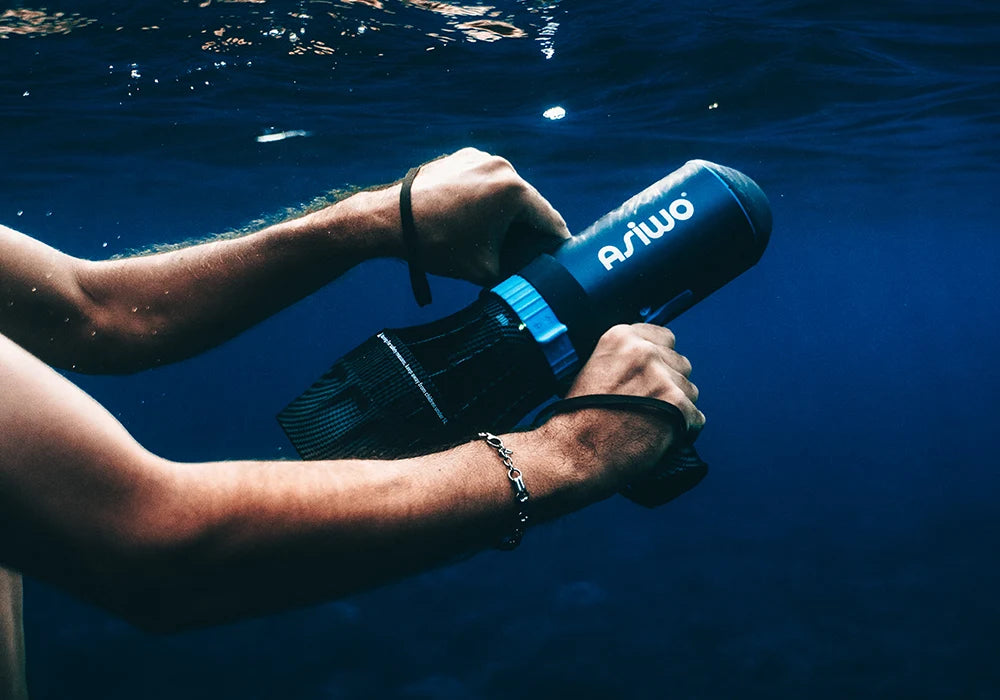
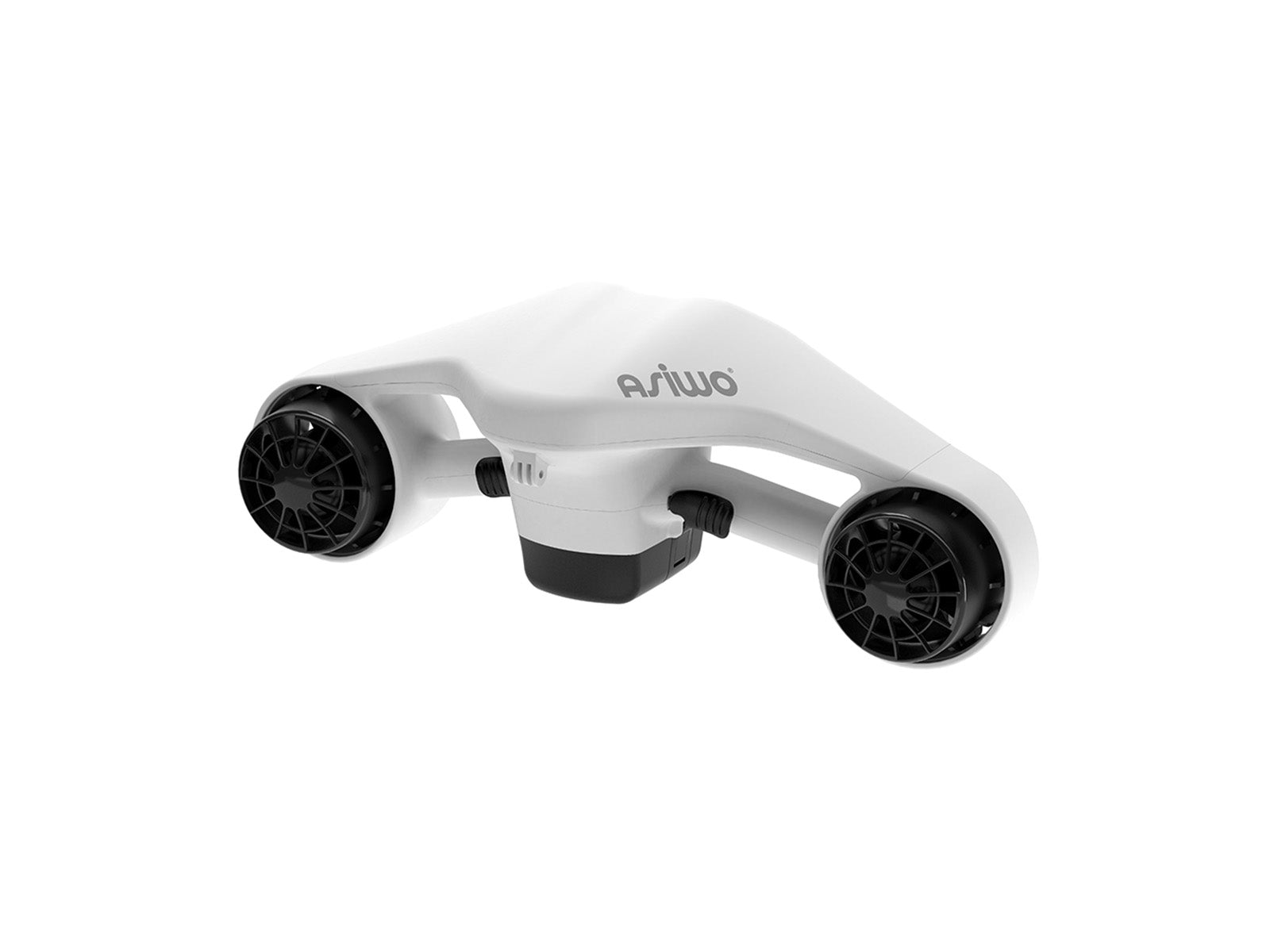
Extend Your Surface Exploration With the ASIWO Manta Underwater Scooter
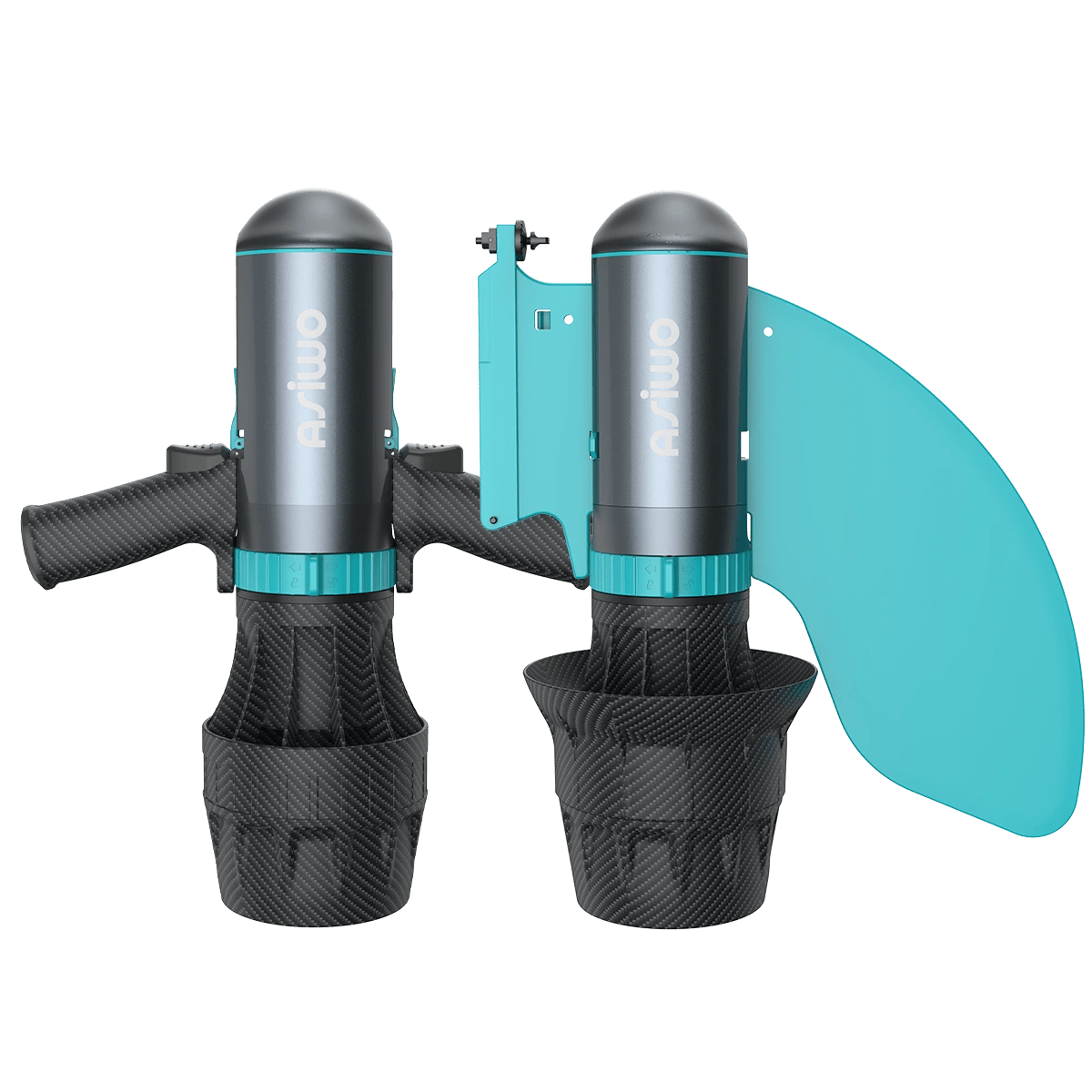
While you can’t breathe underwater with a snorkel, you can make your surface time far more efficient and exciting. The ASIWO Manta Underwater Scooter is designed for snorkelers who want to cover more reef, reduce leg fatigue, and glide smoothly without constant kicking. Because snorkeling keeps you at the surface where the snorkel can access air, adding a compact propulsion device like the Manta helps you stay relaxed and conserve energy, especially in light currents. Instead of exhausting yourself trying to swim long distances, you can maintain steady movement, focus on your breathing, and enjoy the underwater view comfortably and safely.

ASIWO Manta is a lightweight underwater scooter for surface snorkeling and shallow-water exploring. With three speed modes, it helps you glide smoothly, reduce fatigue, and keep a steady face-down position for easier breathing.
Final Thought
So, can you breathe underwater with a snorkel? No, you can only breathe when the tube reaches air above the surface. The design is intentional, and the limits come from basic physics, not equipment flaws.
If you want longer underwater time, consider learning freediving techniques or getting certified in scuba. If you’re sticking with snorkeling, focus on surface comfort, proper breathing, and safe technique. Used correctly, a snorkel is simple, effective, and surprisingly enjoyable.
FAQs
Can you breathe underwater with a long snorkel?
No. Longer snorkels increase breathing resistance and carbon dioxide buildup. They also don’t overcome water pressure at depth.
How deep can you go with a snorkel?
You can dive down briefly while holding your breath, but you must return to the surface to breathe.
Why can’t snorkels be very long?
Long tubes increase dead air space and make breathing inefficient and unsafe.
Can you breathe underwater with a full-face snorkel mask?
No. It still depends on surface air through a tube.
Is snorkeling harder than it looks for beginners?
It can feel awkward at first, especially learning to clear water and relax your breathing. With practice, it becomes easy and enjoyable.


Leave a comment