






Getting dressed for snorkeling sounds simple until you are shivering in warm water, your mask leaks nonstop, or your heels get rubbed raw by fins. The right setup keeps you safe, helps you stay relaxed, and lets you focus on what is underwater instead of what is annoying. This guide breaks down what to wear snorkeling based on water temperature, sun exposure, and your comfort level, with practical picks for beginners and more advanced snorkelers. You will also learn how to adjust everything so it fits correctly, plus the mistakes that ruin a trip fast.
What To Wear for Snorkeling In Different Conditions
What you should wear snorkeling depends less on style and more on conditions. Water temperature, sun exposure, entry type, and how long you plan to stay in the water all make a difference. In warm, calm conditions, a simple rash guard and secure swimwear may be enough. In cooler water or rougher environments, you may need more coverage and insulation to stay comfortable.
Warm Water And Strong Sun
In warm water, most people are comfortable in snug swimwear with a rash guard or UV top over it. This setup is lightweight, easy to move in, and much better for sun protection than relying only on sunscreen. It also adds a bit of protection against minor scrapes, jellyfish contact, and irritation from gear.
Mild Water Or Longer Sessions
If the water feels slightly cool or you plan to snorkel for a longer stretch, a rash guard may not be enough on its own. In these conditions, a thin short wetsuit or neoprene top can make a big difference in comfort. Even if the water seems fine at first, many snorkelers start to feel cold after thirty minutes or more, so it helps to dress for the end of the session, not just the beginning.
Cool Water Or If You Get Cold Easily
For cooler water, a full wetsuit is usually the better choice. It provides more insulation, reduces heat loss, and makes it easier to stay relaxed instead of cutting the session short because you are shivering. This is especially helpful for people who get cold quickly, plan to stay in the water for a while, or tend to float rather than swim constantly.
Rocky Entries And Rough Shorelines
If you are entering from a rocky beach, walking across uneven ground, or using open heel fins, booties are often worth adding. They protect your feet during entry and exit, reduce rubbing, and make longer walks to the water much easier. For calm boat snorkeling, you may not need them, but for rougher shore access they can improve comfort right away.
Extra Coverage For Cold Or Rough Conditions
In colder water or more exposed conditions, some snorkelers also use gloves or a hood. Gloves can help if you are frequently handling a boat ladder or line, though they should never be used as an excuse to touch coral or marine life. A hood can also be useful if you lose heat quickly, since covering your head helps you stay warm much longer.
Table: Outfit Guide For Different Snorkeling Conditions
| Condition | What To Wear | Best For |
|---|---|---|
| Warm water, short session | Swimsuit + rash guard | Sun protection and comfort |
| Warm water, long session | Swimsuit + rash guard + vest if needed | Extra comfort and coverage |
| Mild water | Thin wetsuit or neoprene top | Staying warm longer |
| Cool water | Full wetsuit + booties | Insulation |
| Rocky entry | Swimwear or wetsuit + booties/water shoes | Foot protection and easier entry |

Essential Gear For Safe And Comfortable Snorkeling
Before clothing, think core kit. Most discomfort and many safety issues come from poor fit or missing basics, not from choosing the wrong swimsuit. If you build your setup in the right order, deciding what to wear snorkeling becomes much easier.
Snorkel, Mask, And Fins Basics
- Mask: Tempered glass lens, soft silicone skirt, comfortable strap. You do not need to overtighten.
- Snorkel: A simple snorkel works well. A dry top snorkel helps in choppy water.
- Fins: Snorkeling fins are shorter and softer than scuba fins, which is easier on calves and ankles.
Quick rule: if your mask fits and your fins do not hurt, you are already most of the way there.
How To Choose The Right Mask Fit
- Step 1: Put the mask on your face without the strap.
- Step 2: Inhale gently through your nose.
- If it sticks and stays sealed, the fit is good.
- If it drops off or gaps near your nose or cheeks, try another shape.
Avoid masks that press on the bridge of your nose or sit on facial hair. Both can cause leaks.
Selecting Fins For Your Body And Skill Level
- Full foot fins: Best for warm water, easy shore entries, and boat trips.
- Open heel fins: Best with booties for rocky entries, colder water, and longer sessions.
Fit test: your toes should not curl, and your heel should not slide. A little snug is fine. Pain is not.
Accessories That Improve Your Snorkeling Experience
Accessories aren’t mandatory, What to wear snorkeling frequently focus on the extra items that improve safety and reduce exposure to sun, cold, or rough conditions.
Snorkel Vests And Buoyancy Aids
A snorkel vest is one of the best confidence boosters for beginners and families:
- Adds flotation without restricting movement
- Lets you relax and breathe slower
- Helps if you cramp easily or feel nervous in deeper water
It’s not a substitute for skill, but it can make your first sessions way smoother.
Waterproof Bags And Dry Pouches
- Dry pouch: Phone, key, and ID.
- Dry bag: Towel, shirt, snacks, and a backup strap.
Choose something you can clip to a float or leave with a buddy onshore.
Sun Protection: Hats, UV Shirts, and Reef-Safe Sunscreen
Sun hits harder on water. Good options:
- UPF rash guard or suit (often better than reapplying sunscreen constantly)
- Snorkel-friendly hat (chin strap, low profile) if you’re mostly surface-floating
- Reef-safe sunscreen on exposed areas (ears, back of neck, hands)
If your skin burns easily, sun protection is a major part of what to wear snorkeling, not an afterthought.
How To Adjust Gear For Maximum Comfort And Safety
Even perfect gear feels bad when it is adjusted wrong. Small fixes prevent the most common problems such as mask leaks, water in the snorkel, and fin blisters. Getting these right also helps you dial in what to wear snorkeling for your body and conditions.
Mask Anti Fogging And Strap Adjustment
- Step 1: Rinse and apply defog solution. You can also use a tiny amount of diluted baby shampoo.
- Step 2: Place the strap high on the back of your head, not low on your neck.
- Step 3: Tighten only until sealed. Overtightening can cause leaks by warping the skirt.
Snorkel Positioning And Breathing Efficiency
- The mouthpiece should sit comfortably without hard biting.
- Keep the snorkel close to your head to reduce drag and splash.
- Practice slow breathing for thirty seconds before you move to reduce anxiety.
Fins Fit And Kick Technique Tips
- Step 1: Walk only a little in fins and move carefully.
- Step 2: Use small relaxed kicks from the hips, not frantic knee kicks.
- Step 3: If you feel rubbing, stop early and fix it with fin socks, booties, or a size change.
Blisters are a sign your setup for snorkeling gear to wear needs one tweak, not that you should push through.
What Not To Wear Snorkeling
Knowing what to wear snorkeling is important, but knowing what not to wear can save you just as much trouble. The wrong clothing or poorly chosen gear can make you colder, less comfortable, and more distracted in the water. In most cases, the best setup is simple, secure, and suited to the conditions instead of overpacked or chosen only for appearance.
Loose Cotton Clothing
Cotton shirts and other everyday fabrics are a poor choice for snorkeling. Once wet, they become heavy, cling to your body, and dry slowly, which can leave you feeling cold and uncomfortable. They also create extra drag in the water and are much less practical than a rash guard or other quick-drying swimwear.
Swimwear That Shifts Too Easily
If your swimsuit moves around in waves, rides up, or feels insecure when you kick and float, it is not the right option for snorkeling. You want swimwear that stays in place and lets you move without constantly readjusting it. Comfort matters, but security matters just as much once you are in the water.
Oversized Or Poorly Fitting Fins
Fins that are too loose can rub your heels, slip while kicking, and turn a short session into a painful one. Blisters and hot spots usually start with poor fit, not with time in the water itself. Your fins should feel snug without squeezing, and they should stay secure without forcing your toes to curl.
Unnecessary Thick Gear In Warm Water
Wearing too much neoprene in warm conditions can make you feel overheated, bulky, and restricted. Unless the water is cool or you know you get cold easily, heavy thermal gear is usually more annoying than helpful. In warm water, a rash guard and secure swimwear are often enough for comfort and protection.
Jewelry Or Anything That Can Snag
Necklaces, loose bracelets, and other accessories can catch on straps, shift around in the water, or simply become a distraction. They also increase the risk of losing something valuable during entry, exit, or swimming. It is usually better to leave anything unnecessary out of your setup and keep your gear streamlined.
Using An Underwater Scooter To Enhance Snorkeling Comfort
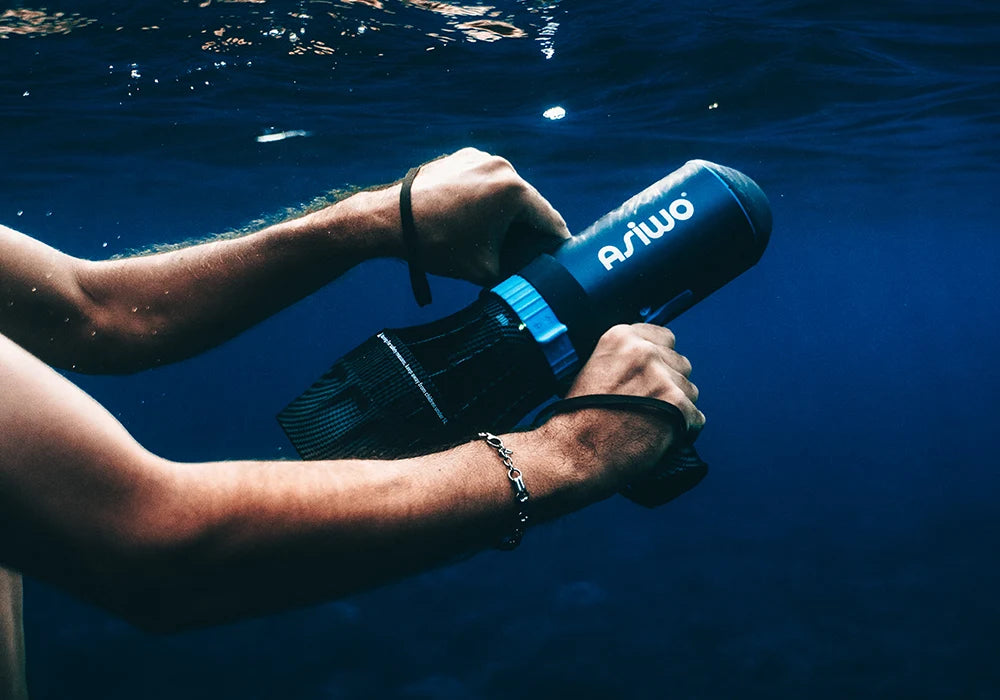
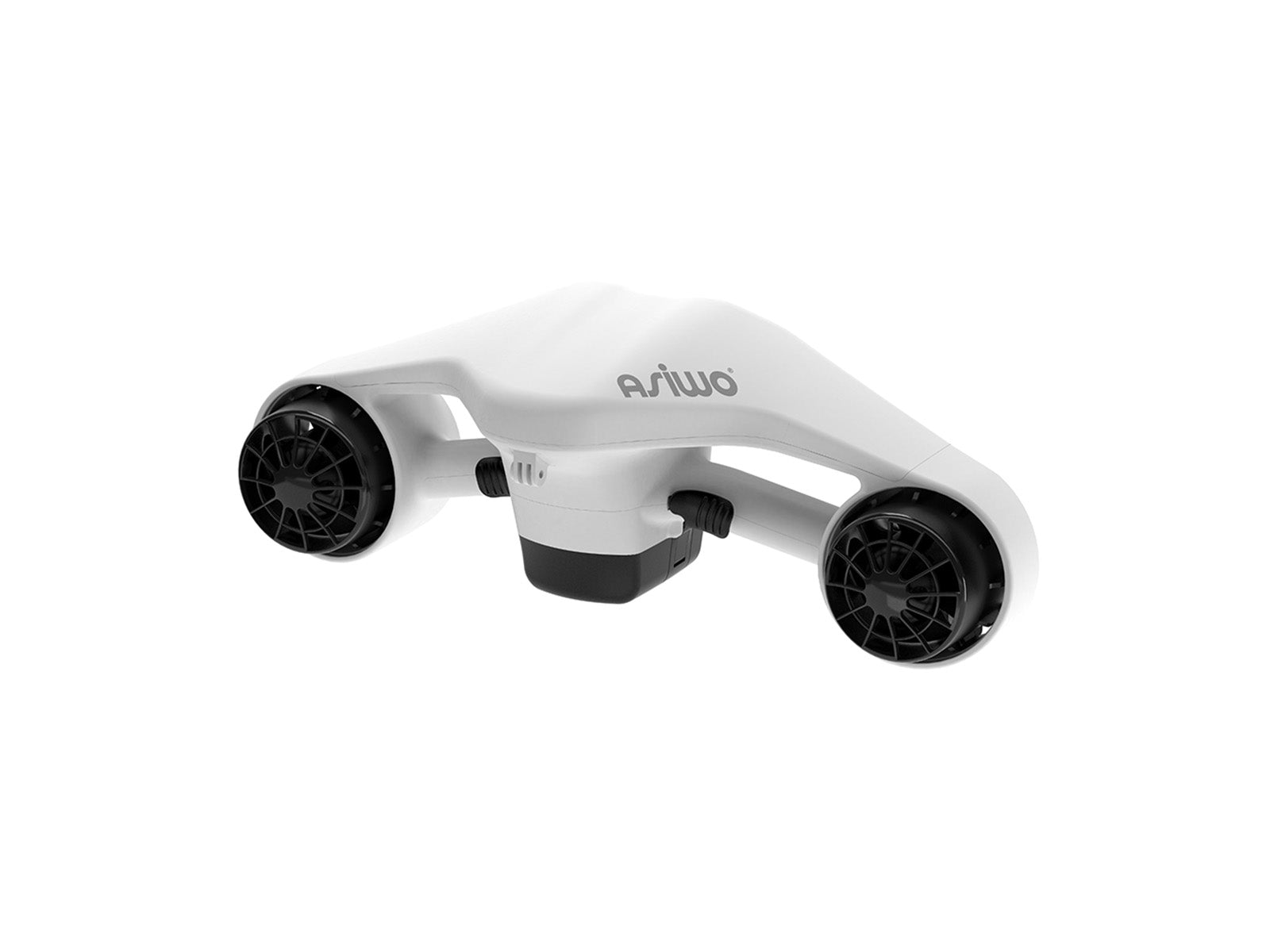
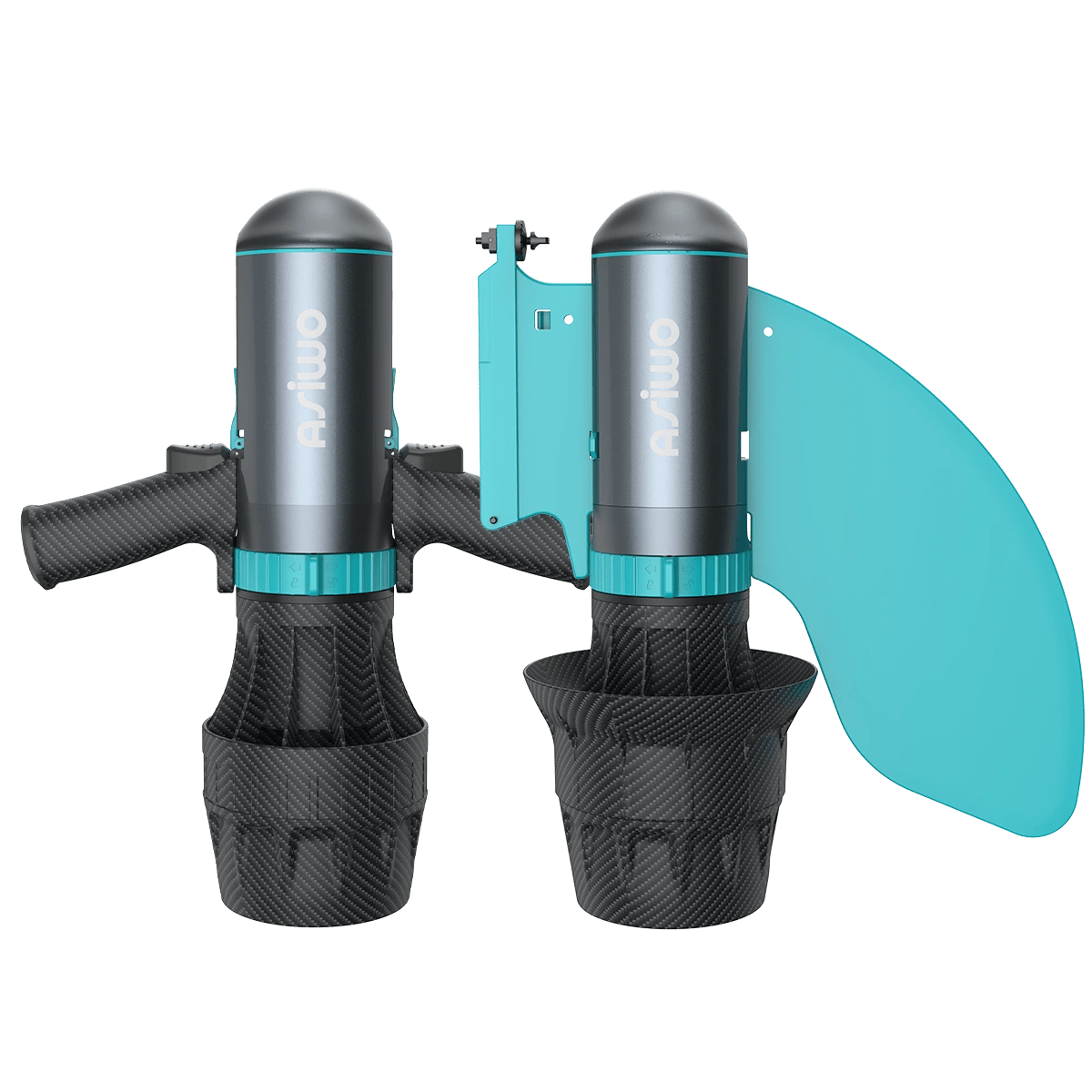
For snorkelers who want to cover more area with less effort, an underwater scooter like the ASIWO Manta can meaningfully change how you think about what to wear snorkeling.
By providing gentle propulsion, it reduces leg fatigue and makes fin choice and kick strength less critical, especially for beginners or longer sessions. When paired with a rash guard or wetsuit for thermal and sun protection, an underwater scooter allows you to maintain a relaxed body position, conserve energy, and stay in the water longer without overexertion. This can be particularly helpful in mild currents or larger snorkeling areas where swimming alone would be tiring.

ASIWO Manta is a lightweight underwater scooter for surface snorkeling and shallow-water exploring. With three speed modes, it helps you glide smoothly, reduce fatigue, and keep a steady face-down position for easier breathing.
Conclusion
The best answer to what to wear snorkeling is the one that matches your water temperature, sun exposure, and entry conditions, and fits well enough that you forget you are wearing it. Start with a mask that seals, fins that do not rub, and clothing that handles either sun protection or cold insulation. Add a snorkel vest if you want extra confidence, and adjust everything before small issues become big frustrations. Use this guide as a checklist so your focus stays on the water instead of your gear.
FAQs
What should I wear snorkeling for the first time?
For your first time, keep it simple: a well fitting mask, snorkel, and fins, plus a rash guard or light wetsuit depending on water temperature. Comfort and fit matter more than advanced gear.
Do I need a wetsuit for snorkeling in warm water?
Not always. In warm water, many people snorkel comfortably with swimwear and a rash guard for sun and skin protection. A thin wetsuit helps if you get cold easily or plan to stay in longer.
Can I snorkel without fins?
You can, but fins make snorkeling much easier. They reduce effort, improve control, and help you move safely in light currents. For most people, fins are an important part of snorkeling gear to wear.
What should I wear snorkeling to avoid sunburn?
A UPF rated rash guard or full suit is the most reliable option. You can combine it with reef safe sunscreen on exposed areas like the neck, ears, and hands.
How tight should snorkeling gear fit?
Snorkeling gear should feel snug but not painful. Masks should seal without being overtightened, and fins should not rub or pinch. If anything hurts on land, it will feel worse in the water.


Lascia un commento