






Not every beautiful coastline is safe for snorkeling. Clear water and sunshine don’t always mean calm conditions below the surface. Before you get in, taking a few minutes to assess waves, currents, and entry points can make the difference between a relaxed snorkel and a stressful (or dangerous) one.
Here’s how to read a snorkel spot before you enter the water.
Check the Waves Before You Gear Up
Waves are the first and easiest safety signal to read.
-
Small, gentle waves that roll slowly toward shore are usually manageable.
-
Breaking waves directly over reef or rocks are a warning sign.
-
If waves are crashing hard or consistently knocking water white and foamy, visibility and control will be poor.
A simple rule:
If standing ankle-deep feels unstable, snorkeling farther out won’t feel better.
Look for Signs of Strong Currents
Currents aren’t always obvious, especially on calm-looking days.
Watch for:
-
Floating objects moving steadily in one direction.
-
Ripples or “lanes” of faster-moving water.
-
Fish all facing the same direction, holding position.
If you’re unsure, step in shallow water and pause. If you’re being pulled sideways or offshore without swimming, the current may be stronger than it looks.
Pay Attention to Water Movement Around Reefs
Reefs change how water behaves.
-
Water often moves around reef edges, not evenly across them.
-
Channels between reefs can funnel water and speed it up.
-
Shallow reef tops can create turbulence when waves pass over them.
If you see water rushing through gaps or reef passes, avoid entering there unless you’re experienced and conditions are calm.
Evaluate the Entry and Exit Points
Getting in is only half the equation. You also need a safe way out.
Before entering, identify:
-
Where you’ll exit the water
-
Whether waves hit harder on the way back
-
Any slippery rocks, sharp coral, or surge zones
If you can’t clearly picture how you’ll exit calmly, don’t enter there.
Consider Wind Direction and Time of Day
Conditions can change quickly.
-
Onshore winds usually mean choppier water.
-
Offshore winds can look calm but increase drift risk.
-
Early mornings are often calmer than afternoons.
If conditions feel borderline, waiting an hour or coming back the next morning can completely change the experience.
Watch Other Snorkelers (and Locals)
People already in the water are one of your best indicators.
-
Are they drifting far from where they entered?
-
Do they look relaxed or are they struggling?
-
Are locals choosing a different spot nearby?
If experienced snorkelers are avoiding an area, there’s usually a reason.
Trust the “Easy Swim Back” Test
Before heading out, ask yourself one simple question:
“If I stop swimming right now, will I drift back safely or away from shore?”
If the answer isn’t clearly “back toward shore,” reconsider.
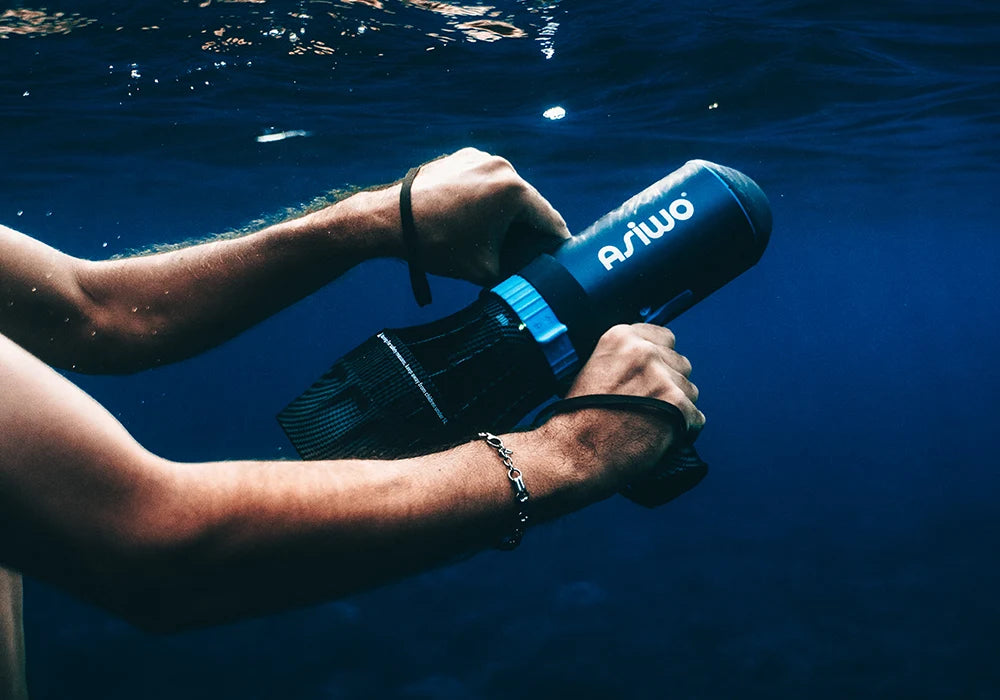
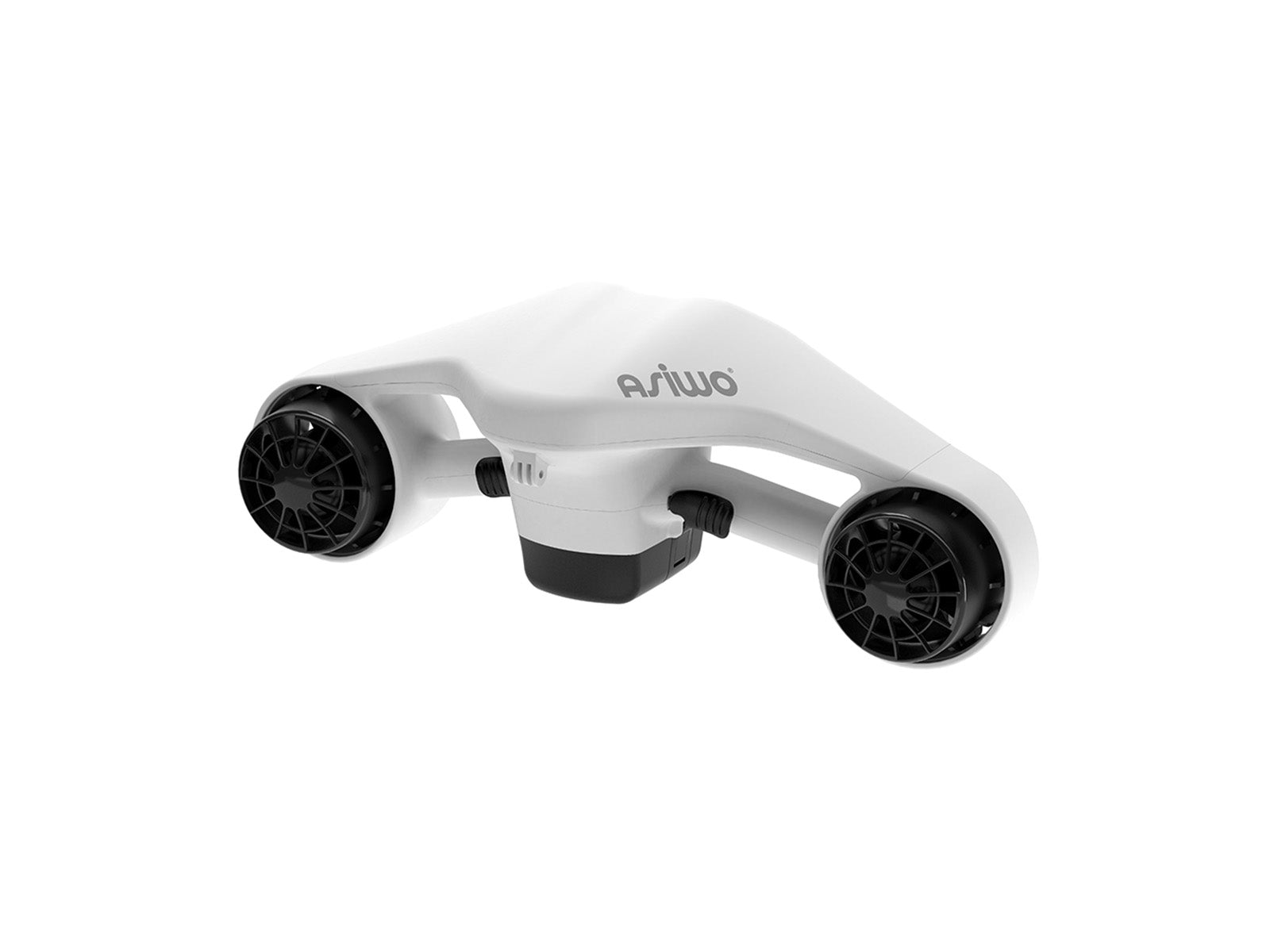
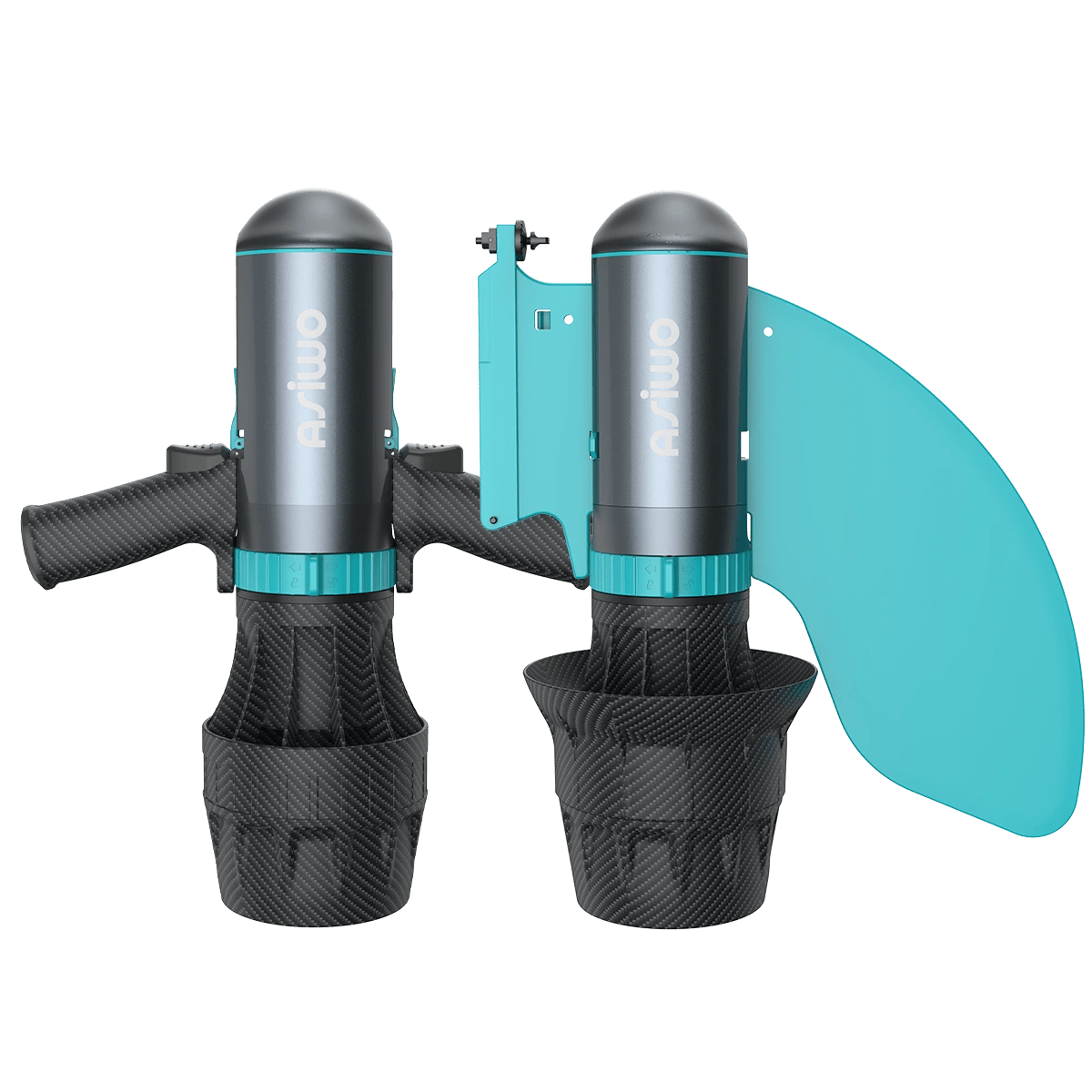
Extra Check When Using an Underwater Scooter
Using an underwater scooter changes how you experience waves and currents, so your safety checks need to be a bit stricter.
-
Distance feels shorter than it really is
A scooter can make a snorkel spot seem closer and easier than it actually is. Before entering, look at how far you might drift if the scooter stops or runs low on battery, especially in open bays or along reef edges.
-
Currents matter more, not less
Scooters help you move against light currents, but they don’t cancel them out. If you notice steady sideways movement in the water, assume you’ll need extra power to return. Always plan your route so you can drift back toward your exit point, not away from it.
-
Entry and exit become critical
With a scooter, it’s tempting to focus on where you’re going instead of how you’ll get out. Make sure your exit point is calm and accessible even if waves pick up or you have to surface without power.
-
Speed can hide warning signs
Moving faster means you may miss subtle changes in water movement, surge, or depth. Slow down near reefs and during your first few minutes in the water to reassess conditions.
An underwater scooter can make snorkeling easier, but it should never replace basic safety checks. Treat it as a bonus tool, not a safety net. If conditions don’t feel safe without the scooter, they’re probably not safe with it either.
Final Thought
Safe snorkeling isn’t about being fearless. It’s about being observant. Taking a few minutes to read waves, currents, and entry points can turn snorkeling from a gamble into a calm, controlled experience. If anything feels off, there’s no shame in choosing another spot or another day. The ocean will still be there tomorrow.


Dejar un comentario