







MANTA 2 Sea Scooter Guide: Specs, Speed, Safety, Battery, and Care
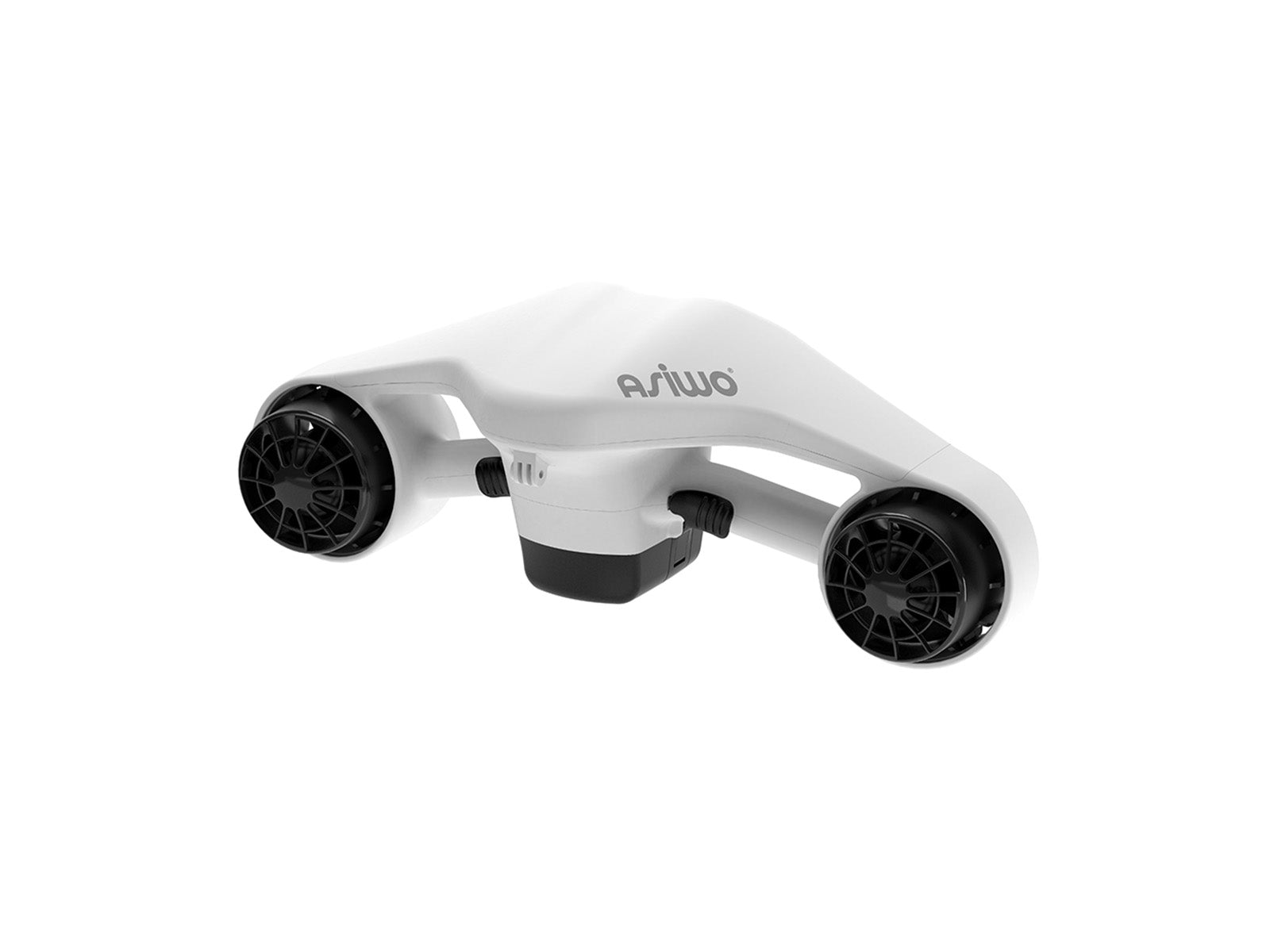
The ASIWO MANTA 2 is a compact underwater scooter for snorkeling, pool use, recreational diving support, and relaxed underwater exploration. It is built for users who want stronger pull than a beginner pool toy while still keeping the controls simple enough for everyday water recreation.
This guide updates the original MANTA 2 user guide with a clearer product overview, a full specs table, speed-mode explanations, safe first-session steps, battery care, charging guidance, and maintenance habits. If you are ready to view the product, start with the ASIWO MANTA 2 product page. If you are comparing models, use the Manta vs Manta 2 comparison or the broader ASIWO purchase guide.
Quick Answer
Choose MANTA 2 if you want a more performance-focused recreational sea scooter with three speed levels, up to 90 minutes of slow-mode runtime, 15 kgf maximum thrust, and a 40 m / 131 ft depth rating. It is best for confident swimmers, snorkelers, and recreational divers who want stronger underwater propulsion than a surface kickboard or entry-level pool scooter.
MANTA 2 makes the most sense if you care about:
- A compact two-handle sea scooter for underwater movement.
- Three speed levels for learning, cruising, and short fast runs.
- Long slow-mode runtime for relaxed exploration.
- Stronger thrust than lighter family pool devices.
- A product built around snorkeling, freediving practice, and recreational water use.
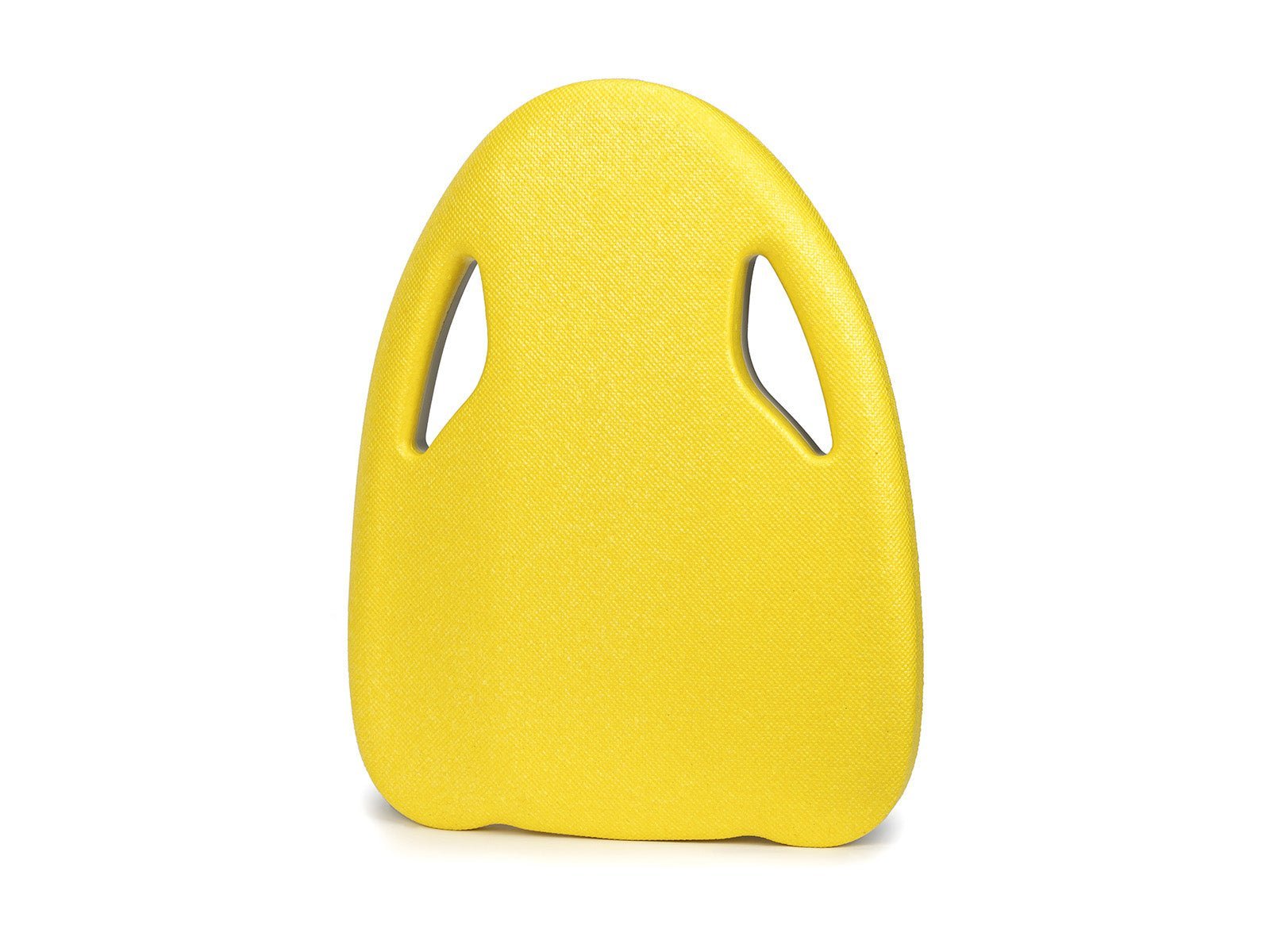
It is not the simplest choice for young beginners or pool-only play. For a buoyant board-style option, compare MAKO. For a dual-use underwater and SUP motor platform, compare U1. For a lighter classic recreational scooter, compare Manta.
What Is The ASIWO MANTA 2?
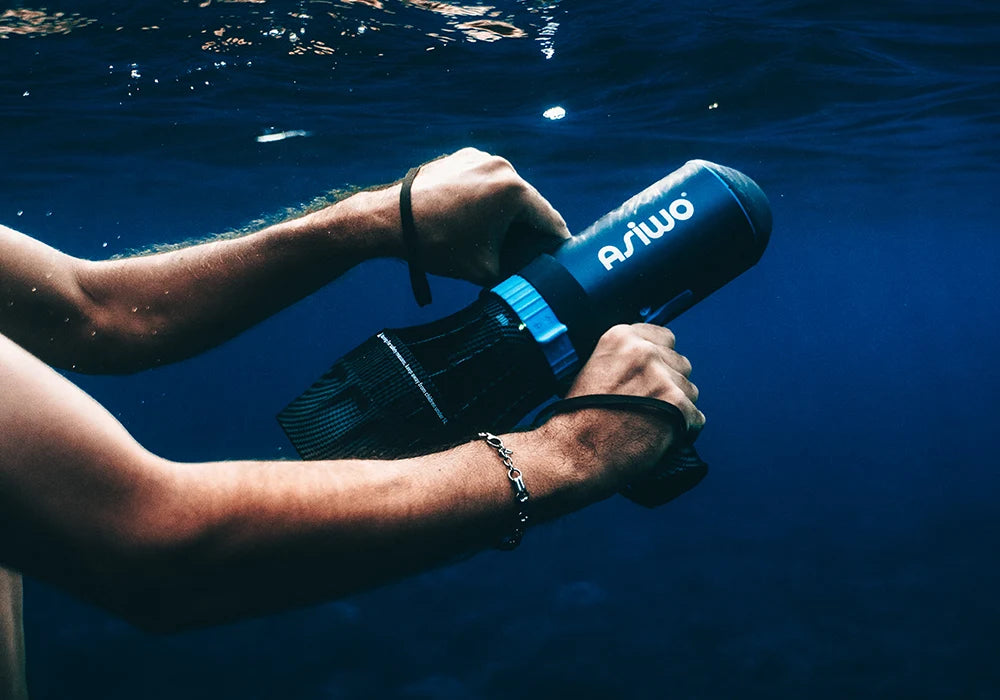
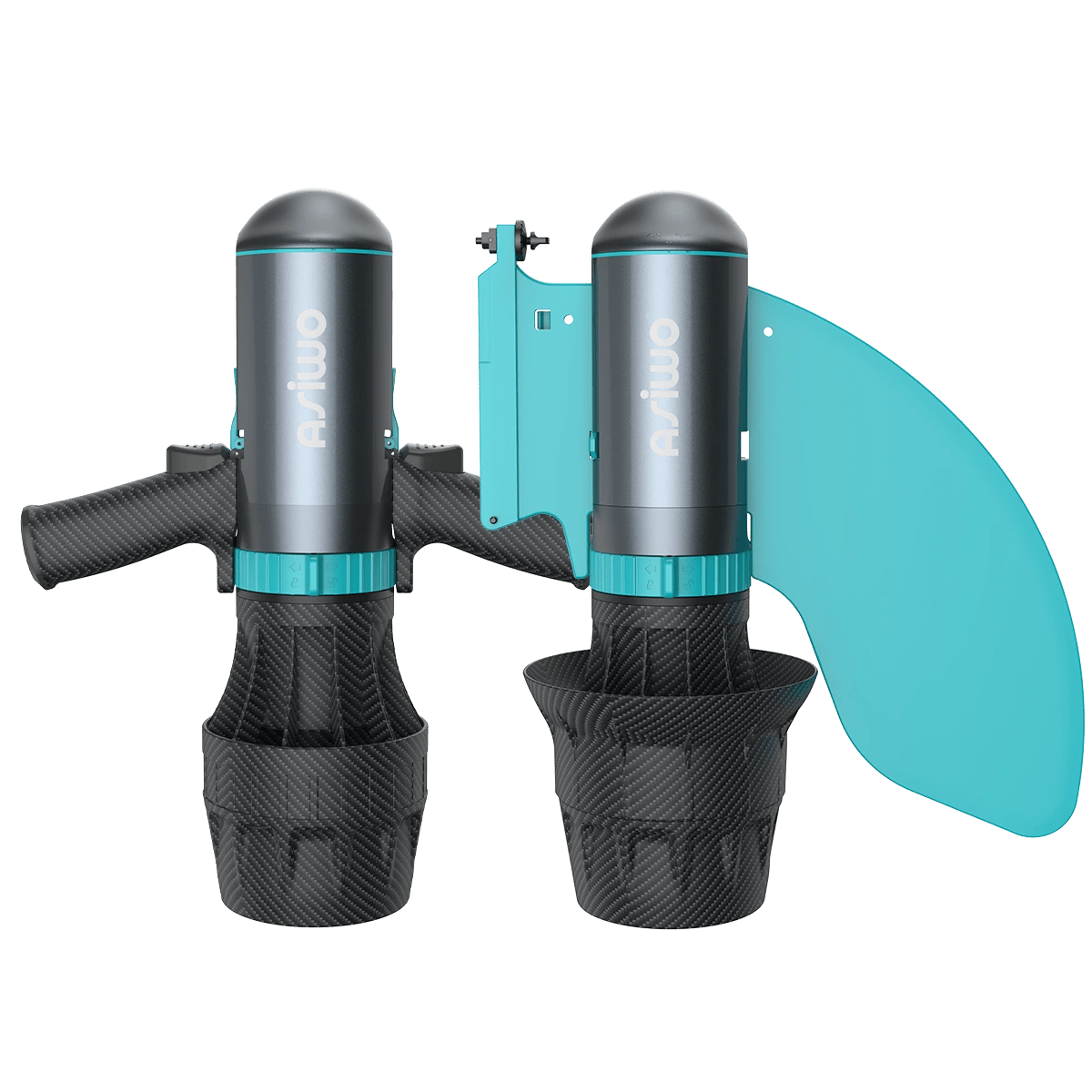
MANTA 2 is an underwater scooter, also called a sea scooter. The rider holds the scooter with both hands, activates the dual-trigger controls, and lets the scooter pull the body through the water. This can reduce swimming effort and make snorkeling or recreational exploration feel smoother.
The product is still powered water equipment. It should be used by swimmers who understand basic water safety, can control their body position, and can return without relying only on the scooter. ASIWO recommends MANTA 2 for users age 14 and up. Less confident swimmers should use it only with proper supervision and flotation support.
ASIWO MANTA 2 Specs
| Spec | ASIWO MANTA 2 |
|---|---|
| Product type | Underwater scooter / sea scooter |
| Size | 11.4 x 11 x 19.3 in / 290 x 280 x 490 mm |
| Weight | 4.5 kg / 9.9 lb, including battery |
| Maximum speed | 8.2 ft/s |
| Speed Level 1 | 2 ft/s / 0.6 m/s, up to 90 min |
| Speed Level 2 | 6.5 ft/s / 2.0 m/s, up to 30 min |
| Speed Level 3 | 8.2 ft/s / 2.5 m/s, up to 13 min |
| Maximum thrust | 15 kgf / 33 lb |
| Depth rating | 40 m / 131 ft |
| Battery | 21.6V / 9.33Ah lithium battery |
| Rated energy | 201.6Wh |
| Charging time | 4-5 hours |
| Charger input | 100V-240V AC, 50/60Hz |
| Charger output | DC 25.2V / 1.5A |
| Recommended age | 14+ |
These specs show MANTA 2's positioning. It is stronger and faster than a surface-focused electric kickboard, but still compact enough for recreational carrying and handling. The speed and runtime spread is also important: slow mode is for longer sessions, while the fastest mode is for short bursts.
Speed Modes And Runtime
MANTA 2 has three speed levels. The right mode depends on skill, water conditions, and how long you want the battery to last.
| Mode | Speed | Runtime | Best use |
|---|---|---|---|
| Level 1 | 2 ft/s / 0.6 m/s | Up to 90 min | First sessions, relaxed snorkeling, longer exploration |
| Level 2 | 6.5 ft/s / 2.0 m/s | Up to 30 min | General cruising and more active movement |
| Level 3 | 8.2 ft/s / 2.5 m/s | Up to 13 min | Short fast runs for confident users |
Start in Level 1 even if you are an experienced swimmer. It gives you time to settle your breathing, check buoyancy, and learn how the scooter turns. Level 2 is the practical everyday mode once you are comfortable. Level 3 should be treated as a short-use mode because it drains the battery much faster and gives less time to react.
Real runtime can vary with rider size, drag, water temperature, current, start-stop behavior, and how often you use the highest speed. Plan your session around the mode you expect to use most, not only the maximum slow-mode runtime.
Depth Rating: What 40 m Means
MANTA 2 is listed with a 40 m / 131 ft depth rating. This is a product rating, not a recommendation for every rider. Most snorkeling and casual water recreation happens much shallower, and deeper use should match your training, conditions, and dive plan.
Use conservative rules:
- Stay within your own swimming or diving ability.
- Do not use the scooter to push beyond your training.
- Keep enough battery and energy to return without depending on top speed.
- Avoid strong current, poor visibility, boat traffic, and crowded swim zones.
- Follow local water safety rules and diving safety practices.
If you are choosing between Manta and MANTA 2 specifically, read the Manta vs Manta 2 comparison before buying. If you need the full single-product overview for the lighter Manta model, use the ASIWO Manta complete guide.
Battery And Charging
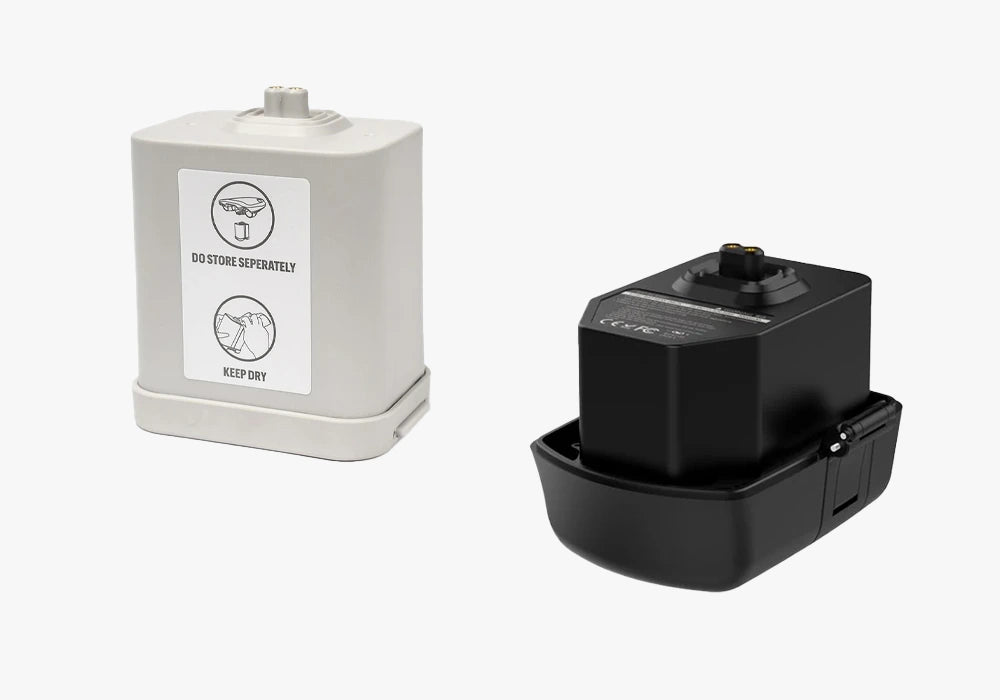
MANTA 2 uses a 21.6V / 9.33Ah lithium battery rated at 201.6Wh. ASIWO lists charging time at 4-5 hours with a DC 25.2V / 1.5A charger output.
Good battery habits:
- Use the official charger.
- Keep the charging plug, socket, and connector area dry.
- Do not replace the battery underwater.
- Do not place the battery pack in water.
- Let the battery cool before charging if it has been in heat or direct sun.
- Store the battery and scooter in a cool, dry place.
- Recharge before the battery is deeply depleted for long storage.
If the indicator rapidly flashes, the battery is low and should be recharged soon. The manual also notes that if battery temperature is above 48 C / 118 F, charging will not proceed until the battery cools.
Because the battery is rated at 201.6Wh, travel rules need special attention. Do not assume it is allowed on a flight. Airline and regional lithium-battery rules can vary, so confirm requirements before packing any underwater scooter battery for air travel.
Safety Setup Before The First Session
A few minutes of setup can prevent most avoidable problems.
Check The Area
Choose calm water with enough space to start, stop, and turn. Avoid boat lanes, heavy surf, fast current, fishing line, weeds, rocks, and crowded swim areas. For first use, a pool or calm shallow area is better than open water.
Use The Right Safety Gear
For snorkeling or surface use, a PFD or other suitable flotation support is strongly recommended when conditions or user skill call for it. Divers should use MANTA 2 only within appropriate training and with standard dive-safety planning.
Keep Hands, Hair, And Straps Clear
Never place fingers, hair, loose straps, or clothing near the propeller guard. The guarded design helps reduce exposure, but it does not make the propulsion area harmless.
Keep Connectors Dry
Battery connectors should stay dry during handling, charging, and battery changes. Water in the connector area can cause corrosion, poor contact, or electrical problems over time.
Installing The Battery
Battery installation should be done in a dry, stable place before entering the water.
- Make sure the battery and connector area are clean and dry.
- Insert the battery into the unit until it seats properly.
- Secure the internal latch so the battery locks into place.
- Confirm the battery is stable before use.
- Do not open the battery area or replace the battery underwater.
If the scooter has just been used in saltwater, rinse and dry the exterior before opening the battery area. This reduces the chance of saltwater entering the connector area during handling.
Start, Stop, And Speed Changes
MANTA 2 uses a dual-trigger control system.
To start:
- Place the scooter in the water.
- Unlock the switch lock.
- Press and hold both triggers to start propulsion.
To stop:
- Release either trigger.
- Lock the switch lock again when the scooter is out of the water.
To increase speed:
- Hold the left trigger, then double-press the right trigger.
To decrease speed:
- Hold the right trigger, then double-press the left trigger.
Practice starting, stopping, and changing speed before moving into deeper or busier water. Do not hand the scooter to another person while it is unlocked.
Getting Better Control Underwater

The easiest way to control MANTA 2 is to let the scooter pull smoothly instead of fighting it. Keep your body streamlined, avoid sharp high-speed turns, and make wider arcs when changing direction.
For your first few sessions:
- Start in Level 1.
- Keep your arms relaxed rather than locked.
- Look ahead before increasing speed.
- Leave room to stop.
- Use Level 3 only for short runs when the path is clear.
If steering feels difficult, you are probably going too fast too early or holding your body in a high-drag position. Return to Level 1 and focus on smooth body alignment.
Cleaning And Maintenance
Cleaning is especially important after saltwater, sandy beaches, and chlorinated pools. Salt crystals, sand, and pool chemicals can shorten product life if left around the propeller area, seals, or battery contacts.
After each session:
- Turn the scooter off and lock the switch lock.
- Remove the battery only in a dry area.
- Rinse the scooter with fresh water.
- Soak or flush the propulsion area with fresh water for a few minutes if used in saltwater or sand.
- Dry the scooter before storage.
- Store the scooter and battery in a cool, dry place.
Do not use harsh cleaners or solvents. A clean damp cloth and fresh water are enough for normal cleaning.
If the propeller feels restricted after sandy or salty use, the manual suggests soaking the unit in fresh water for a few minutes and restarting repeatedly until it returns to normal. Do not force the propeller or insert tools into the guarded area.
MANTA 2 vs Manta vs MAKO vs U1
MANTA 2 sits between simpler recreational models and more versatile high-power platforms.
| Need | Better fit | Why |
|---|---|---|
| Surface pool fun and beginner support | MAKO | Buoyant kickboard shape and surface-focused use |
| Lightweight classic recreational sea scooter | Manta | Simpler two-handle scooter for casual use |
| Stronger recreational underwater scooter | MANTA 2 | Higher thrust, faster top speed, longer slow-mode runtime |
| Underwater and SUP motor versatility | U1 | DPV and SUP electric motor positioning |
Choose MANTA 2 if you want a stronger sea scooter experience without moving into a more complex multi-use platform. Choose Manta if portability and simple casual use matter more. Choose MAKO for pool and surface support. Choose U1 if you want the broader DPV/SUP setup.
FAQs
Is MANTA 2 good for beginners?
It can be beginner-friendly for confident swimmers who start in calm water and use Level 1 first. It is not a substitute for swimming ability, supervision, or flotation support when needed.
What age is MANTA 2 for?
ASIWO lists MANTA 2 for users age 14 and up. Younger or inexperienced users should not use powered underwater equipment without suitable supervision and safety support.
How fast does MANTA 2 go?
The listed top speed is 8.2 ft/s / 2.5 m/s in Level 3. Level 1 is 2 ft/s / 0.6 m/s, and Level 2 is 6.5 ft/s / 2.0 m/s.
How long does the battery last?
ASIWO lists up to 90 minutes in Level 1, up to 30 minutes in Level 2, and up to 13 minutes in Level 3. Actual runtime depends on conditions, rider drag, speed use, and battery condition.
How deep can MANTA 2 go?
The listed depth rating is 40 m / 131 ft. That is the product depth rating, not a recommendation to dive that deep without proper training and conditions.
Will MANTA 2 sink?
According to the manual, MANTA 2 should not sink and should be slightly buoyant.
How should I clean it after saltwater?
Rinse thoroughly with fresh water, flush or soak the propulsion area for a few minutes, dry the scooter before storage, and keep connectors clean and dry.
Bottom Line
ASIWO MANTA 2 is the right choice if you want a stronger recreational sea scooter with clear speed levels, long slow-mode runtime, and a 40 m / 131 ft depth rating. It works best for confident swimmers, snorkelers, and recreational users who understand water safety and want more pull than a simple surface water toy.
Use Level 1 to learn control, treat Level 3 as a short-burst mode, keep battery connectors dry, rinse carefully after saltwater, and stay within your training and conditions. With those habits, MANTA 2 can be a capable underwater scooter for repeat snorkeling, pool, and recreational water sessions.


Hinterlassen Sie einen Kommentar