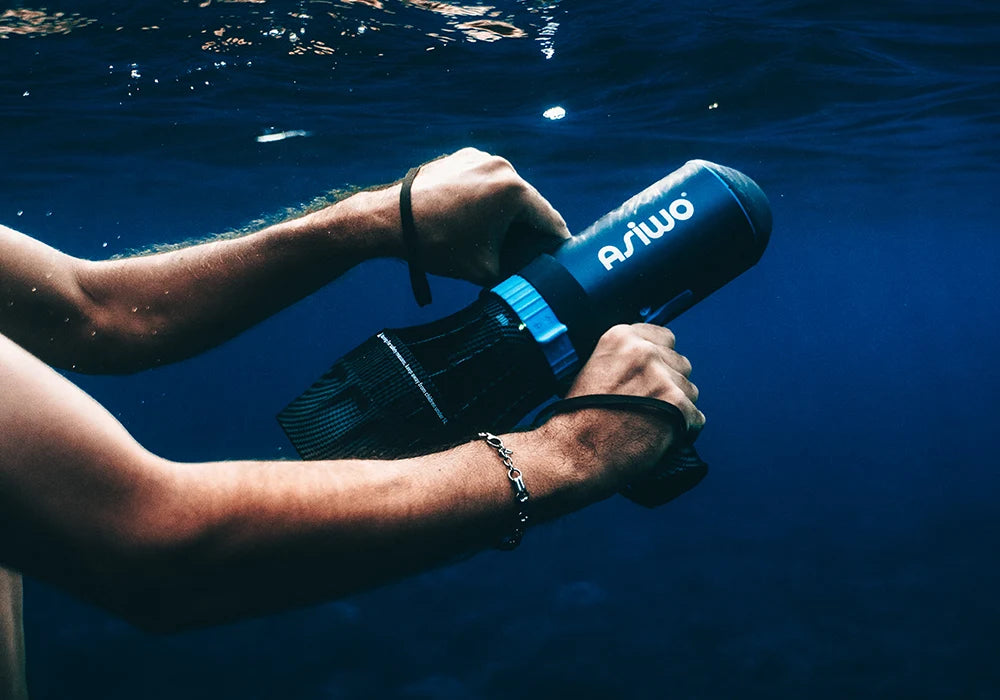







A first-time DPV buyer is usually not asking for a dictionary definition. The real question is more personal: "Will a powered propulsion device make my dives better, or will it add one more thing I am not ready to manage?"
That is the right question. A diver propulsion vehicle can make movement feel smoother and help you cover water with less kicking, but it also changes pace, distance, battery planning, buddy awareness, and how quickly a small mistake can become harder to correct.
The ASIWO U1 is worth considering if you are a recreational diver who wants a stronger propulsion product with cross-over value beyond one dive scenario. It is not the right answer if you are trying to replace training, ignore conditions, or jump into technical-style DPV use before you have the basics under control.
Quick Answer
Choose ASIWO U1 as a first DPV if you are already comfortable in the water, dive within conservative recreational limits, and want one propulsion product that can support underwater use plus SUP motor versatility.
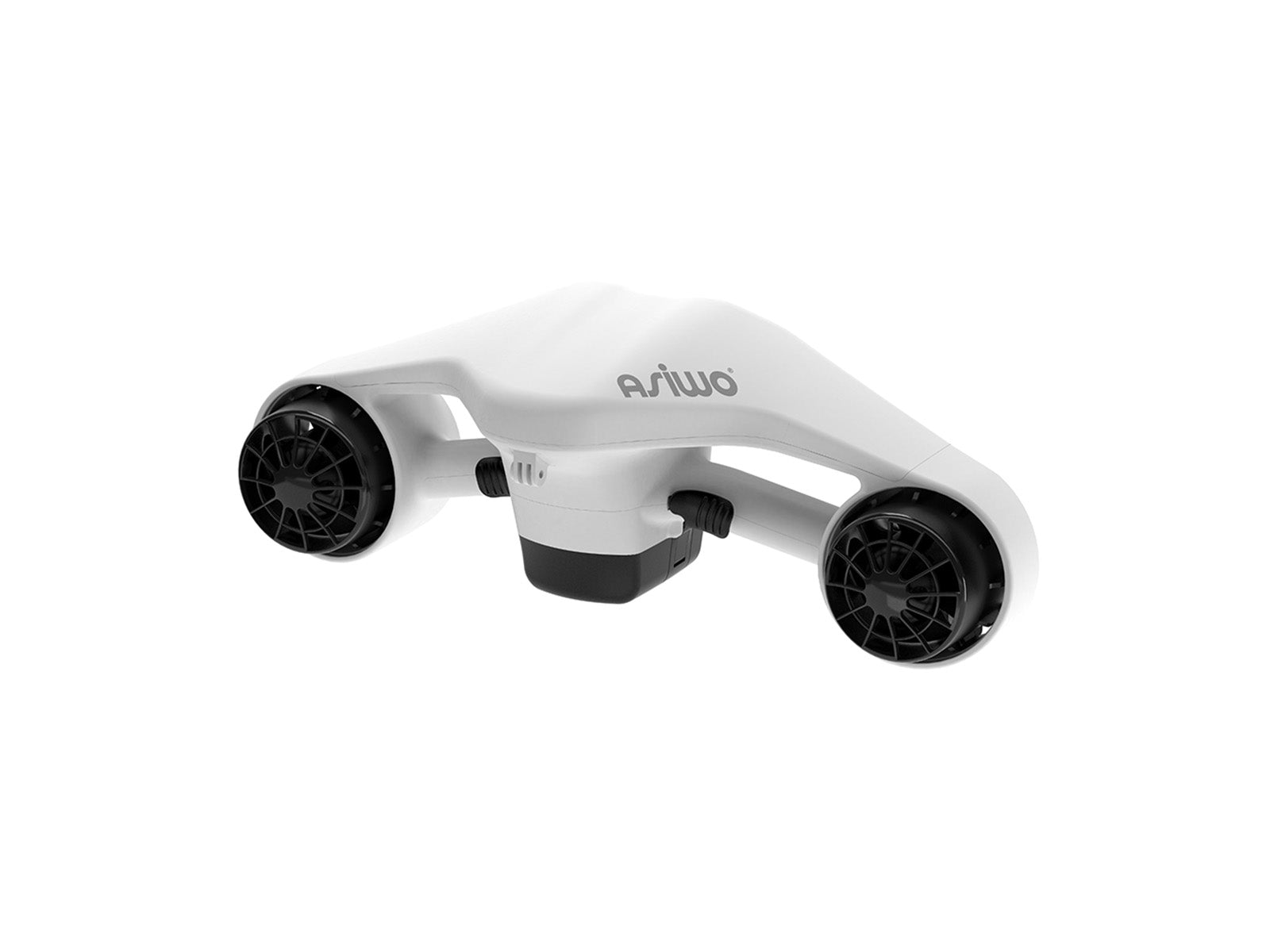
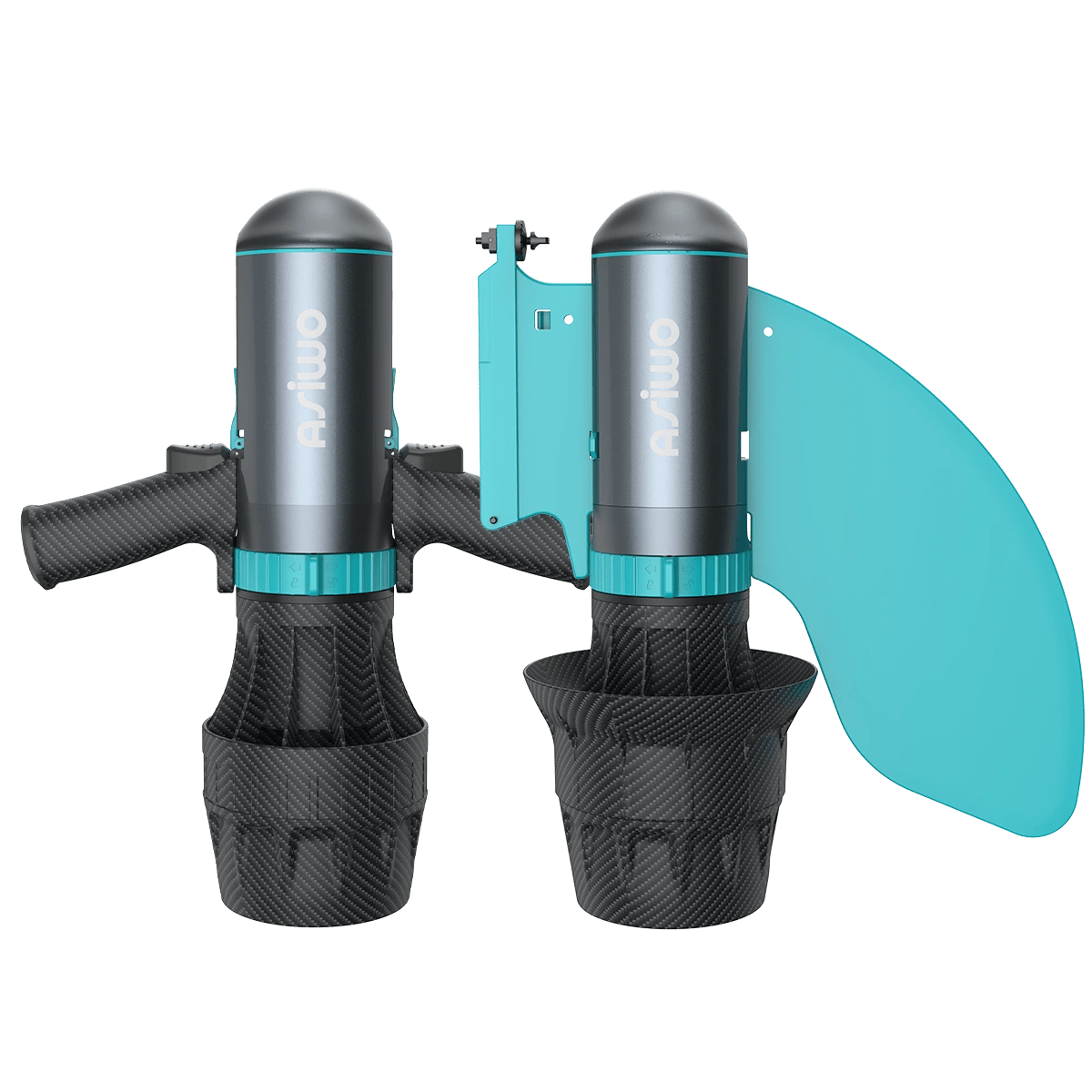
Do not choose U1 just because it is powerful. ASIWO lists U1 with 1100W power, 17 kgf maximum thrust, up to 10 ft/s maximum speed, a 180Wh battery, and 50 m / 164 ft water-resistance. Those numbers are useful only if your dive plan, buddy plan, and control habits are ready for powered movement.
For a first-time DPV buyer, the best starting point is not top speed. It is whether the product gives you a controlled, repeatable session that you can stop at any moment.
The Question Before "Do I Need A DPV?"
Before buying a DPV, ask what problem you are trying to solve.
If you want less leg fatigue on calm recreational dives, easier movement around a familiar site, or a product that can also support paddle board use on other water days, U1 starts to make sense. It has enough thrust to feel meaningful, and its modular role separates it from a simple pool scooter.
If your real problem is poor buoyancy, weak finning, anxiety in current, or difficulty staying close to a buddy, a DPV should wait. Powered gear can make those issues harder to manage because it lets you move farther and faster before you realize the plan has stretched.
A first DPV should support skills you already have. It should not become the reason you enter conditions you would normally avoid.
When U1 Makes Sense For A First-Time DPV Buyer
U1 is a good fit when the buyer is not looking for a toy and not pretending to be a technical diver. The sweet spot is a capable recreational water user who wants controlled propulsion, more range in calm conditions, and a product that can work in more than one setting.
That user usually has a few things in common:
- They are already comfortable entering and exiting the water without powered help.
- They can stay with a buddy and follow a route.
- They understand that speed mode affects runtime and return planning.
- They want a stronger product than a casual sea scooter.
- They may also care about SUP motor use, not only underwater use.
For this kind of buyer, U1's three-mode behavior matters more than its maximum number. Slow mode is the learning mode. Middle mode is where many real sessions will feel useful. Fast mode should be treated as a short-use setting, not the default.
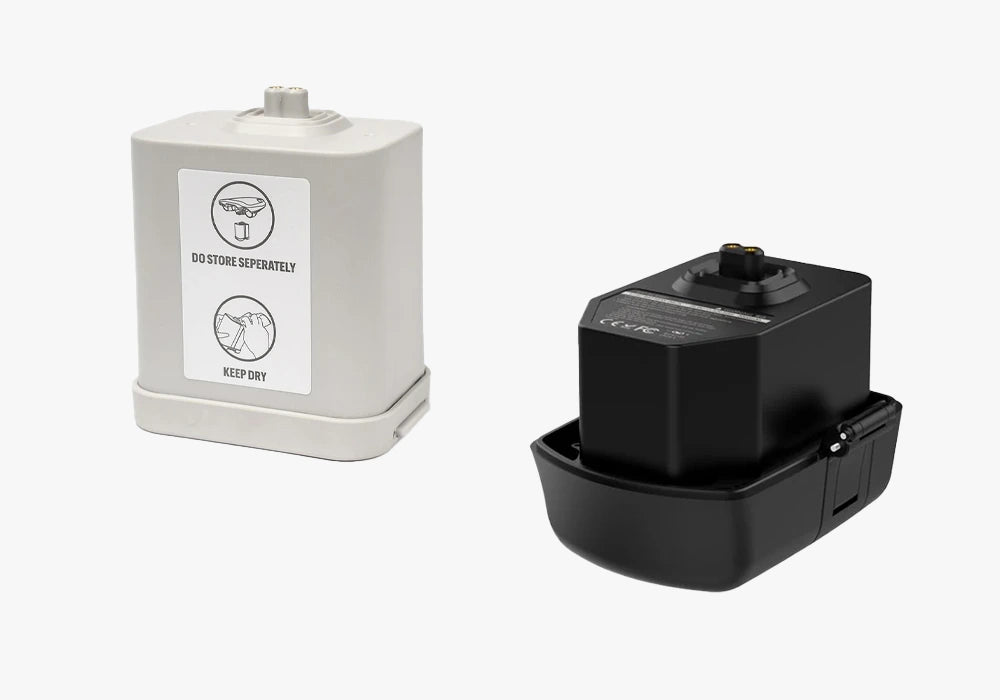
The same idea applies to the 180Wh battery. It gives U1 the capacity for meaningful sessions, but it also asks the user to think about charging, storage, route planning, and travel limits. A first-time buyer should see that as part of ownership, not a footnote.
When U1 Is The Wrong First DPV
U1 is not the right first DPV if you want power to solve water confidence.
If you are not comfortable without the device, do not let the device become your plan. A DPV can reduce effort, but it cannot replace buoyancy control, local knowledge, safe entry and exit, buddy awareness, or the decision to cancel when conditions change.
U1 may also be the wrong first choice if you only want casual pool fun, short family beach use, or a light vacation scooter. In that case, an easier recreational model may match the day better. U1 earns its place when the buyer actually wants DPV-style capability or SUP cross-over value.
It is also not a shortcut into deeper or more complicated diving. The 50 m / 164 ft water-resistance rating is a product rating. It is not a suggestion that every buyer should use the product at that depth.
A First Session Plan That Keeps The Decision Honest
The first U1 session should feel almost boring on purpose. You are not trying to prove the top speed. You are trying to prove that the product fits your body position, route discipline, and communication habits.
Start in calm, familiar water. Use the lowest practical mode. Keep the route short enough that you could return without powered assistance. Assign one user, one direction, and one stopping point before the product is turned on.
Before entering the water, check:
- Battery charge and connector condition.
- Visible damage, seals, and controls.
- The planned route and return point.
- Buddy signals and stop signals.
- Whether current, visibility, boat traffic, or fatigue has changed the plan.

After the first run, do not ask only whether it felt fun. Ask whether you stayed oriented, whether the buddy stayed close, whether the return plan still felt conservative, and whether the product made the session easier to manage.
If the answer is yes, U1 can become part of a repeatable routine. If the answer is no, the next step may be more practice, a simpler setting, or postponing DPV use until your water skills catch up.
Final Recommendation For Recreational Divers
Choose U1 if you want your first DPV to be a serious, versatile propulsion product rather than a casual water toy. It is especially relevant if you want underwater propulsion and may also use the product as a SUP motor in controlled water settings.
Wait if you are still building basic water confidence, if your dive plans already feel hard to manage, or if you only need a light beach-day scooter. A DPV should make a good plan smoother. It should not become the plan.
If you want the broader DPV category context, use ASIWO's diver propulsion vehicle guide after this article. If you are still comparing the whole ASIWO lineup, use the ASIWO underwater scooters collection before choosing a model.
Is U1 too powerful for a first-time DPV buyer?
Not if the user is already comfortable in the water and starts conservatively. It can be too much if the buyer wants power to replace skill, supervision, or good conditions.
Can U1 be used for recreational diving?
Yes, when the diver stays within training, local rules, conditions, buddy planning, and conservative battery use. It should not be used to stretch a dive beyond the original plan.
Is U1 better than a simple sea scooter?
It is better when you need DPV-style capability or SUP motor versatility. A simple sea scooter may be better for casual snorkeling, pool sessions, or lighter travel use.
Should beginners use fast mode?
No. A first session should start in the lowest practical mode. Fast mode should come later, only when the user has space, control, and a clear return plan.
Can U1 replace fins, a buddy, or normal dive planning?
No. U1 is powered support, not a replacement for basic gear, partner awareness, route planning, or the decision to stop when conditions are not right.


Hinterlassen Sie einen Kommentar