






If you’ve heard people talk about freediving and pictured deep ocean descents with no tank, that’s basically the idea. Free diving is diving underwater on a single breath, without using scuba gear or any external air supply. It can be recreational, competitive, practical, or simply a way for people to feel more connected to the water.
What makes free diving so interesting is that it looks simple on the surface, but it relies on technique, control, and awareness rather than brute strength. This guide will explain what free diving is, how it works, the main types of freediving, why people are drawn to it, and how beginners can start safely.
What Is Free Diving?
Free diving is a form of underwater diving where you hold your breath instead of breathing from a tank. You take one breath at the surface, dive down, stay underwater for a short period, and then return to the surface before breathing again.
At its core, free diving is about:
- breath-hold diving
- controlled movement underwater
- efficient use of oxygen
- staying calm instead of forcing performance
That definition sounds simple, but free diving can take different forms depending on the goal. Some people do it to explore reefs. Some use it for spearfishing. Others train seriously in pools or deep water for competition. Free diving goes beyond just diving without a tank. It’s a breath-hold activity that can be practiced as a hobby, a sport, or a skill.

How Free Diving Works
Free diving works by combining one full breath with relaxation, technique, and efficient movement. You are not constantly taking in new air underwater, so everything depends on how well you manage the oxygen already in your body.
A beginner often assumes free diving is mostly about lung size or extreme breath-holding. In reality, that is only part of it. Good freedivers are usually not the people fighting hardest underwater. They are the ones moving smoothly, staying relaxed, and avoiding wasted energy.
The basic idea behind free diving
When you free dive, your body relies on the oxygen it already has available. That means your goal is to make that oxygen last as efficiently as possible. The more tense, rushed, or panicked you are, the faster you use it up.
That is why free diving depends so much on:
- relaxation before the dive
- calm, controlled breathing at the surface
- efficient finning and body position
- avoiding unnecessary movements
- knowing when to come back up
What free diving is not
It also helps to clear up a common misunderstanding. Free diving is not just a contest to see how long you can hold your breath. Safe freediving is about control, skill, and judgment.
A good beginner mindset is this:
free diving is about diving well, not just staying down longer.
Table: Free Diving vs Scuba Diving and Snorkeling
A lot of people confuse free diving with either scuba diving or snorkeling because all three involve being in the water with a mask and often fins. But they are not the same activity.
| Activity | Air Source | Main Position in Water | Typical Goal | Gear Level |
|---|---|---|---|---|
| Free diving | One breath held from the surface | Surface to underwater descent | Breath-hold diving, exploration, training | Light to moderate |
| Scuba diving | Tank and regulator | Underwater for extended time | Longer underwater exploration | Heavy |
| Snorkeling | Breathing through snorkel at the surface | Mostly surface swimming | Looking down at reefs and fish | Light |
Free diving vs scuba diving
The main difference is the air supply. In scuba diving, you carry breathing gas with you, which lets you stay underwater much longer. In free diving, you only have the breath you took at the surface.
That changes the whole experience:
- freediving is quieter and lighter
- scuba allows much longer bottom time
- free diving requires stronger breath control
- scuba uses more equipment and setup
Free diving often feels more streamlined and natural, while scuba is better for longer underwater observation or deeper dives that require extended time below.
Free diving vs snorkeling
Snorkeling is closer to free diving, but it is still different. A snorkeler usually stays at the surface and breathes through a snorkel while looking down into the water. A freediver actually dives below the surface on a held breath.
You can think of it like this:
- snorkeling = surface observation
- free diving = breath-hold descent underwater
Some people start as snorkelers and then move into freediving once they want more control underwater or want to spend time below the surface rather than just above it.
Types of Free Diving
Free diving is not just one thing. The term covers several different styles, depending on why someone is doing it.
Recreational Free Diving
This is the type most beginners picture first. Recreational freediving is usually about enjoyment rather than records or competition. People do it while traveling, exploring reefs, swimming in clear water, or practicing breath-hold diving as a personal challenge.
Common examples include:
- diving below the surface to look at coral or fish
- exploring shallow underwater landscapes
- taking underwater photos
- enjoying the feeling of moving underwater without heavy gear
For many people, recreational free diving is the most appealing form because it feels simple and immersive.
Applied Free Diving
Applied freediving is when breath-hold diving is used for a practical purpose rather than just recreation. This category is broader than many people realize.
It can include:
- spearfishing
- seafood gathering
- underwater sports
- certain types of marine work
- research activities in shallow environments
- traditional community-based diving practices
Freediving is not only a sport. In some settings, it is also a working skill or part of daily life.
Competitive Free Diving
Competitive freediving is the most structured and performance-focused version of the sport. This is where athletes train to reach greater depth, cover more distance, or hold their breath longer under controlled conditions.
Competitive freediving usually falls into two broad groups:
Pool disciplines
- static apnea
- dynamic apnea with fins
- dynamic apnea without fins
Depth disciplines
- constant weight
- free immersion
- variable weight in some formats
Most casual readers do not need a full breakdown of every discipline, but it helps to know that competitive freediving is very different from vacation-style reef diving. The goals, training intensity, and safety systems are much more specialized.
Why People Try Free Diving
If free diving sounds challenging, that is because it is. So why are so many people attracted to it?
The answer is that freediving offers something many other water activities do not. It combines physical skill, mental calm, and a very direct connection to the underwater world.
Exploration and freedom
One of the biggest appeals is the feeling of moving underwater without bulky equipment. There is no tank on your back and no constant stream of bubbles. That makes the experience feel lighter and often more personal.
People often like free diving because it gives them:
- a quieter underwater experience
- more freedom of movement
- a closer feeling around marine life
- a stronger sense of immersion than surface snorkeling
Mental and physical benefits
Many people are drawn to freediving because it demands focus. You cannot rush through it successfully. The sport encourages calm breathing, body awareness, and emotional control.
Some of the benefits people often notice include:
- better breath awareness
- improved water confidence
- stronger relaxation skills
- increased mobility and swimming efficiency
- a fresh kind of fitness challenge
That does not mean freediving should be treated as a shortcut to wellness or performance. But it is easy to see why people find it mentally rewarding.
Lifestyle and community
Freediving also tends to become more than a one-time activity. For some people, it changes the way they travel, train, and spend time in the water. Others stay involved because of the community around it.
What keeps people interested often includes:
- training with a buddy or group
- traveling to clear-water dive spots
- learning new techniques over time
- feeling part of a niche but welcoming community
Who Can Learn Free Diving?
A lot of beginners assume freediving is only for elite athletes, but that is not true. You do not need to be a professional swimmer or extreme adventurer to start learning.
In general, many healthy adults can learn freediving if they have basic water confidence and proper instruction. The key is not starting aggressively or treating it like a dare.
A beginner is usually a reasonable fit for freediving if they:
- are comfortable in the water
- can swim independently
- are in generally good health
- are willing to learn gradually
- respect safety rules
That said, freediving is not something to approach casually if you have medical concerns, especially anything involving the heart, lungs, or pressure-related issues in the ears or sinuses. If there is any doubt, getting medical guidance first is the smart move.
How to Start Free Diving Safely
The safest way to start freediving is to treat it as a skill-based activity, not just a breath-holding challenge. Good instruction early on makes a huge difference.
Learn with a certified instructor
A structured beginner course helps you build the right habits from the start. Instead of guessing your way through equalization, breathing, recovery, and buddy procedures, you learn them in the right order.
A good beginner course usually covers:
- breathing basics
- duck dive technique
- finning efficiency
- equalization
- surface recovery
- buddy awareness
- core safety rules
Online videos and articles can help you understand the sport, but they are not a substitute for live instruction when safety is involved.
Never free dive alone
This is one of the most important rules in the sport. You should not free dive alone, even if the dive seems shallow or easy.
Why this rule matters:
- problems can happen quickly
- a trained buddy can watch your surfacing
- rescue response has to be immediate if something goes wrong
- shallow water risk is still real
Many beginners make the mistake of thinking solo practice is fine in a pool or calm ocean setting. It is not a good habit to build.
Where you can learn free diving
One reason the sport is more accessible now is that people can start in different environments depending on where they live and what kind of training they want.
Common learning options include:
| Learning Setting | What It Helps With |
|---|---|
| Online theory | Basic concepts, safety principles, breathing education |
| Pool sessions | Breath-hold comfort, technique, controlled practice |
| Open water training | Equalization, descent, real freediving conditions |
| Travel courses | Beginner instruction in destination-based dive settings |
For most people, the best path is simple: learn the theory, take a real course, and practice gradually under supervision.
Using an Underwater Scooter in Free Diving
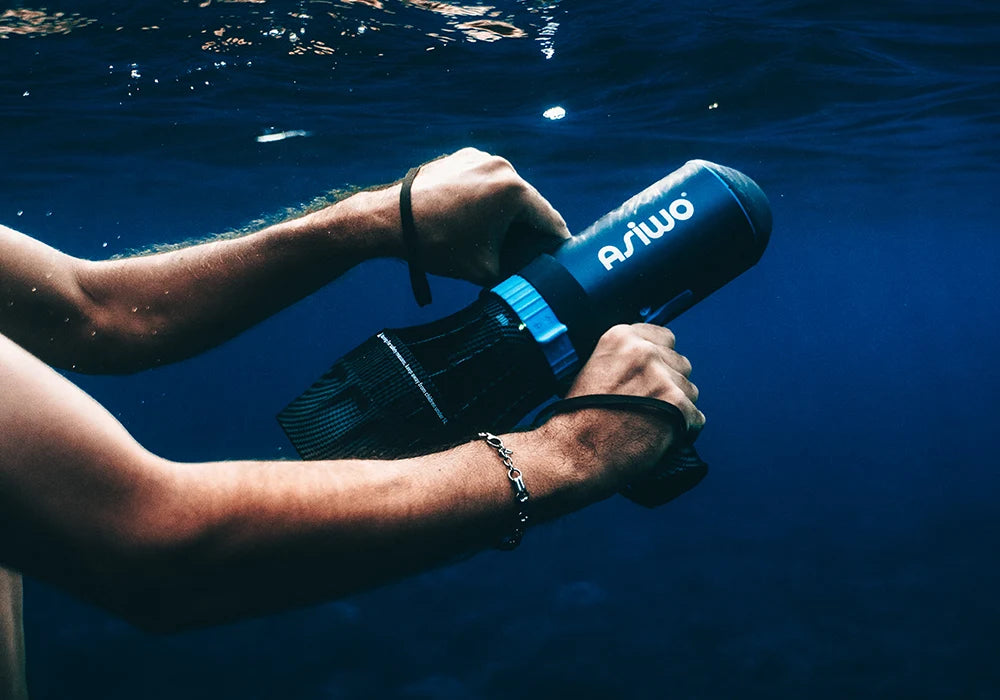
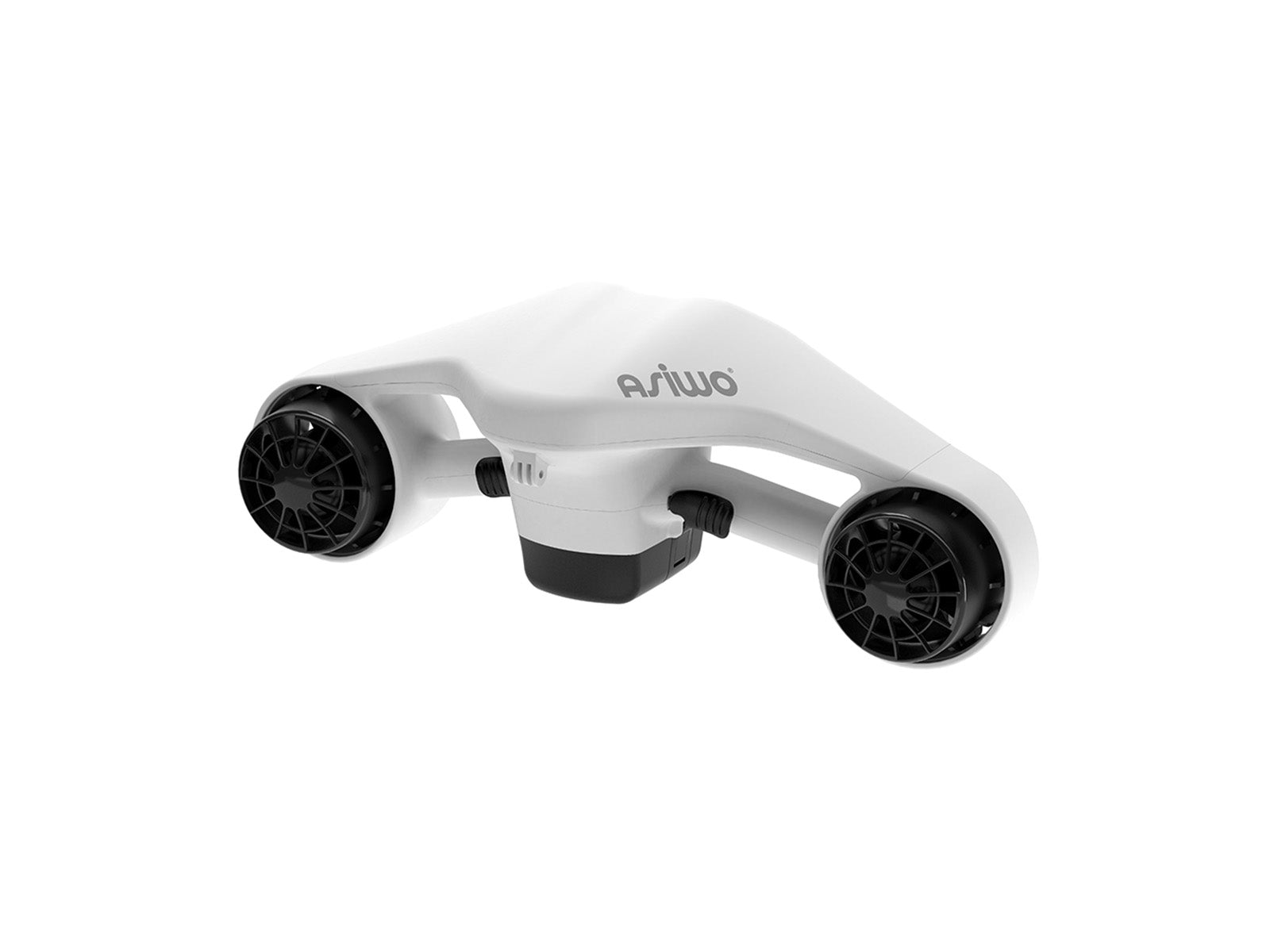
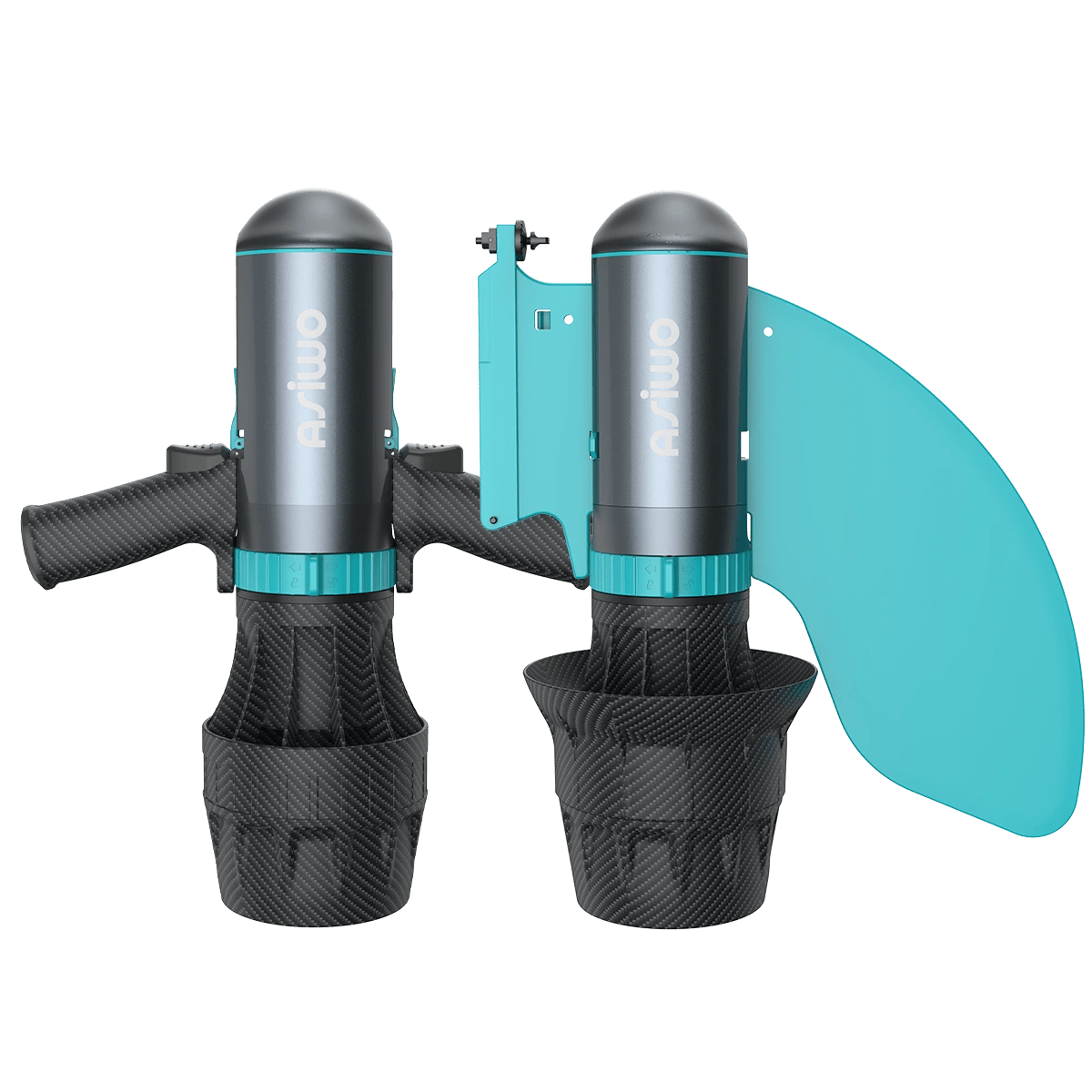
As technique improves, efficiency becomes a bigger part of free diving. Instead of relying only on finning, some divers use lightweight underwater scooters like the ASIWO Manta to reduce energy consumption during short dives. By minimizing unnecessary effort, it can help maintain better control and extend how comfortably you move underwater, especially during relaxed exploration sessions.

ASIWO Manta is a lightweight underwater scooter for surface snorkeling and shallow-water exploring. With three speed modes, it helps you glide smoothly, reduce fatigue, and keep a steady face-down position for easier breathing.
Final Thoughts
So, what is free diving? It is underwater diving on a single breath, without scuba gear, but that definition only tells part of the story. Free diving can be recreational, practical, or competitive. It can be about reef exploration, personal challenge, hunting, sport, or simply enjoying the feeling of moving underwater in a more natural way.
For beginners, the most important thing to understand is that freediving is not about pushing limits as fast as possible. It is about technique, calm, safety, and progression. When approached the right way, it becomes much more than breath-holding. It becomes a skill that changes how you experience the water.
FAQs
Is free diving the same as snorkeling?
No. Snorkeling is usually done at the surface while breathing through a snorkel. Free diving involves holding your breath and diving below the surface.
Do you need to be very fit to free dive?
Not necessarily. Basic swimming ability, general health, and good instruction matter more for beginners than elite fitness.
Is free diving dangerous?
It can be dangerous if done incorrectly or alone. That is why training, buddy procedures, and safety habits are essential.
How deep do free divers go?
It depends on the person and the type of freediving. Beginners usually start shallow, while trained competitive freedivers can go much deeper.
What gear do beginners need for free diving?
Most beginners start with a mask, snorkel, fins, and exposure protection suited to the water temperature. In a proper course, instructors usually explain what gear is actually necessary.


Leave a comment