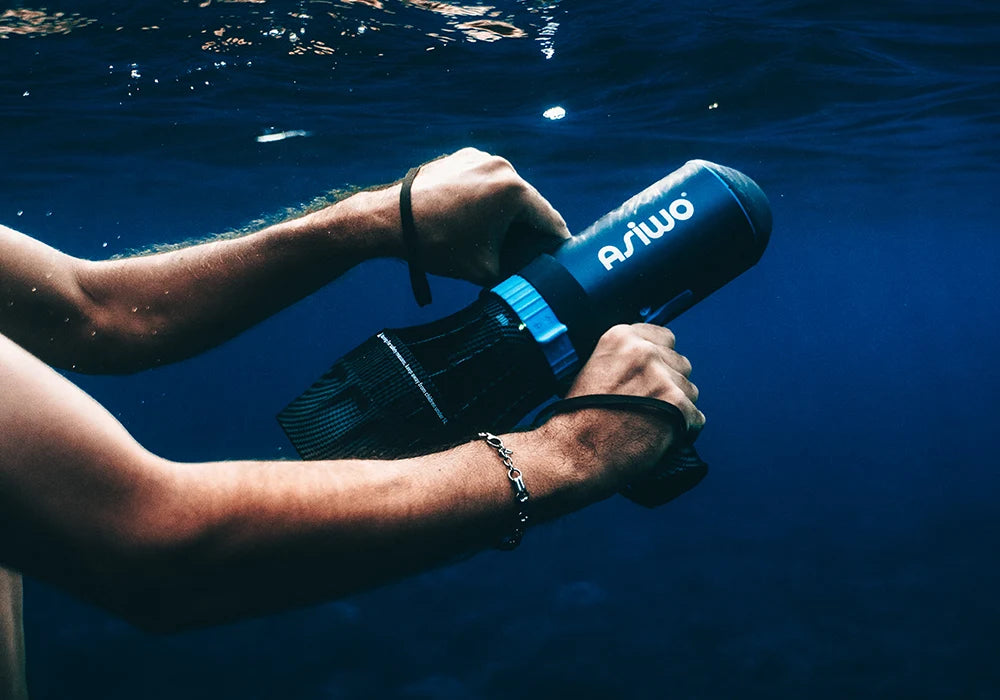







The best way to use an underwater scooter for reef exploration is to move slowly, keep a safe distance from coral, choose calm water, plan your route, and use the scooter to observe more of the reef instead of racing through it. A scooter can help snorkelers and divers cover more area with less effort, but reef environments require control, patience, and awareness.
Used well, an underwater scooter makes reef exploration more relaxed. You can follow reef edges, cruise over sandy channels, watch fish movement, and save energy for the return swim. Used carelessly, it can put coral, marine life, and other people at risk. The goal is simple: travel farther, disturb less, and see more.
Why Use an Underwater Scooter for Reef Exploration?
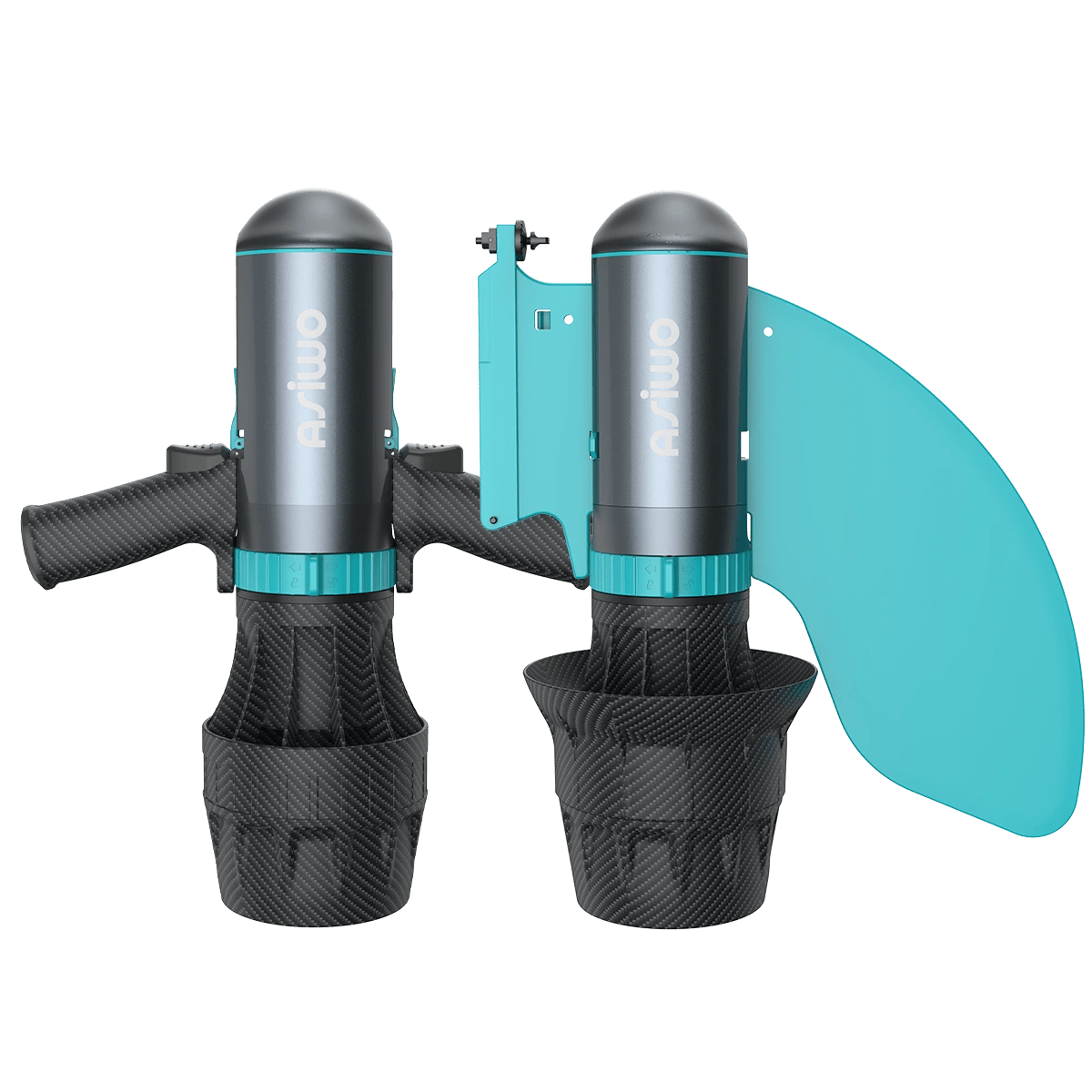
An underwater scooter, also called a sea scooter or diver propulsion vehicle, is a battery-powered device that pulls a snorkeler or diver through the water. For reef exploration, its biggest advantage is not speed. It is energy control.
Instead of kicking constantly, you hold the scooter, engage the trigger, and let the propeller provide forward movement. This can be useful on long reef lines, shallow reef gardens, shore-entry snorkel spots, and dive sites where points of interest are spread out.
Cover More Reef With Less Effort
A reef can stretch much farther than it first appears from shore or from a boat. Without a scooter, most snorkelers naturally stay within a smaller area because finning takes effort, especially in chop, light current, or warm water with heavy gear.
An underwater scooter helps you move across a wider reef area without relying only on your legs. That can make a big difference if you want to explore:
- A long reef wall
- A shallow coral garden
- Sandy channels between reef patches
- The edge where reef drops into deeper water
- Several nearby coral heads in one session
The benefit is not just distance. It is also pacing. You can cruise at a steady speed, pause when something catches your eye, then continue without using as much energy.
Spend More Energy Observing
Reef exploration is better when you are not fighting the water every second. A scooter reduces constant kicking, which gives you more attention for the actual reef.
You can watch how fish move between coral heads, notice where small reef fish hide, follow the shape of a reef edge, or study changes in bottom structure. For snorkelers, this can make the experience feel less rushed. For divers, it can help reduce workload, though air consumption still depends on depth, breathing, current, and experience.
Good reef exploration is visual. The scooter should support that, not distract from it.
Keep a Steadier Pace
A scooter can help you maintain a smooth cruising pace along long reef lines. This is useful because stop-start swimming can be tiring and can stir up sand near shallow areas.
A steady pace also makes it easier for a buddy to follow you. If one person swims hard while another drifts or stops often, the group can separate quickly. With a scooter, both riders should agree on a slow speed and keep the route simple.
For most reef areas, slower is better. You see more, react faster, and reduce the chance of bumping into coral, rocks, swimmers, or marine life.
How Should You Choose Reef Conditions Before Using a Scooter?
Choose calm, clear, low-traffic reef conditions before using an underwater scooter. Visibility, current, surface chop, boat activity, and reef depth all affect how safe and useful the scooter feels.
A scooter does not make rough water safe. It can help with movement, but it does not replace good judgment.
Start in Calm, Clear Water
Calm, clear water gives you more time to react. That matters around reefs because coral, rocks, snorkelers, divers, turtles, rays, and reef fish may all be close together.
For casual reef exploration, look for conditions like:
- Visibility of at least 15–30 feet when possible
- Light surface chop instead of breaking waves
- No strong current pulling you away from the entry point
- Enough depth to stay clear of coral
- Easy entry and exit from shore or boat
Shallow reefs can look inviting, but they are not always the best place for a scooter. If the water is too shallow, your body, fins, or scooter may pass too close to coral. A sandy channel beside the reef is often a better path than riding directly over reef structure.
Avoid Crowded or Fragile Areas
An underwater scooter gives you more movement than normal swimming, so crowded snorkel zones require extra caution. If people are floating, taking photos, or moving slowly in a narrow area, a scooter can become annoying or unsafe.
Fragile reef areas also need distance. Coral can be damaged by a hand, fin, camera mount, or scooter body. Some coral grows slowly, and one careless contact can break living structure that took years to form.
Avoid using a scooter aggressively near:
- Dense snorkel groups
- Narrow reef cuts
- Very shallow coral
- Turtle resting areas
- Dive training sites
- Boat ladders and mooring lines
The best scooter route usually runs beside the reef, not through the tightest part of it.
Know the Local Rules
Some marine parks, protected reefs, resorts, and guided tour sites limit or restrict underwater scooter use. Rules may exist to protect coral, reduce crowding, or keep motorized devices away from swimmers and wildlife.
Before using a scooter, check signs, ask the dive shop, or confirm with the tour operator. This is especially important in marine protected areas and popular reef destinations where visitor pressure is already high.
Local rules are not just formalities. They often reflect real site conditions such as boat traffic, fragile coral zones, strong currents, or wildlife protection areas.
How Do You Control Speed Around a Reef?
Control speed by using the lowest useful power setting, keeping both hands stable, staying aware of depth, and practicing turns before you approach coral. Around reefs, control matters more than power.
A scooter that feels fun in open water can feel too fast near coral. Start slow and treat the scooter like a tool for positioning, not a toy for speed.
Use Low Speed Near Coral
Low speed gives you time to steer, stop, and adjust your body position. It also helps you avoid sudden movements that could scare marine life or put you too close to the reef.
A good rule is simple: if you cannot stop or turn comfortably before reaching an object, you are going too fast.
Use low speed when you are near:
- Coral heads
- Rocky reef edges
- Other snorkelers or divers
- Shallow sandy areas
- Marine life
- Boat ladders or guide lines
Save higher speeds for open water, and only use them when the route is clear.
Keep Both Hands Stable
Most underwater scooters are designed to be held with two hands. A steady grip helps you keep direction and control your body angle.
Your body position matters too. Keep your legs behind you, avoid dropping your fins, and do not let your knees hang low over the reef. If you carry a camera, keep it streamlined and secured so it does not swing into coral.
For snorkeling, stay relaxed at the surface and avoid pushing the scooter downward. For diving, maintain buoyancy first, then use the scooter. A scooter should not be used to compensate for poor buoyancy control.
Practice Turns Before Going Far
Practice before you enter the reef area. Spend a few minutes in open water learning how the scooter starts, stops, turns, and responds at different speeds.
Practice these basic moves:
- Starting gently without jerking forward
- Releasing the trigger and coasting
- Making wide turns
- Turning back toward your buddy
- Holding position without drifting into coral
- Stopping before you reach a target point
Wide turns are usually safer than sharp turns near reefs. Sharp turns can swing your fins, camera, or scooter body closer to coral than expected.
How Can You Explore the Reef Without Damaging It?
Explore the reef by keeping distance from coral, staying neutrally positioned, avoiding wildlife harassment, and watching every loose piece of gear. A scooter can reduce fin kicking, but it does not remove the risk of accidental contact.
Responsible reef exploration means leaving the reef exactly as you found it.
Keep Distance From Coral
Stay above sand, beside reef edges, or over deeper water where you have enough clearance. Avoid riding directly over shallow coral if your fins or body could touch it.
A safe distance depends on visibility, depth, current, and skill, but more space is always better. In shallow areas, even a small wave can push you down or sideways. That can turn a safe-looking pass into accidental contact.
Do not touch coral for balance. Do not stand on reef. Do not rest the scooter on living coral. If you need to stop, move to a sandy patch or open water.
Do Not Chase Marine Life
Scooters can move faster than many snorkelers expect, which makes it easy to follow animals too closely. Turtles, rays, reef fish, eels, and other marine animals should choose their own distance.
Chasing marine life can stress animals and change their natural behavior. It can also distract you from your surroundings. Many accidents around reefs happen when someone gets focused on one animal and stops watching depth, coral, current, or other people.
A better approach is to slow down, keep distance, and let the animal move naturally. You will often see more when you stop trying to close the gap.
Watch Your Fins and Camera Gear
Many reef contacts do not come from the scooter itself. They come from fins, camera poles, loose straps, dangling gauges, or poor body position.
Before entering the water, secure everything close to your body. Avoid long dangling mounts in shallow reef areas. If you use an action camera, keep it short and controlled.
Pay special attention when turning. Your upper body may clear the coral, but your fins can swing wide behind you. This is one reason slow speed and wide spacing matter so much.
How Should You Plan Your Reef Scooter Route?
Plan your route before you ride by choosing a clear path, setting a turnaround point, checking current direction, and staying close to your buddy. A scooter makes distance feel easier, so route planning matters more, not less.
It is easy to travel farther than expected when the scooter is doing the work. Always think about the return.
Follow the Reef Edge
The reef edge is often the easiest route to follow. It gives you a natural visual line and helps you avoid cutting across fragile coral patches.
A good reef scooter route might look like this:
- Enter from shore or boat
- Move to a sandy channel or reef edge
- Follow the edge slowly in one direction
- Stop at key viewing points
- Turn back before battery or energy drops too low
- Return along the same simple route
Following the reef edge also makes it easier to stay oriented. You can keep the reef on one side and open water or sand on the other.
Turn Back Before You Feel Tired
A scooter reduces effort, but you still need enough energy to swim, float, signal, and return if the battery runs low. Do not wait until you feel tired to turn around.
For casual snorkeling, turn back while you still feel fresh. For diving, follow your dive plan, gas limits, depth limits, no-decompression limits, and buddy procedures. The scooter adds range, but it should never push you past normal safety margins.
Battery planning matters too. Do not use the full battery going away from the entry point. Keep a reserve for the return, unexpected current, or delays.
Stay Close to Your Buddy
Underwater scooters can separate people quickly. Two snorkelers who start together may end up far apart within seconds if one person rides faster or stops to look at something.
Agree on simple rules before starting:
- Who leads
- Maximum speed
- Route direction
- Turnaround point
- Hand signals
- What to do if separated
- Where to stop for photos or rest
Stay close enough to make eye contact and signal clearly. Reef exploration is better when both people move at the pace of the slower rider.
How Can You Make Reef Exploration Safer and More Enjoyable?
Make reef exploration safer by checking the scooter before entry, using well-fitting gear, moving slowly, and choosing observation over speed. Comfort and control shape the whole experience.
A scooter should make the reef easier to explore, not harder to manage.
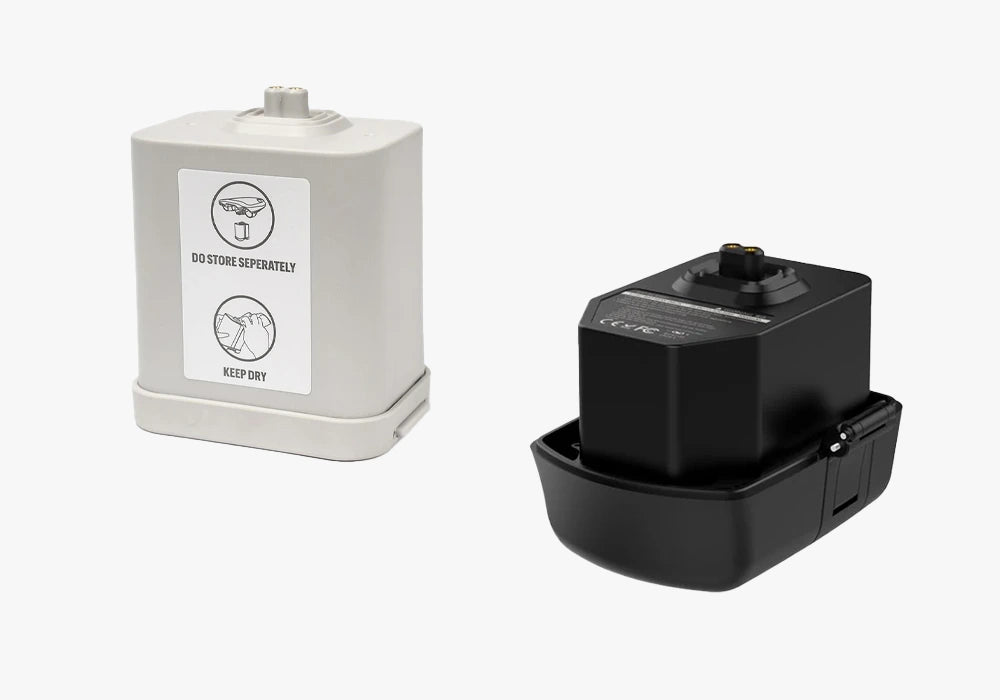
Check Battery and Propeller Before Entry
Check the scooter before you enter the water. A small issue on land can become frustrating or risky once you are far from shore or the boat.
Before each session, confirm that:
- The battery is charged
- The seals are clean and properly closed
- The propeller area is free of sand, hair, string, or debris
- The trigger works smoothly
- The safety lock or guard is in place
- The scooter floats or behaves as expected in water
- The speed setting is appropriate for the reef site
Do not test the propeller near loose straps, hair, fingers, or floating lines. Keep the scooter off until you are ready to use it safely.
Use Snorkel or Dive Gear That Fits Well
Poor gear makes scooter control harder. A leaking mask, uncomfortable snorkel, weak fins, loose life vest, or badly adjusted buoyancy can distract you from the reef.
For snorkeling, use a mask that seals well and fins that let you maneuver even when the scooter is off. A snorkel vest can help casual users stay relaxed at the surface, especially during longer sessions.
For diving, buoyancy control is essential. A scooter should not pull you up, push you down, or drag you into the reef. If you cannot hold stable buoyancy without the scooter, practice that first.
Move Slowly and Look More
The best reef scooter users usually move slower than beginners expect. They cruise, pause, look, and adjust. They do not blast through the reef hoping to see everything at once.
Slow movement gives you better views of small details: cleaner shrimp near coral openings, fish hiding under ledges, rays resting on sand, or changes in reef shape. It also gives wildlife more space and keeps your body under control.
The point of using an underwater scooter for reef exploration is not to cover the most distance. It is to explore more comfortably while leaving the reef untouched.
Conclusion
An underwater scooter can make reef exploration easier, calmer, and more rewarding when it is used with control. Choose calm water, start slow, stay away from coral, follow a clear route, and keep your buddy close. Let the scooter reduce effort so you can spend more time observing the reef, not rushing through it.
The best scooter session feels smooth and respectful. You move with the reef instead of through it, see more without disturbing more, and return with enough energy, battery, and awareness to finish safely.
FAQs
Is an underwater scooter good for reef exploration?
Yes, an underwater scooter can be good for reef exploration if conditions are calm and the rider uses it slowly. It helps cover more reef with less effort, especially along reef edges or sandy channels. It is not ideal for crowded, shallow, fragile, or restricted reef areas.
Can beginners use an underwater scooter around reefs?
Beginners can use one around reefs only after practicing in open water first. They should learn how to start, stop, turn, and control speed before going near coral. A beginner should stay in calm water, keep extra distance from the reef, and ride with a buddy or guide.
How close can you ride an underwater scooter to coral?
You should stay far enough away that your body, fins, camera gear, and scooter cannot touch coral even if a wave, current, or turn shifts your position. In shallow water, give yourself more space than you think you need because small movements can push you downward or sideways.
Can underwater scooters harm marine life?
The scooter itself does not have to harm marine life, but careless use can disturb animals. Fast riding, chasing turtles or rays, crowding fish, or entering protected areas can create stress and damage the reef environment. Slow movement and distance are the safest approach.
What should I check before using an underwater scooter on a reef?
Check the battery, seals, propeller area, trigger, speed setting, and local rules before entering the water. Also check your mask, fins, flotation, camera mounts, and straps. Everything should be secure, comfortable, and easy to control before you get close to the reef.


Leave a comment