






Snorkeling looks simple: float on the surface, breathe through a tube, and enjoy the view. But sooner or later, most people wonder how deep can you go snorkeling, and whether that tube actually lets you breathe underwater. The short answer surprises many beginners. Snorkels are designed for surface breathing, not deep diving.
In this guide, you’ll learn the realistic depth ranges for snorkeling, what limits how deep you can snorkel, and how to dive a little deeper safely if you choose to. Whether you’re a first-timer or already comfortable duck diving, this will help you understand what’s normal and what’s not.
The Real Answer to How Deep You Can Go Snorkeling
When people ask how deep can you go snorkeling, they often imagine swimming down while still breathing through the tube. That’s not how snorkeling works. A snorkel only functions when the top of the tube is above water.
In real-world conditions:
- Surface snorkeling: 0–1 meter (you float face-down at the surface)
- Beginner duck dives: 2–5 meters (6–16 feet)
- Experienced breath-hold snorkelers: 5–10+ meters (16–33 feet), briefly
Most snorkelers stay at the surface nearly the entire time. Even those who dive down for a closer look only stay underwater for a few seconds before returning to breathe.
The confusion happens because people mix up snorkeling with scuba diving. Snorkeling is designed for shallow exploration, not sustained depth.
Typical and Real-World Snorkeling Depths
When people ask how deep can you go snorkeling, they’re often imagining dramatic dives into blue water. In reality, most snorkeling happens very close to the surface. Depth varies based on skill, comfort, and conditions, but the majority of real-world snorkeling experiences are shallow, controlled, and brief below the surface. Understanding what’s typical helps set safe and realistic expectations.
Surface Snorkeling Most Common Depth
Surface snorkeling is how most people spend 90% of their time in the water. You float face-down with your snorkel tube above the surface, breathing normally.
At this stage, you’re technically only inches below the water. Your lungs keep you buoyant, and you’re not “diving” at all. What makes it feel immersive is visibility, not depth. In clear water, you might see 10–20 meters down without ever leaving the surface.
Most casual snorkelers stay in water that is 1–5 meters deep overall. Reef tours, protected bays, and resort beaches are intentionally chosen for shallow depth because that’s where visibility and safety are best.
Beginner Duck Diving Depth
Some snorkelers try short breath-hold dives, often called duck dives, to get closer to fish or coral. These are quick descents below the surface on a single breath.
Most beginners comfortably reach about 2–3 meters. With practice and good equalization, many can reach 3–5 meters. Beyond that, pressure in the ears increases noticeably, and breath-hold time becomes the limiting factor.
It’s important to remember: once you dive down, your snorkel no longer works. You must return to the surface to breathe.
Advanced Snorkelers and Freedivers
Stronger swimmers with good breath control can reach 8–10 meters or more. At this point, the activity begins to overlap with freediving.
The difference isn’t equipment, it’s skill. Advanced snorkelers know how to equalize pressure, relax their breathing, and move efficiently to conserve oxygen. Depth comes from technique and training, not from the snorkel itself.
Even so, these deeper dives are still brief. Surface recovery time is essential between attempts.
Why Most Marine Life Is Found in Shallow Water
Many people assume deeper water means more marine life. In reality, most coral reefs and reef fish live in sunlit, shallow zones.
Coral depends on sunlight for photosynthesis, which keeps reefs concentrated in water typically less than 20 meters deep, and often much shallower. That’s why snorkelers floating at the surface can see vibrant fish, sea turtles, and coral formations without diving far down.
In fact, going deeper often reduces light, color, and visibility. For wildlife viewing, shallow clear water is usually better than depth.

What Limits How Deep You Can Go Snorkeling
Several physical and equipment factors limit depth. These explain why the answer to how deep can you snorkel is not very far compared to scuba diving.
Snorkel Design and Surface Air Limits
A standard snorkel tube is about 15–16 inches (around 40 cm) long. It must stay above water for you to breathe.
Why not just make it longer?
- Air pressure increases with depth
- Your lungs cannot pull air down from deep water
- Longer tubes trap carbon dioxide
Even a slightly longer snorkel becomes unsafe because of “rebreathing” stale air.
Snorkeling vs Scuba Gear Depth Difference
Scuba divers carry compressed air tanks. That air is delivered at the surrounding water pressure, allowing them to breathe at depth.
Snorkelers rely entirely on surface air. Once you dive, you’re on a breath-hold.
That’s why snorkeling is ideal for reefs in 1–5 meters of water, while scuba is used for 10–40 meters or deeper.
Carbon Dioxide and Breathing Efficiency
When you breathe through a snorkel, some exhaled air remains in the tube. If the tube were too long, you would re-inhale more carbon dioxide.
Full-face snorkel masks can slightly increase breathing resistance. That’s why quality designs carefully manage airflow and limit tube length.
As you attempt deeper dives, breathing stress increases, and recovery time at the surface becomes essential.
Pressure Effects on the Body
Even at 3–5 meters, you’ll feel pressure in your ears and sinuses. Without proper equalization, discomfort can turn into injury.
Common issues include:
- Ear barotrauma
- Sinus squeeze
- Mask squeeze
Pressure increases quickly underwater, which naturally limits how deep most people feel comfortable going snorkeling.
How to Dive Deeper Safely While Snorkeling
If you want to explore a little deeper, technique matters more than strength. Here’s how to improve safely.
Learning the Duck Dive Technique
- Step 1: Take a slow, relaxed breath at the surface.
- Step 2: Bend at the waist and point your head downward.
- Step 3: Lift your legs vertically and let gravity help you descend.
This reduces effort and allows smoother entry below the surface.
Improving Breath Control
Depth depends on relaxation, not lung size.
- Breathe slowly before diving
- Avoid hyperventilating
- Rest fully at the surface between dives
Surface recovery time should always be longer than your dive time.
Using Fins and Streamlined Movement
Fins dramatically improve efficiency. They:
- Reduce energy use
- Increase descent speed
- Help you return to the surface quickly
If you’re wondering how deep can you snorkel comfortably, fins often make the biggest difference.
Snorkeling vs Freediving Depth
Snorkeling and freediving overlap but are not identical activities. Understanding the difference clarifies expectations.
Depth Differences Between Activities
Typical depth comparison:
- Snorkeling: 0–5 meters for most people
- Advanced snorkeling duck dives: up to 10 meters
- Recreational freediving: 10–30+ meters with training
Freediving involves breath training, safety protocols, and deeper equalization skills.
When Snorkeling Becomes Freediving
Once you regularly dive below 5–10 meters on breath-hold, you’re essentially practicing entry-level freediving. At that point, formal training becomes strongly recommended.
Can You Get Bends From Snorkeling?
Decompression sickness usually requires compressed air at significant depth. Since snorkelers breathe surface air and stay shallow, the bends are extremely rare.
Why the Bends Are Rare in Snorkeling
- No compressed air tanks
- Short breath-hold dives
- Shallow depth exposure
Nitrogen buildup, the cause of decompression sickness, does not occur the same way in snorkeling.
When It Could Still Happen
Rare cases involve repeated deep freediving sessions or spearfishing at significant depth. These are advanced scenarios, not casual snorkeling.
Explore Deeper with the ASIWO Manta Underwater Scooter
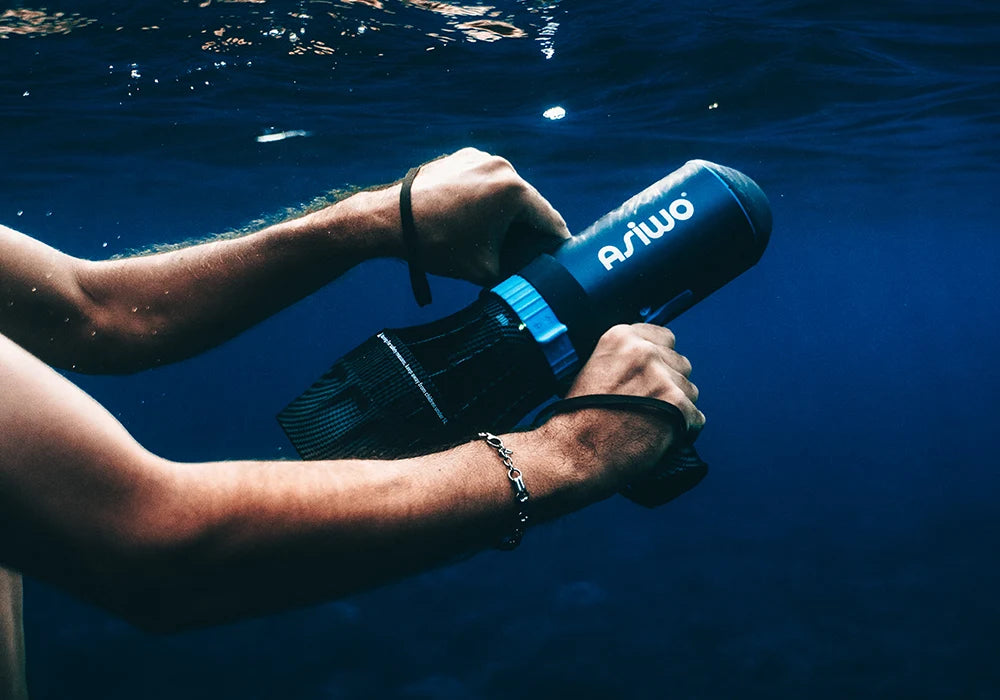
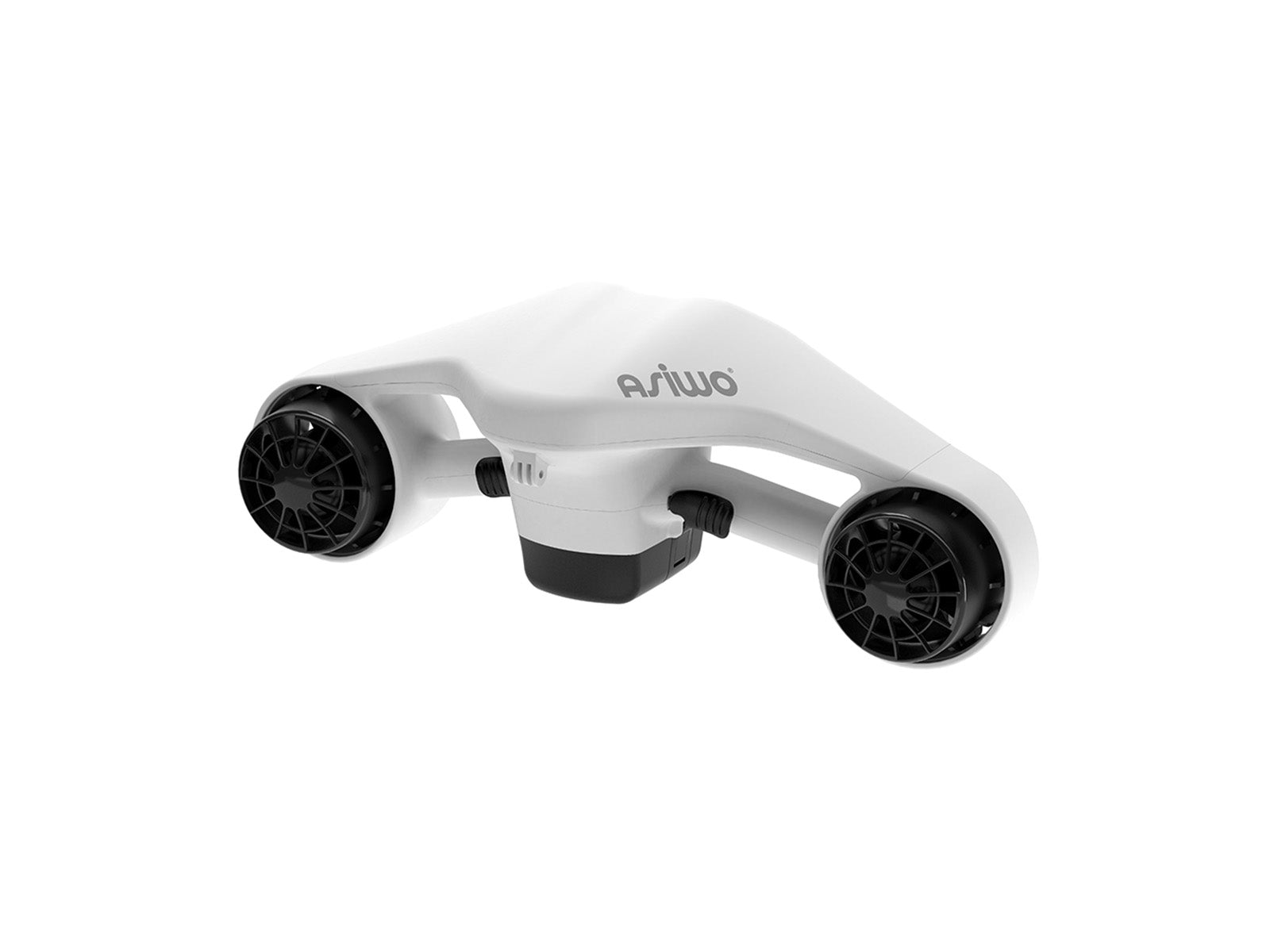
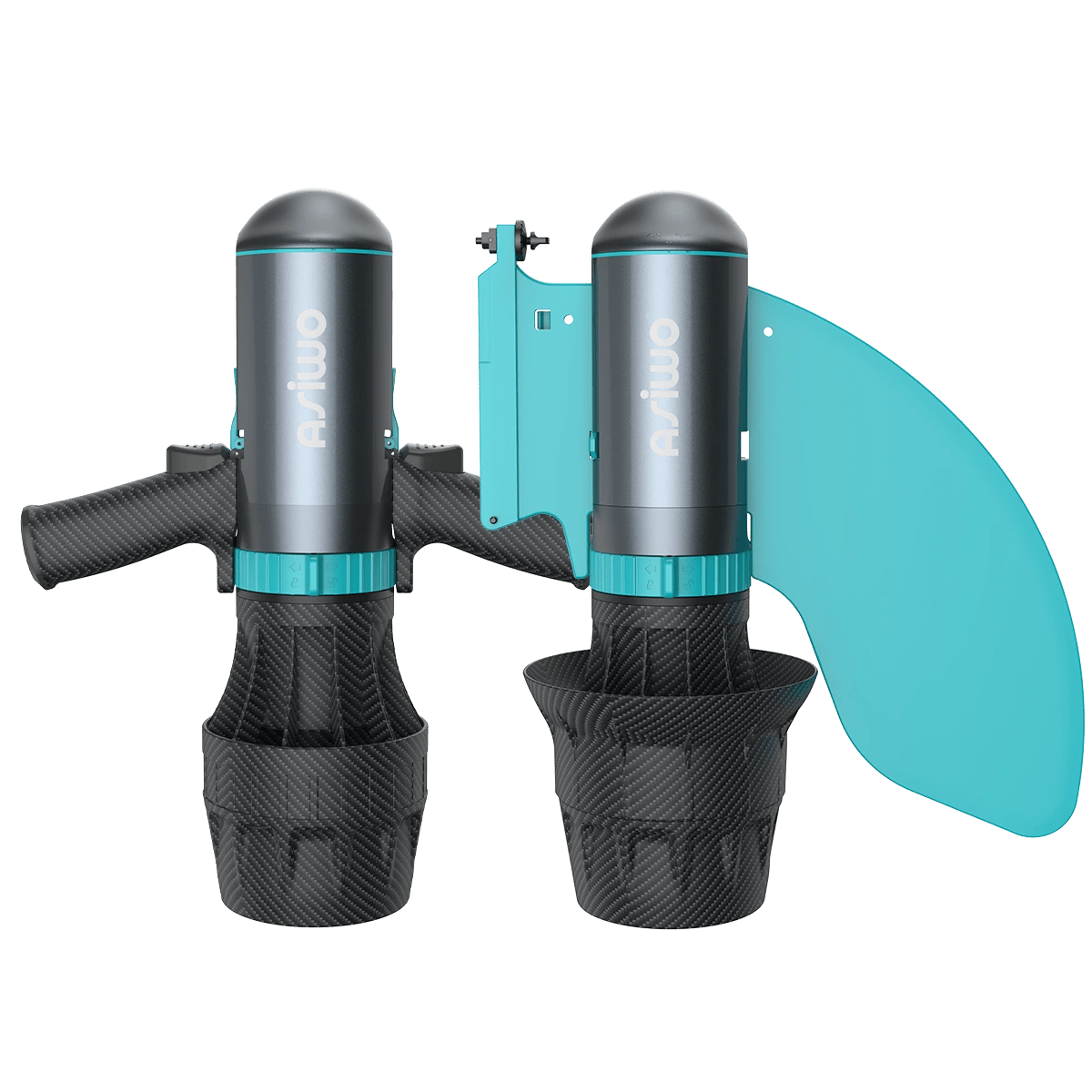
If you’re curious about how deep you can go snorkeling but want to extend your range safely and with less effort, the ASIWO Manta Underwater Scooter can change the experience. While a snorkel itself limits you to surface breathing and short duck dives, an underwater scooter helps you move more efficiently, conserve energy, and explore shallow reef zones with better control. Instead of kicking hard to reach 3–5 meters, you can glide smoothly, reduce fatigue, and return to the surface with more reserve breath.
For snorkelers who want to explore a little deeper without jumping straight into scuba or advanced freediving, tools like the Manta make shallow-water exploration safer, more stable, and far more enjoyable.

ASIWO Manta is a lightweight underwater scooter for surface snorkeling and shallow-water exploring. With three speed modes, it helps you glide smoothly, reduce fatigue, and keep a steady face-down position for easier breathing.
Conclusion
So, how deep can you go snorkeling? For most people, the realistic answer is shallow—usually under 5 meters, with brief dives a bit deeper if you’re comfortable. Snorkeling is designed for surface exploration, not sustained depth.
If you want to go deeper, focus on technique, breath control, and safety rather than chasing numbers. The ocean’s best moments often happen in clear, sunlit water just below the surface.
FAQs
What is the deepest you can go while snorkeling?
Most recreational snorkelers reach 2–5 meters. Strong breath-hold divers may exceed 10 meters briefly.
How deep do most people snorkel?
Most stay at the surface or within 1–3 meters of depth.
Can you dive 10 meters while snorkeling?
Yes, but only on a single breath. At that depth, you’re effectively freediving.
Is snorkeling deep dangerous?
It becomes riskier as depth increases due to pressure, breath-hold stress, and energy use.
Do you need fins to dive deeper while snorkeling?
Fins aren’t mandatory, but they significantly improve efficiency and safety.


Leave a comment