






The clearest way to signal for help while snorkeling is to stay at the surface, raise one arm straight up, and wave it slowly from side to side so people on shore, on a boat, or in the water can see that you need assistance. But it works best when you combine it with smart positioning, a whistle, and visible safety gear.
A good distress signal needs to be easy to recognize from a distance. In open water, people may not hear you, and small arm movements can disappear in chop, glare, or swell. The goal is not just to do a signal. The goal is to make it obvious that you are not waving casually, resting, or adjusting gear.
How to Signal for Help While Snorkeling
If you need immediate help, keep the signal simple and clear. Big, visible movements work better than subtle gestures.
Raise One Arm and Wave
The standard distress signal for a snorkeler is one arm raised above the head, waved side to side. Keep the motion steady and deliberate.
This works because it breaks the normal outline of a swimmer in the water. From a boat or shoreline, one lifted arm is easier to spot than two hands splashing low on the surface. If you are wearing bright gloves, a rash guard, or a flotation vest, the signal becomes even easier to see.
Do not wave both arms wildly unless you are in very close range and trying to get a specific person’s attention. Wide panic movements can waste energy and may push water into your snorkel or mask.
Stay on the Surface and Face the Boat or Shore
Try to keep your face oriented toward the people most likely to help you. That could be your buddy, the boat, a guide, a lifeguard tower, or the nearest safe shoreline.
This helps in two ways. First, it makes your signal more direct. Second, it helps you judge whether anyone has seen you. If you turn away, dip underwater, or drift sideways without checking, you may miss the moment someone starts responding.
If there is current, focus on floating first and signaling second. Fighting water while trying to look composed usually makes the situation worse.
Use a Whistle if You Have One
A whistle is one of the best low-cost safety tools for snorkeling. Sound carries better than your voice, especially over wind, chop, and engine noise.
If you carry a whistle on your vest, snorkel float, or wrist lanyard, use short repeated blasts while keeping one arm raised. That combination gives you both a visible and audible signal.
Your voice is weak once your face is wet, your breathing is elevated, and waves are hitting your mouth area. A whistle solves that fast.
Best Emergency Signals for Snorkelers
The best emergency signal depends on distance, water conditions, and who is supposed to see it. In real use, layered signals work better than relying on one method.
Hand Signals Your Buddy Can Recognize
If you are snorkeling with a buddy, agree on a few simple signals before entering the water. These should be obvious and different from normal pointing or casual gestures.
Useful buddy signals include:
- Arm raised and waving: I need help now
- Hand flat, moving side to side: not okay or problem
- Pointing to self, then to shore or boat: I need to head back
- Thumbs-up in many dive contexts: go up or return to the surface, not “everything is great”
The biggest mistake is assuming your buddy interprets signals the same way you do. A signal only works if both people already know what it means.
Audible Signals That Carry Farther
Audible signals matter when visibility is poor or people are looking the wrong way. A whistle is the most practical option for most snorkelers.
Other audible tools may include:
- Marine whistle
- Small air horn in guided or boat-based settings
- Shouting only at close range
Shouting is the weakest option. Wind, surf, and distance can swallow your voice in seconds.
Bright Gear That Makes You Easier to Spot
Visibility gear is not a distress signal by itself, but it makes every signal more effective.
Useful items include:
- Bright rash guard in orange, yellow, or neon green
- Snorkel vest with high-visibility color
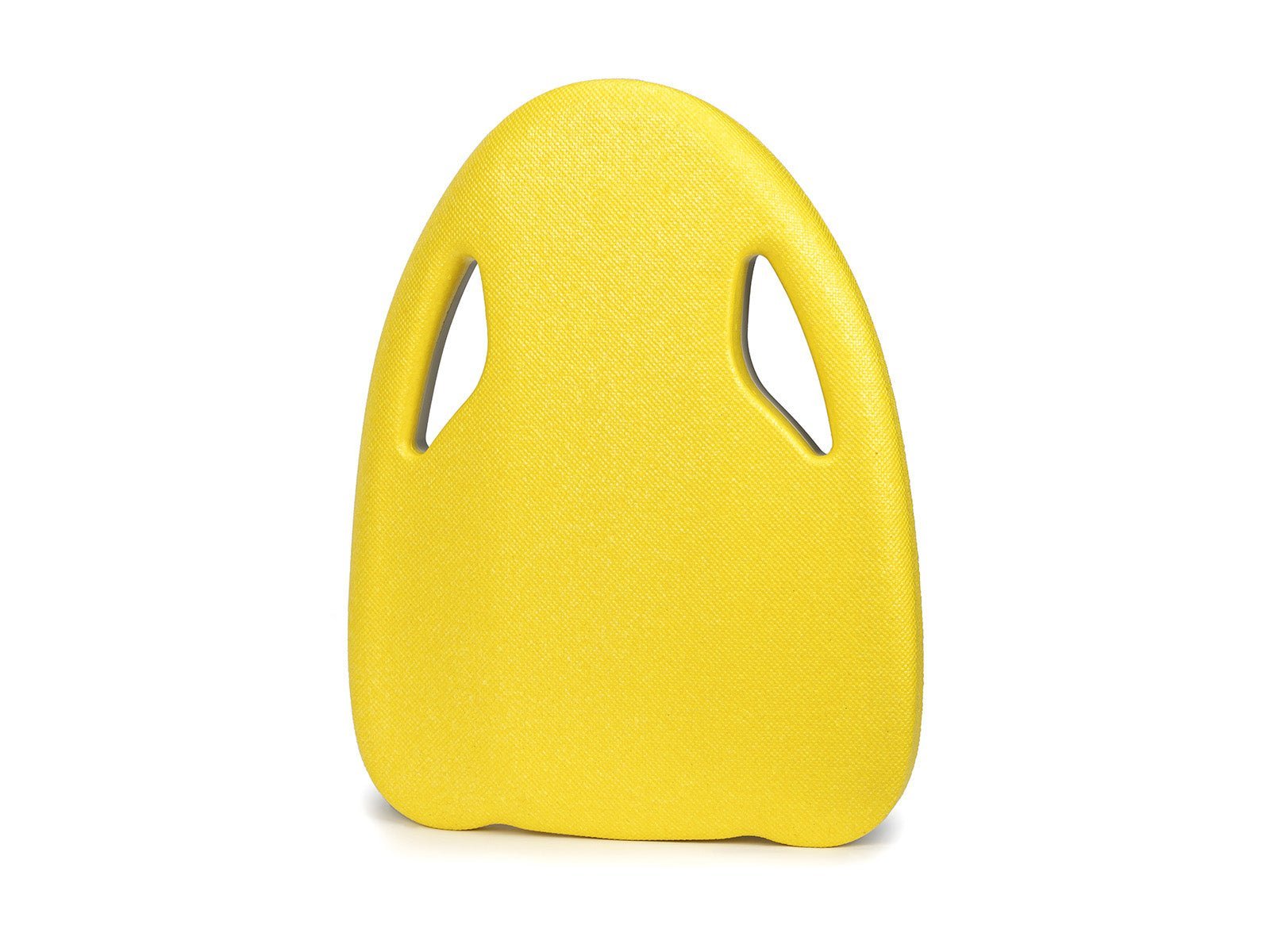
- Surface marker float or tow float
- Reflective tape on float gear in boat areas
Dark swimwear may look sleek in photos, but it is harder to track in open water. A bright float trailing behind you can make a major difference if you drift or tire out.
Snorkeling Hand Signals You Should Know
Most snorkeling trips do not require a full set of scuba hand signals, but a few basic ones are worth knowing.
OK and Not OK
The “OK” sign is usually made by touching thumb and index finger into a circle while the other fingers stay extended. This tells your buddy that you are fine.
A “not OK” signal should be more distinct. Many people use a flat hand rocked side to side. Some point to the area of the problem, such as mask, fin, leg cramp, or snorkel.
This matters because help is not the only message you may need to send. Sometimes the real issue is discomfort, cramp, leaking mask, fatigue, or a broken strap.
Help, Tired, and Return to Shore
These signals are practical because many snorkeling problems build gradually rather than turning into an instant emergency.
A few useful meanings to agree on:
- Help: arm raised and waved overhead
- Tired: hand patting chest or a pre-agreed gesture
- Return to shore or boat: point to direction, then signal moving back
Tired is a useful signal because many snorkelers wait too long to say they are struggling. By the time they ask for help, they may already be swallowing water or losing control.
Signals to Agree on Before You Enter
Before getting in, take 30 seconds to agree on what your signals mean. This is especially useful with kids, beginners, and mixed-skill groups.
Cover these points:
- What signal means “I’m okay”
- What signal means “I need help”
- What signal means “Let’s go back”
- Who stays closest to whom
- What to do if you get separated
That short conversation prevents confusion later, especially if one person has snorkeling experience and the other does not.
What to Do After You Signal for Help
Signaling is only the first step. What you do next affects how quickly you can be reached and how stable you remain.
Conserve Energy and Float
Once you signal, stop wasting energy on unnecessary movement. Your priority is buoyancy and calm breathing.
If you have a snorkel vest, inflate it. If you have a float, hold it. If you are in calm water, lie back slightly or use a gentle survival float position while keeping your signal visible when needed.
Panic burns energy fast. A tired snorkeler who keeps kicking hard against current can get exhausted in under a few minutes.
Keep Your Mask and Snorkel in Place
If your gear is still working, keep it on. Your mask helps you see, and your snorkel can help you keep your face position controlled between waves.
Only remove gear if it is actively causing the problem, such as a flooded snorkel you cannot clear or a mask strap failure that affects breathing or vision.
Losing gear in the water creates a second problem. Now you are dealing with both distress and disorientation.
Move Only if It Is Safer
Do not assume swimming harder is the right answer. Sometimes the safest move is to stay visible and wait. Other times you may need to angle slowly toward a float, boat, reef opening, or calmer water.
Move only when one of these is true:
- You are drifting toward danger
- A safer nearby target is clearly reachable
- The person helping you has directed you to move
If current is strong, swim across it at an angle only if that takes you toward safety. Swimming straight against current often fails and increases fatigue.
When Snorkeling Signals Fail
Sometimes the problem is not your signal. The problem is that water conditions make it hard for others to notice you.
Waves, Distance, and Poor Visibility
Even a correct distress signal can be missed in surface chop, swell, glare, rain, or crowded water.
A head and one arm above the surface are small visual targets. At 50 to 100 yards, a snorkeler can be surprisingly hard to identify, especially if the observer is not actively scanning.
That is why buddy systems and bright surface gear matter so much. They reduce the chance that your first signal goes unseen.
Why Voice Alone Often Does Not Work
Many beginners assume they can just yell for help. In real water conditions, that often fails.
Your voice loses power because of:
- Wind noise
- Breaking waves
- Snorkel and mask interference
- Water in the mouth
- Heavy breathing after exertion
At close range, shouting may help. At medium range, it becomes unreliable fast. A whistle is far more effective.
When to Use a Float or Safety Buoy
A tow float or safety buoy is useful in boat traffic areas, open-water snorkeling, lower-visibility conditions, or whenever the group may spread out.
It helps by giving you:
- Extra visibility
- Something to rest on
- A fixed point others can spot faster than a head in the water
It is especially helpful for beginners, children, and casual vacation snorkelers who may not be used to current, swell, or long surface swims.
How to Avoid a Snorkeling Emergency
The best distress signal is the one you never need to use. Most snorkeling problems start before the swimmer ever enters the water.
Snorkel With a Buddy
Solo snorkeling increases risk. A buddy gives you immediate visual backup, faster assistance, and another person who can spot fatigue before it turns into trouble.
A good buddy system means staying close enough to help, not entering the water together and drifting apart for 20 minutes.
For many recreational snorkelers, close enough means within easy visual contact and usually within a short swim, not 40 or 50 yards away.
Check Current and Entry Conditions
A beach that looks calm from shore can still have surge, longshore current, difficult rock entry, or boat traffic.
Before you enter, check:
- Wind strength
- Surface chop
- Current direction
- Entry and exit points
- Reef or rock hazards
- Boat activity
- Distance from shore
Many distress situations happen because the snorkeler underestimated the swim back, not because of one dramatic event.
Carry Simple Safety Gear
You do not need a heavy gear setup, but a few basic items can make snorkeling much safer.
These are the most useful additions for many snorkelers:
- Whistle
- Bright snorkel vest
- Tow float or safety buoy
- Fins that fit well
- Anti-fogged mask with good seal
- Sun protection that does not limit movement
A snorkel vest is especially helpful for beginners, weaker swimmers, and anyone snorkeling in current or chop. It adds rest capacity without making you rely on constant kicking.
Conclusion
To signal for help while snorkeling, stay at the surface, raise one arm, and wave clearly so your buddy, boat crew, or people on shore can recognize that you need assistance. If you have a whistle, use it. If you have a float or bright vest, make that part of your signal too.
The real key is clarity. A good signal is high, visible, and easy to interpret. Pair that with calm floating, pre-agreed buddy signals, and basic safety gear, and you give yourself a much better chance of being seen quickly if something goes wrong.
FAQs
What is the universal distress signal while snorkeling?
The most recognized distress signal is raising one arm straight up and waving it side to side while staying on the surface. It is simple, visible, and easier to spot than low splashing.
Can you yell for help while snorkeling?
You can, but it often does not work well. Wind, waves, distance, and a wet snorkel setup make your voice hard to hear. A whistle is much more effective.
Should I remove my snorkel mask if I need help?
Usually no. Keep your mask and snorkel in place if they are still functioning. They help you stay oriented and breathe more calmly between waves.
Is a whistle worth carrying for snorkeling?
Yes. A small whistle is one of the best safety items you can carry. It is light, cheap, and much easier for others to hear than your voice.
What safety gear makes a snorkeler easier to rescue?
The most useful items are a bright snorkel vest, tow float, whistle, and other high-visibility gear. These make you easier to spot and give you something to rest on if you get tired.


Leave a comment