






Snorkeling looks simple until you put your face in the water and realize your breathing feels different. Many beginners struggle with short, uneven breaths or sudden discomfort, even in calm conditions. The good news is that snorkel breathing is a skill you can learn quickly once you understand what’s happening and how to control it.
This guide breaks down How To Breathe When Snorkeling in a clear, practical way. You’ll learn the right breathing technique, how to practice it, what to do when water gets into your snorkel, and how to avoid common mistakes that make breathing feel harder than it should.
Why Proper Breathing Matters When Snorkeling
Breathing is not just a basic function while snorkeling—it directly affects how comfortable and safe your experience feels. If your breathing is uneven or rushed, everything else becomes harder, from floating to staying calm in the water. Getting this right early makes snorkeling much easier to enjoy.
It Helps You Stay Calm in the Water
A steady breathing rhythm keeps your body relaxed. When your breathing speeds up, your heart rate follows, and that’s when tension or panic can start to build. If you keep your breaths slow and controlled, you’ll notice your body naturally settles into a more comfortable position in the water.
It Prevents Fatigue and Overexertion
Poor snorkel breathing often leads to unnecessary effort. Short, shallow breaths make you feel like you’re not getting enough air, which can cause you to kick harder or move more than needed. With proper breathing, you can float more efficiently and conserve energy.
It Reduces the Risk of Breathing Issues
Incorrect breathing patterns can cause dizziness or the feeling that you can’t get enough air. These sensations are usually not caused by lack of oxygen, but by how you’re breathing. Learning the correct rhythm helps prevent these issues before they start.
The Right Way to Breathe When Snorkeling
Once you understand why breathing matters, the next step is learning the correct technique. The goal is not to breathe harder, but to breathe more steadily and naturally through the snorkel.
Breathe Slowly Through Your Mouth
Snorkeling requires mouth breathing because your nose is sealed by the mask. Take slow, controlled breaths instead of quick inhales. You should feel like you’re breathing calmly at rest, not like you’re trying to catch your breath.
Keep a Steady Breathing Rhythm
A simple rhythm works best: inhale slowly, then exhale fully without forcing it. Try to keep each breath consistent in length. This steady pattern is the foundation of comfortable snorkel breathing.
Stay Relaxed While Breathing
Your body position affects your breathing more than most people expect. If you’re tense or lifting your head frequently, your breathing becomes uneven. Keep your face in the water and let your body float naturally.
How Beginners Can Practice Snorkel Breathing
Even with the right technique, it can feel unfamiliar at first. Practicing in a controlled setting helps you build confidence before moving into deeper water.
Practice Before Entering Open Water
Start in a pool or shallow area. Put your face in the water and focus only on breathing through the snorkel. This removes distractions and lets you get used to the sensation.
Start in Shallow, Calm Conditions
Choose calm water where you can stand if needed. Knowing you can easily lift your head reduces anxiety and makes it easier to focus on your breathing.
Build a Natural Breathing Rhythm
Give yourself a few minutes to settle into a rhythm. At first, your breathing may feel uneven, but it will smooth out as your body adjusts. This step is key to mastering How To Breathe When Snorkeling without stress.
How to Breathe After Water Enters the Snorkel
Water entering the snorkel is normal, but it can interrupt your breathing if you’re not prepared. The key is to handle it calmly and reset your breathing quickly.
Stay Calm Before Your Next Breath
If water enters the snorkel, avoid inhaling immediately. Pause for a moment and stay relaxed. Panic is what usually causes choking or coughing.
Clear the Snorkel With a Strong Exhale
Use a forceful exhale to push the water out of the snorkel. This is often called the “blast clear.” Once the tube is clear, you can resume normal breathing.
Reset Your Breathing Rhythm
After clearing, take one slow breath and return to your normal rhythm. Don’t rush back into fast breathing—this is where many beginners lose control of their snorkel breathing.
Why Breathing Feels Hard While Snorkeling
If breathing still feels difficult, the issue is usually not the snorkel itself but how your body is reacting in the water. Understanding the cause helps you fix it quickly.
Fast or Shallow Breathing
Quick, shallow breaths reduce airflow efficiency and can make you feel like you’re not getting enough air. Slowing down your breathing almost always improves this.
Tension and Panic
Even mild anxiety can disrupt your breathing pattern. You may not notice it right away, but tight muscles and irregular breaths are common signs.
Waves and Poor Positioning
Choppy water or lifting your head too often can break your breathing rhythm. Keeping your body flat and stable in the water helps maintain consistent airflow.

Snorkel Gear That Affects Breathing
Sometimes the problem isn’t technique—it’s the gear you’re using. Small differences in equipment can noticeably change how easy it is to breathe.
Snorkel Type and Airflow
Different snorkels have different airflow resistance. A narrow or longer tube can feel slightly harder to breathe through, especially for beginners.
Mask Fit and Nose Control
A well-fitted mask prevents water leaks and keeps your nose sealed. If the mask doesn’t fit properly, you may instinctively try to breathe through your nose, which disrupts your breathing.
Design Factors That Affect Air Quality
Snorkel design can influence how fresh your air feels. Poor airflow or improper use can make breathing feel stale or uncomfortable, especially during longer sessions.
How an Underwater Scooter Can Make Snorkel Breathing Easier
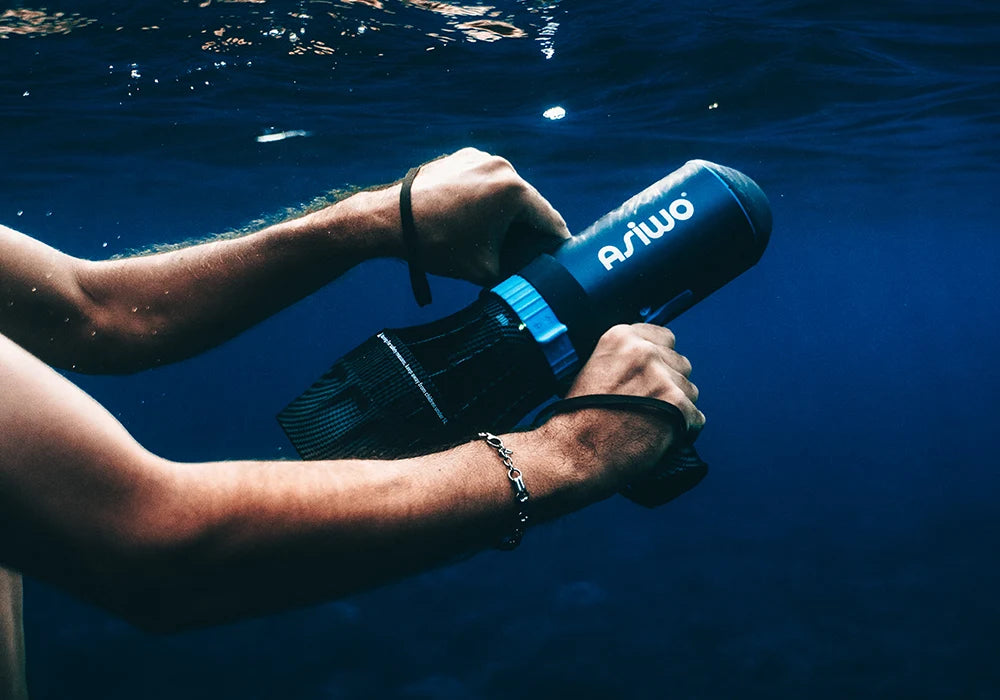
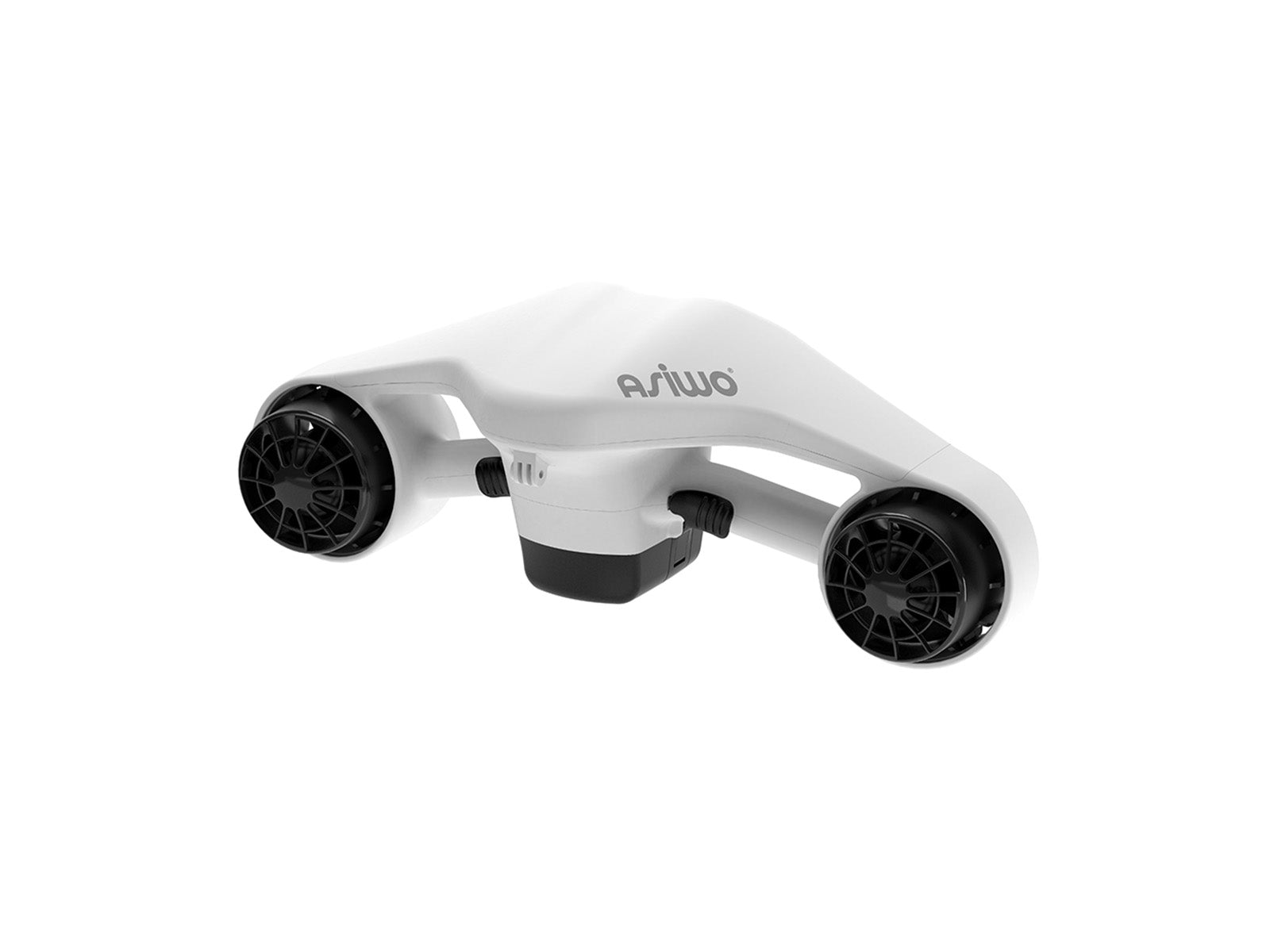
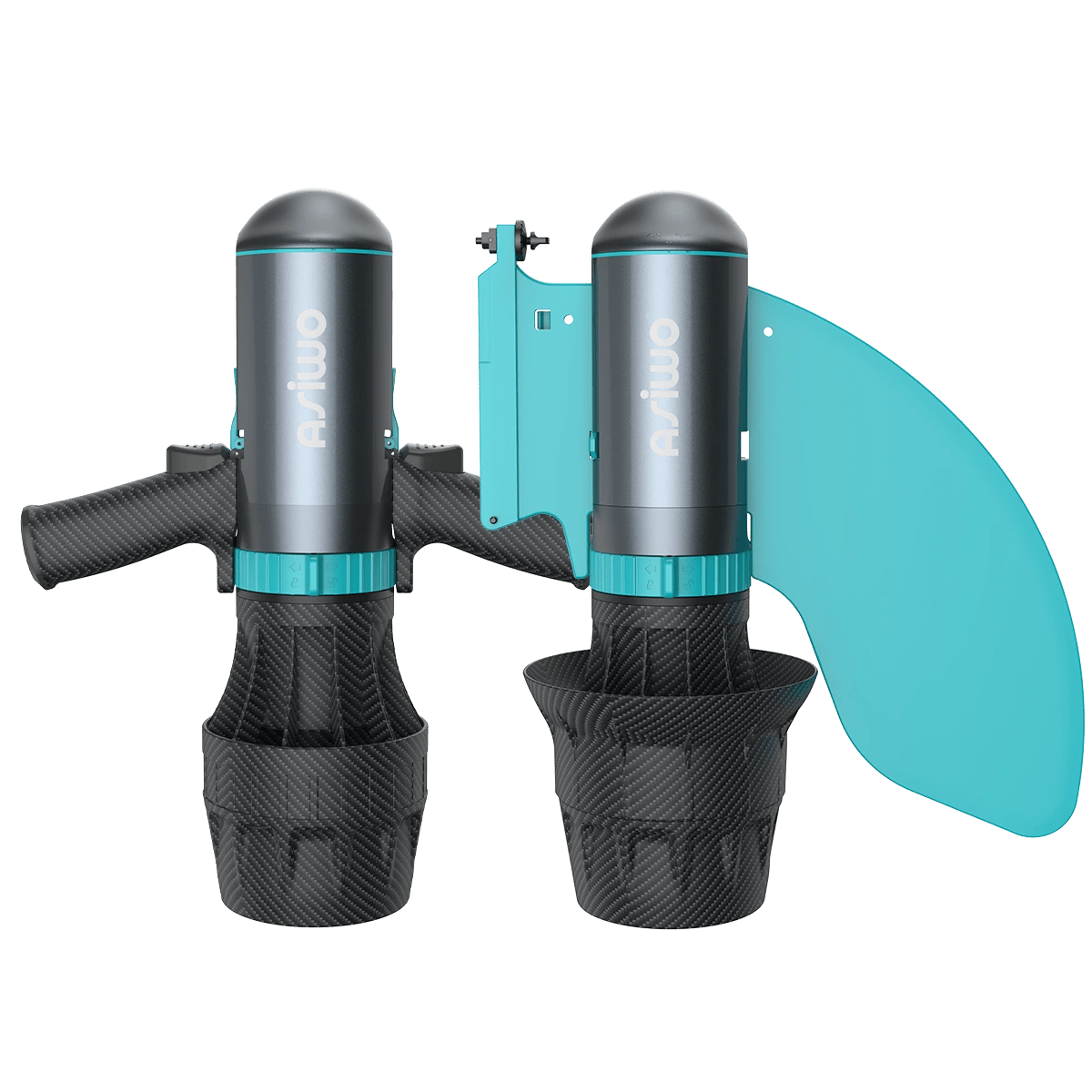
Maintaining steady snorkel breathing becomes harder when you rely on constant kicking. As your effort increases, your breathing speeds up, which often leads to short, uneven breaths and quicker fatigue. An underwater scooter like the ASIWO Manta reduces the need for continuous movement by providing consistent forward propulsion, allowing you to stay in a stable, horizontal position with less physical strain.
With less effort required, it’s easier to keep a slow, controlled breathing rhythm through the snorkel. This is especially useful for beginners who tend to overexert or lose their breathing pattern in waves or currents. By lowering exertion and improving body stability, the Manta helps you maintain smoother, more efficient snorkel breathing throughout your session.

ASIWO Manta is a lightweight underwater scooter for surface snorkeling and shallow-water exploring. With three speed modes, it helps you glide smoothly, reduce fatigue, and keep a steady face-down position for easier breathing.
How to Avoid Unsafe Breathing Habits
Good breathing technique is not just about comfort—it also helps you avoid unnecessary risks in the water. Small habits can make a big difference over time.
Avoid Rapid, Shallow Breaths
Fast breathing can lead to dizziness or discomfort. Focus on slow, even breaths instead of trying to take in more air quickly.
Do Not Overexert Yourself
If you’re swimming too hard, your breathing will become uneven. Slow down and let your breathing guide your pace.
Watch for Signs of CO₂ Buildup
If you feel lightheaded, unusually tired, or like you’re not getting enough air, stop and rest. These can be signs that your breathing pattern needs adjustment.
A Simple Snorkeling Breathing Routine
To bring everything together, it helps to follow a simple routine each time you enter the water. This keeps your breathing consistent and predictable.
Float and Relax First
Before moving, take a moment to float and settle your breathing. Let your body adjust to the water.
Follow a Slow Breathing Pattern
Use a steady inhale and exhale rhythm. Keep it consistent and avoid sudden changes in pace.
Pause and Reset When Needed
If something feels off, stop and reset your breathing. A short pause is often enough to get back on track.
Conclusion
Learning How To Breathe When Snorkeling is less about effort and more about control. Slow, steady breathing, combined with a relaxed body position, makes the biggest difference. Most problems beginners face come from rushing, tension, or unfamiliarity—not from the snorkel itself.
Start in calm water, practice your breathing rhythm, and give yourself time to adjust. Once your breathing feels natural, snorkeling becomes far more comfortable and enjoyable.
FAQs
Is it hard to breathe when snorkeling?
It can feel unusual at first because you’re breathing through a tube instead of open air. Most beginners find that once they slow their breathing and relax, it becomes natural within a few minutes.
Should you breathe through your nose or mouth when snorkeling?
You should breathe through your mouth. Your nose is covered by the mask, and trying to breathe through it can cause discomfort or water leakage.
Why do I feel like I can’t breathe while snorkeling?
This usually happens beacuse of fast or shallow breathing, tension, or overexertion. Slowing down your breathing and relaxing your body often solves the problem quickly.
What should I do if water gets into my snorkel?
Stay calm and exhale forcefully to clear the water from the tube. Once it’s clear, take a slow breath and return to a steady breathing rhythm.
How can I improve my snorkel breathing as a beginner?
Start in shallow, calm water and focus on slow, steady breaths. Practice keeping a consistent rhythm and avoid rushing your breathing. With a bit of practice, snorkel breathing will feel much more natural.


Leave a comment