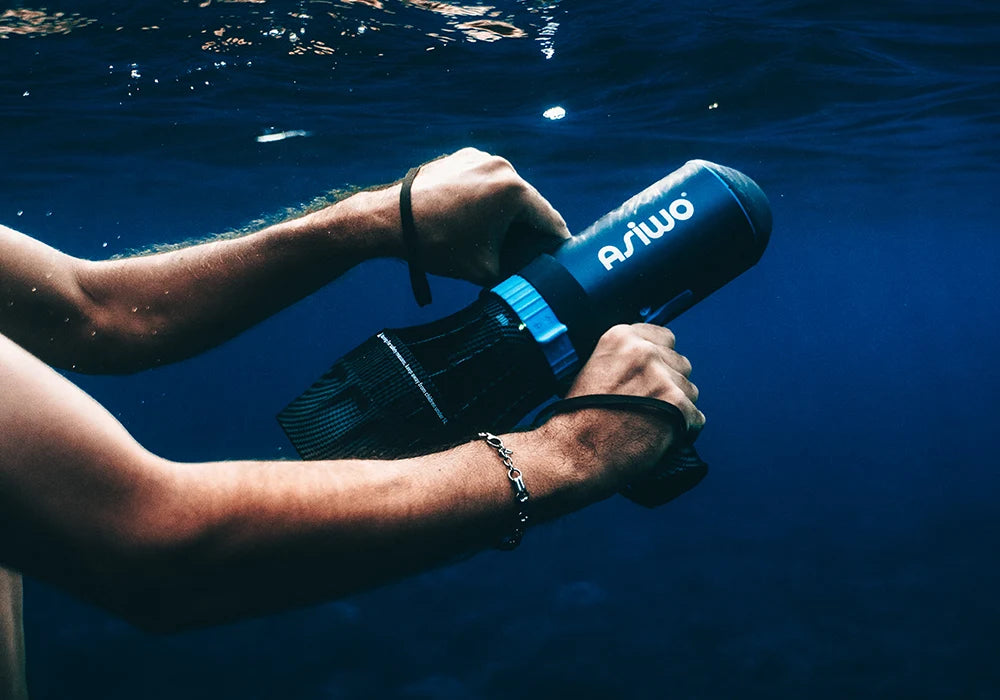







Underwater scooters are designed to operate in water, but that doesn’t mean the battery can tolerate leaks. If water reaches the battery compartment, it can quickly lead to corrosion, electrical damage, or even complete failure of the scooter. That’s why knowing how to waterproof an underwater scooter battery is an important part of basic maintenance. In most cases, the goal is not to seal the battery cells themselves, but to protect the compartment and sealing system that keeps water out. This guide explains how to waterproof an underwater scooter battery, maintain the compartment properly, and follow simple steps that help keep your underwater scooter battery dry every time you ride.
What Actually Keeps A Scooter Battery Waterproof
Most underwater scooters rely on a combination of mechanical seals, tight closures, and careful alignment to prevent water from entering the battery compartment.
Once you understand these parts, it becomes much easier to keep an underwater scooter battery dry during regular use and maintenance.
Battery Pack Vs Battery Compartment
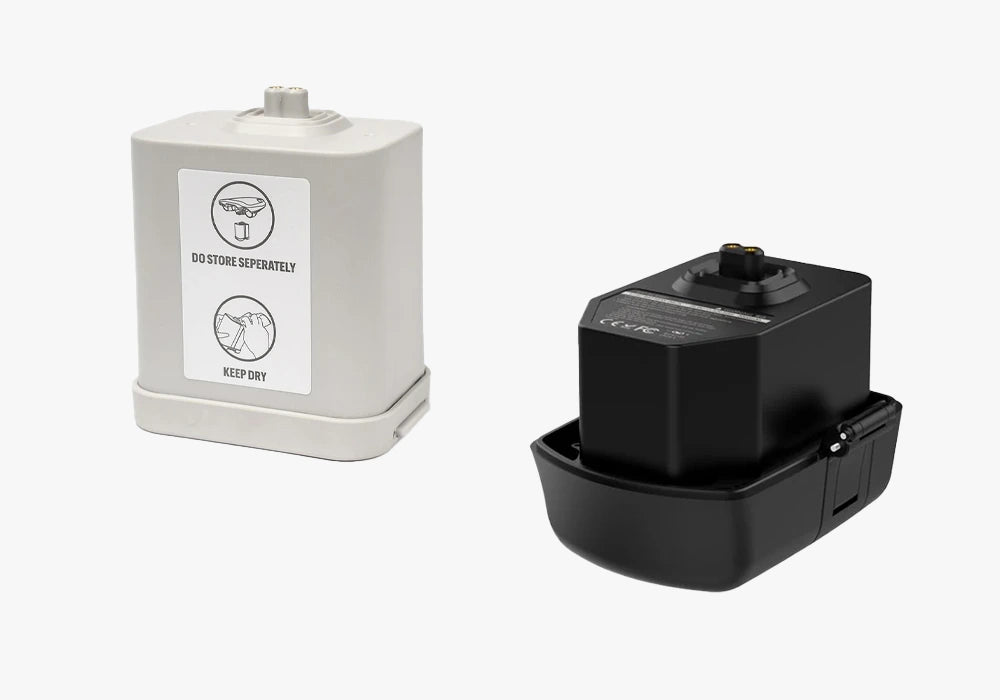
Many underwater scooters use a removable battery pack that sits inside a sealed compartment. The battery itself may have some protective housing, but the main waterproof barrier usually comes from the outer compartment.
This means the battery and the compartment work together. If the compartment seal fails, even a well-protected battery can still be exposed to moisture.
O-Rings, Gaskets, And Latches
Most underwater scooters rely on an O-ring or rubber gasket to create a watertight seal. When the battery door closes, the seal compresses slightly and blocks water from entering the compartment.
The latch system also plays an important role. If the latch does not apply enough pressure or the cover is misaligned, the seal may not compress properly and small gaps can form.
Why Tiny Debris Causes Big Leaks
Waterproof seals are precise. Even a tiny particle can break the seal.
Hair, sand, salt crystals, or small fibers can sit inside the seal groove and create a tiny opening. Once the scooter goes underwater, pressure can push water through that gap. In some cases, a single grain of sand trapped in the seal channel is enough to cause a leak.
How To Waterproof The Battery The Right Way
To waterproof an underwater scooter battery reliably, you need a consistent routine before and after use. These steps help keep the sealing system working properly and prevent the most common causes of leaks.
Inspect The Seal Before Every Use
Start by checking the O-ring or gasket carefully.
Look for these signs:
- cracks or cuts
- flattened areas
- stretching or deformation
- dirt or debris stuck in the groove
You should also inspect the sealing surface on the battery cover. If the seal looks worn or damaged, replacing it is safer than trying to restore it with grease.
Clean And Dry Every Sealing Surface
Before closing the battery compartment, wipe the seal and surrounding surfaces with a clean lint-free cloth.
Make sure the groove and the edge of the compartment are completely clean. Moisture should also be removed before closing the battery door.
If possible, open and close the battery compartment in a dry area rather than directly on the beach or near splashing water.
Use Silicone Grease The Right Way
Silicone grease helps the seal stay flexible and allows it to seat smoothly when the cover closes.
Use only a very thin layer. A light coating is enough to reduce friction and help the seal compress evenly.
Too much grease can attract dust or sand, which may damage the seal instead of protecting it. Grease should never be used to repair a torn or heavily worn seal.
Close The Battery Compartment Carefully
After cleaning the seal, place the battery and cover back into position.
Follow these steps:
- Align the battery and compartment cover correctly
- Press the cover down evenly
- Secure the latch until it fully locks
If the cover feels uneven or difficult to close, stop and check the seal again. Forcing the cover shut can pinch the gasket and break the waterproof barrier.
Test Before Deep Or Long Sessions
Any time you clean the seal, transport the scooter, or replace sealing parts, it’s a good idea to test the system first.
Start with a short, shallow-water session. After a few minutes, open the battery compartment and check for moisture. This quick check helps confirm that you successfully sealed the underwater scooter battery before longer dives.
Mistakes That Cause Battery Leaks
Many battery leaks are caused by simple mistakes during maintenance or battery changes. Understanding these issues helps you avoid problems that could allow water to reach the battery compartment.
Opening The Scooter In A Wet Or Sandy Spot
Changing the battery near water or sand often leads to sealing problems later.
Wet hands, splashing water, and airborne sand can easily reach the seal groove. Once trapped inside the compartment seal, these particles may break the waterproof barrier the next time the scooter is submerged.
Using The Wrong Grease Or Sealant
Not all lubricants are safe for rubber seals.
Products like petroleum grease, household oils, or random sealants can damage O-rings or cause them to swell. Some products also trap dirt and debris, which increases the chance of leaks over time.
Silicone grease designed for waterproof seals is the safest choice.
Ignoring A Loose Cover Or Tired Latch
Sometimes the problem is not the O-ring at all.
If the battery cover becomes warped or the latch loses tension, the seal may not compress evenly. Even a perfect gasket cannot prevent leaks if the compartment door does not close tightly.
Treating Corrosion As A Minor Issue
White residue, green corrosion, rust marks, or repeated moisture inside the battery compartment are warning signs.
These problems usually indicate that water has already entered the battery area. Continuing to use the scooter without finding the cause can lead to more serious damage.

What To Do If Water Gets Into The Battery Area
If you notice water or moisture near the battery compartment, treat the situation carefully. At this point the issue moves beyond routine maintenance and becomes a safety concern.
Taking the right steps quickly can help prevent further damage.
Stop Using It Immediately
Do not turn the scooter on again and avoid charging the battery right away.
Water intrusion can cause electrical damage or short circuits. Continuing to operate the scooter before inspecting the battery area may worsen the problem.
Dry The Compartment, Not The Battery Internals
If the manual allows it, remove the battery pack from the compartment.
Dry the visible compartment surfaces carefully using a clean cloth. Let the area air-dry completely before reinstalling the battery.
Avoid opening the battery pack itself unless the manufacturer specifically allows it.
Know When Replacement Is Safer Than Repair
Some signs suggest the battery or compartment should not be used again without professional inspection.
Watch for:
- battery swelling
- unusual heat
- burnt smell
- corrosion on battery terminals
- repeated water leaks
- damaged casing or latch system
When these signs appear, the safest solution is to contact the manufacturer or replace the affected parts.
How To Keep The Waterproof Seal Reliable Over Time
Waterproofing is not a one-time task. Regular care helps the sealing system continue working after many rides.
With proper habits, you can keep an underwater scooter battery dry for a long time.
Rinse After Saltwater Use
After riding in the ocean, rinse the exterior of the scooter with fresh water.
Salt residue can remain in seams and around seals. Over time, salt crystals may damage rubber components or affect metal contacts.
Store The Battery And Scooter Properly
Store the scooter and battery in a cool, dry location.
Avoid leaving the equipment in direct sunlight, very humid environments, or extremely hot spaces. These conditions can weaken seals and shorten the lifespan of rubber components.
Replace Seals On A Schedule
O-rings and gaskets naturally wear out over time.
Check the manufacturer’s maintenance recommendations and replace sealing parts when necessary. Frequent riders may need to change seals earlier, especially if the scooter is used often in saltwater.
Preventive replacement is usually easier than dealing with a leaking compartment.
When You Should Not DIY Battery Waterproofing
Routine maintenance can help you waterproof an underwater scooter battery, but some situations go beyond normal DIY care.
Stop attempting home fixes if you notice:
- battery swelling
- cracked battery housing
- damaged battery terminals
- repeated leaks even after replacing seals
- safety notices or recall concerns
In these cases, continued use may be unsafe. Professional inspection or replacement parts are the better solution.
How The ASIWO Manta Protects Its Battery From Water
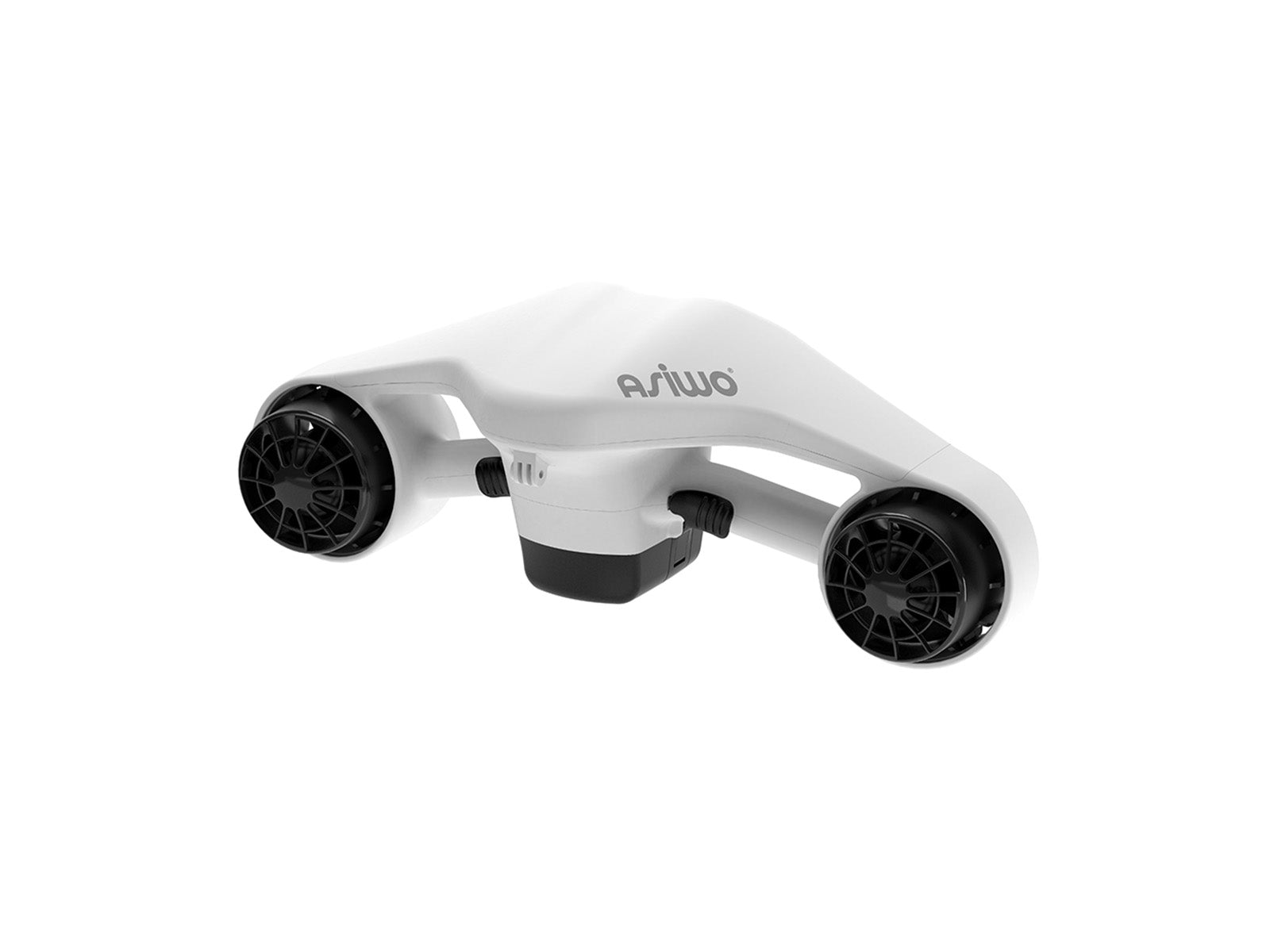
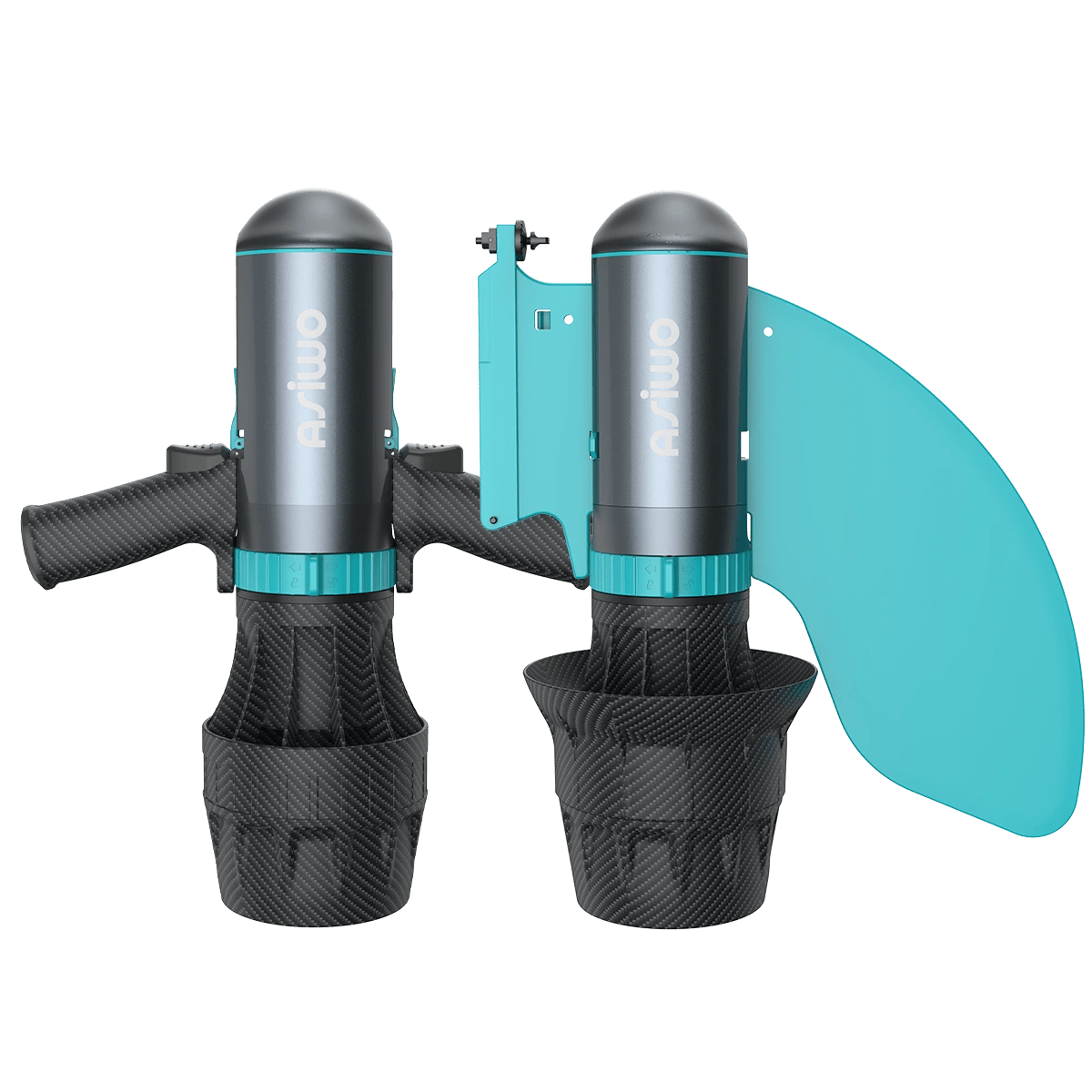
If you want to keep an underwater scooter battery dry, it helps to choose a model designed with reliable sealing and battery protection from the start. The ASIWO Manta underwater scooter is built with this kind of practical design in mind, making battery safety and waterproof sealing easier to manage during regular use.
The Manta uses a removable battery system that sits inside a sealed compartment, which helps protect the power unit from water intrusion during snorkeling or diving. When the battery cover is properly aligned and the seal is clean, the compartment creates a tight barrier that helps seal the underwater scooter battery against water pressure.
For riders, this means the maintenance steps discussed earlier, like inspecting the O-ring, cleaning the sealing surface, and closing the compartment carefully, are simple to follow. The scooter’s compact body and secure battery closure system make it easier to waterproof an underwater scooter battery through proper handling rather than complicated maintenance.
Key features of the ASIWO Manta underwater scooter include:
- Dual-motor propulsion for stable underwater movement
- Multiple speed modes for snorkeling and recreational diving
- A removable lithium battery designed for easy charging and replacement
- Lightweight and travel-friendly construction
- Safety features such as propeller guards and automatic shut-off
Combined with routine seal inspection and careful battery handling, scooters like the Manta make it much easier to keep an underwater scooter battery dry and maintain reliable performance in real underwater conditions.

ASIWO Manta is a lightweight underwater scooter for surface snorkeling and shallow-water exploring. With three speed modes, it helps you glide smoothly, reduce fatigue, and keep a steady face-down position for easier breathing.
Conclusion
Learning how to waterproof an underwater scooter battery mostly comes down to good sealing habits. Keeping the O-ring clean, closing the compartment correctly, and inspecting the latch and seals before each ride can prevent most leaks.
Simple routines, like cleaning the seal, using silicone grease correctly, and replacing worn parts, make a big difference over time. If you ever notice moisture, corrosion, or damage around the battery compartment, stop using the scooter and inspect it carefully.
With proper maintenance, you can keep an underwater scooter battery dry, protect the electrical system, and enjoy safer underwater rides for many seasons.
FAQs
Can you waterproof an underwater scooter battery at home?
You usually cannot waterproof the battery cells themselves at home. What you can do is maintain the battery compartment seal, keep the O-ring clean, and close the compartment correctly to prevent water from entering.
What is the most common cause of water leaks in underwater scooter batteries?
The most common cause is debris on the seal. Sand, hair, salt crystals, or dust inside the O-ring groove can break the waterproof seal and allow water to enter the battery compartment.
Should you use grease on an underwater scooter battery seal?
Yes, but only a small amount of silicone grease designed for waterproof seals. It helps the O-ring stay flexible and seat properly, but too much grease can trap debris and damage the seal.
What should you do if water enters the battery compartment?
Stop using the scooter immediately. Remove the battery if the manual allows it, dry the compartment carefully, and inspect for corrosion or damage before using the scooter again.
How often should underwater scooter battery seals be replaced?
Seal replacement depends on usage, but frequent riders should inspect O-rings regularly and replace them when they show signs of wear, flattening, cracks, or loss of elasticity.


Leave a comment