






Understanding Underwater Sea Scooter Speed Levels
We can generally put underwater scooters into a few speed levels:
Recreational/Entry-Level
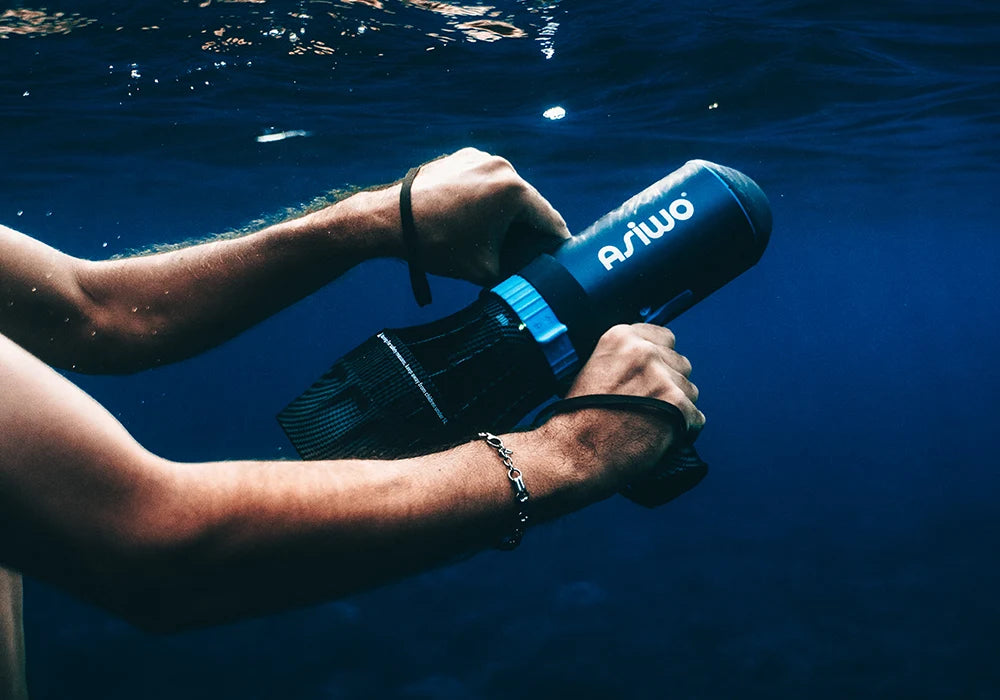
These are the most common types you'll find for fun in pools, snorkeling trips, or easy dives. They're made to be simple to use and help you look around without getting tired. Their speed is usually in the range of 2 to 4 miles per hour (about 3 to 6 km/h). To give you an idea, this is roughly twice as fast as a typical person swims. It's perfect for gliding along, enjoying the view, and covering a bit more area comfortably.
Professional/Mid-Range
If you're a more serious diver who wants to cover longer distances or navigate gentle currents, these scooters offer more power. They typically go between 4 to 6 miles per hour (about 6 to 9 km/h). This speed is great for exploring larger dive sites or keeping up if there's a mild flow in the water.
High-Performance/Commercial
These are the fastest and most powerful underwater scooters available. They're used for more demanding tasks like underwater research, professional filming, or even by rescue teams. These can reach impressive speeds of 8 to 10 mph (about 13 to 16 km/h), and some very specialized models can push past 15 mph (25 km/h)! These are built for speed and efficiency when you need to get somewhere fast underwater.
Related reading: How Deep Can Your Adventure Go? Understanding Underwater Sea Scooter Depth Ratings
What Affects How Fast a Sea Scooter Go?
In real use, your actual speed depends on several interacting factors, including power output, body position, and water conditions. Even with the same scooter, the difference between a relaxed glide and a faster run can be quite noticeable.
Motor Power and Thrust
The motor determines how much thrust the scooter can generate to push you forward through the water. Higher thrust helps maintain speed when you’re carrying more weight, towing gear, or moving through slight currents. Lower-power models are usually tuned for smoother, more controlled movement, which feels easier for beginners but won’t deliver the same acceleration or top-end speed.
Battery Output and Power Delivery
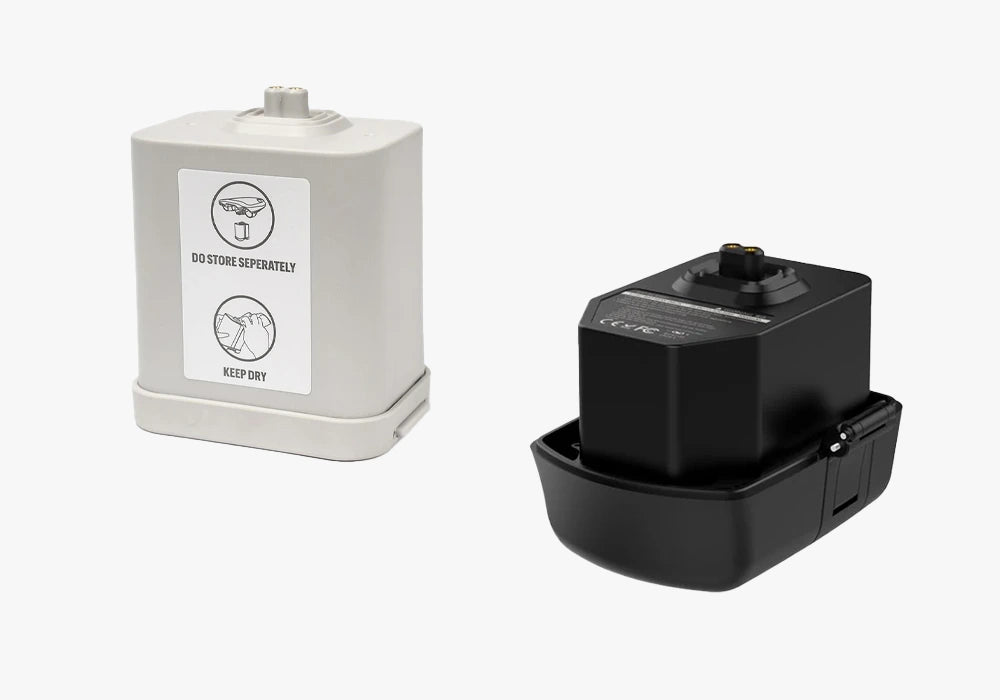
The battery affects how consistently the scooter can deliver power. A stronger battery can support higher output from the motor, especially in higher speed modes. As the battery level drops, some scooters may gradually reduce power to extend runtime, which can make the scooter feel slower toward the end of a session. Higher speeds also drain the battery faster, so there’s always a balance between speed and duration.
Hydrodynamic Design
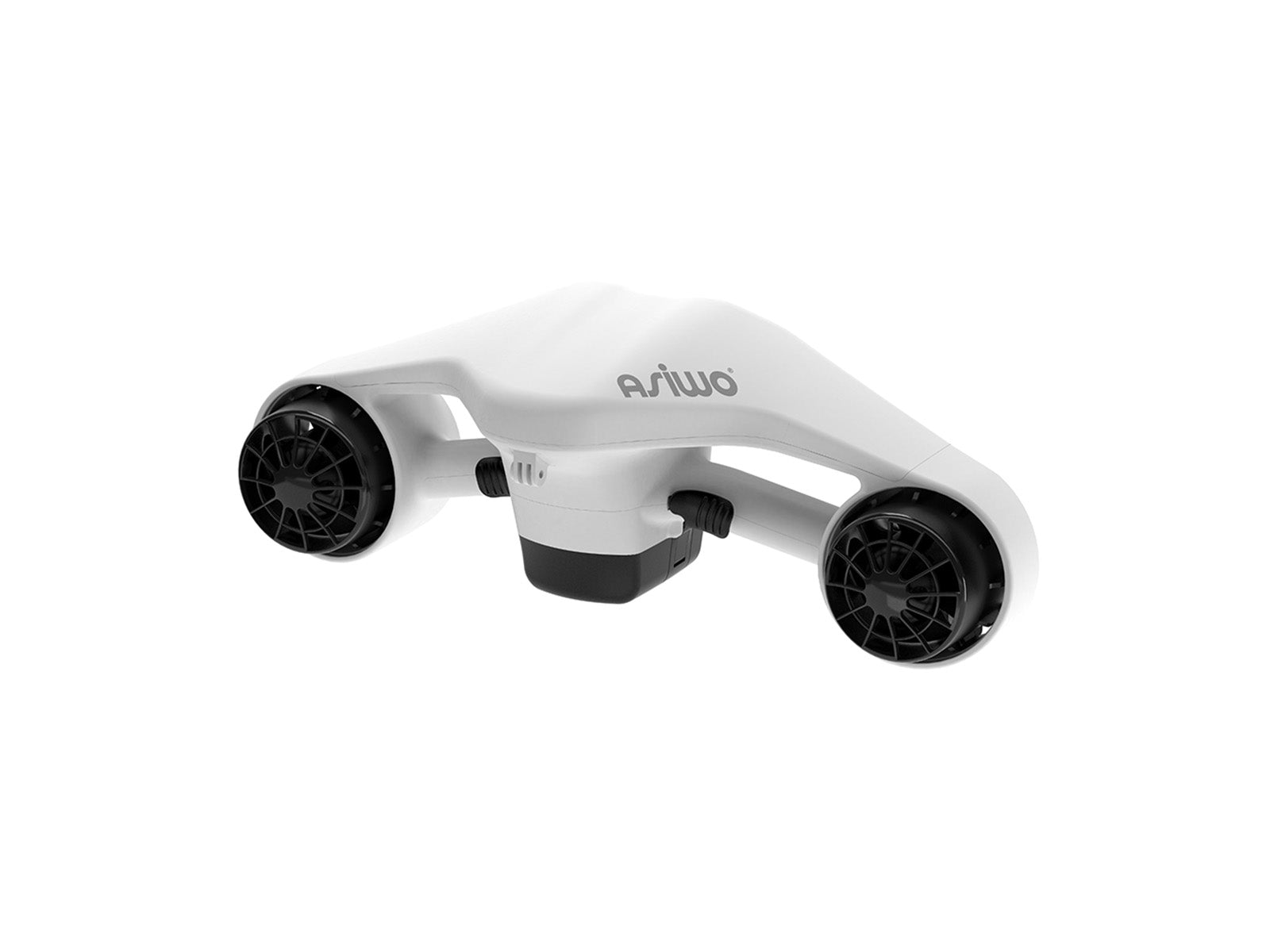
The shape of the scooter plays a big role in how efficiently it moves through water. A more streamlined design reduces drag, allowing the same amount of power to produce more forward motion. Bulkier designs create more resistance, which can limit how fast the scooter feels even if the motor is strong. Small details like propeller guards, body width, and intake design all influence performance.
Your Body Position and Control
How you position yourself in the water has a direct impact on speed. A streamlined posture, arms extended, body aligned, and legs steady, reduces drag and allows the scooter to move more efficiently. If your body is angled or your legs are creating extra resistance, it can noticeably slow you down. Smooth, controlled handling also helps maintain consistent speed instead of losing momentum.
Water Conditions and Environment
External conditions can change how fast you move. Swimming against a current reduces your effective speed, while moving with the current can make the scooter feel significantly faster. Visibility, waves, and water movement can also affect how confidently you ride, which indirectly impacts speed. Water temperature and density have smaller effects, but they can still influence overall performance slightly.

Speed Modes: Choose Your Pace
Many sea scooters offer multiple speed modes, allowing users to switch as needed. This not only adapts to different activity needs but also helps manage battery life. For example:
- Low Speed Mode: Slower speed, suitable for long cruises, observing marine life, or underwater photography, to maximize battery life.
- Middle Speed Mode: Provides moderate speed, balancing movement efficiency and battery consumption, suitable for exploring medium distances.
- High Speed Mode / Turbo Mode: Provides maximum speed, used for fast movement, countering strong currents, or experiencing the thrill of "speeding" underwater, but consumes battery fastest.
FAQs
Q: What is the average speed of a typical underwater scooter for fun or snorkeling?
- Most recreational or entry-level underwater scooters go between 2 to 4 miles per hour (about 3 to 6 km/h). This is a comfortable speed for exploring and is roughly twice as fast as swimming.
Q: Are faster underwater scooters always better?
- Not necessarily for everyone. While faster scooters are great for covering long distances or dealing with currents, they are usually more expensive and drain the battery much faster than slower models. The best speed depends on what you plan to use it for (casual fun vs. serious diving).
Q: Besides the scooter's power, what else affects how fast I can go underwater?
- Several factors matter, including the scooter's design (how streamlined it is), your body position in the water (reducing drag helps!), the battery level, and whether you're going with or against any water currents.
Faster Isn't Always the Best Choice for Everyone
While the idea of zooming through the water at top speed is exciting, the right speed for you depends on what you plan to do. For simple fun and exploring close to the surface, a recreational scooter with a moderate speed is usually perfect and more affordable. If you're a serious diver with specific needs, then investing in a faster, more powerful model might be necessary. Just remember the trade-offs: higher speed often means a shorter battery life and a higher price tag.
Ultimately, underwater sea scooters open up incredible possibilities for exploring the underwater world. Knowing their speed capabilities helps you choose the right tool for your own aquatic adventures!
Featured Articles:
- How Deep Can Your Adventure Go? Understanding Underwater Sea Scooter Depth Ratings
- A Beginner's Guide to Underwater Sea Scooters: Types and Uses
- How Stable Are Underwater Sea Scooters?
- Are Underwater Scooters Safe for Kids?
- Complete Guide to Sea Scooter Maintenance: Maximizing Performance and Longevity


Lascia un commento