






The 120 rule is an imperial-unit shortcut for roughly estimating no-stop time on air: subtract the depth in feet from 120 to get an estimate in minutes. It does not establish the no-decompression limit for your dive or confirm that a dive is safe. Here is what the calculation means, what it leaves out, and what to use when planning a dive.
What Does the 120 Rule Mean?
Technical diving author Richard Walker analyzed this imperial-unit rule in InDEPTH's historical discussion of decompression rules of thumb. It represents a simplified mental relationship rather than a certified personal dive plan. Do not substitute metres for feet or use the calculated result as an allowed bottom time.
Does Meeting the 120 Rule Mean a Dive Is No-Decompression?
No. A no-decompression limit (NDL) is a model-based limit on exposure before mandatory decompression stops become necessary. The shortcut alone cannot establish that limit for your dive. Dive computers track dynamic changes in depth and time, where varying decompression algorithms, breathing gases, and conservatism settings produce noticeably different NDLs, as documented in Divers Alert Network (DAN) research.
Three different planning questions need separate answers:
| Question | What you need to consider |
|---|---|
| Am I within my NDL? | The applicable dive table or correctly configured computer, including relevant previous dives. |
| Do I have enough breathing gas to return and ascend? | Your gas plan and remaining supply, including gas for the return, ascent and applicable stops plus an appropriate contingency reserve. |
| What stops should I plan for? | Follow your training's ascent and stop procedures; see the safety-stop FAQ below. |
An NDL reading does not replace gas planning: allow time and breathing gas for ascent and applicable stops, plus a contingency reserve.
Why a Depth-and-Time Shortcut Is Not Enough
The calculation does not track your full depth profile, earlier dives or breathing gas. Even modern dive computers cannot measure every physiological factor influencing decompression stress, such as workload, physical exertion, thermal conditions, or individual susceptibility. Their algorithmic limits offer vital risk-mitigation guidance rather than an absolute safety guarantee, per standard dive medicine protocols.
Remaining strictly within an NDL reduces but does not eliminate decompression sickness (DCS) risk. Medical experts at DAN advise against treating any displayed no-stop limit as a target to push to the absolute margin.

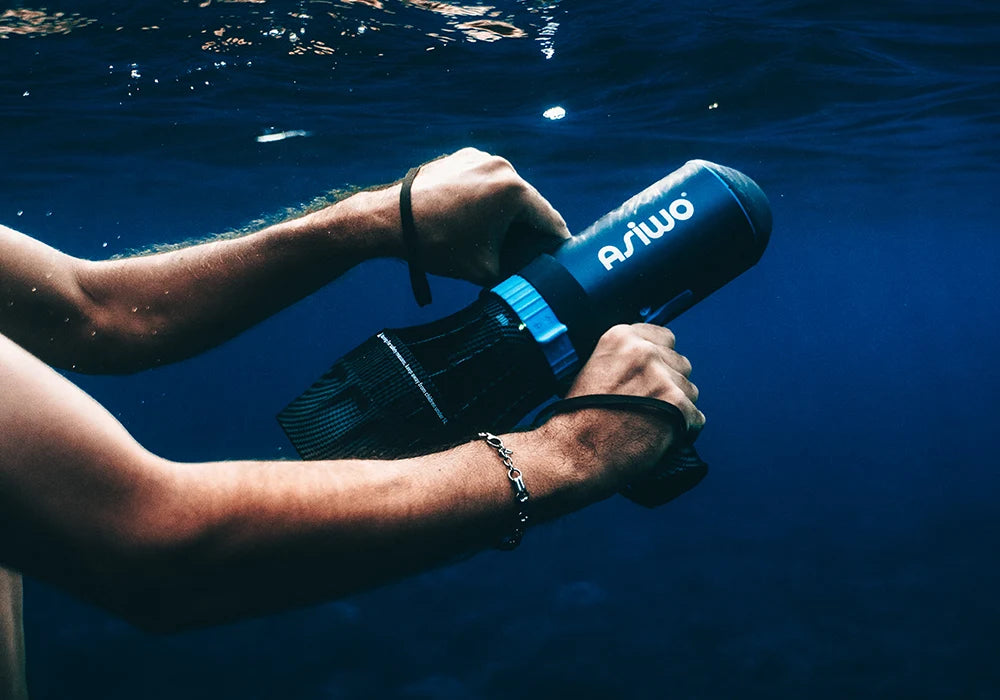
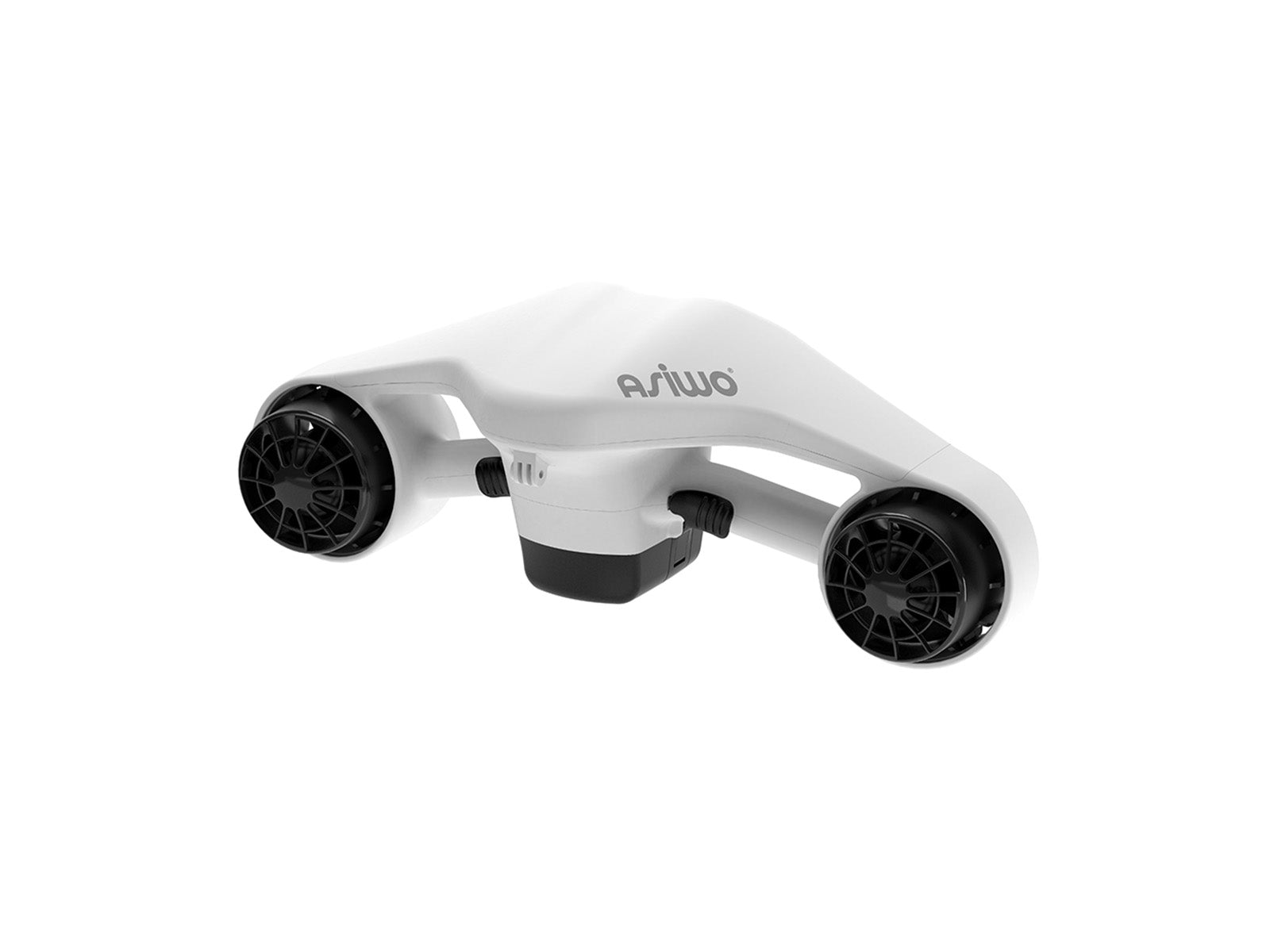
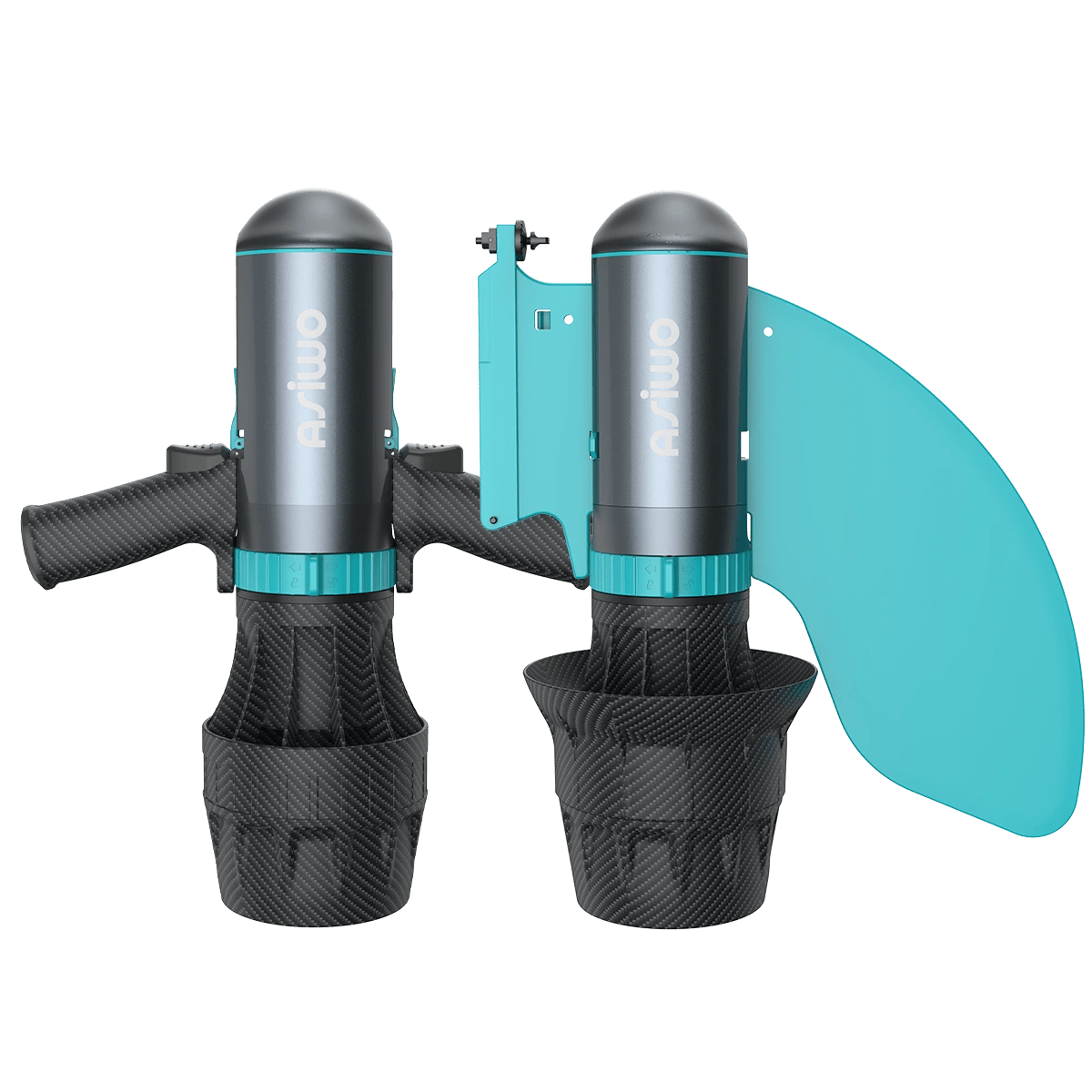
Conserve Air & Energy with ASIWO U1 DPV
Physical workload directly increases your respiratory minute volume and shortens safe bottom time. Many scuba divers integrate a Diver Propulsion Vehicle (DPV) to cut finning fatigue, optimize air consumption, and explore deep reefs with ease.
Explore ASIWO U1 DPV →What Should You Use to Plan the Dive?
Use an applicable dive table or a correctly configured computer according to your training and the manufacturer's instructions. Stay within your training and experience, and review the dive plan and emergency procedures with your buddy before entering the water, in accordance with PADI predive safety guidelines. For surface signaling and boat traffic awareness during ascents, divers should also deploy a surface marker buoy; see our diver down flag and tow line guide.
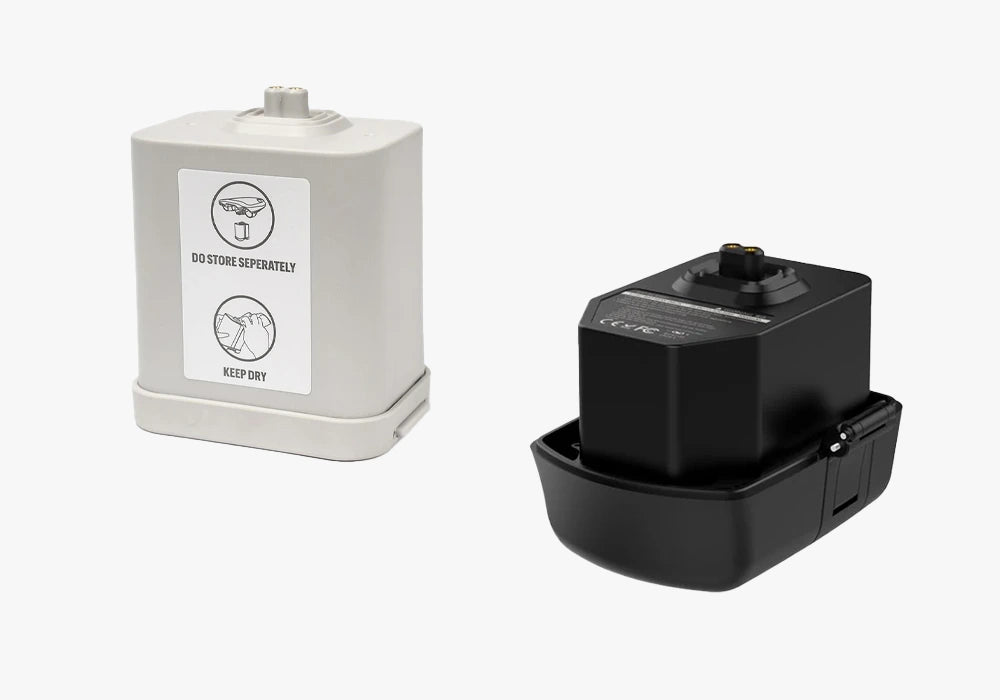
If you rely on a computer across a series of dives, it must account for your cumulative exposure history. A computer that missed an earlier dive cannot reconstruct that exposure merely by being switched on later, creating serious decompression hazards. When planning extended multi-session dives with motorized assistance, also calculate your equipment reserves ahead of time; learn how many scooter batteries you need for a water session.
If the planning method or a computer setting is unfamiliar, resolve it with your instructor before entering the water. This article explains the limitation of a shortcut; it does not supply a dive schedule.
The Takeaway
The 120 rule explains a simple relationship between depth and time. It cannot confirm your NDL, breathing-gas reserve or safety. Use appropriate planning tools and training to answer those questions before and during the dive.
FAQs
Can I use the 120 rule with Nitrox?
No. This air-based shortcut is not a Nitrox planning method. Enriched air changes nitrogen exposure, and dive planning must also account for oxygen-exposure limits. Always analyze your cylinder, verify oxygen percentages, set your computer to the verified mix, and stay strictly within the gas's Maximum Operating Depth (MOD) according to standard Enriched Air Nitrox training procedures.
Does staying within my NDL mean I can skip a safety stop?
No. An NDL concerns mandatory decompression; a safety stop is a separate precaution. Always adhere to your training agency's ascent protocols and complete a precautionary 3-minute safety stop at 5 meters (15 feet), ensuring adequate breathing gas reserves are budgeted for the ascent.
Can the 120 rule replace a failed dive computer?
No. Backup arrangements need suitable instruments, a plan and knowledge of your dive profile—not a shortcut or a buddy's NDL. If you cannot establish your decompression status due to computer failure, end the dive immediately in a controlled ascent with your buddy, conducting appropriate precautionary stops as taught in standard DAN contingency protocols.


Lascia un commento