






With PADI, children can try Bubblemaker from age 8 and start Junior Open Water certification from age 10 in most areas. Trying scuba is different from earning a certification. A birthday alone does not establish that a child is ready for an ocean dive.
These ages apply to scuba programs, not surface swimming, snorkeling or the minimum age for a particular water-sports product.
For families planning a day on the water, the next question is practical: Which dive can my child actually join, and who needs to accompany them? The answer depends on the program, certification, age and dive conditions.
Minimum Age to Try Scuba vs. Get Certified
A try-scuba experience introduces breathing equipment and basic skills under professional supervision. It does not qualify a child to join a certified-diver trip.
For example, SSI Try Scuba starts at 8 in confined water and awards a recognition card. SSI Open Water Diver starts at 10 and includes certification training. Ask the training center for the exact course name, not simply whether it offers “kids' diving.”
PADI and SSI requirements should be checked separately. The table below explains selected PADI programs, not a universal rule for every agency or destination.
PADI Age, Depth and Buddy Rules at a Glance
| Age and program | Depth or setting | Required accompaniment |
|---|---|---|
| 8+: Bubblemaker | Pool or confined water, maximum 2 m / 6 ft | PADI professional supervising the experience |
| 10–11: certified Junior Open Water Diver | Maximum 12 m / 40 ft | PADI professional or certified parent/guardian |
| 12–14: certified Junior Open Water Diver | Maximum 18 m / 60 ft | Certified adult |
| 15+: Open Water Diver | Maximum 18 m / 60 ft, within training and experience | Normal buddy requirements still apply |
The certification rows describe Open Water qualifications, not advanced or specialty training. Other children's programs have their own limits.
Can a 10-Year-Old Join an Ocean Dive?
Potentially, but “old enough to enroll” is not the same as “eligible for this trip.” Before booking, distinguish an instructor-led training dive from a trip for already-certified divers.
For children without certification, PADI Discover Scuba Diving starts at age 10 and may include an optional open water dive with a PADI Instructor, but it does not award a scuba certification.
For a certified PADI Junior Open Water Diver aged 10 or 11, check the depth and buddy requirements in the table. A non-diving parent on the boat does not satisfy an underwater buddy requirement. Nor does another child's certification automatically make them an eligible buddy.
Then ask the operator to assess the actual site against your child's experience. A depth limit is a ceiling, not a target or assurance that a dive is suitable.
Use these questions when contacting the dive center:
- Is this an introductory experience, a certification course or a certified-diver trip?
- Does it accept my child's age and exact certification?
- Who will accompany my child underwater, and does that person meet the applicable buddy or supervision requirement?
- What are the planned depth and conditions, and what alternative is available if the dive is unsuitable?
- Can you provide correctly fitting equipment and assess my child's readiness before we commit?
These are booking checks, not a substitute for the operator's assessment or formal training. Do not use a pool try-scuba experience as proof that a child is qualified for a certified-diver ocean trip.
What Parents Should Check Before Signing Up
Swimming ability and water comfort
Certification includes water skills, not just an age check. PADI requires a continuous 200-metre/yard swim without swimming aids, or 300 metres/yards using mask, fins and snorkel, plus 10 minutes floating or treading water without flotation aids. The instructor evaluates these skills.
If swimming is still a struggle, discuss preparation with the instructor before booking scuba training. Do not treat owning equipment or enjoying a swimming pool as evidence of certification readiness.
Medical forms and parental consent
Complete the program's medical questionnaire accurately and obtain a physician's assessment when required. An online age guide cannot provide medical clearance. SSI also requires a parent or guardian to review and sign training forms for minors.
The child's willingness and the center's requirements
Ask your child whether they want to try scuba, and share any concerns with the instructor. Confirm the center's enrollment requirements, equipment fit and supervision arrangements before paying for a course or trip.
Choosing ASIWO Equipment for Your Child
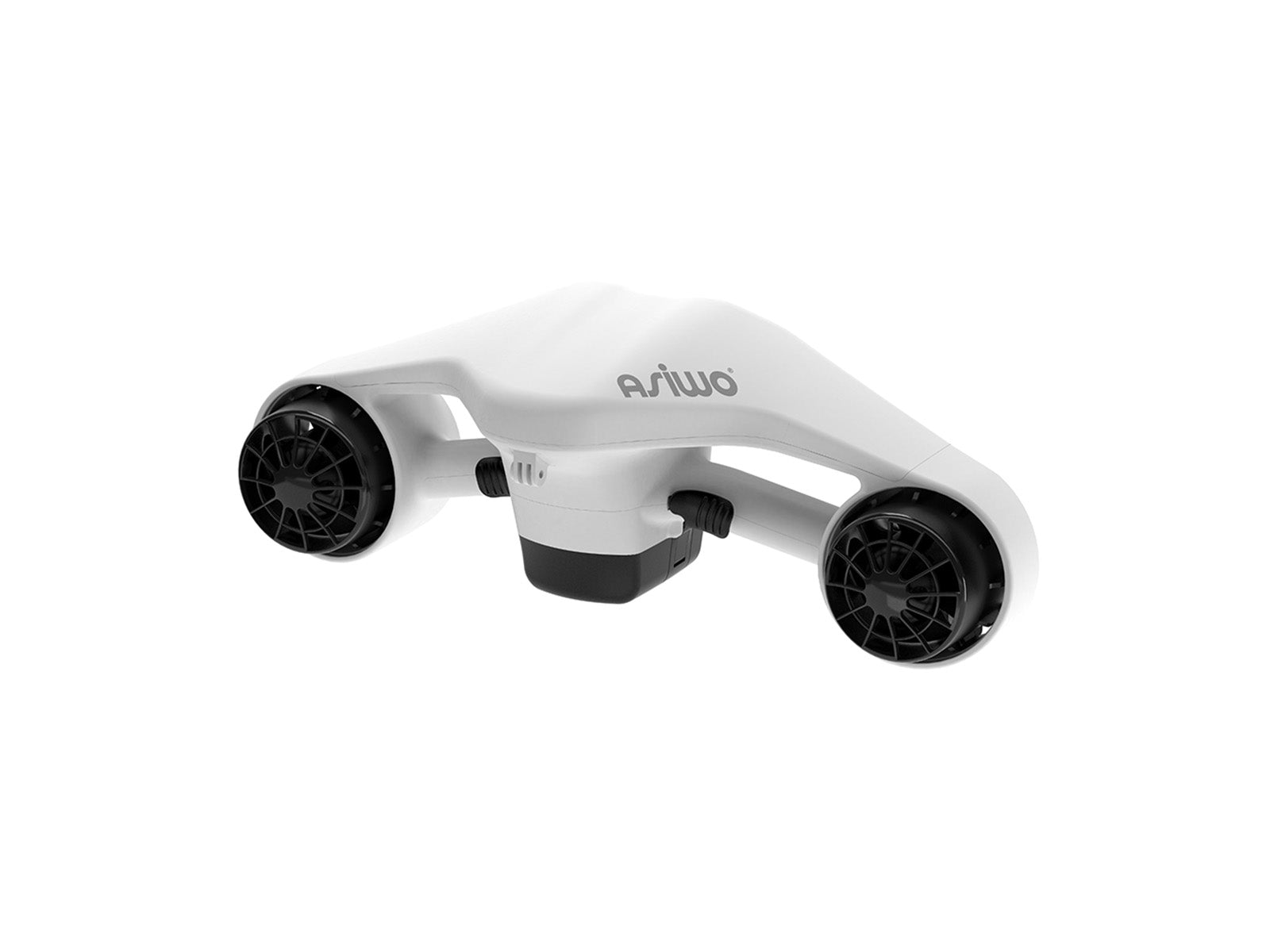
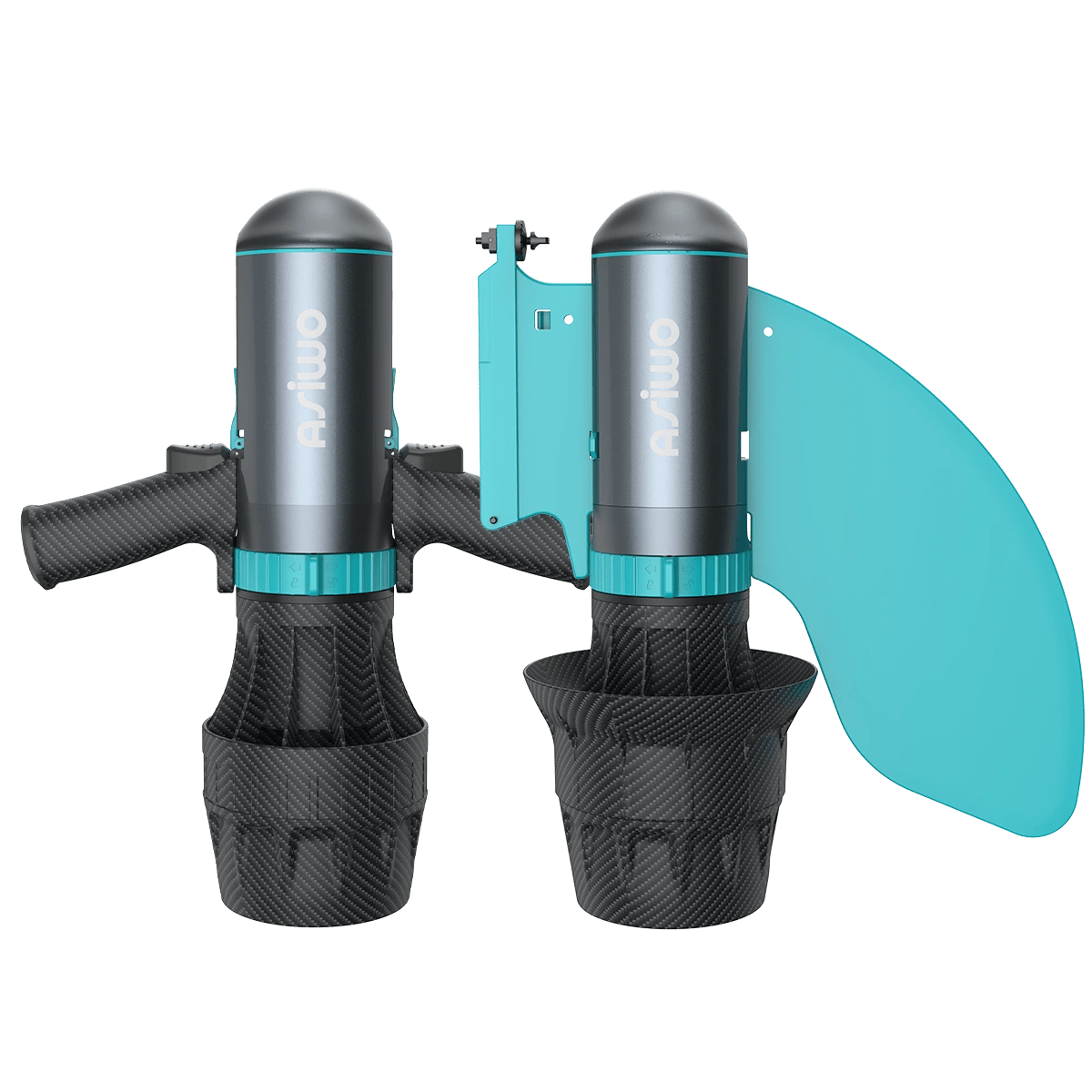
A scuba course's minimum age and a product's minimum age answer different questions. Being eligible for a diving course does not automatically make a child eligible to use an ASIWO electric kickboard or underwater scooter.
Before choosing equipment, check the specific model's current ASIWO product page for its age requirements, intended use and supervision guidance. If an age requirement is unclear, confirm it with ASIWO before buying. Equipment does not replace swimming ability, scuba training or the supervision required for the activity.
If your family is also considering equipment, our ASIWO underwater scooter buying guide for kids can help you compare options. Use it alongside the relevant product page, and choose for your child's planned activity and ability—not simply because they have reached a scuba course's minimum age.

FAQs
Is there one legal age for scuba diving worldwide?
Do not treat a training agency's minimum age as a worldwide legal rule. Confirm destination requirements with the local operator. PADI notes that its minimum certification age applies in most areas, rather than universally.
Can an 8-year-old get an Open Water certification?
Not through the PADI or SSI Open Water pathways described here, which start at 10. SSI's age-8 Try Scuba recognition is not an Open Water certification.
Can a 12-year-old PADI Junior Open Water Diver dive with another child?
The requirement is a certified adult buddy. Another child's certification does not meet that condition.
Does turning 15 mean a diver can go deeper without further training?
No. PADI considers a Junior Open Water Diver an Open Water Diver upon reaching 15. A replacement card can reflect that change, but ordering one is not a prerequisite. The change does not award an advanced qualification or new experience. After a long break, discuss a skills refresher with a dive professional.
Plan the Right First Experience
Tell the dive center your child's age, swimming ability, previous training and intended destination. Ask it to recommend an appropriate program and explain the supervision arrangements before you book.
If your family is still choosing an activity, our snorkeling vs. scuba diving guide explains the differences. Choose the activity first; discuss suitable equipment after the training requirements are clear.


Hinterlassen Sie einen Kommentar