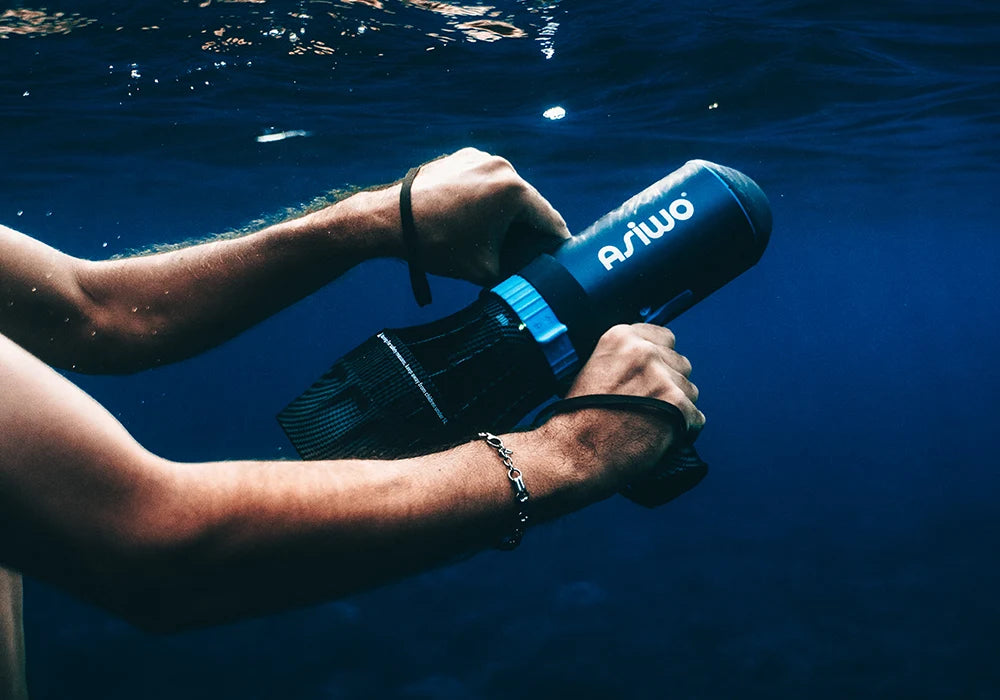







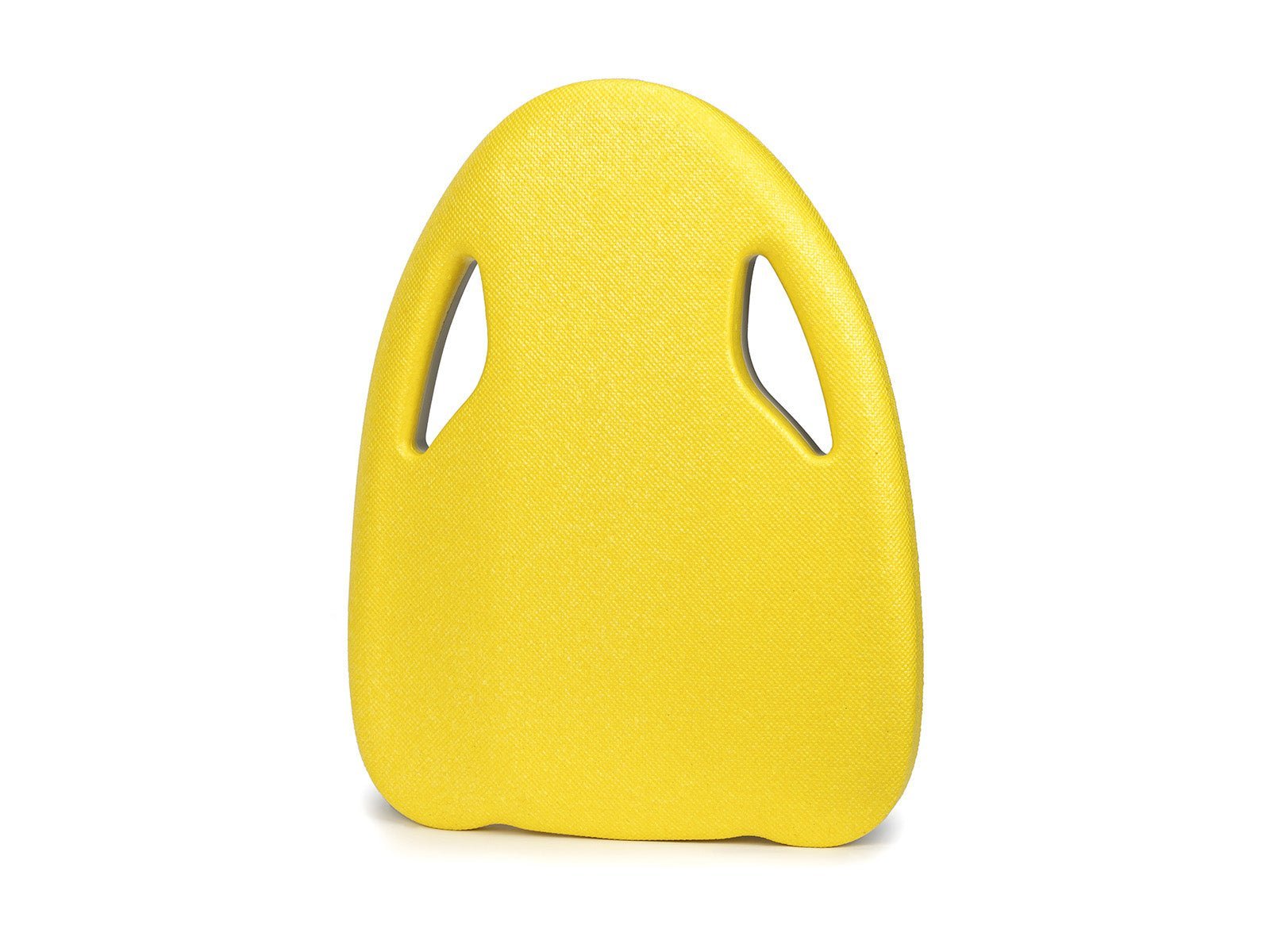
An electric kickboard (also called a motorized kickboard or electric swimming kickboard) is a buoyant, battery-powered surface water craft designed to propel swimmers effortlessly across swimming pools, calm lakes, and coastal bays. Unlike traditional foam kickboards that rely solely on human leg kicks, an electric kickboard features an integrated electric thruster and rechargeable lithium battery, offering multi-speed cruising for kids, swim training support for beginners, and relaxing water recreation for adults.
What to Look for When Buying an Electric Kickboard
Choosing the best electric kickboard depends on how and where you plan to use it. When evaluating different models in 2026, focus on these four critical engineering specifications:
1. Speed Modes and Motor Thrust
A single-speed motor quickly becomes frustrating—either too fast for young children or too sluggish for adults. Premium electric kickboards incorporate multiple speed gears:
- Low Gear (approx. 0.6 m/s / 1.3 mph): Ideal for children aged 6+, timid swimmers, and endurance kicking drills.
- Medium Gear (approx. 1.0 m/s / 2.2 mph): Perfect for casual cruising and leisurely pool laps.
- High Gear (approx. 1.5 m/s / 3.4 mph): Delivers exciting hydro-gliding speed faster than recreational freestyle swimming, providing ample thrust for adult riders up to 220 lbs (100 kg).

2. Battery Capacity & Airline Carry-On Compliance (The 100 Wh Limit)
If you plan to travel with your water gear on family vacations, battery rating is make-or-break:
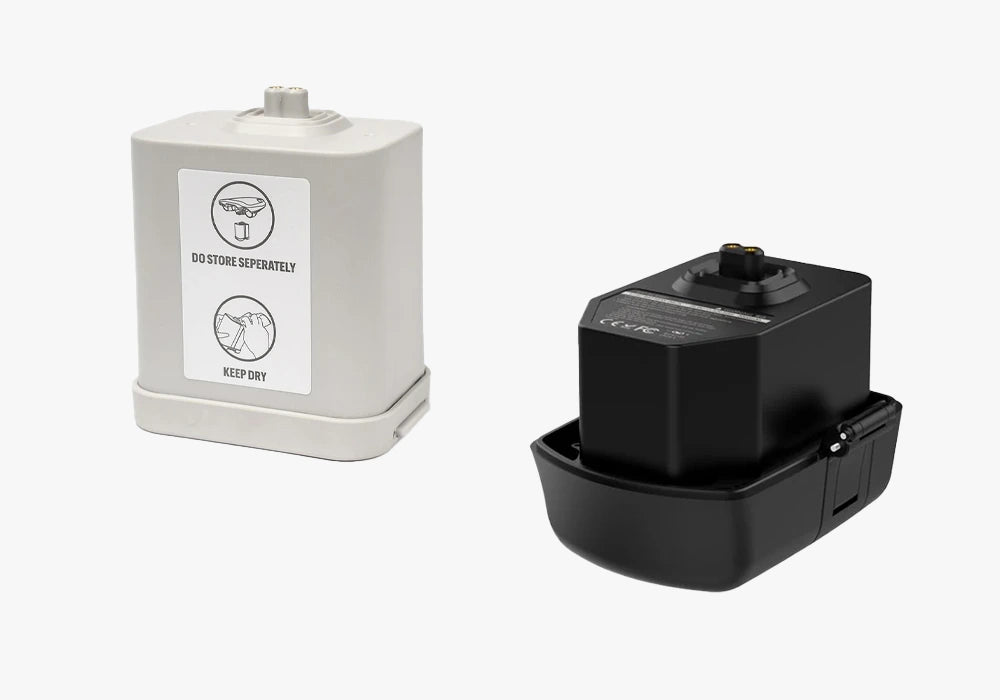
- Under 100 Wh (FAA & TSA Compliant): Commercial aviation regulations (including FAA, TSA, and IATA standards) permit lithium-ion batteries rated under 100 watt-hours (Wh) in carry-on baggage without requiring hazardous materials declarations or special airline approvals.
- Over 100 Wh Restrictions): Batteries between 101 and 160 Wh require airline pre-approval and are capped at two spares per passenger, while packs over 160 Wh are strictly forbidden on passenger aircraft.
- Buying Rule: Look for models engineered with an airline-safe battery pack (such as the 92.5 Wh pack on the ASIWO MAKO) so you can pack it directly in your carry-on luggage for beach vacations.
3. Positive Buoyancy & Anti-Sink Hydrodynamics
Water safety begins with passive float design. Always verify that the board has positive buoyancy:
- Self-Floating Design: High-density closed-cell EPP foam and sealed motor housings ensure the board floats high on the water surface even when completely powered off.
- Zero Drop Hazard: If a child or tired swimmer lets go of the handles in deep water, the board immediately bobs to the surface, serving as an accessible resting float rather than sinking to the bottom.
4. Dual-Trigger Safety Controls
Single-button switches pose severe accidental start risks, especially around curious toddlers. The gold safety standard is a dual-button magnetic touch system:
- The propeller only spins when both hands depress their respective handlebar sensors simultaneously.
- Releasing either hand cuts motor power instantly in less than 0.2 seconds, preventing runaway boards in crowded swimming pools.
Electric Kickboard Comparison: Key Specifications Across Categories
| Feature / Metric | Entry-Level Toy Kickboards | Performance All-Rounder (ASIWO MAKO) | Underwater Sea Scooter (ASIWO MANTA) |
|---|---|---|---|
| Primary Environment | Shallow kiddie pools only | Pools, lakes, calm ocean & snorkeling | Open ocean, coral reefs & freediving up to 40m |
| Speed Settings | Single speed (0.5 - 0.8 m/s) | 3 Speeds (0.6 / 1.0 / 1.5 m/s) | 3 Speeds (up to 8.2 ft/s / 2.5 m/s) |
| Battery Rating | 40 - 60 Wh (Fixed / Non-swappable) | 92.5 Wh (FAA Carry-On Compliant, Detachable) | 126 Wh (Requires airline approval, No checked baggage) |
| Typical Runtime | 15 - 25 minutes | 30 - 60 minutes per charge | 35 / 20 / 12 minutes (by speed mode) |
| Weight Capacity | Under 100 lbs (Kids only) | Up to 265 lbs / 120 kg (Kids & Adults) | Up to 220 lbs / 100 kg |
| Buoyancy Profile | Mildly buoyant | Fully positive buoyancy (auto-floats) | Mildly positive / neutral buoyancy |
| Safety Activation | Single push button | Dual magnetic touch-sensor switch | Dual magnetic triggers with lock |
Electric Kickboard vs. Underwater Sea Scooter: Which Should You Choose?
Both devices deliver motorized aquatic propulsion, but their operating zones differ fundamentally:
- Choose an Electric Kickboard if you want surface-focused recreation, swim training assistance, and effortless pool fun for children, non-swimmers, and families. It remains exclusively at the water surface, providing continuous flotation support. Review our detailed head-to-head comparison in ASIWO MAKO vs Manta for pool owners.
- Choose an Underwater Sea Scooter if you want 3D underwater freedom to dive beneath the surface, explore offshore coral reefs, or assist scuba and freediving descents up to 131 feet (40 meters).
- For a look at how motorized boards transform conventional kicking workouts, see our guide on electric kickboards vs traditional kickboards.
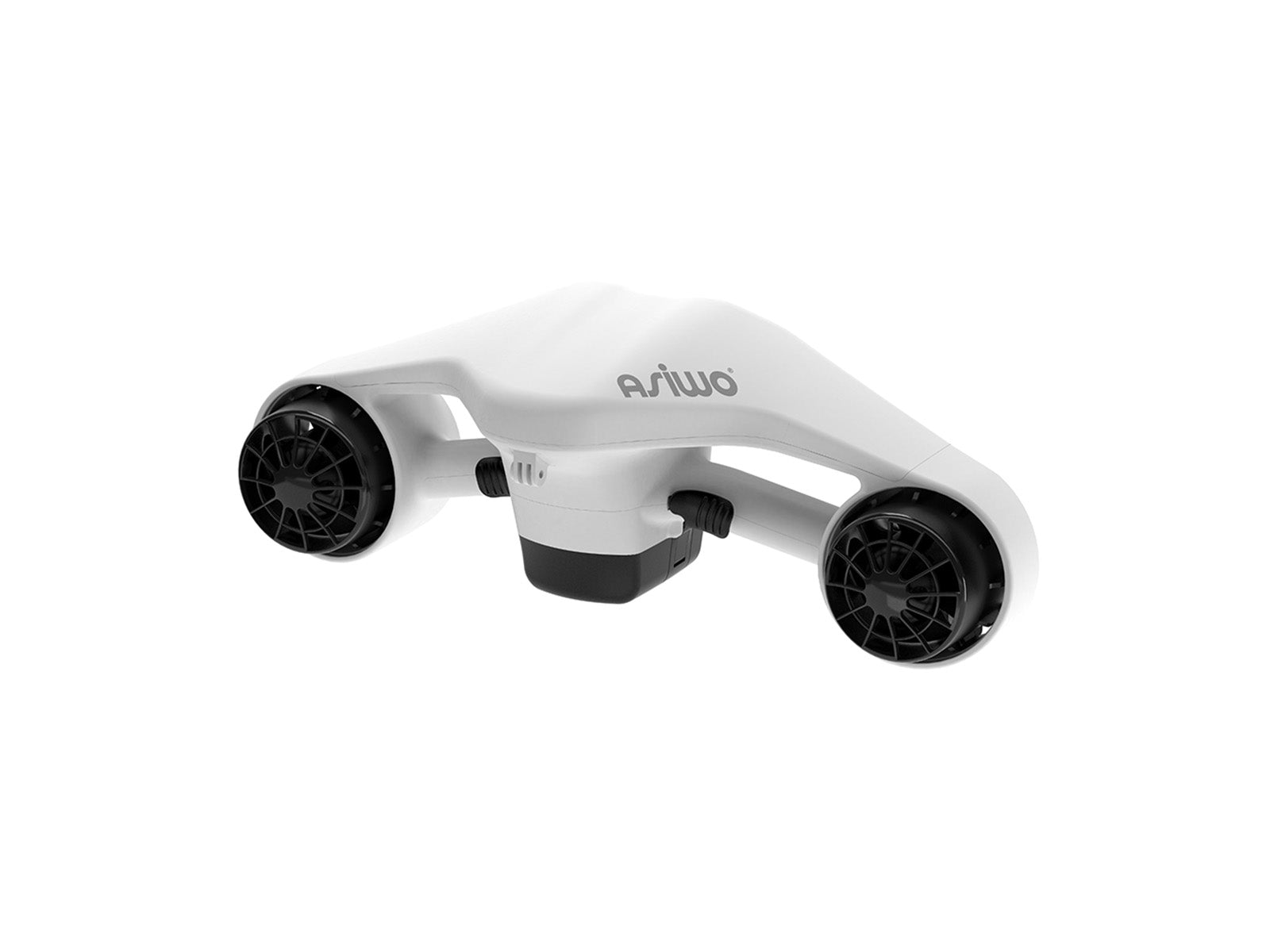
Top Pick Spotlight: ASIWO MAKO Electric Swimming Kickboard
For families and aquatic fitness enthusiasts seeking the sweet spot of speed, safety, and airline travel compliance, the ASIWO MAKO stands as the benchmark electric kickboard.

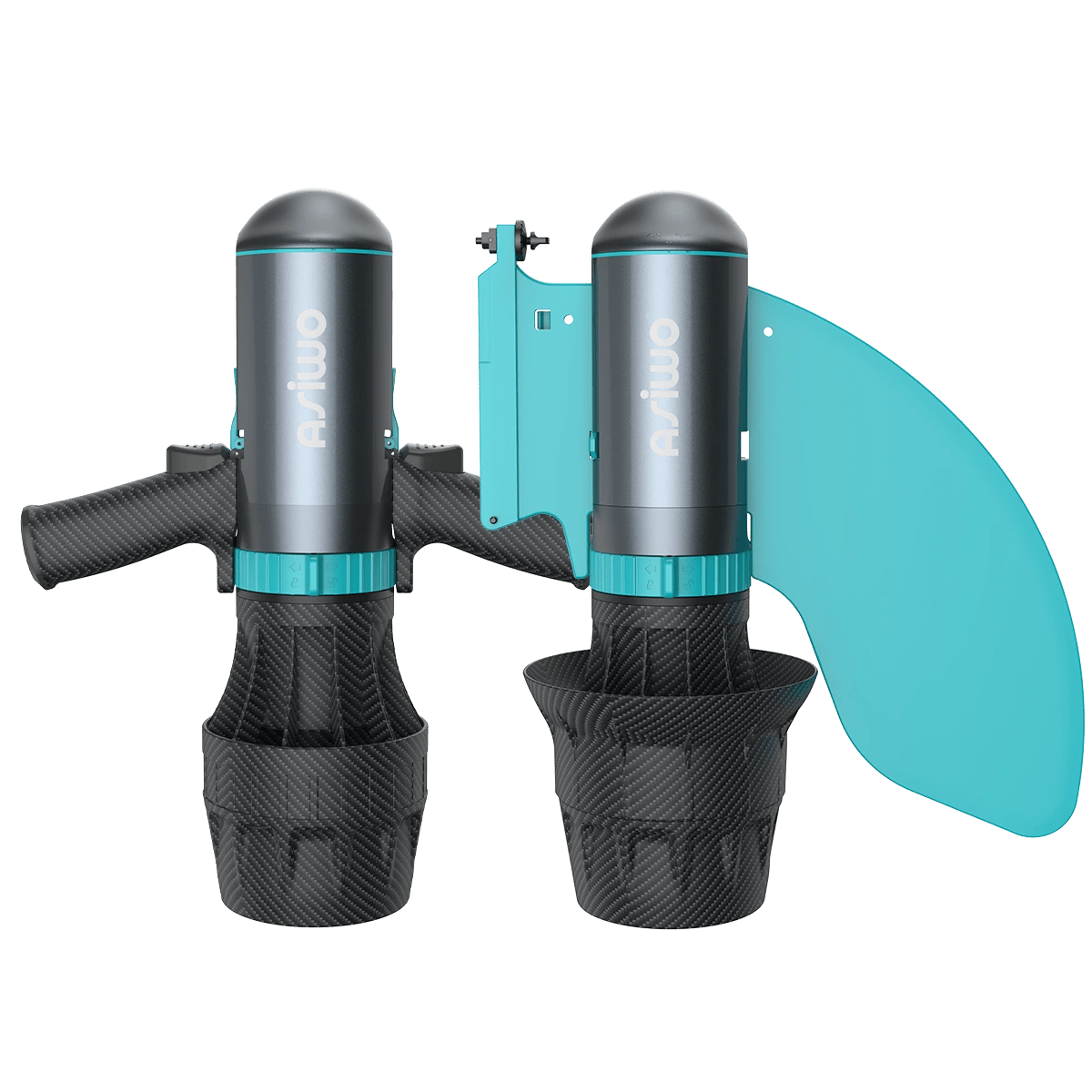
ASIWO MAKO Electric Swimming Kickboard
Engineered for kids and adults alike, the ASIWO MAKO features 3 speed settings (up to 3.4 mph / 1.5 m/s), an airline-safe 92.5 Wh detachable battery, and dual touch-sensor activation. Its auto-floating hull supports riders up to 265 lbs (120 kg) for up to 60 minutes of uninterrupted water fun.
- 3-Speed Thruster: 0.6 m/s / 1.0 m/s / 1.5 m/s (up to 5 ft/s)
- FAA Airline Compliant: 92.5 Wh Lithium-ion battery permitted in carry-on baggage
- Dual-Touch Safety: Instant auto-shutoff within 0.2 seconds when either hand releases
- Self-Floating Hull: Generous positive buoyancy prevents the board from sinking
Explore ASIWO MAKO Electric Kickboard →
Best Applications for an Electric Kickboard
1. Children's Swim Training and Water Confidence
For kids hesitant in deep water, an electric kickboard acts as an empowering training companion. By taking over upper-body buoyancy, it allows young learners to concentrate purely on leg flutter kicks, body streamlining, and rhythmic breathing without panic.
2. Adult Fitness and Leg Kicking Workouts
Adult swimmers use motorized kickboards to isolate hamstring, quad, and glute muscle groups during low-impact interval training. Setting the motor to low speed provides continuous forward momentum while forcing continuous kick resistance.
3. Coastal Snorkeling and Sandbar Cruising
When snorkeling over shallow inshore reefs or transiting across tidal sandbars, an electric kickboard saves significant stamina. Snorkelers can rest their chest on the board, keep their face in the water, and cruise between coral heads without tiring their calf muscles. For open-water safety rules and required distance markers, review our guide on how to use a dive flag when snorkeling.
Care and Saltwater Maintenance SOP
To ensure your motorized kickboard lasts for years of aquatic adventures, follow this straightforward maintenance routine:
- Rinse with Fresh Water After Every Session: Always rinse the entire hull, propeller guard, and battery latch in clean tap water to remove pool chlorine or ocean salt deposits.
- Flush the Thruster: Submerge the motor section in a tub of clean freshwater and run it on low speed for 10 seconds to flush internal propeller channels.
- Dry Terminals Before Charging: Never connect a wet battery to the charger. Wipe the golden connector pins dry with a clean microfiber cloth and let air dry in shade.
- Off-Season Storage: Store lithium-ion batteries in a cool, dry room at approximately 50% state of charge (do not store empty or plugged in at 100% for months).
FAQs
Can adults ride an electric kickboard, or is it strictly for children?
Adults can ride high-quality electric kickboards with ease. Premium boards like the ASIWO MAKO support payloads up to 265 lbs (120 kg). Adults use them for low-impact kicking workouts, pool relaxation, and effortless surface snorkeling.
Can I take an electric kickboard on an airplane?
Yes, provided the battery is rated under 100 Wh (such as the 92.5 Wh battery on the ASIWO MAKO). Under FAA, TSA, and international aviation rules, batteries under 100 Wh are allowed in passenger carry-on baggage. Always pack the battery in your carry-on, never in checked luggage.
What happens if I let go of the electric kickboard in deep water?
Quality electric kickboards feature dual-action safety switches and positive buoyancy. The moment your hand releases the grip sensor, the propeller shuts off within 0.2 seconds. The board remains floating right at the surface next to you, so it will never sink or motor away.
How fast does an electric kickboard travel?
Most recreational electric kickboards reach speeds between 0.6 m/s (1.3 mph) in eco mode and 1.5 m/s (3.4 mph) in sport mode. A top speed of 1.5 m/s is faster than the average recreational swimmer's crawl stroke, providing brisk surface propulsion.
Do I need a life jacket while using an electric kickboard?
While an electric kickboard provides reliable surface flotation, it is not a certified personal flotation device (PFD). Non-swimmers and children should always wear an approved USCG life jacket and remain under continuous adult supervision when in the water.


Leave a comment